
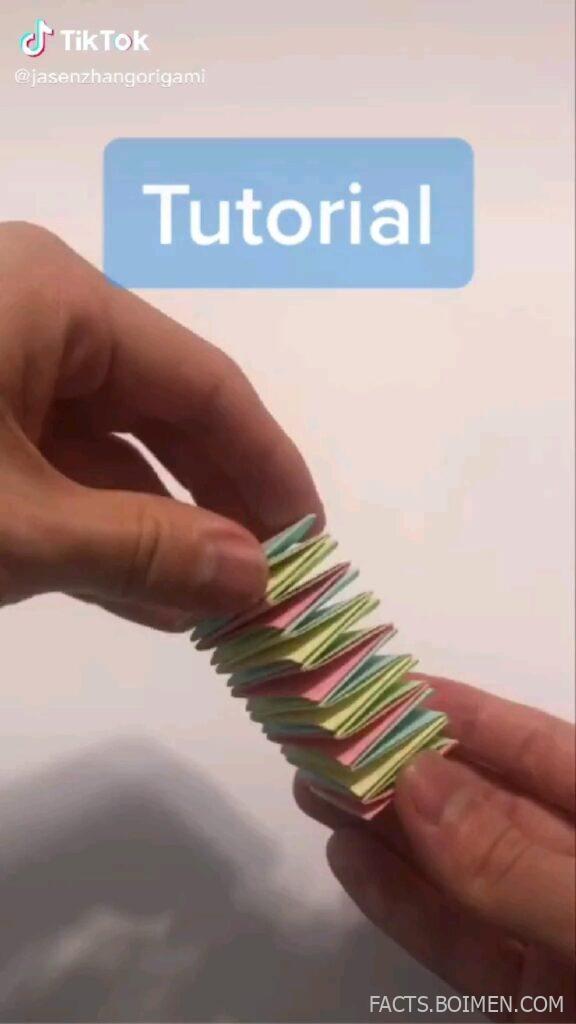
If you have ever watched a creased square of paper turn into a dragon, a crane, or a tiny moving creature in under a minute, you already know the quiet pull of origami. TikTok folders like @jasenzhangorigami made the craft explode because they show the impossible happening in real time: flat paper in, sculpted art out. What most viewers never see is the deep bench of free origami tutorials hiding in plain sight, from step-by-step diagram archives to slow-motion video channels and printable crease-pattern libraries. This list collects the best of them, starting with the exact kind of short-form folding tutorial that brought you here, then widening into the sites and channels every paper folder should bookmark before the rest of the internet catches on.
Table of Contents(Click to Toggle)
- Why Origami Tutorials Are Suddenly Everywhere
- 18 Origami Tutorials and Paper-Folding Resources
- 1. TikTok @jasenzhangorigami
- 2. Origami.me
- 3. Origami Guide
- 4. Origami Way
- 5. Jo Nakashima YouTube Channel
- 6. Paper Kawaii
- 7. Origami-Fun
- 8. Happy Folding
- 9. Origami Instructions
- 10. Gilad’s Origami Page
- 11. Origami Plus
- 12. Fold & Fun
- 13. Origami Spirit
- 14. Red Ted Art Origami
- 15. Origami-Spirit Video Library
- 16. Origamigos
- 17. British Origami Society
- 18. OrigamiUSA
- Bonus Mentions
- The Folding Community Keeps Growing
Why Origami Tutorials Are Suddenly Everywhere
Origami sits in a rare sweet spot: it costs almost nothing, needs no screen skills beyond following along, and produces a physical object you can hold. That combination made it perfect for short-video platforms, where a 45-second clip can compress a dozen folds into something mesmerizing. But short clips are only the doorway. The real craft lives in diagram archives, printable crease patterns, and long-form video channels that break down complex models fold by fold.
What makes this moment interesting is that most of these resources are free, run by hobbyists, and have been quietly online for years. They predate the TikTok boom by decades. If you only ever watch the algorithm’s picks, you miss the libraries where you can learn a genuine 200-step dragon, a modular ball that snaps together from 30 identical units, or a flapping crane that actually moves. Below are 18 places to start, ordered from the short-form style that brought you here toward the deeper archives.
18 Origami Tutorials and Paper-Folding Resources
1. TikTok @jasenzhangorigami : Short-form folding demos that make complex models look easy
What it is: A TikTok account dedicated to fast, visually clean origami demonstrations, often showing intermediate and advanced models folded in real time or sped up.
Category: Short-form video tutorial
Why it stands out: The appeal is pacing. Each clip trims the dead time between folds, so you see the transformation from flat sheet to finished model without losing the sequence. The captions and on-screen cues usually name the model and difficulty, which helps you decide whether to attempt it.
Best for: Beginners who want quick wins and intermediate folders hunting for their next challenge.
2. Origami.me : Clean beginner diagrams with a friendly difficulty curve
What it is: A long-running tutorial site with hundreds of written and photographed step-by-step guides, sorted by animal, object, and skill level.
Category: Diagram archive
Why it stands out: The diagrams use clear valley and mountain fold notation, and each project lists an estimated time. The crane, fox, and jumping frog pages are especially well photographed, so you can compare your in-progress fold against the reference image.
Best for: Absolute beginners who want to fold along with static images instead of video.
3. Origami Guide : Hundreds of free tutorials organized by difficulty
What it is: A tutorial hub with video and diagram combinations, grouped into easy, intermediate, and advanced categories.
Category: Mixed tutorial library
Why it stands out: Many pages pair a video with a written step list, which is genuinely useful when you lose your place mid-fold. The site also covers seasonal models like pumpkins and snowflakes, making it handy for classroom or holiday crafting.
Best for: Teachers and parents looking for themed folding projects.
4. Origami Way : Fast, no-fuss instructions for classic models
What it is: A straightforward tutorial site focused on popular models, from cranes and boats to hearts and flowers.
Category: Diagram archive
Why it stands out: The pages load fast and the steps are short, which suits phone browsing while your hands are busy. Diagrams are simple line drawings, so they print cleanly in black and white if you want a paper reference beside you.
Best for: Quick reference folding when you already know the basics.
5. Jo Nakashima YouTube Channel : Master-level video tutorials with calm, clear pacing
What it is: One of the best-known origami channels on YouTube, with hundreds of tutorials ranging from simple to extremely complex.
Category: Long-form video tutorial
Why it stands out: Nakashima folds at a watchable speed with no distracting edits, and he often designs his own models, including dragons and modular polyhedra. The camera angle stays fixed above the paper, so every crease is visible.
Best for: Folders ready to move past beginner models into designed, original pieces.
6. Paper Kawaii : Cute, practical origami with a stationery flair
What it is: A tutorial site and YouTube channel specializing in kawaii-style models: boxes, envelopes, bookmarks, and mini organizers.
Category: Themed tutorial library
Why it stands out: The projects are useful as well as decorative. Folded boxes and dividers actually hold small items, and the printable patterned paper downloads let you match a set. Instructions are clearly numbered with both video and photo options.
Best for: Crafters who want origami they can use, gift, or sell at markets.
7. Origami-Fun : Printable diagrams plus video for every model
What it is: A dual-format tutorial site offering both animated diagrams and video walkthroughs for a wide catalog.
Category: Mixed tutorial library
Why it stands out: The animated diagrams are the standout feature: they show the paper moving fold by fold, which is easier to follow than a static sequence. Printable PDF diagrams are available for offline folding sessions.
Best for: Learners who struggle to read static crease diagrams.
8. Happy Folding : A deep archive of instructional videos and reviews
What it is: A long-standing origami resource with video instructions, paper reviews, and event coverage.
Category: Video archive and blog
Why it stands out: It goes beyond tutorials into paper quality comparisons, which matters more than beginners expect. Different papers hold creases differently, and the reviews help you choose before buying a pack.
Best for: Folders who care about paper choice and want context around the craft.
9. Origami Instructions : Classic models explained in plain language
What it is: A tutorial site with written steps and photos for traditional and modern models alike.
Category: Diagram archive
Why it stands out: The written descriptions are unusually clear about which corner goes where, which helps when a diagram alone is ambiguous. Traditional bases like the bird base and waterbomb base each have dedicated explainer pages.
Best for: Self-taught folders who prefer reading steps over watching them.
10. Gilad’s Origami Page : A museum-grade catalog of books and models
What it is: An encyclopedic reference covering origami books, designers, galleries, and crease pattern resources.
Category: Reference and database
Why it stands out: It is less a tutorial site and more a map of the entire field. Book reviews tell you exactly what skill level each publication targets, saving you from buying an advanced crease-pattern book by mistake.
Best for: Serious hobbyists building a library and exploring origami history.
11. Origami Plus : Simple models with a playful, modern style
What it is: A tutorial site and channel focused on approachable, contemporary designs.
Category: Mixed tutorial library
Why it stands out: The models lean toward the decorative and giftable: hearts, stars, and small animals that work well as cards or party favors. Steps are short enough to finish in one sitting.
Best for: Casual folders making small gifts or decorations.
12. Fold & Fun : Kid-friendly folding with cheerful narration
What it is: A video channel aimed at younger folders and family crafting sessions.
Category: Video tutorial
Why it stands out: The narration explains each fold in plain terms and the models are chosen for quick success, which keeps attention spans intact. Many projects use square paper you can cut from printer sheets.
Best for: Parents, grandparents, and classroom activities.
13. Origami Spirit : Thoughtful tutorials with cultural context
What it is: A tutorial blog by Leyla Torres pairing clear video instructions with stories about the models and their origins.
Category: Tutorial blog
Why it stands out: Each post explains why a model matters, not just how to fold it. The site covers practical folds like envelopes and gift boxes alongside decorative pieces, and the video framing is consistently easy to follow.
Best for: Folders who enjoy the story behind the paper.
14. Red Ted Art Origami : Craft projects that mix origami with other materials
What it is: A family craft site with a substantial origami section, often combining folding with drawing or cutting.
Category: Craft tutorial site
Why it stands out: The hybrid projects, like folded corner bookmarks with drawn faces, are ideal for making something personal. Instructions include photos at each stage and list the exact supplies needed.
Best for: Crafters who want to customize their folds rather than replicate them exactly.
15. Origami-Spirit Video Library : A searchable collection of folding walkthroughs
What it is: The video companion to Origami Spirit, organized into playlists by theme and difficulty.
Category: Video archive
Why it stands out: Playlists group models logically, so you can work through a series on boxes or flowers in order. Videos are filmed from a consistent overhead angle, which builds muscle memory faster than switching perspectives.
Best for: Binge-learning a specific category of models.
16. Origamigos : A community and course hub for steady progress
What it is: An online origami learning community offering structured lessons and member interaction.
Category: Learning community
Why it stands out: The structured path is the draw: instead of jumping between random models, you build skills in sequence. Community feedback on your folds helps catch recurring mistakes early.
Best for: Learners who want accountability and a progression system.
17. British Origami Society : Decades of diagrams and a real folding community
What it is: One of the oldest origami societies in the world, publishing diagrams, newsletters, and event information.
Category: Society and archive
Why it stands out: Membership opens access to a historical diagram collection you will not find on tutorial blogs, plus local meetups where people fold together in person. The society has documented origami design since the mid-twentieth century.
Best for: Enthusiasts who want community, history, and rare diagrams.
18. OrigamiUSA : The largest American origami organization and its resources
What it is: A nonprofit supporting origami education, with publications, an annual convention, and online diagrams.
Category: Society and educational resource
Why it stands out: The annual convention draws designers from around the world, and the organization publishes folding diagrams that members can download. It also maintains teaching resources for schools and libraries.
Best for: Anyone ready to turn a hobby into a lifelong community.
Bonus Mentions
Tadashi Mori : Energetic tutorials covering advanced and modular designs
What it is: A popular channel known for tackling complex models and modular assemblies.
Category: Video tutorial
Why it stands out: The channel covers models that many sites skip, including multi-piece modular builds. Pacing is brisk but the folds are shown clearly.
Best for: Intermediate folders chasing a challenge.
Origami Resource Center : A broad reference with history and diagrams
What it is: A reference site collecting diagrams, history, and paper information in one place.
Category: Reference archive
Why it stands out: Useful when you want background on a model or guidance on which paper weight suits a project.
Best for: Research-minded folders and teachers.
Origami Tree : Seasonal and holiday folding projects
What it is: A channel focused on holiday and seasonal models.
Category: Video tutorial
Why it stands out: Timely projects for decorations and gifts, with clear step-by-step filming.
Best for: Holiday crafting and classroom activities.
Pinterest Origami Boards : Visual discovery for your next project
What it is: A visual search platform where folders collect diagrams, photos, and video links.
Category: Discovery platform
Why it stands out: Boards often surface models that search engines miss, and saved pins act as a personal project queue.
Best for: Browsing for inspiration before choosing a model.
Sarah’s Origami : Gentle, beginner-friendly folding videos
What it is: A channel with calm, clearly narrated tutorials for newer folders.
Category: Video tutorial
Why it stands out: The slower pace and repeated folds make it easy to keep up without pausing constantly.
Best for: First-time folders building confidence.
The Folding Community Keeps Growing
What ties all of these together is generosity. Almost every resource above is free, run by people who simply want more folders in the world. The TikTok clips that made origami trend again are the visible tip; underneath sits decades of diagrams, societies, and video archives maintained by hobbyists. Start with one simple model today, then follow the difficulty curve at your own speed. Paper is forgiving, mistakes are cheap, and a crumpled attempt is still a step forward.
Which origami model are you hoping to fold next, and did you find a tutorial here that finally made it click? Share your favorite folding site in the comments so other readers can add it to their list.