Paper is the most forgiving material in any craft room — and the most underestimated. A single sheet can become a folded sculpture, a textured card, a hand-bound journal, or a gallery-worthy piece of wall art, all with tools you probably already own. What separates a flat, homemade-looking project from something that looks professionally finished usually comes down to a handful of small techniques: how you score a fold, which adhesive you choose, how you cut a curve, and how you combine color and texture.
Below are 17 paper craft tips, techniques, tools, and resources — from precise scoring and folding to inventive textures and color pairings — that will help you turn everyday paper into something worth framing.
Table of Contents(Click to Toggle)
- Why These Paper Craft Tips Change Everything
- 17 Paper Craft Tips, Techniques, and Tools
- 1. Scoring and Folding Techniques
- 2. Choosing the Right Paper Weight
- 3. Precision Cutting Tools
- 4. The Right Adhesives
- 5. Paper Craft Inspiration on Pinterest
- 6. Quilling Techniques
- 7. Paper Layering and Dimension
- 8. Color Theory for Paper
- 9. Embossing and Texture
- 10. Paper Craft Tutorials on YouTube
- 11. Origami Folding Basics
- 12. Die-Cutting Machines
- 13. Hand-Lettering and Calligraphy
- 14. Paper Craft Projects on Etsy
- 15. Upcycling Scrap Paper
- 16. Free Paper Craft Templates
- 17. Storing and Organizing Supplies
- Bonus Mentions
- The Best-Kept Paper Craft Secrets
Why These Paper Craft Tips Change Everything
Most paper projects fail for boring reasons: the fold cracks because it wasn’t scored, the edges look ragged because the blade was dull, or the layers curl because the wrong glue was used. None of these are talent problems — they’re technique problems, and technique is learnable in an afternoon. The tips below focus on the small, repeatable adjustments that make the biggest visual difference: crisp creases, clean cuts, controlled texture, and color combinations that feel intentional rather than accidental.
Whether you’re making greeting cards, scrapbook layouts, paper flowers, or hand-bound books, these resources give you both the know-how and the tools to elevate the result. Many of them are free, and a few are the kind of quiet, under-the-radar sites that experienced crafters keep to themselves.
17 Paper Craft Tips, Techniques, and Tools
1. Paper Source : Scoring and Folding Techniques Done Right
What it is: A paper and craft retailer and inspiration hub known for its curated paper selection and technique guides.
Category: Technique and supplies
Why it stands out:
- Their guides explain the difference between a bone folder and a scoring blade, and why scoring before folding prevents cracked creases on cardstock.
- The site stocks paper by weight and finish, so you can match the sheet to the fold.
- Their workshop-style tutorials cover gatefold cards and box folds step by step.
Best for: Crafters whose folds keep splitting or looking soft.
2. Blick Art Materials : Choosing the Right Paper Weight
What it is: A major art supply retailer with an unusually deep paper inventory and detailed product specs.
Category: Supplies and education
Why it stands out:
- Listings show gsm and pound ratings, so you can compare 65 lb cardstock against 110 lb cover stock before buying.
- Their educational articles explain when to use text weight versus cover weight for cards, envelopes, and folded structures.
- Sample packs let you test finishes — vellum, metallic, and textured — without committing to a full ream.
Best for: Anyone tired of paper that buckles under glue or tears at the fold.
3. Fiskars : Precision Cutting Tools
What it is: A heritage tool brand whose paper trimmers, punches, and scissors are craft-room staples.
Category: Cutting tools
Why it stands out:
- Their rotary and guillotine trimmers include measurement grids and wire guides, which keep repeat cuts identical across a batch of cards.
- Replaceable blades mean clean edges long after a blade would normally dull.
- Their detail scissors have small, sharp tips for tight curves and interior cutouts.
Best for: Makers producing multiples — invitations, tags, or card sets.
4. Beacon Adhesives : The Right Glue for Every Paper
What it is: A specialty adhesive company with formulas designed for paper, fabric, and mixed media.
Category: Adhesives
Why it stands out:
- Acid-free formulas protect scrapbook pages from yellowing over time.
- Their tacky glue grabs quickly, which stops thin paper from sliding while it dries.
- A clear-drying option prevents the wet spots that ruin vellum and tissue layers.
Best for: Layered and dimensional projects where tape runners aren’t strong enough.
5. Pinterest : Paper Craft Inspiration and Layout Ideas
What it is: A visual discovery platform where paper crafters collect layouts, color palettes, and project photos.
Category: Inspiration
Why it stands out:
- Searching “paper craft layout” returns thousands of arrangement ideas for cards and scrapbook pages.
- Board-based saving lets you group ideas by technique — folding, quilling, or color schemes.
- Visual search on a photo you like surfaces similar projects, which is useful for matching a style.
Best for: Crafters who need a starting point before the paper comes out.
6. Custom Quilling : Quilling Techniques and Supplies
What it is: A specialist supplier focused entirely on the art of rolled and shaped paper strips.
Category: Specialist technique
Why it stands out:
- Pre-cut strip packs in consistent widths make coils uniform, which is the difference between tidy and messy quilling.
- Their slotted tools and circle templates help you shape teardrops, marquises, and scrolls evenly.
- Beginner kits bundle the tool, strips, and a pattern so you can test the technique cheaply.
Best for: Crafters who want delicate dimensional detail on cards and frames.
7. Scrapbook.com : Paper Layering and Dimension
What it is: A large crafting community and shop with tutorials, galleries, and a deep supplies catalog.
Category: Technique and community
Why it stands out:
- Their tutorials cover foam tape, shaker cards, and stacked die-cut layers that add real depth.
- User galleries show finished layouts, so you can see how layering reads at full size.
- Their deals section makes it easy to stock up on cardstock and adhesive foam.
Best for: Card makers who want projects that look dimensional, not flat.
8. ColorKit : Color Combos That Actually Work
What it is: A free browser-based color palette generator built for designers and makers.
Category: Color planning
Why it stands out:
- It builds harmonious palettes from a single base color, which removes the guesswork from paper pairing.
- You can export hex codes and match them against cardstock swatches before buying.
- It’s completely free and requires no account — useful for a five-minute decision.
Best for: Crafters whose color combinations feel random rather than designed.
9. Sizzix : Embossing and Texture Techniques
What it is: A die-cutting and embossing brand with machines, folders, and project tutorials.
Category: Texture and embossing
Why it stands out:
- Embossing folders press raised patterns into cardstock, adding texture without any added bulk.
- Their project library shows how to combine embossed panels with die-cut shapes.
- Texture plates work on foil and metallic papers for a burnished, dimensional finish.
Best for: Adding tactile interest to plain card fronts and journal covers.
10. YouTube : Paper Craft Tutorials You Can Follow Along
What it is: The largest free library of step-by-step paper craft videos anywhere.
Category: Learning
Why it stands out:
- Watching a fold happen in real time teaches faster than any diagram.
- Channels dedicated to card making often demonstrate scoring, inking, and layering in a single ten-minute video.
- Playback speed controls let you slow down tricky origami steps.
Best for: Visual learners tackling a new technique for the first time.
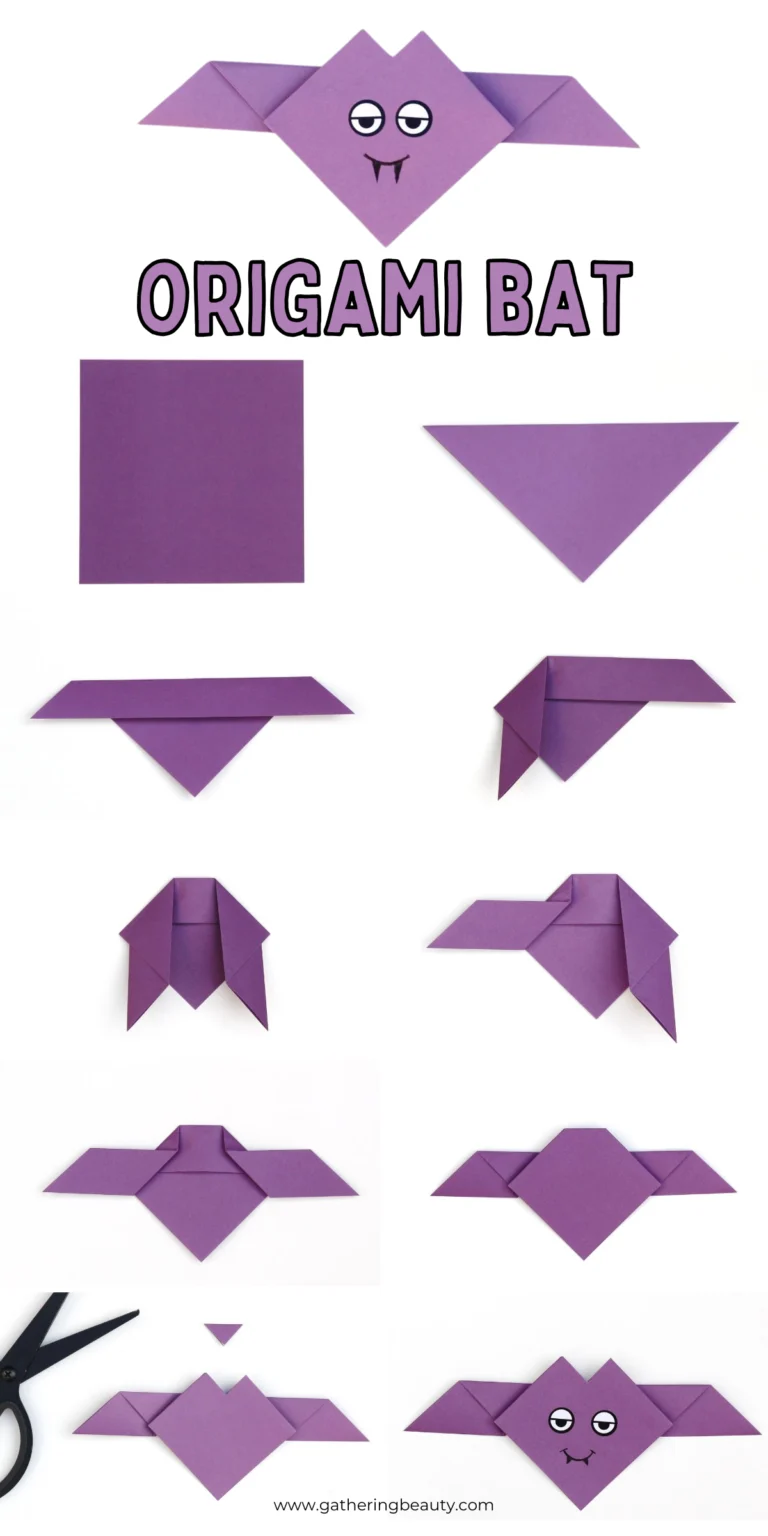
11. Origami.me : Origami Folding Basics
What it is: A clean, diagram-driven origami resource with hundreds of models from easy to advanced.
Category: Folding technique
Why it stands out:
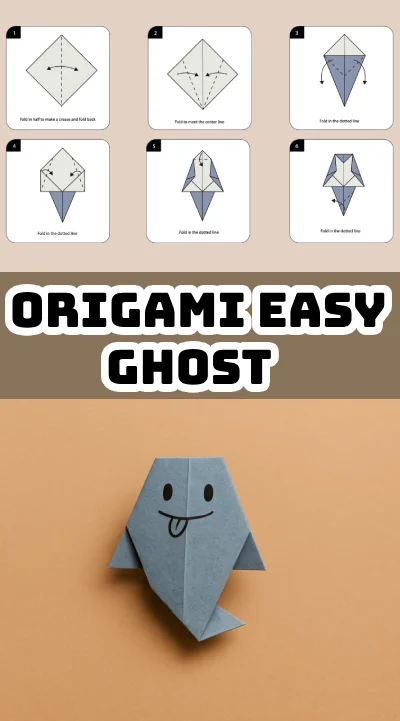
- Clear step diagrams with fold symbols explain mountain and valley folds properly.
- Models are sorted by difficulty, so beginners aren’t thrown into complex crease patterns.
- It’s free and ad-light, which makes it easy to follow on a phone at the craft table.
Best for: Anyone who wants crisp geometric folds as a foundation skill.
12. Cricut : Die-Cutting Machines for Repeatable Precision
What it is: A digital cutting machine brand with design software and a large project library.
Category: Digital cutting
Why it stands out:
- It cuts intricate shapes that are nearly impossible by hand, consistently and repeatably.
- Design Space includes ready-made card, box, and decor templates.
- It handles vinyl and cardstock, so one machine covers multiple project types — though it does require a learning curve and ongoing material costs.
Best for: Crafters making batches of identical, detailed pieces.
13. The Postman’s Knock : Hand-Lettering and Calligraphy
What it is: A calligraphy blog and shop with free worksheets and detailed technique articles.
Category: Lettering
Why it stands out:
- Free printable practice sheets teach the basic strokes behind pointed-pen calligraphy.
- Their tutorials explain how to letter on textured paper without the nib catching.
- Project ideas show how lettering elevates envelopes, tags, and place cards.
Best for: Adding hand-lettered focal points to cards and gift wrap.
14. Etsy : Paper Craft Project Kits and Patterns
What it is: A marketplace where independent makers sell paper craft kits, templates, and finished pieces.
Category: Marketplace
Why it stands out:
- Instant-download templates cover paper flowers, boxes, and layered shadow frames.
- Kits bundle pre-cut pieces and instructions, which is ideal for testing a new project type.
- Browsing finished listings is a fast way to spot trending techniques and palettes.
Best for: Crafters who want a proven pattern rather than designing from scratch.
15. Instructables : Upcycling Scrap Paper
What it is: A community project site where makers publish step-by-step instructions with photos.
Category: Upcycling and projects
Why it stands out:
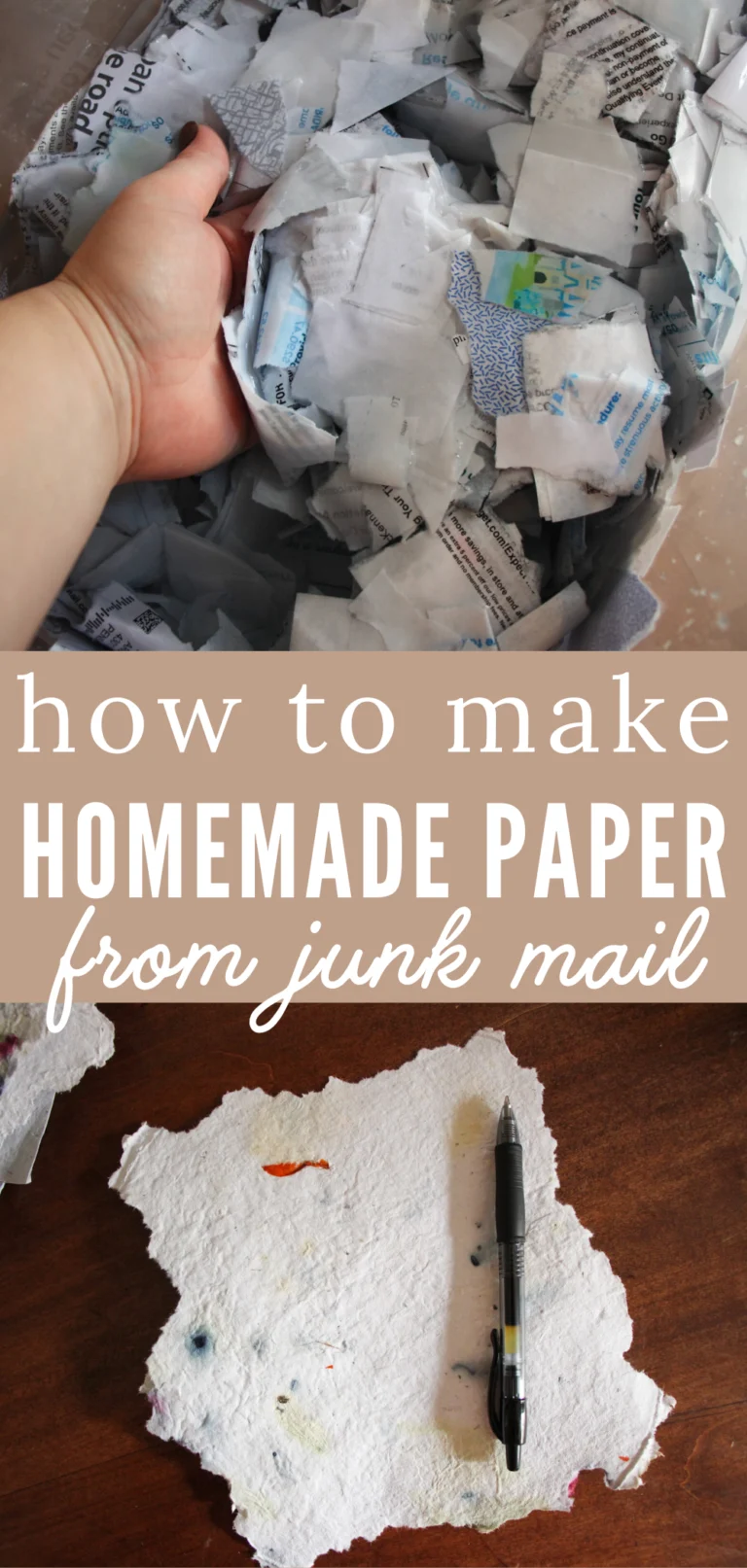
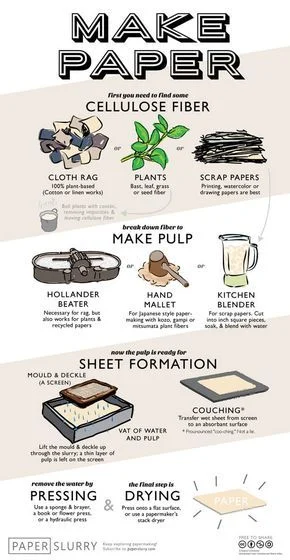
- Projects for handmade paper, paper beads, and woven paper baskets turn scraps into new material.
- Each guide includes materials lists and photos of intermediate steps.
- Comments often contain fixes for problems the original author ran into.
Best for: Using up the offcuts every paper project generates.
16. First Palette : Free Paper Craft Templates
What it is: A free resource of printable templates and craft tutorials for paper projects.
Category: Templates
Why it stands out:
- Printable templates for boxes, envelopes, and flowers save hours of measuring.
- Everything is free to download and print, with no account required.
- Instructions are written for beginners, with clear cut and fold lines.
Best for: Quick projects where you’d rather print than draft.
17. IKEA : Storing and Organizing Supplies
What it is: A home furnishing retailer whose small storage pieces suit craft rooms well.
Category: Organization
Why it stands out:
- Shallow drawer inserts keep cardstock flat, which prevents warping and bent corners.
- Clear boxes make paper colors visible at a glance, so you actually use what you bought.
- Vertical file holders separate scraps by color for fast sorting.
Best for: Crafters whose paper stash has outgrown the desk.
Bonus Mentions
Michaels : Local Supplies and Classes
An arts and crafts chain with in-store paper aisles and occasional technique classes — handy when you need cardstock today rather than next week.
JetPens : Pens and Fine Tools
A stationery retailer with excellent guides to pens, markers, and fine-tipped tools for lettering and detail work.
r/papercraft : Community Feedback
A subreddit where makers share builds and troubleshoot problems — useful for honest opinions on tools before you buy.
Domestika : Structured Paper Craft Courses
Affordable online courses taught by working designers, covering paper flowers, pop-up cards, and paper engineering.
The Best-Kept Paper Craft Secrets
The real secret to stunning paper projects isn’t expensive equipment — it’s consistency. Score every fold, keep a sharp blade in the trimmer, match the adhesive to the paper weight, and choose colors from a planned palette rather than whatever is closest to hand. Those four habits alone will make your work look intentional.
Start with the free resources here — the template sites, the color generator, the folding guides — and add tools only as a project demands them. Paper craft rewards practice more than purchases, and the techniques above are the ones worth practicing first.
Which of these tips changed your results the most, or do you have a quiet favorite resource of your own? Share it in the comments — the best finds usually come from other makers.