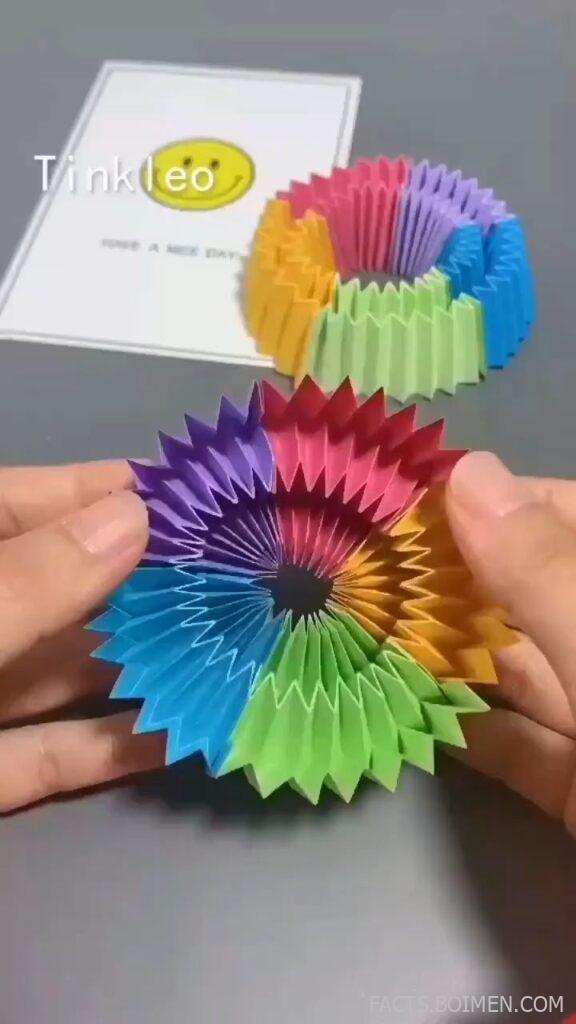
There is something quietly magical about a handful of colorful origami flowers — folded from nothing but squares of paper, yet somehow they hold their shape like real blooms. If you have ever seen someone holding a small bouquet of paper flowers and wondered how they were made, this list is for you. Below are 19 genuinely useful origami flower tutorials, pattern libraries, and community resources that take you from a single fold to a full, colorful bouquet. Most are free, most are beginner-friendly, and a few are hidden gems that paper crafters rarely talk about.
Table of Contents(Click to Toggle)
- Why Origami Flowers Are Worth Folding
- 19 Origami Flower Tutorials and Resources
- 1. Origami.me
- 2. Origami Guide
- 3. Paper Kawaii
- 4. Origami-Fun
- 5. Jo Nakashima (YouTube)
- 6. Origami Spirit
- 7. Gilad’s Origami Page
- 8. Origami Resource Center
- 9. Happy Folding
- 10. Tavin’s Origami Instructions
- 11. Origami Plus
- 12. Red Ted Art
- 13. Origami Way
- 14. Instructables Origami Channel
- 15. Paper Kawaii on Etsy
- 16. Origami Artists on Instagram
- 17. r/origami on Reddit
- 18. Origami Flowers by Hiromi Hayashi
- 19. Bloomfold (Print-at-Home Petal Kits)
- Bonus Mentions
- The Best-Kept Secrets of Paper Bouquets
Why Origami Flowers Are Worth Folding
Origami flowers sit at a sweet spot between craft and keepsake. Unlike a live bouquet, a paper rose never wilts, costs almost nothing to remake, and can be color-matched to a room, a wedding palette, or a friend’s favorite shade. The folding itself is also unusually forgiving: most flower models use the same handful of bases — the waterbomb base, the frog base, the blintz fold — so once you learn two or three, dozens of blooms open up to you.
There is a practical side too. Paper flowers are lightweight enough for gift toppers, sturdy enough for table centerpieces, and cheap enough to make in batches for parties or classroom projects. The resources below range from step-by-step photo tutorials for absolute beginners to diagram archives that go deep into complex modular designs. Whether you want a five-minute tulip or a hundred-petal lotus, something here will get you folding today.
19 Origami Flower Tutorials and Resources
1. Origami.me : Clean photo-and-video tutorials for every skill level
What it is: A well-organized origami hub with dedicated flower sections, from simple tulips to layered roses.
Category: Tutorial library
Why it stands out: Each model gets both a diagram and a video, so you can switch methods when one clicks better. The beginner flower pages use large, high-contrast photos that make each crease easy to follow.
Best for: Complete beginners who want their first paper flower to actually look like a flower.
2. Origami Guide : Difficulty-rated flower tutorials you can filter
What it is: A tutorial site that labels every model by difficulty, from “easy” to “advanced.”
Category: Tutorial library
Why it stands out: The filtering is genuinely useful — you can browse only easy flowers when you have ten minutes, or jump to advanced modular designs for a weekend project. Many flower pages include a short video at the top and written steps below.
Best for: Folders who want to match a project to the time and patience they actually have.
3. Paper Kawaii : Cute, colorful flower designs with printable paper
What it is: A long-running craft blog by a designer who specializes in kawaii-style paper projects.
Category: Blog and tutorial site
Why it stands out: The flower tutorials lean decorative — cherry blossoms, origami roses with stems, and modular kusudama balls. Many posts include free printable patterned paper, which instantly gives your bouquet the colorful, mixed-pattern look people notice.
Best for: Crafters who want their paper flowers to look bright and gift-ready.
4. Origami-Fun : Printable diagram PDFs for classic blooms
What it is: A straightforward site offering step diagrams, many available as printable PDFs.
Category: Diagram archive
Why it stands out: The printable format is the quiet win — you can set a diagram beside your paper instead of scrolling on a phone with inky fingers. Classic flowers like the lily and the tulip are covered with clear numbered steps.
Best for: People who prefer paper instructions over screens while folding.
5. Jo Nakashima (YouTube) : Master-level video tutorials with calm pacing
What it is: One of the most respected origami channels on YouTube, with a large floral playlist.
Category: Video channel
Why it stands out: The camera angle shows the paper from the folder’s perspective, and the pacing is slow enough to follow without pausing constantly. His rose and lotus tutorials are considered reference-quality by the community.
Best for: Visual learners ready to move past beginner models.
6. Origami Spirit : Thoughtful tutorials with cultural context
What it is: A tutorial site that pairs folding instructions with the history and meaning behind each model.
Category: Blog and tutorial site
Why it stands out: You learn why certain flowers are folded for certain occasions, which makes the craft feel richer. The site also covers practical touches like how to attach stems and arrange finished flowers into a bouquet.
Best for: Folders who enjoy the story behind the paper, not just the creases.
7. Gilad’s Origami Page : A deep database of origami books and models
What it is: An encyclopedic reference covering thousands of origami books, creators, and model listings.
Category: Reference database
Why it stands out: If you want to find which book contains a specific flower diagram, this is where you look. It is less a tutorial site and more a map of the entire origami world, including floral collections by well-known designers.
Best for: Serious hobbyists building a personal origami library.
8. Origami Resource Center : Free diagrams plus paper-buying guidance
What it is: A long-standing site with free diagrams organized by category, including a solid flower section.
Category: Diagram archive
Why it stands out: It explains paper types and sizes in plain language, which matters more than beginners expect — the wrong paper makes even a simple flower look messy. The flower diagrams are mostly traditional models that fold reliably.
Best for: Beginners who want to understand paper choice before buying supplies.
9. Happy Folding : Video reviews of paper and detailed folding demos
What it is: A site and video series focused on origami paper reviews and careful folding demonstrations.
Category: Video and review site
Why it stands out: The paper reviews are unusually honest, showing how different brands behave on the same model. For flowers, where thin paper makes crisp petals and thick paper makes bulky ones, that guidance is genuinely useful.
Best for: Folders who want their flowers to look clean rather than crumpled.
10. Tavin’s Origami Instructions : Step-by-step diagrams with a friendly tone
What it is: A personal tutorial site with clear diagrams and approachable explanations.
Category: Tutorial library
Why it stands out: The instructions assume no prior knowledge and explain each fold in words as well as symbols. Flower models here tend to be traditional and forgiving, which makes them good confidence-builders.
Best for: Self-taught folders who get stuck on origami symbols.
11. Origami Plus : Modern tutorials with a clean, minimal layout
What it is: A tutorial site with a modern design and a growing collection of flower and plant models.
Category: Tutorial library
Why it stands out: The pages load fast and the diagrams are large, which makes folding along on a tablet genuinely pleasant. The flower selection skews toward contemporary designs rather than only traditional classics.
Best for: Folders who want fresh models beyond the standard crane-and-lily rotation.
12. Red Ted Art : Kid-friendly paper flowers for group crafting
What it is: A family craft site with a large collection of paper flower projects, many origami-based.
Category: Kids and family craft site
Why it stands out: The instructions are written for adults working with children, with simpler folds and forgiving materials. It is one of the easiest places to find a flower project that a whole classroom can finish in one session.
Best for: Parents, teachers, and anyone crafting with kids.
13. Origami Way : Quick beginner flowers in a few steps
What it is: A beginner-focused site with short, illustrated tutorials.
Category: Tutorial library
Why it stands out: Many flower models here are deliberately short — five to ten steps — so you can finish one during a coffee break. The illustrations are simple line drawings that are easy to read at a glance.
Best for: Anyone who wants a finished flower in under ten minutes.
14. Instructables Origami Channel : Community projects with photos of real results
What it is: A community platform where makers post step-by-step project guides, including many paper flowers.
Category: Community project platform
Why it stands out: Because anyone can post, you see real photos of finished flowers rather than only polished studio shots — helpful for judging how a model actually turns out. Comment sections often contain troubleshooting tips.
Best for: Folders who want to see honest results before committing to a project.
15. Paper Kawaii on Etsy : Printable paper packs and flower templates
What it is: A shop offering printable origami paper and template downloads from a well-known paper crafter.
Category: Digital supply shop
Why it stands out: Printable packs let you choose your own colors and print as many sheets as you need, which is ideal for making a matched bouquet. It is a small paid option, but the instant download means no waiting for shipping.
Best for: Crafters who want a specific color palette without buying dozens of paper packs.
16. Origami Artists on Instagram : Daily inspiration and short folding reels
What it is: A broad community of origami artists sharing photos and short-form videos.
Category: Social inspiration
Why it stands out: Searching a simple hashtag like #origamiflower surfaces hundreds of real projects, from single stems to full installations. Short reels are surprisingly effective for learning a tricky fold because they loop the motion.
Best for: Visual inspiration and quick fold demonstrations.
17. r/origami on Reddit : Feedback, help, and monthly challenges
What it is: An active community forum for origami folders of all levels.
Category: Community forum
Why it stands out: If a fold goes wrong, you can post a photo and usually get a helpful answer within hours. The community also runs folding challenges, which is a good nudge to try flower models outside your comfort zone.
Best for: Folders who want feedback and a sense of community.
18. Origami Flowers by Hiromi Hayashi : Elegant floral designs with a delicate style
What it is: A collection of flower-focused origami designs with a distinctly refined, botanical feel.
Category: Designer collection
Why it stands out: The models here aim for realism rather than cartoon simplicity, with layered petals and subtle shaping. It is a good next step once basic folds feel automatic and you want flowers that look almost real in a vase.
Best for: Intermediate folders chasing a more lifelike look.
19. Bloomfold (Print-at-Home Petal Kits) : Pre-scored petal sheets for perfect folds
What it is: A small independent project offering printable petal sheets with pre-marked fold lines.
Category: Printable template project
Why it stands out: Pre-scored guides remove the most common beginner frustration — uneven petals. You print, fold along the marks, and assemble a consistent bouquet. It is a niche find rather than a big-name site, which is exactly why it belongs on this list.
Best for: Anyone making many identical flowers for an event or gift set.
Bonus Mentions
Origami Instructions : Traditional diagrams in a simple archive
A no-frills site with classic flower diagrams that load instantly and print cleanly.
Pinterest Paper Flower Boards : Endless visual bookmarking
Search “origami flower tutorial” and save boards for later — great for building a project wishlist.
YouTube Search: “easy origami flower” : Real-time video help
When a diagram stalls you, a two-minute video usually solves the problem faster than reading.
Origami Paper Samplers : Small packs in many colors
Buying a sampler of 6-inch paper in assorted colors is the cheapest way to test which shades look best together.
Origami Shop : Specialty papers and books
A dedicated retailer for thin, crisp papers that hold a crease well — worth it once you are folding regularly.
The Best-Kept Secrets of Paper Bouquets
The joy of origami flowers is that the barrier to entry is almost zero: a pack of square paper, a flat surface, and twenty minutes. Start with a simple tulip or lily, then let the resources above pull you toward roses, cherry blossoms, and modular designs. The colorful bouquet in that photo was not made by a expert with special tools — it was made by someone who kept folding until the petals looked right.
Save this list, pick one tutorial, and fold a single flower today. Then tell me: which origami flower did you try first, and what color paper did you choose?