
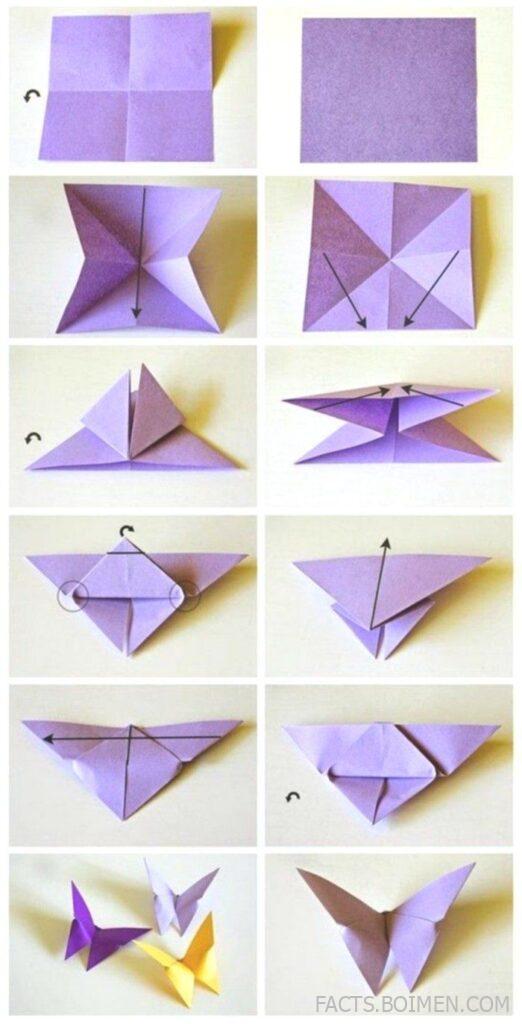
Folding an origami bird is one of those rare projects that looks impressive on a shelf but costs almost nothing to make. A single square of paper, a flat table, and ten quiet minutes are enough to turn a plain sheet into a crane, a swan, or a tiny flapping sparrow. The catch is that most people give up at the same spot: the diagrams get fuzzy right when the folds get interesting. So instead of hunting through random image dumps, this list gathers 19 places that actually show origami birds with clear, step by step instructions, from absolute beginner cranes to crease-pattern birds for experienced folders. Every entry is a real, working resource, and most of them are free.
Table of Contents(Click to Toggle)
- Why Origami Birds Are the Perfect First Fold
- 19 Origami Bird Tutorials With Step by Step Instructions
- 1. Origami.me
- 2. Origami Guide
- 3. Origami Way
- 4. Origami-Fun
- 5. Origami Instructions
- 6. Paper Kawaii
- 7. Jo Nakashima (YouTube)
- 8. Jeremy Shafer (YouTube)
- 9. Tadashi Mori (YouTube)
- 10. Happy Folding
- 11. Gilad’s Origami Page
- 12. Origami-Fun Crane Printable
- 13. Origami Resource Center
- 14. British Origami Society
- 15. Origami Spirit
- 16. Reddit r/origami
- 17. Instructables Origami Channel
- 18. Origami Plus (YouTube)
- 19. Fold with Becca (YouTube)
- Bonus Mentions
- The Quiet Joy of a Paper Bird
Why Origami Birds Are the Perfect First Fold
Birds sit at a sweet spot in paper folding. They are recognizable the moment they are finished, they use only a handful of folds, and the classic crane has been a symbol of luck and long life in Japan for centuries. That combination makes them the ideal subject for anyone learning to fold, and it also makes them forgiving: a slightly crooked wing still reads as a wing.
What separates a frustrating tutorial from a satisfying one is sequencing. Good step by step instructions show each crease from the same angle, name the fold before asking you to make it, and warn you about the tricky reverse folds before you reach them. The resources below all do that, and several add video so you can pause on the exact moment a flap gets tucked. Start with a 15 cm square of standard origami paper, press each crease with a fingernail, and you will finish your first bird in under ten minutes.
19 Origami Bird Tutorials With Step by Step Instructions
1. Origami.me : Clean photo-and-text guides that start with the crane
What it is: A long-running tutorial site with hundreds of free guides, each built as a numbered photo sequence with short written cues.
Category: Beginner-friendly diagram site
Why it stands out: Its crane page is one of the clearest on the web, and it also covers birds beyond the obvious: a flapping bird, a swan, and a simple dove. Diagrams are original photography rather than scanned book pages, so shading and crease direction are easy to read. There is no login and no paywall.
Best for: A first-time folder who wants the classic crane done right.
2. Origami Guide : Difficulty ratings on every bird model
What it is: A tutorial library organized by difficulty, animal type, and occasion, with bird models sorted from easy to advanced.
Category: Structured tutorial directory
Why it stands out: Every model carries a difficulty label and an estimated time, so you can pick a five-minute sparrow or a forty-minute eagle without guessing. The bird section includes cranes, owls, peacocks, and a hummingbird. Photos are bright and shot from a consistent overhead angle, which makes the fold lines readable.
Best for: Folders who want to match a model to the time they actually have.
3. Origami Way : Fast beginner birds with printable diagram pages
What it is: A beginner-focused site with short tutorials and printable PDF-style diagram sheets.
Category: Printable tutorial site
Why it stands out: Many pages can be printed as a single sheet, which is genuinely useful if you would rather fold away from a screen. The bird selection leans simple: a basic crane, a pigeon, and a paper bird that flaps when you pull the tail. Written steps are short enough to skim between folds.
Best for: Parents and teachers printing a class set of instructions.
4. Origami-Fun : Animated diagrams that move at your pace
What it is: A tutorial site that uses animated step diagrams rather than static photos for many models.
Category: Animated diagram site
Why it stands out: The animations show a fold in progress, which resolves the eternal confusion about which layer moves and which stays put. Its crane and flapping bird pages are particularly clear. The site also offers a small library of printable paper with grid lines, handy for models that need even divisions.
Best for: Visual learners who struggle to interpret static crease lines.
5. Origami Instructions : Traditional models with historical notes
What it is: A reference-style site covering traditional origami, including several classic birds, with background on each model.
Category: Reference and tutorial hybrid
Why it stands out: Each bird page pairs the diagram with a short note on the model’s origin or meaning, which turns a five-minute fold into a small piece of cultural context. The crane entry explains why it became a symbol of peace. Diagrams are hand-drawn but consistently labeled with arrows.
Best for: Readers who like knowing the story behind a fold.
6. Paper Kawaii : Cute birds with video and diagram pairs
What it is: A design blog by a full-time origami artist, offering tutorials with both video and written diagrams.
Category: Designer tutorial blog
Why it stands out: The bird models are charming and slightly unusual, including a paper crane bookmark and a small owl. Each tutorial pairs a video with a diagram so you can choose your format. The blog also posts free printable patterned paper, which makes finished birds look far more polished than plain white squares.
Best for: Crafters who want decorative, gift-worthy birds.
7. Jo Nakashima (YouTube) : Some of the clearest folding videos anywhere
What it is: A YouTube channel from a well-known origami designer, with hundreds of model tutorials filmed from a fixed overhead camera.
Category: Video tutorial channel
Why it stands out: The framing never moves, the hands stay out of the way, and each step is shown at a steady pace with on-screen text naming the fold. His bird models range from a simple crane to a detailed phoenix. Videos are long enough to follow but edited tightly, with no filler.
Best for: Anyone who learns faster by watching hands than reading diagrams.
8. Jeremy Shafer (YouTube) : Birds that flap, hop, and surprise
What it is: A channel devoted to playful, often kinetic origami, including birds that move when you pull a tail or squeeze a body.
Category: Action-origami video channel
Why it stands out: If a plain crane feels static, his flapping bird and hopping bird models add a mechanical twist that delights kids and adults alike. He explains the reasoning behind tricky folds rather than just demonstrating them, which builds real skill. Expect longer videos and a few genuinely hard steps.
Best for: Folders who want a bird with a party trick.
9. Tadashi Mori (YouTube) : Calm, precise lessons for intermediate folders
What it is: A tutorial channel with a large library of animal models, filmed with clear lighting and steady pacing.
Category: Video tutorial channel
Why it stands out: The bird tutorials sit in the intermediate range, which makes this a good next stop once a crane feels easy. He often folds with larger paper to make each crease visible, then notes how the model changes at a smaller size. Narration is minimal but the visual clarity is excellent.
Best for: Folders ready to move past beginner models.
10. Happy Folding : A searchable database of origami books and diagrams
What it is: A reference site that catalogs origami books, diagrams, and crease patterns, with reviews and model indexes.
Category: Origami reference database
Why it stands out: When a bird model exists only in a printed book, this is where you find out which book and whether it is still in print. The database is searchable by model name, so typing a bird species shows every known diagram source. It also explains crease-pattern notation for advanced folders.
Best for: Collectors tracking down a specific bird diagram.
11. Gilad’s Origami Page : A gallery and book guide in one
What it is: A personal reference site with photo galleries of folded models, book reviews, and creator indexes.
Category: Gallery and review site
Why it stands out: The bird galleries show what a finished model should actually look like, which is surprisingly hard to find elsewhere. Book reviews are honest about difficulty, so you know before buying whether a bird model suits your level. The site has been maintained for decades and reads like a knowledgeable friend’s notebook.
Best for: Choosing which origami book to buy next.
12. Origami-Fun Crane Printable : A single-page crane reference
What it is: A dedicated crane tutorial page with a printable diagram and a short animated walkthrough.
Category: Single-model reference page
Why it stands out: Sometimes you do not want a whole site, just one reliable crane diagram you can print and keep on the table. This page delivers exactly that, with the traditional crane broken into clearly numbered steps and a note on the reverse fold that trips up most beginners. It is a good companion to any video tutorial.
Best for: Keeping a printed crane diagram beside your paper stack.
13. Origami Resource Center : Diagrams, history, and teaching notes
What it is: A broad educational site covering diagrams, paper types, folding terms, and the history of the craft.
Category: Educational resource site
Why it stands out: Its glossary explains terms like “valley fold” and “petal fold” in plain language, which makes every other tutorial on this list easier to follow. The bird section includes traditional models plus notes on how to teach them to groups. It is one of the few sites that treats origami as a subject worth explaining, not just demonstrating.
Best for: Building vocabulary before tackling harder birds.
14. British Origami Society : A community archive with decades of diagrams
What it is: The website of a long-established origami society, with member galleries, event listings, and archived diagrams.
Category: Society and archive
Why it stands out: The society has been publishing diagrams for over fifty years, and its archive includes bird models you will not find on modern tutorial sites. It also runs in-person and online folding sessions, which is a real option if you want feedback on a tricky model. Membership unlocks the full diagram library.
Best for: Folders who want community and rare diagrams.
15. Origami Spirit : Thoughtful tutorials with teaching tips
What it is: A blog by an experienced origami teacher, offering tutorials plus advice on how to teach folding to others.
Category: Teaching-focused tutorial blog
Why it stands out: Each bird tutorial includes notes on where students typically get stuck and how to phrase the instruction so it clicks. That makes it unusually useful if you plan to fold with kids or a class. The photography is warm and well lit, and the site covers a range of birds from simple to moderately complex.
Best for: Teachers, parents, and workshop leaders.
16. Reddit r/origami : Real-time help when a fold goes wrong
What it is: An active community forum where folders post photos, ask questions, and share diagrams.
Category: Community forum
Why it stands out: When a crane collapses at step nine, you can post a photo and usually get a diagnosis within an hour. The community is welcoming to beginners and quick to recommend a specific tutorial when someone asks for a bird model. There are also regular folding challenges that push you past the models you already know.
Best for: Troubleshooting a fold in real time.
17. Instructables Origami Channel : Step-by-step projects with photos at every stage
What it is: A large project-sharing site with an origami section where makers post photo-by-photo instructions.
Category: Community project platform
Why it stands out: The best origami entries here photograph every single fold, not just the major ones, which suits anyone who needs to see the in-between states. Bird projects range from a simple paper crane to decorative hanging birds for a nursery. Comments often contain extra tips from people who folded the same model.
Best for: Learners who want a photo for every step, no gaps.
18. Origami Plus (YouTube) : Short, no-narration folding videos
What it is: A channel of concise tutorials, many under ten minutes, filmed from a fixed angle without spoken narration.
Category: Short-form video channel
Why it stands out: The lack of narration is a feature, not a flaw: you can play music or fold in a quiet room and still follow along from the on-screen step markers. Bird models here are mostly beginner and intermediate, including a simple swan and a small standing bird. Videos are easy to rewatch at half speed.
Best for: Quiet, distraction-free folding sessions.
19. Fold with Becca (YouTube) : Gentle beginner walkthroughs
What it is: A smaller tutorial channel aimed squarely at beginners, with slow, friendly walkthroughs of simple models.
Category: Beginner video channel
Why it stands out: The pacing is deliberately slow and the host repeats each fold from a second angle when it looks confusing, which is exactly what a first-timer needs. The bird selection stays simple and achievable, so you finish a model rather than abandoning it. A good confidence-builder before moving to the bigger channels on this list.
Best for: Absolute beginners who want a patient guide.
Bonus Mentions
Origami Shop : Specialty paper in every size and pattern
What it is: A dedicated retailer for origami paper, books, and tools.
Category: Supply shop
Why it stands out: Once you move past standard squares, foil paper and double-sided sheets change how a bird looks and folds. This shop stocks sizes from tiny to oversized, plus crease tools.
Best for: Upgrading your paper once the folds click.
Origami Artist : Diagrams for unusual and complex birds
What it is: A site sharing diagrams for less common models, including advanced birds.
Category: Advanced diagram site
Why it stands out: When you have folded every beginner crane on the internet, this is where the interesting crease patterns live. Expect wet-folding notes and multi-hour models.
Best for: Experienced folders chasing a challenge.
Pinterest Origami Boards : Visual idea boards for bird projects
What it is: A visual discovery platform where folders pin tutorials and finished models.
Category: Inspiration platform
Why it stands out: Useful for seeing a finished bird before committing to a long tutorial, and for finding color and paper pairings you would not think of yourself. Always click through to the original source for the actual steps.
Best for: Planning a themed set of paper birds.
Origami Birds Collection : A single hub for traditional bird models
What it is: A category page gathering traditional bird diagrams in one place.
Category: Themed diagram hub
Why it stands out: Instead of searching site by site, this page lines up crane, flapping bird, and swan diagrams together, which makes it easy to fold a small flock in one sitting.
Best for: Folding several bird models back to back.
The Quiet Joy of a Paper Bird
What makes these resources worth bookmarking is not the number of models they offer but the care in their sequencing. A good origami bird tutorial anticipates the moment you will get confused and shows that step twice. Start with the crane, accept that your first one will look slightly rumpled, and fold it again the next day. The second attempt is always dramatically better, and by the third you will be able to fold it from memory while talking to someone.
From there, the list opens up: flapping birds for kids, swans for table settings, and crease-pattern birds for the evenings when you want a real puzzle. Paper is cheap, the table is already there, and the only real requirement is a little patience with the reverse fold.
Which origami bird did you fold first, and which tutorial finally made it click for you? Share your favorite find in the comments.