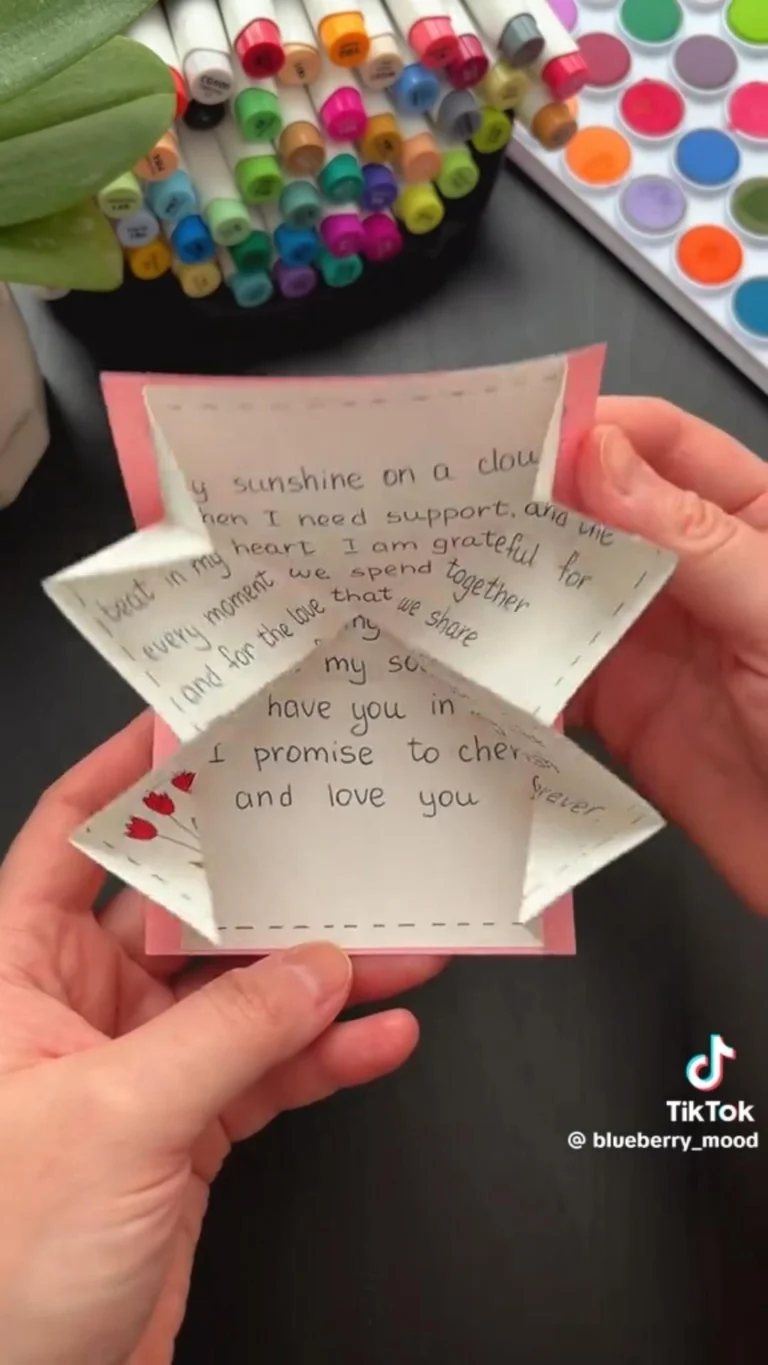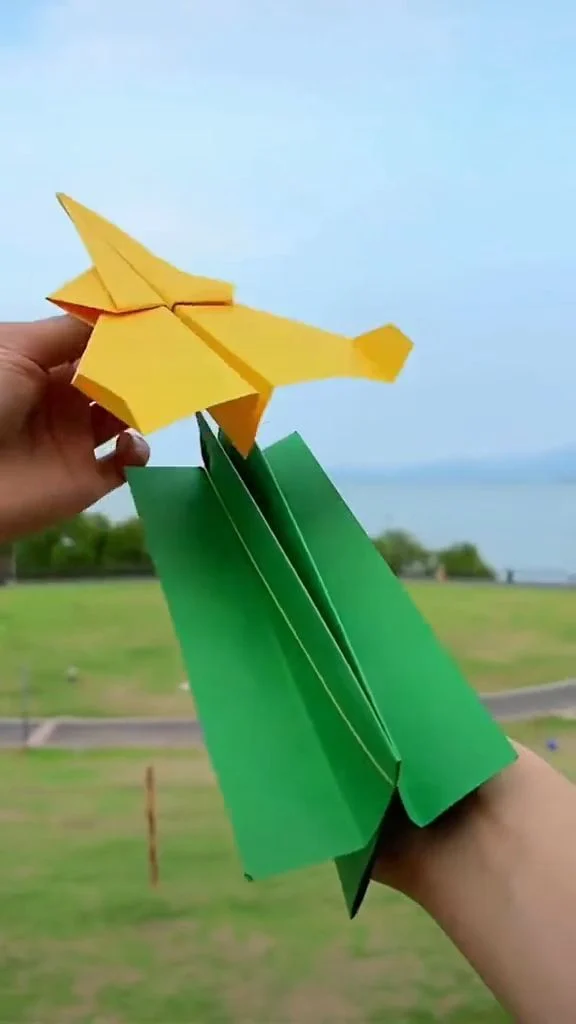
There is a particular kind of satisfaction that comes from folding, cutting, and taping a flat sheet of paper into something that rolls across the table. Paper cars are one of the oldest handmade toys in the world, and they remain one of the best: cheap, fast, and endlessly rebuildable. Whether you are making them with a child on a rainy afternoon, testing a rubber-band axle for the first time, or looking for a screen-free hobby that fits in a single afternoon, the projects below cover the whole spectrum. Every entry is a real, free resource you can open right now — many with printable templates, video walkthroughs, and step-by-step diagrams.
Table of Contents(Click to Toggle)
- Why Paper Cars Beat Store-Bought Toys
- 17 Handmade Paper Car Projects and Resources
- 1. pearl3699 on TikTok
- 2. Papercraft Square
- 3. Instructables Papercraft Channel
- 4. Canon Creative Park
- 5. Yamaha Paper Crafts
- 6. Brother Creative Center
- 7. NASA Paper Models
- 8. Paper Replika
- 9. Creative Park by Canon (3D Vehicles)
- 10. Origami.me
- 11. Papertoys.com
- 12. Instructables Wheels and Axles
- 13. Pinterest Paper Toy Boards
- 14. YouTube Paper Car Tutorials
- 15. Crayola Craft Ideas
- 16. Papermau
- 17. The Toymaker
- Bonus Mentions
- The Internet’s Best-Kept Paper Toy Secrets
Why Paper Cars Beat Store-Bought Toys
A paper car costs almost nothing, takes twenty minutes to build, and can be rebuilt from scratch when it gets crushed. That is a radically different value proposition from a plastic toy that breaks once and goes in the bin. Handmade paper toys also teach the mechanics of a real vehicle — chassis, axle, wheel, bearing — in a way a child can hold in their hands. Parents report that the build itself holds attention far longer than the finished object, which is the opposite of how most toys work. And because templates are free and printable at home, the only limit is how many sheets of cardstock you have in the drawer.
The resources below range from a single viral video to full printable template libraries with hundreds of designs. Start with whichever matches the age and patience level in your house.
17 Handmade Paper Car Projects and Resources
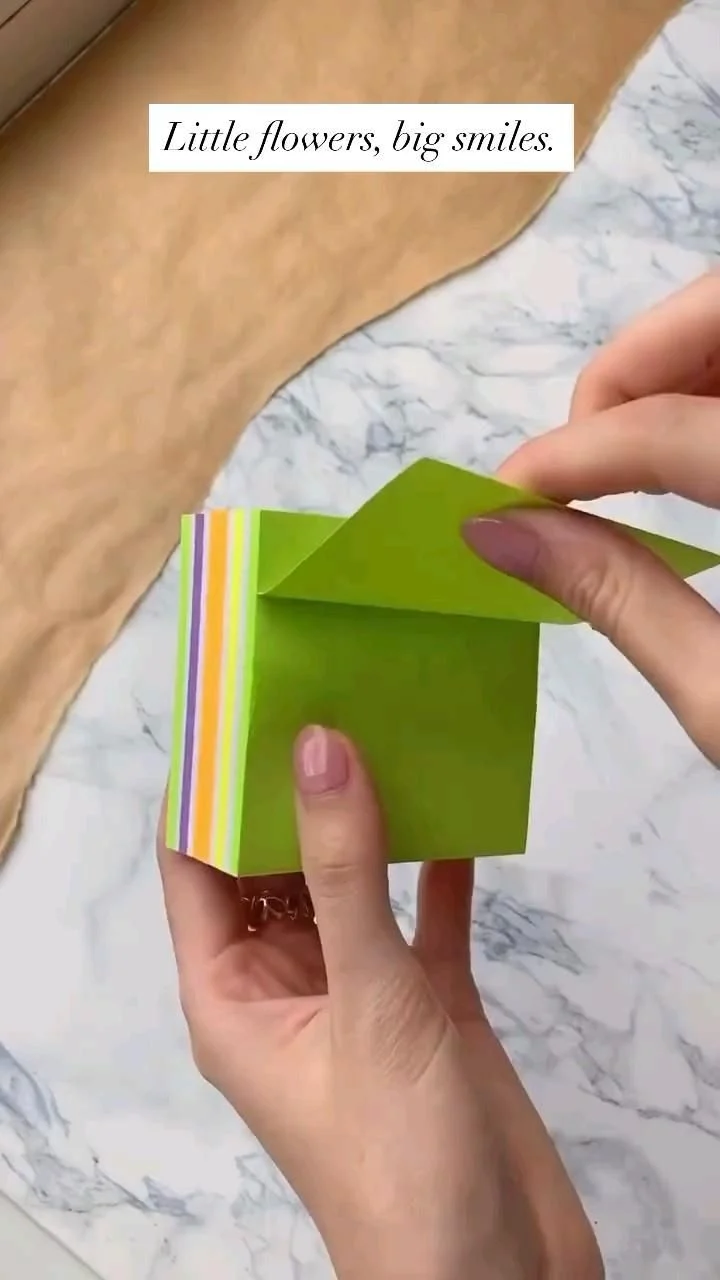
1. pearl3699 on TikTok : The viral handmade paper car demo that started it all
What it is: A TikTok creator whose short videos walk through folding and assembling small paper vehicles, often with a rolling wheel mechanism built from folded tabs and a straw axle.
Category: Video tutorial channel
Why it stands out: The format is the appeal — each clip is under a minute, filmed close-up with hands in frame, so you can pause and copy the fold exactly. There is no long preamble, no supply list to buy, just paper, scissors, and tape. It is the fastest way to see whether the hobby clicks before committing to a full template library.
Best for: Absolute beginners and anyone who learns better by watching than by reading diagrams.
2. Papercraft Square : A deep archive of free printable vehicle templates
What it is: A long-running papercraft site with a searchable catalogue of downloadable PDF templates, including cars, trucks, and racing models in several difficulty tiers.
Category: Printable template library
Why it stands out: Templates are graded by complexity, so you can start with a simple boxy car and work up to a model with a curved windscreen and separate wheel assemblies. Files are usually print-ready A4 and include assembly diagrams with numbered tabs. The site design is dated, but the archive is genuinely large.
Best for: Crafters who want a proper printed template rather than freehand folding.
3. Instructables Papercraft Channel : Community-built step-by-steps with photos at every stage
What it is: The paper craft section of Instructables, where hobbyists publish full build logs for paper vehicles, rubber-band cars, and cardboard-paper hybrids.
Category: Community project hub
Why it stands out: Because these are user-submitted, you get the honest version — including the step where the author’s first attempt failed and what they changed. Many projects include a materials list with exact paper weights (typically 160–220 gsm cardstock for the body, plain paper for the wheels). Comments often contain useful fixes from other builders.
Best for: Tweens and teens ready to follow a multi-step written guide independently.
4. Canon Creative Park : Free, beautifully designed printables from a printer manufacturer
What it is: Canon’s official free papercraft library, with hundreds of downloadable designs across animals, buildings, and vehicles.
Category: Printable template library
Why it stands out: The design quality is a step above most free archives — clean lines, accurate colour registration, and instructions that assume no prior experience. Everything is free with no account required. The trade-off is a vehicle selection that leans toward classic and vintage cars rather than modern supercars.
Best for: Families who want a polished result on the first try.
5. Yamaha Paper Crafts : Real vehicle blueprints turned into paper models
What it is: Yamaha’s official papercraft collection, offering downloadable models of motorcycles, cars, and even musical instruments.
Category: Brand template archive
Why it stands out: These models are derived from actual product designs, so the proportions are accurate and the finished piece looks like a scale model rather than a craft project. The difficulty is higher than average — expect small parts and precise folds. A genuinely unusual free resource that most crafters have never opened.
Best for: Detail-oriented builders who want a display piece, not a toy to play with.
6. Brother Creative Center : Print-and-fold templates with a clean, modern interface
What it is: Brother’s free creative template hub, including paper toy vehicles, cards, and 3D foldables.
Category: Printable template library
Why it stands out: The browsing experience is far nicer than most free craft sites — filter by occasion, theme, or complexity, then download a print-ready PDF in one click. Templates are designed for standard home printers, so no special paper is strictly required, though heavier stock holds shape better.
Best for: Quick afternoon projects where you want to browse and print in under five minutes.
7. NASA Paper Models : Spacecraft and rovers you can build from a single sheet
What it is: NASA’s free collection of printable paper models, including rovers, landers, and launch vehicles.
Category: Educational template archive
Why it stands out: Not cars in the traditional sense, but the same skills — scoring, folding, tab-and-slot assembly — applied to machines with real engineering behind them. Each model ships with a short factual description, which quietly turns the craft session into a science lesson. Free, public-domain, and printable at home.
Best for: Kids who are more interested in how things work than in how they look.
8. Paper Replika : Hundreds of free vehicle templates with difficulty ratings
What it is: A large independent papercraft archive with a dedicated vehicle section covering cars, trucks, and construction equipment.
Category: Printable template library
Why it stands out: Each listing shows a photo of the finished model alongside the download, so you know exactly what you are committing to before you print. Difficulty is rated from easy to hard, and there are genuinely simple options for younger children. Downloads are direct, with no sign-up wall.
Best for: Mixed-age groups where one child needs an easy build and another wants a challenge.
9. Canon Creative Park Vehicles : The vehicle-specific corner of a huge free archive
What it is: The filtered vehicle category of Canon’s papercraft library, gathering cars, buses, and race models in one place.
Category: Curated template collection
Why it stands out: Filtering to vehicles saves the endless scrolling that makes big archives frustrating. Models here tend to include moving parts — opening doors, rotating wheels — which lifts them above static display pieces. Print at 100% scale, not “fit to page,” or the tabs will not line up.
Best for: Builders who want a car with at least one working mechanism.
10. Origami.me : Diagram-based folding with no scissors required
What it is: A clean origami instruction site with clear step diagrams, including simple vehicle shapes.
Category: Folding instruction site
Why it stands out: Origami cars use a single square of paper and no glue, tape, or cutting — which makes them the safest option for very young children and the most portable for car trips. The diagrams are unusually legible, with each fold shown in a distinct colour. The results are stylised rather than realistic, which is part of the charm.
Best for: Preschoolers, travel activities, and anyone without scissors on hand.
11. Papertoys.com : A sprawling directory of free paper toy links
What it is: An old-school link directory pointing to free paper toy templates across the web, organised by category.
Category: Link directory
Why it stands out: It is a genuine rabbit hole — dozens of external sources you would never find by searching, many from small personal sites that have been quietly online for fifteen years. Some links have rotted, which is part of the archaeology, but the hit rate is still high enough to justify an hour of browsing.
Best for: Explorers who enjoy discovering obscure corners of the web.
12. Instructables Paper Car Search : Rubber-band and balloon-powered builds that actually move
What it is: A filtered search on Instructables for paper car projects, heavy on powered and rolling designs.
Category: Project search hub
Why it stands out: This is where paper cars stop being models and start being machines. Expect builds using rubber bands, balloons, and even small motors, with axles made from skewers or straws and wheels cut from cardstock discs. The physics is real: wheel diameter and axle friction genuinely change how far the car travels, which makes it a superb informal science project.
Best for: Kids aged eight and up, and parents who like a build that ends in a race.
13. Pinterest Paper Car Boards : Visual inspiration and printable roundups in one feed
What it is: Pinterest’s paper car template results, a constantly refreshed visual index of builds, printables, and finished photos.
Category: Visual discovery board
Why it stands out: Because it is image-first, you can judge a project by its finished result before clicking through. Boards often bundle ten or twenty templates into a single saveable collection, which is ideal for planning a party activity or a classroom session. Quality varies wildly, so treat it as a starting point rather than a source.
Best for: Planning a group craft session or gathering ideas before committing.
14. YouTube Paper Car Tutorials : Long-form builds you can follow in real time
What it is: YouTube’s paper car tutorial results, ranging from one-minute shorts to twenty-minute narrated builds.
Category: Video tutorial platform
Why it stands out: Video removes the single biggest barrier in papercraft — misreading a fold diagram. Watching a hand score a crease or align a tab teaches more in five seconds than a diagram does in five minutes. Playback speed controls let you slow a tricky section to half speed, and comments frequently flag which steps trip people up.
Best for: Visual learners and anyone who has given up on a printed diagram mid-build.
15. Crayola Craft Ideas : Kid-tested projects with household supplies
What it is: Crayola’s free craft idea library, including paper vehicles and simple rolling toys designed for young children.
Category: Kids’ craft resource
Why it stands out: Every project is written for a parent or teacher supervising, with age guidance and a clear supply list limited to things most households already own. Instructions are short and forgiving, which matters when the builder is five. The focus is on the process rather than a perfect finished model.
Best for: Parents and teachers running craft time with young children.
16. Papermau : A veteran papercraft blog with a huge free back catalogue
What it is: A long-running papercraft blog publishing free templates, including vehicles, buildings, and character models.
Category: Independent template blog
Why it stands out: Years of regular posting have built an archive that is genuinely hard to exhaust. The aesthetic leans toward detailed, slightly retro models, and each post includes a finished photo plus a direct download. Because it is a solo-run blog, the curation has personality — you can tell what the author actually likes.
Best for: Crafters who want volume and variety from a single trusted source.
17. The Toymaker : Charming vintage-style paper toys with moving parts
What it is: A classic free paper toy site offering downloadable designs with simple mechanical elements.
Category: Independent paper toy archive
Why it stands out: The illustration style is distinctive — warm, hand-drawn, and unlike anything generated by a modern template library. Several designs incorporate tabs and slots that let parts move, which turns a flat print into something interactive. It is a genuine piece of early-web craft culture that is still standing.
Best for: Anyone who values character and charm over photorealism.
Bonus Mentions
Origami Instructions : Simple folding guides for the very youngest builders
First Palette : Printable vehicle crafts with templates and clear photos
DLTK’s Crafts for Kids : Transportation-themed paper crafts for classrooms
Activity Village : Printable transport templates for group activities
The Internet’s Best-Kept Paper Toy Secrets
What makes this corner of the web worth bookmarking is that almost none of it is commercial. A printer manufacturer, a motorcycle company, a space agency, and a handful of hobbyists who have been posting templates since the early 2000s are all quietly giving away designs that would cost real money in a craft shop. The viral clips are the doorway; the archives are the reason to stay.
Start with one build. Print on heavier paper than you think you need, score every fold before creasing it, and accept that the first attempt will be slightly crooked. The second one will not be. And if a wheel falls off, that is not a failure — it is the beginning of the part where you figure out why.
Which free paper toy site did you end up trying first — and did you find one that deserves a spot on this list?