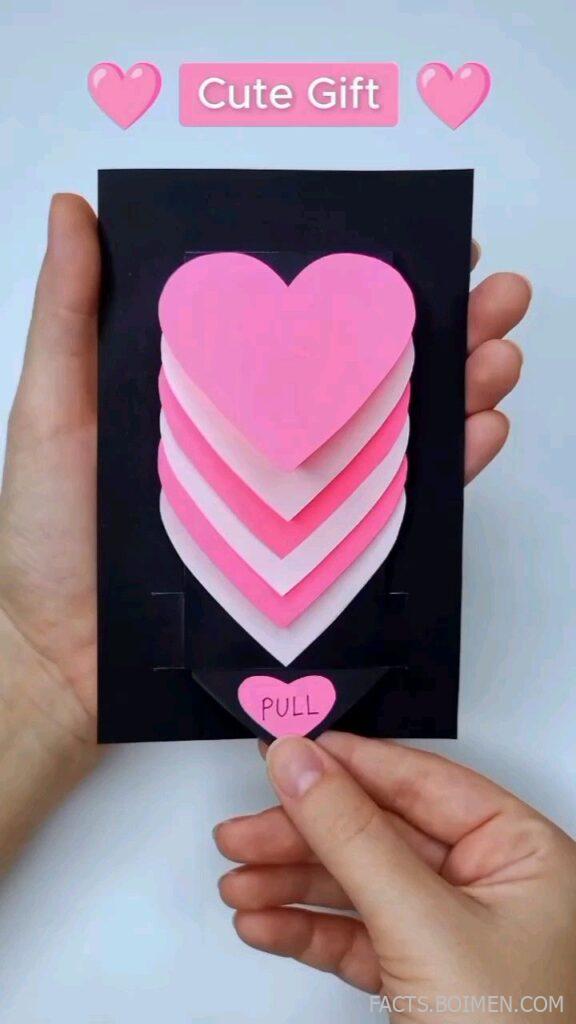
Paper is the most forgiving craft material on earth. It costs almost nothing, it never expires, and a single sheet can be folded, curled, quilled, punched, or layered into something that looks like it came from a boutique. The catch is knowing where to start. Search “paper craft” and you get a flood of fifteen-minute clips that assume you already own a die-cutting machine and a drawer of specialty tools.
This list is the opposite. Every project below can be started with paper, scissors, and glue you probably already have, and each one has a clear first step you can finish in an afternoon. I have also included the real limitations of each technique, because knowing where a project gets fiddly is what keeps beginners from quitting at step four. Whether you want a handmade card for someone’s birthday or a paper flower bouquet that survives a whole season on the mantel, there is a project here sized for your patience level.
Table of Contents(Click to Toggle)
Why Paper Craft Is the Smartest Hobby to Start This Year
Most crafts have a startup tax. Resin needs molds, ventilation, and a tolerance for sticky mistakes. Candle making needs a thermometer and a dedicated pot. Paper craft asks for almost nothing, which means the only real investment is your attention. That low barrier is exactly why it is such a good first hobby: you can test five different techniques in a month and discover which one actually holds your interest before spending a dollar on supplies.
There is a second reason paper deserves a closer look. The finished objects look expensive. A quilled monogram on a plain card reads as custom stationery. A folded book sculpture reads as gallery decor. Paper takes texture, ink, and shadow beautifully, so the gap between “I made this” and “I bought this” is surprisingly small. And because paper is recyclable and cheap, experimenting is low-stakes. If a project fails, you have lost a sheet, not a paycheck.
Finally, paper craft scales with you. The same skill that makes a simple greeting card can be pushed into framed wall art, gift toppers, and seasonal decorations. Start small, keep the scraps, and let one project lead naturally into the next.
15 Beginner-Friendly Paper Craft Projects
1. Paper Quilling : Roll thin strips into elegant swirls and monograms
What it is: Quilling, also called paper filigree, is the art of rolling narrow strips of paper into coils, then pinching and gluing those coils into shapes.
Category: Fine paper art
Why it stands out:
- Tools are minimal: a slotted quilling needle, glue, and pre-cut strips.
- Coils are forgiving; imperfect circles still read as intentional design.
- A single greeting card can be finished in about an hour.
Best for: Crafters who like detail work and want a project that fits on a lap tray.
2. Origami : Fold a single square into animals, boxes, and flowers
What it is: Origami is the Japanese practice of folding flat squares into three-dimensional figures without cutting or glue.
Category: Paper folding
Why it stands out:
- Zero supplies beyond a square of paper, which makes it the cheapest craft on this list.
- Hundreds of free diagrams exist, graded from absolute beginner upward.
- The main limitation is crease accuracy; thin, crisp paper matters more than expensive paper.
Best for: Anyone who wants a quiet, screen-free hobby they can do anywhere.
3. Scrapbooking : Turn loose photos and ticket stubs into a keepsake album
What it is: Scrapbooking layers photographs, journaling, and decorative paper into bound memory pages.
Category: Memory keeping
Why it stands out:
- It doubles as a reason to finally organize your phone photos.
- Acid-free paper and adhesive are the only must-haves; everything else is optional.
- Watch the thickness: bulky embellishments can strain page protectors.
Best for: Sentimental crafters who want a project with personal meaning.
4. Paper Flowers : Build bouquets that never wilt
What it is: Paper flowers are cut, shaped, and layered petals assembled into realistic or stylized blooms.
Category: Decorative paper craft
Why it stands out:
- Crepe and tissue paper give soft, lifelike curves with just your fingers.
- Finished bouquets work as party decor, gifts, and photo backdrops.
- The fiddly part is petal shaping; a simple ball tool helps enormously.
Best for: Crafters who want decor they can reuse for years.
5. Card Making : Design custom greeting cards for every occasion
What it is: Card making combines folded cardstock, stamped or printed sentiments, and layered embellishments.
Category: Paper stationery
Why it stands out:
- Cards are small, so a beginner can finish one in twenty minutes.
- Scraps from other paper projects get used instead of thrown away.
- Ink smudging is the classic beginner trap; stamp on scrap first.
Best for: People who like making gifts that are actually used.
6. Paper Cutting and Silhouettes : Carve intricate scenes with a craft knife
What it is: Paper cutting uses a sharp blade to remove negative space, leaving a delicate silhouette or scene.
Category: Paper cutting art
Why it stands out:
- Framed cut paper looks like professional wall art.
- Start with bold, simple shapes before attempting lace-like detail.
- Blade sharpness is everything; replace it the moment cuts start tearing.
Best for: Patient crafters who enjoy precision and quiet focus.
7. Book Folding Art : Fold old books into words and shapes
What it is: Book folding means marking and folding the pages of a hardcover book to reveal a pattern or word in the page edges.
Category: Upcycled paper craft
Why it stands out:
- Thrift-store books keep the cost near zero.
- Free pattern generators calculate the fold marks for you.
- It is slow going; a detailed pattern can take several evenings.
Best for: Crafters who love upcycling and meditative repetition.
8. Paper Mache : Shape bowls, masks, and piñatas from paste and strips
What it is: Paper mache builds layers of torn paper and paste over a form, then dries into a hard shell.
Category: Sculptural paper craft
Why it stands out:
- Newspaper and flour paste make this nearly free.
- Finished pieces can be sanded and painted like solid objects.
- Drying takes a full day or more, so plan around the wait.
Best for: Families and makers who like getting their hands messy.
9. Iris Folding : Create hypnotic spiral patterns from folded strips
What it is: Iris folding arranges folded strips of paper in a spiral behind a cut aperture, mimicking the iris of a camera.
Category: Paper folding technique
Why it stands out:
- Looks intricate but follows a numbered pattern step by step.
- Great way to use up narrow paper scraps and washi tape.
- The pattern must stay aligned; tape each strip as you go.
Best for: Beginners who want a wow-factor card with a structured method.
10. Paper Beads : Roll magazine pages into wearable jewelry
What it is: Paper beads are tightly rolled triangles of paper, sealed and strung into necklaces and bracelets.
Category: Paper jewelry
Why it stands out:
- Magazine pages and junk mail become colorful, one-of-a-kind beads.
- A sealing coat of varnish or Mod Podge makes them water-resistant.
- Rolling evenly takes practice; a skewer keeps the hole straight.
Best for: Crafters who want a portable project with a wearable result.
11. Tea Bag Folding : Fold tiny medallions into delicate rosettes
What it is: Tea bag folding uses small squares of patterned paper, folded identically and interlocked into circular medallions.
Category: Paper folding technique
Why it stands out:
- Projects are tiny, so they finish fast and use leftover paper.
- Medallions make beautiful card toppers and gift tags.
- Consistency matters more than speed; fold all tiles before assembling.
Best for: Detail-oriented crafters who like small, repeatable steps.
12. Paper Weaving : Interlace colored strips into mats and art
What it is: Paper weaving crosses horizontal strips over and under vertical ones to build a flat patterned sheet.
Category: Paper craft basics
Why it stands out:
- It is the fastest technique here; a small mat takes minutes.
- Contrasting colors create bold, graphic results instantly.
- Loose strips can shift, so glue the edges as you finish.
Best for: Kids, classrooms, and anyone easing into paper craft.
13. Kirigami : Cut and fold paper into pop-up structures
What it is: Kirigami is the variation of origami that allows cutting, producing pop-ups and three-dimensional cards.
Category: Paper folding and cutting
Why it stands out:
- Pop-up cards surprise people in a way flat cards cannot.
- Simple V-fold and box mechanisms are genuinely beginner-friendly.
- Measurements must be precise; a ruler and bone folder help.
Best for: Crafters who want a playful, interactive result.
14. Decoupage : Transform boxes and trays with layered paper
What it is: Decoupage glues cut paper motifs onto a surface, then seals them under multiple varnish layers.
Category: Paper decor craft
Why it stands out:
- It upgrades cheap wooden boxes and glass jars into gifts.
- Napkins and wrapping paper work as well as specialty decoupage sheets.
- Bubbles under the paper are the common flaw; smooth outward from the center.
Best for: Crafters who like decorating useful objects.
15. Paper Punch Art : Build pictures from shaped paper punches
What it is: Paper punch art assembles basic punched shapes into animals, characters, and scenes.
Category: Paper crafting tools
Why it stands out:
- A few circle and oval punches unlock hundreds of designs.
- Precision is built in, so shapes come out clean every time.
- Punches are the one real tool investment; start with two or three sizes.
Best for: Crafters who want polished results without freehand cutting.
Bonus Mentions
Paper Craft Kits : All-in-one starter sets for absolute beginners
What it is: Preassembled kits bundle paper, templates, and instructions for one specific project.
Category: Beginner supplies
Why it stands out: No guesswork about materials, though kits cost more per project than buying paper in bulk.
Best for: Gift-givers and first-timers who want a guided start.
Cardstock and Specialty Paper : The foundation of every project here
What it is: Weighted cardstock, vellum, and patterned paper sold in single sheets or pads.
Category: Core material
Why it stands out: Paper weight changes everything; 65 lb cardstock folds cleanly while thinner paper curls.
Best for: Stocking a basic paper stash before your first project.
Bone Folders and Craft Knives : Small tools that sharpen every crease and cut
What it is: A bone folder presses crisp creases; a craft knife handles detailed cuts.
Category: Paper crafting tools
Why it stands out: These two tools improve almost every technique on this list for under a few dollars each.
Best for: Crafters ready to move past scissors-only projects.
Acid-Free Adhesives : Keep scrapbooks and cards from yellowing
What it is: Adhesives and tapes formulated to stay stable over decades.
Category: Paper crafting supplies
Why it stands out: Essential for photos and keepsakes, though it costs slightly more than standard glue.
Best for: Memory keepers and anyone gifting long-term projects.
Paper Craft Communities : Free patterns, feedback, and inspiration
What it is: Online forums and groups where paper crafters share templates and troubleshoot projects.
Category: Learning resource
Why it stands out: Members often share free pattern files and answer questions within hours.
Best for: Beginners who want help choosing their next project.
The Paper Craft Shortlist Worth Pinning First
The best paper craft for you is the one you can start tonight with what is already in your drawer. If you want a fast win, paper weaving or a simple origami model takes minutes. If you want something you will still be proud of next year, quilling, book folding, and paper flowers reward the extra patience. The materials are cheap enough that trying two or three techniques costs less than a single takeout dinner.
Start with one project, finish it, and keep the scraps. Almost every technique here feeds the next one, and the leftover strips from a card project become quilling coils or woven mats. That is the quiet advantage of paper craft: nothing is wasted, and every small project builds a skill you can show off.
Which paper craft are you trying first, and what did you make with it?