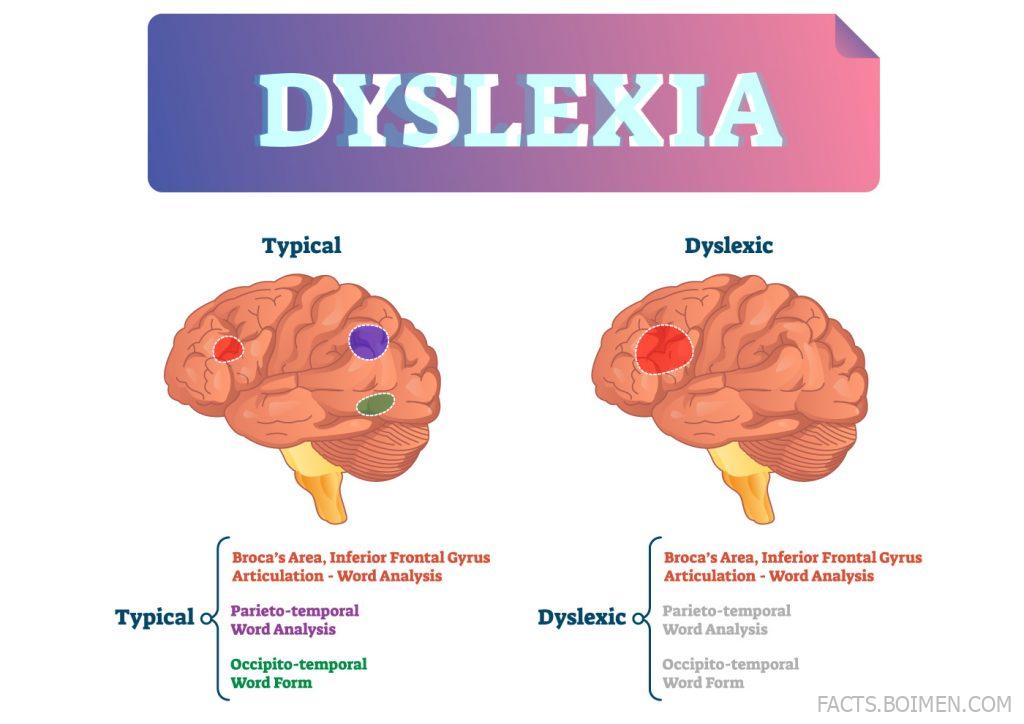

Ever wondered what it’s like to read with dyslexia? These 16 websites and tools simulate the experience, offering empathy and insight for educators, designers, and the curious.
Table of Contents(Click to Toggle)
- Why Simulate Dyslexia?
- 1. Dyslexia Simulator
- 2. Sim Dyslexia
- 3. OpenDyslexic
- 4. See Dyslexia
- 5. Dyslexia Friendly Style Guide
- 6. Victor Widell’s Simulator
- 7. Dyslexia The Game
- 8. Dyslexia Reader
- 9. Dyslexia Font Simulator
- 10. Dyslexia Typography
- 11. Dyslexia Experience
- 12. Dyslexia Sim
- 13. Dyslexia Chrome Extension
- 14. Dyslexia Reading Tool
- 15. Dyslexia Visual Simulator
- 16. Dyslexia App Simulator
- Bonus Mentions
- The Empathy Gap: What Simulators Teach Us
Why Simulate Dyslexia?
Dyslexia affects 1 in 5 people, yet most of us have no idea what reading with it feels like. These simulators bridge that gap, offering a glimpse into the visual and cognitive challenges. Whether you’re a teacher designing lessons, a developer building accessible sites, or just curious, these tools turn empathy into action.
1. Dyslexia Simulator : Interactive Reading Distortion Experience
What it is: A web-based tool that lets you paste any text and see it with simulated dyslexia effects like letter swapping and mirroring.
Category: Web tool
Why it stands out: You can customize the severity and types of distortions, making it a flexible teaching aid.
- Real-time text transformation
- Adjustable intensity
- No sign-up required
Best for: Educators demonstrating dyslexia to students.
2. Sim Dyslexia : Quick Browser-Based Simulation
What it is: A simple page that randomly jumbles letters in a sample paragraph, mimicking common reading errors.
Category: Web tool
Why it stands out: It includes a side-by-side comparison with normal text, highlighting the contrast.
- Instant simulation
- Visual comparison
- Mobile-friendly
Best for: Quick demos during presentations.
3. OpenDyslexic : The Font That Reduces Reading Errors
What it is: A free, open-source font designed with weighted bottoms to prevent letter flipping.
Category: Font/Resource
Why it stands out: While not a simulator, it shows how design can mitigate dyslexia symptoms, and you can test your own text.
- Downloadable font
- Browser extensions available
- Research-backed design
Best for: Designers seeking dyslexia-friendly typography.
4. See Dyslexia : Visual Story of Reading Struggles
What it is: An interactive narrative that simulates the experience of reading with dyslexia through animated text.
Category: Interactive story
Why it stands out: It’s emotionally engaging, making it effective for awareness campaigns.
- Animated distortions
- Story-driven approach
- Shareable
Best for: Raising empathy in general audiences.
5. Dyslexia Friendly Style Guide : Design Principles for Accessibility
What it is: A guide from the British Dyslexia Association offering layout and typography tips.
Category: Resource
Why it stands out: It includes a simulation tool to preview how different fonts affect readability.
- Practical guidelines
- Simulation preview
- Professional source
Best for: Web designers and content creators.
6. Victor Widell’s Simulator : The Original Letter Jumbler
What it is: A widely shared simulator that swaps letters in a fixed paragraph to mimic dyslexia.
Category: Web tool
Why it stands out: It’s one of the first simulators to go viral, and it’s simple and effective.
- Classic simulation
- No distractions
- Simple interface
Best for: Historical context and quick understanding.
7. Dyslexia The Game : Gamified Reading Challenge
What it is: A browser game that challenges you to read distorted words under time pressure.
Category: Game
Why it stands out: It adds a fun element, making it appealing for younger audiences.
- Timed challenges
- Score tracking
- Educational
Best for: Students and teens learning about dyslexia.
8. Dyslexia Reader : Chrome Extension for Real-World Simulation
What it is: A browser extension that applies dyslexia-like distortions to any webpage you visit.
Category: Browser extension
Why it stands out: It lets you experience reading on actual websites, from news to social media.
- Works on any site
- Customizable effects
- Free to install
Best for: Understanding the daily web experience of someone with dyslexia.
9. Dyslexia Font Simulator : Test Different Fonts Side-by-Side
What it is: A tool that lets you input text and view it in various fonts, including dyslexia-friendly ones, with a toggle to simulate distortions.
Category: Web tool
Why it stands out: It helps you see how font choice impacts readability for dyslexic users.
- Multiple font options
- Simulation toggle
- Comparison mode
Best for: Typography enthusiasts and UX designers.
10. Dyslexia Typography : Showcase of Accessible Typefaces
What it is: A site that displays various fonts designed for dyslexia, with sample text and downloadable files.
Category: Resource
Why it stands out: It includes a simulation of how each font reduces distortion.
- Curated font list
- Simulation feature
- Free downloads
Best for: Designers seeking dyslexia-friendly fonts.
11. Dyslexia Experience : Immersive VR-Like Simulation
What it is: A web experience that uses movement and visual effects to simulate the cognitive load of dyslexia.
Category: Interactive experience
Why it stands out: It goes beyond letter swapping, incorporating motion and attention difficulties.
- Multi-sensory simulation
- High engagement
- Unique approach
Best for: Those seeking a deeper understanding.
12. Dyslexia Sim : Minimalist Text Distorter
What it is: A no-frills tool that jumbles letters in a sentence you provide.
Category: Web tool
Why it stands out: Its simplicity makes it accessible on low-end devices.
- Lightweight
- No ads
- Instant results
Best for: Quick personal experiments.
13. Dyslexia Chrome Extension : Simulate Any Article
What it is: A Chrome extension that adds a dyslexia simulation mode to your browser, letting you toggle it on any page.
Category: Browser extension
Why it stands out: It’s convenient for testing your own content or reading others’ with simulated dyslexia.
- Easy toggle
- Works offline
- Privacy-friendly
Best for: Bloggers and content creators.
14. Dyslexia Reading Tool : Customizable Simulation for Research
What it is: An advanced simulator that allows researchers to adjust specific parameters like letter spacing and contrast.
Category: Research tool
Why it stands out: It’s designed for experiments, with exportable results.
- Fine-grained controls
- Data export
- Academic credibility
Best for: Psychology and linguistics researchers.
15. Dyslexia Visual Simulator : See the Visual Stress
What it is: A tool that simulates visual stress and crowding, common co-occurring issues with dyslexia.
Category: Web tool
Why it stands out: It focuses on the visual discomfort aspect, often overlooked.
- Simulates blur and movement
- Adjustable filters
- Educational content
Best for: Optometrists and special education teachers.
16. Dyslexia App Simulator : Mobile Simulation on the Go
What it is: An Android app that brings dyslexia simulation to your phone, with multiple modes.
Category: Mobile app
Why it stands out: It’s portable and includes a quiz to test your understanding.
- Multiple simulation modes
- Quiz feature
- Offline access
Best for: Students and parents on the go.
Bonus Mentions
Dyslexia Simulator App : iOS Version
An iOS app similar to the Android one, with a clean interface and daily reading challenges.
Dyslexia Browser Game : Quick Web Game
A fast-paced game that tests your ability to read under simulated dyslexia conditions.
Dyslexia Widget : Embeddable Simulator
A widget you can embed on your own site to let visitors experience dyslexia.
The Empathy Gap: What Simulators Teach Us
These tools do more than just simulate; they build empathy. Designers who try them often rethink their layouts, and teachers use them to foster understanding. The next time you see a poorly designed website, imagine reading it with dyslexia—then check out these simulators to truly get it. Which simulator gave you the most insight? Share your favorite in the comments below.