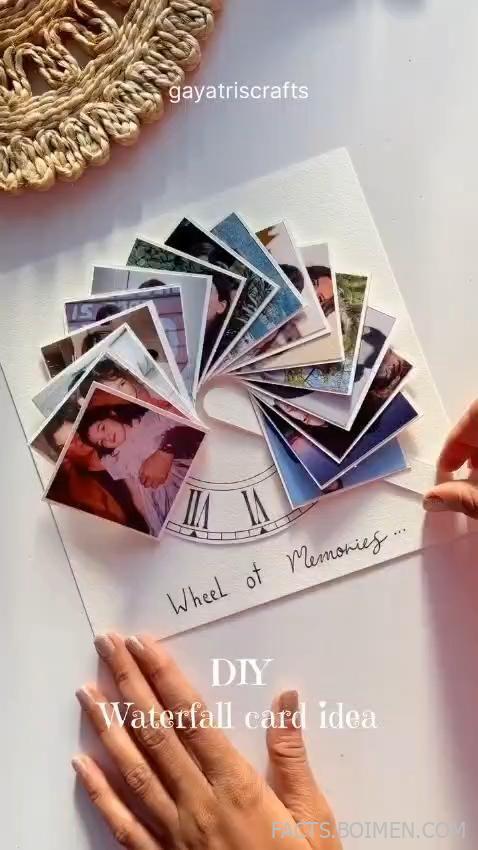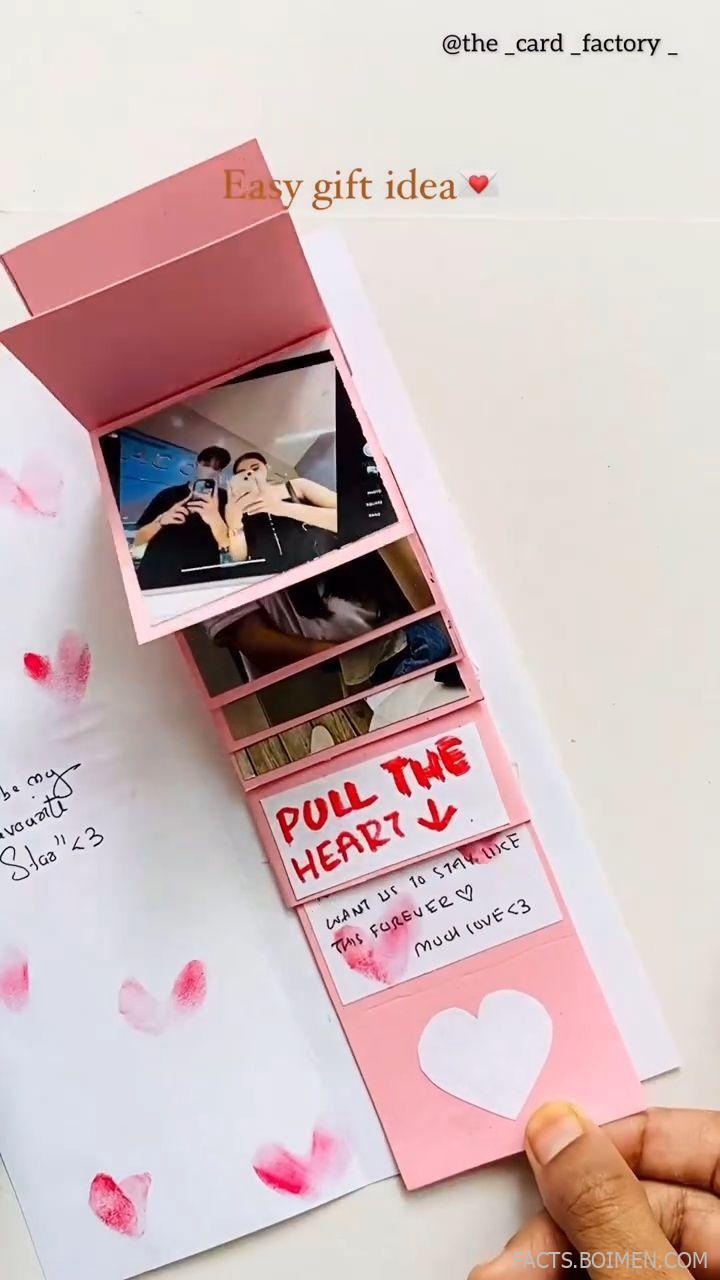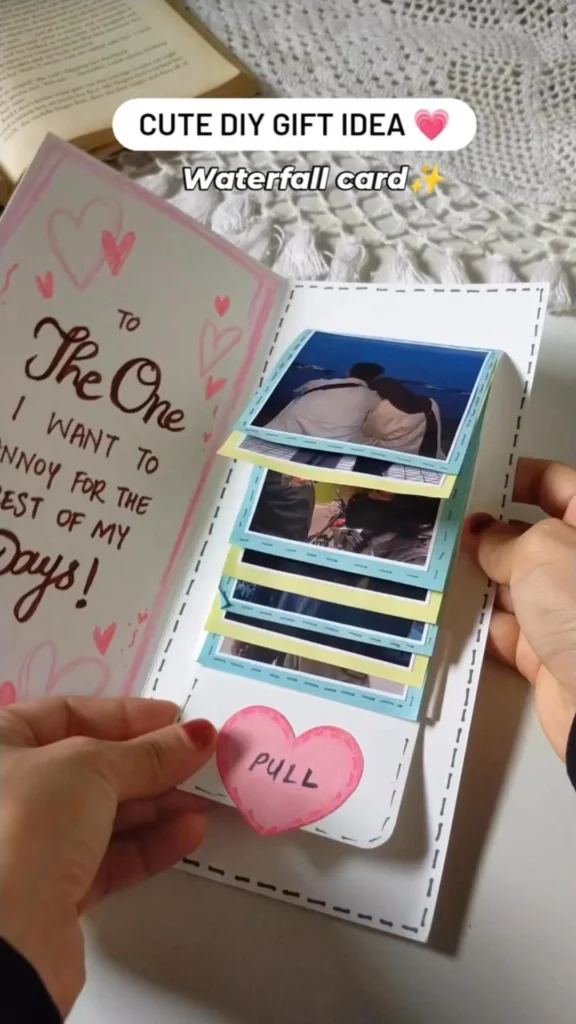
A waterfall card is one of those rare handmade gifts that looks far more complicated than it actually is. You pull a tab, and a cascade of little panels flips down one after another, each hiding a message, a photo, or a tiny drawing. The format has been quietly circulating on Pinterest and craft forums for years, but most people who see it assume it requires a design degree. It doesn’t. What it requires is a good tutorial, the right paper, and a few clever templates that do the measuring for you.
Below are sixteen genuinely useful resources for making a waterfall card gift — from printable templates and pull-tab mechanisms to the paper stock and folding tools that keep the panels sliding smoothly instead of jamming. Every entry links to a real, working site you can open today.
Table of Contents(Click to Toggle)
- Why a Waterfall Card Is the DIY Gift People Actually Keep
- 16 Resources for Making a Cute Waterfall Card Gift
- 1. Creative Park by Canon
- 2. Splitcoaststampers
- 3. Jennifer McGuire Ink
- 4. SVG Cuts
- 5. Dreaming Tree
- 6. Cricut Design Space
- 7. Silhouette Studio
- 8. Paper Source
- 9. Scrapbook.com
- 10. Ranger Ink
- 11. Simon Says Stamp
- 12. Lawn Fawn
- 13. Altenew
- 14. Craftsy / Bluprint Archive
- 15. Instructables
- 16. Pinterest
- Bonus: Bone Folder Basics
- Bonus: Washi Tape Sourcing
- Bonus: Hand Lettering Practice
- The Best-Kept Secrets in Paper Crafting (So Far)
Why a Waterfall Card Is the DIY Gift People Actually Keep
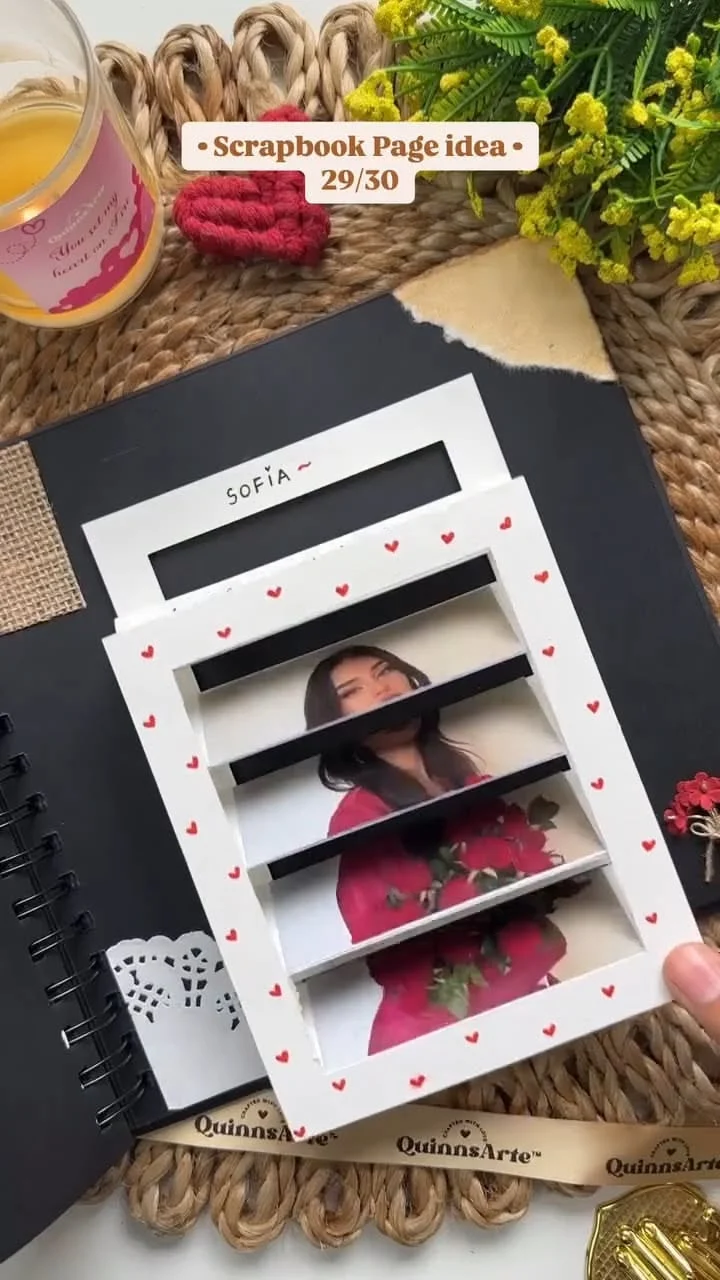
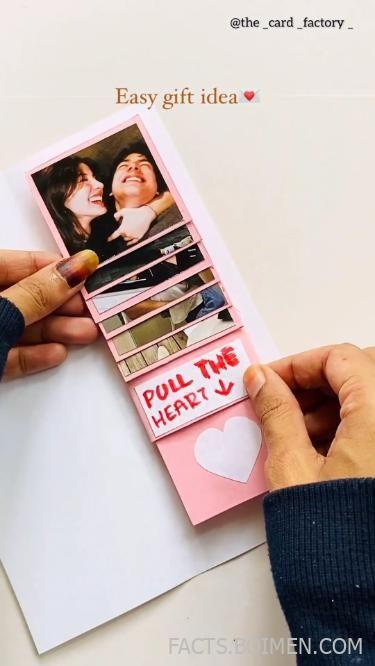
Most homemade gifts get a polite smile and a shelf. A waterfall card gets pulled open again and again, because it’s a small mechanical toy disguised as a greeting. The mechanism is simple: a sliding strip with scored tabs pulls a stack of panels down in sequence, revealing each one for a second before the next flips over. That tiny bit of motion is why the format keeps resurfacing on Pinterest and in card-making communities.
The practical appeal is that it scales. You can make one in twenty minutes with cardstock and a ruler, or spend an evening layering patterned paper, stamped sentiments, and a photo strip. It works as a birthday card, an anniversary keepsake, a thank-you note, or a gift tag attached to something bigger. And crucially, it’s forgiving — a slightly crooked panel still slides fine, which is more than you can say for most paper engineering.
What follows are the resources that make the process smoother: template libraries, video tutorials, cutting files, and paper suppliers that stock the weights you actually need.
16 Resources for Making a Cute Waterfall Card Gift
1. Creative Park by Canon : Free printable paper craft templates, including mechanism cards
What it is: Canon’s free paper craft library, with hundreds of downloadable PDF templates for cards, boxes, and moving-paper projects.
Category: Printable template library
Why it stands out: Everything is free and print-ready, with clear cut and fold lines already marked. The site skews toward cute animals and seasonal designs, which suits a sweet gift card perfectly. You’ll need your own cardstock and a printer, and the templates are fixed rather than editable.
Best for: Beginners who want a template to print and cut without measuring anything.
2. Splitcoaststampers : A deep forum archive of card-making tutorials and photo guides
What it is: One of the oldest stamping and card-making communities online, with a large tutorial index and an active forum.
Category: Community and tutorial archive
Why it stands out: The waterfall card tutorial here walks through scoring measurements step by step with photos, and the forum threads answer the fiddly questions — how wide the sliding strip should be, how much slack the tabs need. The design is dated, but the information is solid and free.
Best for: Crafters who learn better from written steps and photos than from video.
3. Jennifer McGuire Ink : Video tutorials that make interactive cards look easy
What it is: A long-running card-making blog and YouTube channel focused on techniques and interactive card mechanisms.
Category: Video tutorial blog
Why it stands out: The videos are calm, well-lit, and filmed close enough that you can actually see where the score lines go. Interactive mechanisms are a recurring topic, and the explanations of why a pull tab sticks or slides are genuinely instructive. No paywall, though the supply links are affiliate-based.
Best for: Visual learners who want to watch the whole build before starting.
4. SVG Cuts : Cut files for intricate card layers and pull mechanisms
What it is: A shop and freebie library of SVG cut files designed for electronic cutting machines.
Category: Digital cut files
Why it stands out: If you own a Cricut or Silhouette, the layered card files here save hours of hand-cutting, and the site regularly releases free files alongside paid bundles. The designs lean toward detailed, dimensional cards rather than flat panels. You do need a cutting machine to use them.
Best for: Crafters with a cutting machine who want precise, repeatable panels.
5. Dreaming Tree : Free 3D paper craft files with assembly videos
What it is: A paper craft site offering free SVG files for boxes, cards, and dimensional projects, each paired with a video assembly guide.
Category: Free cut files with tutorials
Why it stands out: The free file library is unusually generous, and every project comes with a walkthrough video so you’re not guessing at fold order. The style is polished and gift-ready. Registration is required to download, and the catalogue favors 3D structures over flat cards.
Best for: Makers who want a gift box to pair with the card.
6. Cricut Design Space : Design and cut custom panels from your own artwork
What it is: Cricut’s free design software, used to prepare and cut shapes on Cricut machines.
Category: Design and cutting software
Why it stands out: You can import a photo, trace it, and cut it into a waterfall panel — which turns the card into a personal keepsake rather than a generic design. The free tier covers basic shapes and text. It’s tied to Cricut hardware, so it’s not useful without a machine.
Best for: Personalizing panels with names, dates, or a photo silhouette.
7. Silhouette Studio : Precise software for cutting and scoring card mechanisms
What it is: The design software for Silhouette cutting machines, with a free basic edition.
Category: Design and cutting software
Why it stands out: Silhouette machines can score as well as cut, which matters enormously for a waterfall card — clean score lines are what make the panels flip instead of crease. The free edition handles basic design work; advanced features require an upgrade. Steeper learning curve than Cricut’s.
Best for: Crafters who want machine-scored fold lines for a smoother pull.
8. Paper Source : Quality cardstock and envelopes in every color
What it is: A paper and stationery retailer with a large range of cardstock weights, colors, and matching envelopes.
Category: Paper and supply retailer
Why it stands out: Waterfall cards need paper stiff enough to hold a score but thin enough to slide, and the 80 lb and 110 lb cardstocks here hit that range. The color range makes coordinating panels simple, and envelopes are sized to match. Prices are higher than big-box craft stores.
Best for: Buying matched cardstock and envelopes in one order.
9. Scrapbook.com : A mega-store for cardstock, adhesives, and tools
What it is: A large online retailer for scrapbooking and card-making supplies, with a substantial free ideas section.
Category: Supply retailer with tutorials
Why it stands out: The product range covers the unglamorous essentials — double-sided tape, foam dots, bone folders — that actually determine whether a pull tab works. The project gallery is searchable by technique. Shipping thresholds and frequent sales make it worth comparing against Paper Source before ordering.
Best for: One-stop shopping for adhesives and small tools.
10. Ranger Ink : Inks and embossing powders for detailed panel decoration
What it is: A manufacturer of stamping inks, embossing powders, and mixed-media supplies.
Category: Ink and embellishment brand
Why it stands out: The Distress line is the workhorse here — dye inks that blend and stamp cleanly on cardstock, plus embossing powders that add texture without bulk. Bulk matters on a waterfall card: thick embellishments catch on the sliding strip. The site is product-focused, so pair it with a tutorial.
Best for: Adding stamped detail that stays flat enough to slide.
11. Simon Says Stamp : Stamps and dies for small, precise sentiments
What it is: A card-making retailer with its own line of stamps, dies, and monthly card kits.
Category: Stamp and die retailer
Why it stands out: Waterfall panels are small, so tiny sentiment stamps and matching dies are exactly what you need — and this is where the selection is deepest. The Wednesday challenge blog is also a steady source of technique ideas. International shipping can be slow.
Best for: Finding small-scale stamps that fit narrow panels.
12. Lawn Fawn : Cute, coordinated stamps and dies for playful cards
What it is: A small stamp and die company known for whimsical, illustration-style designs.
Category: Stamp and die brand
Why it stands out: The house style — friendly animals, tiny scenes, hand-lettered sentiments — is tailor-made for a cute gift card, and the sets are designed to mix so panels can build a mini story as they flip. Prices are mid-range and releases sell out quickly.
Best for: Making the reveal sequence tell a tiny illustrated story.
13. Altenew : Layered floral stamps for elegant, grown-up panels
What it is: A stamp and die brand specializing in multi-layer floral designs and coordinating inks.
Category: Stamp and die brand
Why it stands out: If the recipient isn’t a cartoon-animal person, the layered florals here give a waterfall card a more refined look, and the ink cube sets are designed to layer in register. The layering takes practice — expect a couple of test stamps before committing to a panel.
Best for: Anniversary and wedding cards with a more elegant feel.
14. Craftsy : Structured classes on paper crafting fundamentals
What it is: An online learning platform with video classes across craft disciplines, including paper and card making.
Category: Online course platform
Why it stands out: Free tutorials teach you one card; a class teaches you the underlying mechanics — scoring, grain direction, adhesion — that let you design your own mechanism afterward. Some content requires a subscription, and the paper-craft catalogue is smaller than the quilting or knitting sections.
Best for: Anyone who wants to design a custom card instead of following a template.
15. Instructables : Step-by-step photo guides from hobbyists worldwide
What it is: A community platform where makers publish step-by-step project instructions with photos.
Category: Community project library
Why it stands out: The paper craft section includes waterfall cards made from cheap materials — cereal-box chipboard, printer paper, glue sticks — which is a useful proof that the mechanism doesn’t need premium supplies. Quality varies wildly between authors, so read the comments before starting.
Best for: Testing the mechanism with supplies you already own.
16. Pinterest : Visual search for waterfall card variations and color schemes
What it is: A visual discovery platform where crafters pin finished projects and tutorials.
Category: Visual inspiration and discovery
Why it stands out: Search “waterfall card” and you’ll get hundreds of finished examples showing color combinations, panel counts, and pull-tab styles you wouldn’t have thought of. It’s the fastest way to settle on a look before you cut anything. The catch is that pins often link to dead blogs, so verify the source.
Best for: Choosing a color palette and layout before you start cutting.
Bonus: Blick Art Materials : Bone folders and scoring tools that make folds crisp
What it is: An art supply retailer stocking bone folders, scoring boards, and precision knives.
Category: Tool retailer
Why it stands out: A bone folder costs a few dollars and is the single biggest upgrade to any card mechanism — it compresses a score line so the paper folds flat instead of cracking.
Best for: Anyone whose panels keep jamming.
Bonus: Etsy : Handmade waterfall cards if you’d rather buy than make
What it is: A marketplace for handmade and vintage goods.
Category: Handmade marketplace
Why it stands out: Searching “waterfall card” surfaces sellers who build them to order with custom messages, which is a sensible fallback if the DIY version stalls.
Best for: Last-minute gifts with personalization.
Bonus: YouTube : Real-time build videos for troubleshooting
What it is: The largest video platform, with an extensive paper-craft tutorial community.
Category: Video platform
Why it stands out: Watching someone assemble the mechanism in real time reveals the small things — how much adhesive, how much slack — that written instructions skip.
Best for: Fixing a tab that won’t pull cleanly.
The Best-Kept Secrets in Paper Crafting (So Far)
The waterfall card has stayed quietly popular for a simple reason: it delivers a disproportionate reaction for the effort involved. A sheet of cardstock, a ruler, a craft knife, and twenty minutes gets you something that feels engineered. The resources above split into three useful groups — templates that remove the measuring, tutorials that explain the mechanics, and suppliers that stock the paper and adhesives that make the slide smooth. Start with a template, make one rough version with cheap paper, then commit to the good cardstock once you understand how much slack the tabs need.
The one upgrade worth making early is a bone folder. It’s cheap, it’s unglamorous, and it’s the difference between a card that flips and one that crumples. After that, the personal touches — a photo on the final panel, a handwritten line, a color that matches the recipient’s kitchen — do the rest of the work.
What’s the best handmade gift you’ve ever received — and did it involve any moving parts?