Have you ever wondered what it’s like to read with dyslexia? These 21 websites and tools let you experience dyslexia firsthand, offering simulations, fonts, and resources that build empathy and understanding. Whether you’re a designer, educator, or just curious, these hidden gems provide eye-opening perspectives.
Table of Contents(Click to Toggle)
- Why Simulate Dyslexia?
- 21 Websites That Simulate Dyslexia Reading
- 1. Dyslexia Simulation
- 2. Victor Widell’s Dyslexia Simulator
- 3. Dyslexia the Gift
- 4. British Dyslexia Association
- 5. Understood.org
- 6. OpenDyslexic
- 7. Dyslexia Simulation App
- 8. Fonts.com – Dyslexia Fonts
- 9. Dyslexia Scotland
- 10. The Dyslexia Association
- 11. Dyslexia Help
- 12. Made by Dyslexia
- 13. Dyslexia Canada
- 14. Learning Ally
- 15. Eye to Eye
- 16. Dyslexia International
- 17. Dyslexia Association of Singapore
- 18. Dyslexia Foundation of New Zealand
- 19. Dyslexia Awareness
- 20. Dyslexia Road
- 21. Dyslexia Unpuzzled
- Bonus Mentions
- Empathy Through Experience
Why Simulate Dyslexia?
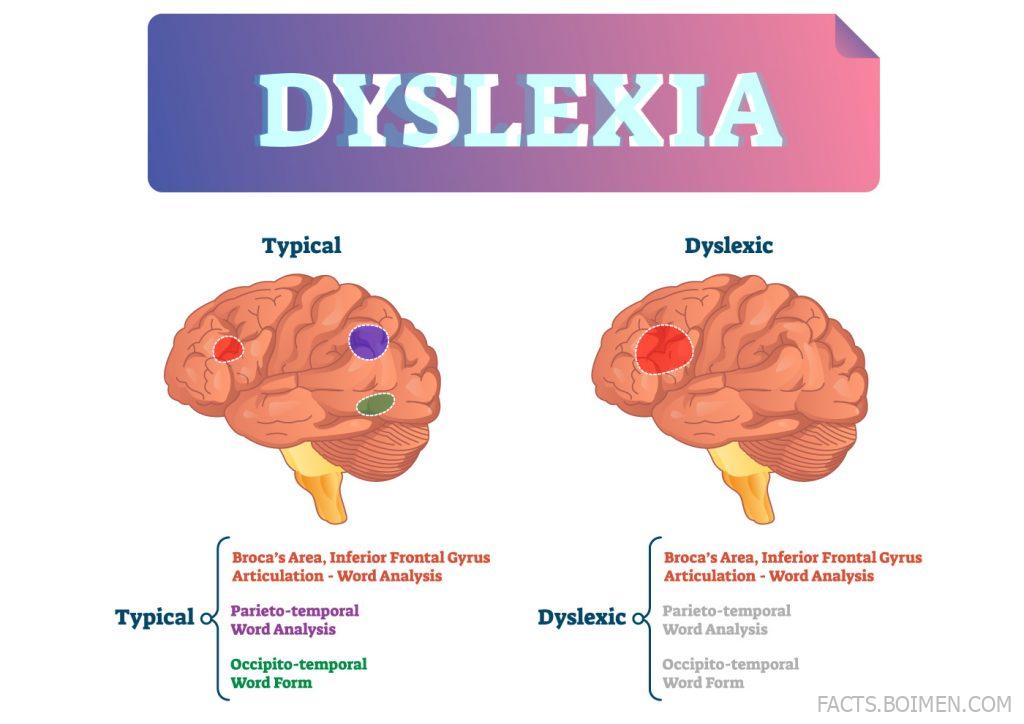
Dyslexia affects about 1 in 5 people, yet its daily challenges are often invisible. Simulations give you a glimpse into the visual and cognitive distortions that make reading a struggle. By experiencing these tools, you gain empathy, improve design accessibility, and better support those with dyslexia. Each website below offers a unique way to understand this condition.
1. Dyslexia Simulation : A Direct Visual Simulation
What it is: A web-based tool that mimics the visual distortions of dyslexia by scrambling letters and words on a page.
Category: Simulation
Why it stands out: It uses real paragraphs of text and lets you adjust the intensity of the distortion, giving you a realistic sense of how letters can appear to move or blur.
Best for: Quick, impactful demonstrations for classrooms or workshops.
2. Victor Widell’s Dyslexia Simulator : Interactive Letter Shuffling
What it is: A popular simulator that displays text with letters swapped, mimicking the reading errors common in dyslexia.
Category: Simulation
Why it stands out: It includes a slider to control the percentage of letters that are jumbled, allowing you to see how even mild distortion affects reading speed.
Best for: Understanding the specific visual processing differences.
3. Dyslexia the Gift : Strengths-Based Resources
What it is: A comprehensive site offering articles, forums, and a simulation tool that highlights the creative strengths of dyslexic thinkers.
Category: Resource Hub
Why it stands out: It balances the challenges with the positive traits, providing a holistic view that many simulations miss.
Best for: Parents and educators seeking a positive perspective.
4. British Dyslexia Association : Professional Guidance and Simulation
What it is: A leading charity site that includes a dyslexia simulation and practical advice for workplaces and schools.
Category: Nonprofit / Resource
Why it stands out: Their simulation is part of a larger toolkit that includes legal rights and accommodations, making it a go-to for professional development.
Best for: HR professionals and teachers.
5. Understood.org : Interactive Simulations for Parents
What it is: A resource for learning and thinking differences, featuring a dyslexia simulation and a wealth of articles.
Category: Educational Resource
Why it stands out: The simulation is embedded in a parent-friendly context, with testimonials and strategies for supporting children.
Best for: Parents looking for practical help.
6. OpenDyslexic : A Font That Eases Reading
What it is: A free, open-source font designed to reduce reading errors by giving letters a unique weighted bottom.
Category: Font / Tool
Why it stands out: It’s not a simulation but a real solution; you can install it and see how it changes text perception, and it’s available for many apps.
Best for: Dyslexic readers and designers creating accessible content.
7. Dyslexia Simulation App : On-the-Go Experience
What it is: A mobile app that offers a simulation of dyslexia through interactive reading exercises.
Category: Mobile App
Why it stands out: It’s portable, making it easy to demonstrate dyslexia in any setting, and it includes a quiz to test your comprehension.
Best for: Individuals who want a quick demo on their phone.
8. Fonts.com – Dyslexia Fonts : Commercial Typefaces for Accessibility
What it is: A font marketplace that sells dyslexia-friendly fonts like Dyslexie and Lexie Readable.
Category: Font Marketplace
Why it stands out: While not a simulation, it provides tools to improve readability and features sample texts to compare with standard fonts.
Best for: Publishers and app developers.
9. Dyslexia Scotland : Community and Simulation
What it is: A Scottish charity site with a simulation tool and support networks.
Category: Nonprofit / Resource
Why it stands out: It offers a local perspective with access to local events and support groups.
Best for: Scots and those interested in regional approaches.
10. The Dyslexia Association : Practical Simulation for Adults
What it is: A UK-based association providing a simulation that focuses on workplace scenarios.
Category: Nonprofit / Resource
Why it stands out: It includes examples of emails and reports as they might appear, which is great for corporate training.
Best for: Employers and managers.
11. Dyslexia Help : University of Michigan’s Resource
What it is: An academic resource with a simulation module and research-based articles.
Category: Educational Resource
Why it stands out: It’s backed by research and includes strategies for parents and teachers, plus a simulation that is quite realistic.
Best for: Students and researchers.
12. Made by Dyslexia : Global Movement
What it is: A nonprofit that focuses on the strengths of dyslexia, offering a simulation as part of its awareness campaigns.
Category: Nonprofit / Awareness
Why it stands out: It has celebrity endorsements and corporate partnerships, making it a high-profile resource.
Best for: Advocacy and awareness events.
13. Dyslexia Canada : Canadian Perspective
What it is: A national charity with a simulation and policy advocacy.
Category: Nonprofit / Resource
Why it stands out: It offers a Canadian lens, including provincial resources and a simulation that reflects common experiences.
Best for: Canadians and those interested in policy.
14. Learning Ally : Audiobook Solutions
What it is: A nonprofit providing audiobooks for dyslexic readers, with a simulation to show the need.
Category: Nonprofit / Audiobooks
Why it stands out: It highlights how audio can bypass reading difficulties, and their simulation is paired with testimonials.
Best for: Struggling readers and educators.
15. Eye to Eye : Mentorship and Simulation
What it is: An organization that pairs dyslexic students with mentors, offering a simulation to build empathy.
Category: Nonprofit / Mentorship
Why it stands out: It’s youth-focused and includes activities that simulate dyslexia in a group setting.
Best for: Schools and youth groups.
16. Dyslexia International : Global Resources
What it is: A UNESCO-affiliated organization with a simulation and international research.
Category: Nonprofit / Global
Why it stands out: It provides a global perspective and is available in multiple languages.
Best for: International readers.
17. Dyslexia Association of Singapore : Asian Context
What it is: A leading Asian organization with a simulation and specialized programs.
Category: Nonprofit / Resource
Why it stands out: It addresses the unique challenges of multilingual dyslexia, including Chinese and Malay.
Best for: Families in Asia.
18. Dyslexia Foundation of New Zealand : Down Under Perspective
What it is: A foundation with a simulation and local support services.
Category: Nonprofit / Resource
Why it stands out: It includes a Māori perspective and is tailored to the NZ education system.
Best for: New Zealanders.
19. Dyslexia Awareness : Simple Simulation for Beginners
What it is: A straightforward simulation with minimal distractions, ideal for first-timers.
Category: Simulation
Why it stands out: It’s clean and simple, making it easy to focus on the text distortion without extra features.
Best for: Quick demonstrations.
20. Dyslexia Road : Personal Stories and Simulation
What it is: A blog with a simulation section and personal accounts of living with dyslexia.
Category: Blog / Resource
Why it stands out: It combines simulation with real-life stories, giving an emotional dimension.
Best for: Empathy building.
21. Dyslexia Unpuzzled : Comprehensive Toolkit
What it is: A site offering a simulation, printable resources, and a community forum.
Category: Resource Hub
Why it stands out: It includes a unique puzzle-based simulation that shows the cognitive load, not just visual.
Best for: Interactive learning.
Bonus Mentions
Dyslexie Font : The Original Dyslexia Font
What it is: The famous font created by Christian Boer, available for free for personal use.
Category: Font / Tool
Why it stands out: It’s the most recognized dyslexia-friendly font and includes a sample text to test its effect.
Best for: Personalizing your device.
See-N-Read : Reading Tools for Dyslexia
What it is: A tool that uses a color overlay and text windows to help focus on lines.
Category: Assistive Tool
Why it stands out: It’s a physical product that can be used on paper or screens, offering a different approach.
Best for: Readers who prefer tactile aids.
Reading Rockets : Educational Resources
What it is: A national multimedia project offering articles, videos, and simulations for educators.
Category: Educational Resource
Why it stands out: It’s funded by the U.S. Department of Education and provides research-based strategies.
Best for: Teachers.
Empathy Through Experience
These 21 websites and tools offer more than just a simulation—they open a window into the daily reality of millions. Whether you’re an educator, designer, or simply curious, exploring these can transform the way you create content and support others. The best part? Many are free and take just minutes to try. Have you found another simulation that changed your perspective? Share it in the comments below!