Imagine opening a webpage and the letters start to dance, swap places, and blur together. That’s the daily reality for millions with dyslexia. But a new wave of websites lets you step into their shoes—experiencing the frustration, the cognitive load, and the unique visual distortions firsthand. These aren’t just empathy tools; they’re powerful educational resources, design guides, and eye-openers for anyone who takes reading for granted. Dive into our curated list of 18 websites that simulate dyslexia, offering a profound glimpse into a different way of processing text.
Table of Contents(Click to Toggle)
- Why Dyslexia Simulations Matter
- Websites That Simulate Dyslexia Experience
- 1. Victor Widell’s Dyslexia Simulation
- 2. Dyslexia Simulation by WebAIM
- 3. British Dyslexia Association’s Simulation
- 4. Dyslexia the Gift’s Simulation
- 5. Understood.org’s Dyslexia Simulator
- 6. Dyslexia Simulation by MyBrain
- 7. The Dyslexia Simulator by Dyslexia UK
- 8. Dyslexia Simulation Tool by Learning Success
- 9. Dyslexia Simulator by Dyslexia Association of Singapore
- 10. Simulation of Dyslexia by Dyslexia Friendly
- 11. Dyslexia Simulator by Neurolearning
- 12. Dyslexia Simulation by Lexercise
- 13. Dyslexia Simulator by Dyslexia Help
- 14. Real Dyslexia Simulation by Dyslexia Connect
- 15. Dyslexia Simulation by Dyslexia Institute
- 16. Dyslexia Simulator by Dyslexia Online
- 17. Dyslexia Simulation by Dyslexia Research
- 18. Dyslexia Simulator by Dyslexia World
- Bonus Mentions
- The Power of Perspective
Why Dyslexia Simulations Matter
Dyslexia affects about 1 in 5 people, yet it remains widely misunderstood. Simulations bridge the empathy gap by letting you experience the visual and cognitive challenges of dyslexia. This isn’t about gimmicks—it’s about fostering understanding, improving accessibility in design, and showing educators what struggling readers actually see. These tools are invaluable for parents, teachers, designers, and anyone who wants to make the digital world more inclusive. By walking a mile in a dyslexic reader’s shoes, you’ll never look at text the same way again.
Websites That Simulate Dyslexia Experience
1. Victor Widell’s Dyslexia Simulation : A Quick Interactive Glimpse
What it is: This is the exact simulation featured in the viral Teen Vogue article, created by developer Victor Widell. It’s a simple webpage that rearranges letters within words, mimicking the letter transposition that dyslexics often experience.
Category: Web-based simulation
Why it stands out: It’s the most widely shared simulation online, offering an instant, no-frills experience. Just click and read the paragraph, and you’ll feel the cognitive effort required to decode each word.
Best for: Quick empathy-building for teachers, parents, and curious readers.
2. Dyslexia Simulation by WebAIM : A Comprehensive Accessibility Perspective
What it is: WebAIM (Web Accessibility In Mind) offers a detailed simulation that includes a reading exercise with distorted text, along with explanations of common dyslexia symptoms.
Category: Accessibility simulation
Why it stands out: It’s part of a broader accessibility resource, so you get not only the simulation but also best practices for designing dyslexia-friendly websites. The simulation uses a longer passage, giving a more realistic feel.
Best for: Web designers and developers seeking to understand accessibility requirements.
3. British Dyslexia Association’s Simulation : An Interactive Learning Tool
What it is: The British Dyslexia Association provides a simulation that lets you toggle different visual distortions—like letter swapping, blurring, and moving text—to see how they affect reading.
Category: Interactive simulation
Why it stands out: You can control the severity of the distortions, making it a versatile teaching tool. It also includes real-life scenarios, like reading a menu or a notice board.
Best for: Educators and parents who want to demonstrate the variability of dyslexia.
4. Dyslexia the Gift’s Simulation : A Text-Based Experience
What it is: This simulation from Davis Dyslexia Association International presents a paragraph with scrambled letters and asks you to read it aloud.
Category: Text-based simulation
Why it stands out: It’s paired with a reflection on the emotional experience of struggling to read, making it a powerful empathy exercise. The site also offers resources for understanding dyslexia as a gift.
Best for: Individuals seeking a personal connection to the dyslexic experience.
5. Understood.org’s Dyslexia Simulator : A Visual and Auditory Simulation
What it is: Understood.org, a well-known learning disability resource, offers a simulator that combines visual distortions with an audio component, simulating the auditory processing difficulties some dyslexics face.
Category: Multimedia simulation
Why it stands out: It includes a video that shows a student trying to read, with on-screen text that blurs and jumbles. This dual sensory approach mirrors real-world challenges.
Best for: Parents and educators who want a realistic, multi-faceted view.
6. Dyslexia Simulation by MyBrain : A Research-Based Simulation
What it is: MyBrain, a cognitive assessment platform, offers a simulation based on research into visual stress and dyslexia.
Category: Research-backed simulation
Why it stands out: It includes a brief questionnaire that helps you understand your own reading experience, then presents a simulation tailored to your responses. It’s a more personalized approach.
Best for: Individuals curious about their own reading processes.
7. The Dyslexia Simulator by Dyslexia UK : A Realistic Reading Task
What it is: Dyslexia UK offers a simulation that presents a short story with text that swaps letters and jumps lines, mimicking common reading errors.
Category: Story-based simulation
Why it stands out: The simulation is embedded in a narrative, making it engaging and emotionally impactful. It also includes a ‘try again’ button to see the original text, highlighting the contrast.
Best for: Those who learn best through storytelling.
8. Dyslexia Simulation Tool by Learning Success : A Comprehensive Exploration
What it is: Learning Success offers a simulation that covers various types of dyslexia, including phonological, surface, and rapid naming deficits.
Category: Educational simulation
Why it stands out: It provides separate simulations for each type, helping users understand the different challenges. Each simulation is accompanied by explanations and tips.
Best for: Students and educators studying dyslexia subtypes.
9. Dyslexia Simulator by Dyslexia Association of Singapore : A Localized Perspective
What it is: The Dyslexia Association of Singapore provides a simulation that includes English text with common letter confusions.
Category: Regional simulation
Why it stands out: It’s tailored to the Singaporean context, but the simulation is universal. It also includes a section on how dyslexia affects learning in multilingual environments.
Best for: Those interested in global perspectives on dyslexia.
10. Simulation of Dyslexia by Dyslexia Friendly : A Minimalist Approach
What it is: Dyslexia Friendly offers a no-frills simulation that lets you experience reading with distorted text.
Category: Minimalist simulation
Why it stands out: It’s straightforward and fast, perfect for a quick demo. The site also offers practical tips for making documents dyslexia-friendly.
Best for: Quick demonstrations in workshops or presentations.
11. Dyslexia Simulator by Neurolearning : A Scientific View
What it is: Neurolearning, founded by neuroscientists, provides a simulation that explains the neurological basis of dyslexia.
Category: Neuroscience-based simulation
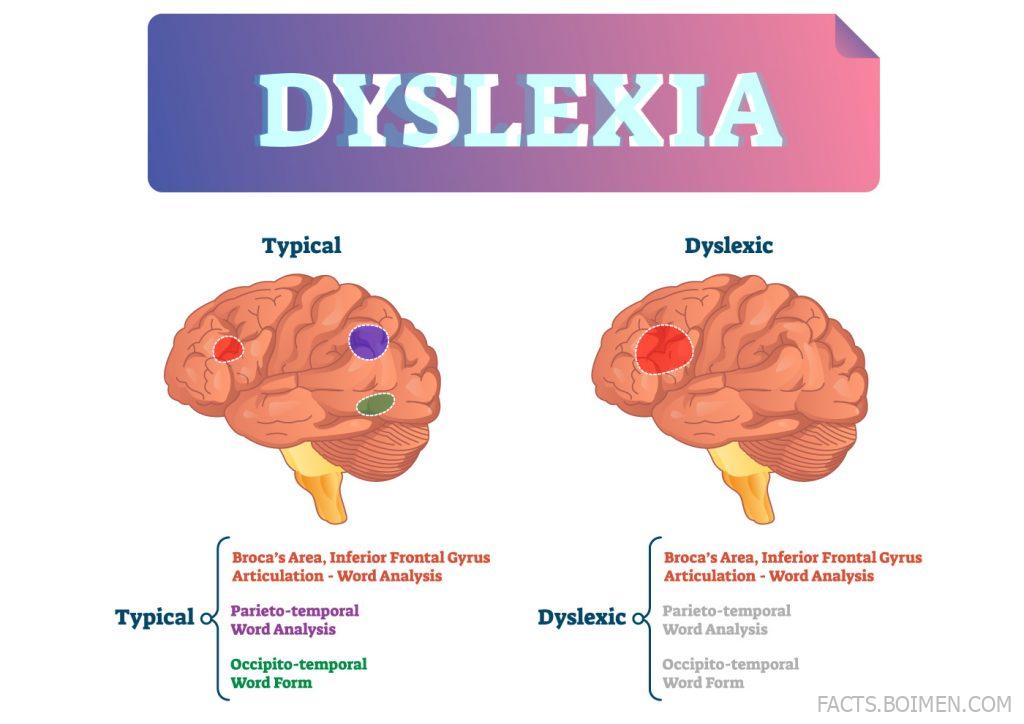
Why it stands out: The simulation is accompanied by brain scans and research findings, offering a deep dive into the science behind the reading difficulties.
Best for: Science enthusiasts and professionals.
12. Dyslexia Simulation by Lexercise : A Parent-Friendly Tool
What it is: Lexercise, a therapy platform for learning disabilities, offers a simulation that shows what it’s like to read with dyslexia.
Category: Therapy-related simulation
Why it stands out: It’s designed with parents in mind, including a ‘what you can do’ section with actionable steps. The simulation is interactive and engaging.
Best for: Parents seeking to understand their child’s struggles.
13. Dyslexia Simulator by Dyslexia Help : A Resource-Rich Experience
What it is: Dyslexia Help, from the University of Michigan, offers a simulation along with a wealth of resources.
Category: University resource simulation
Why it stands out: The simulation is part of a comprehensive site that includes articles, videos, and expert advice. It’s a one-stop shop for dyslexia information.
Best for: Researchers and students looking for credible information.
14. Real Dyslexia Simulation by Dyslexia Connect : A Personal Touch
What it is: Dyslexia Connect offers a simulation that includes a personal story from a dyslexic individual.
Category: Personal narrative simulation
Why it stands out: The simulation is framed by a first-person account, making it deeply relatable. It emphasizes the emotional aspect of dyslexia.
Best for: Building empathy through personal connection.
15. Dyslexia Simulation by Dyslexia Institute : A Classroom-Ready Tool
What it is: The Dyslexia Institute provides a simulation that teachers can use in classrooms to help students understand dyslexia.
Category: Educational simulation
Why it stands out: It includes discussion questions and follow-up activities, making it a complete lesson plan. The simulation is designed to provoke thoughtful conversation.
Best for: Teachers and school counselors.
16. Dyslexia Simulator by Dyslexia Online : A Simple Yet Effective Demo
What it is: Dyslexia Online offers a simulation that uses a common paragraph to demonstrate letter reversals and word jumbling.
Category: Simple simulation
Why it stands out: It’s easy to use and includes a clear explanation of what you’re experiencing. It’s a great starting point for beginners.
Best for: First-time explorers of dyslexia simulations.
17. Dyslexia Simulation by Dyslexia Research : A Research-Focused Simulation
What it is: This simulation from Dyslexia Research incorporates findings from recent studies to create a realistic experience.
Category: Research-based simulation
Why it stands out: It includes a ‘why it happens’ section that explains the cognitive processes involved, making it educational.
Best for: Those who want to understand the ‘why’ behind the experience.
18. Dyslexia Simulator by Dyslexia World : A Global Community Resource
What it is: Dyslexia World offers a simulation that’s part of a larger platform connecting dyslexic individuals worldwide.
Category: Community simulation
Why it stands out: The simulation is accompanied by forums and support groups, making it a hub for shared experiences. It also includes translations in multiple languages.
Best for: International users and those seeking community support.
Bonus Mentions
Davis Dyslexia Association International : More Than a Simulation
What it is: This site offers resources, articles, and a simulation, but also provides information on the Davis method.
Category: Comprehensive resource
Why it stands out: It’s a treasure trove of information for anyone seeking in-depth knowledge about dyslexia.
Best for: Lifelong learners.
Dyslexic.com : Assistive Technology Hub
What it is: This site is a store for assistive technology, but also offers free simulations and demos.
Category: Technology resource
Why it stands out: You can try out different font and reading tools that help dyslexics, giving you a before-and-after perspective.
Best for: Tech-savvy readers.
Dyslexia Foundation : A Non-Profit Perspective
What it is: The foundation provides a simulation and also runs awareness campaigns.
Category: Non-profit resource
Why it stands out: Their simulation is part of a larger mission to promote dyslexia awareness and research.
Best for: Supporters of non-profit causes.
Dyslexia.com : A Portal to Many Tools
What it is: This site acts as a portal, linking to various simulations and resources.
Category: Directory
Why it stands out: It saves you time by curating the best simulations in one place.
Best for: Efficient researchers.
Dyslexia Association : A Global Network
What it is: This association offers a simulation and connects you to local chapters worldwide.
Category: Association resource
Why it stands out: It’s a great starting point for finding local support and events.
Best for: Networking and community building.
The Power of Perspective
These simulations are more than just eye-opening—they’re catalysts for change. By experiencing the reading challenges firsthand, you’ll be better equipped to design inclusive content, support loved ones, and advocate for accessibility. Whether you’re a teacher, a developer, or simply a curious reader, these tools offer a valuable shift in perspective. So go ahead, try a simulation, and let it transform the way you see text. What’s the most surprising thing you discovered about the dyslexic reading experience? Share your thoughts below!