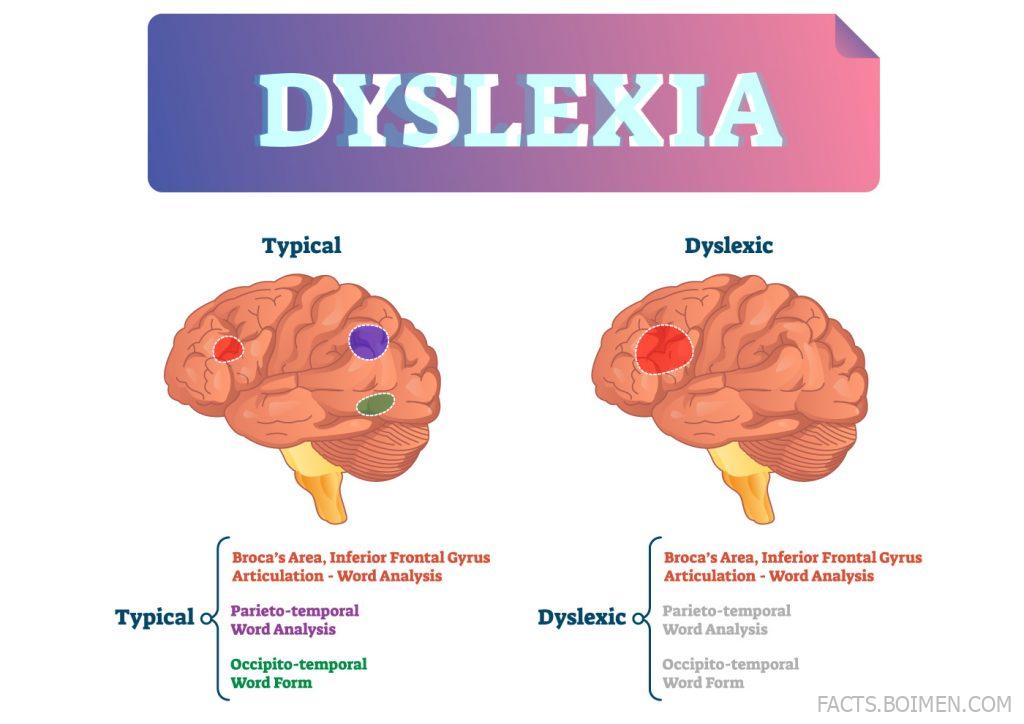
Dyslexia affects how the brain processes written words, turning a simple sentence into a puzzle of shifting letters and jumbled sounds. For those without dyslexia, it’s nearly impossible to grasp the daily frustration. But a handful of under-the-radar websites and tools now let you step into that experience firsthand. Whether you’re a teacher, a parent, a curious reader, or someone who suspects they might have dyslexia, these interactive simulators and visualizers offer eye-opening insights. Below, we’ve rounded up 16 hidden gems that demonstrate the dyslexic reading experience—plus a few bonus tools worth exploring.
Table of Contents(Click to Toggle)
- Why Simulating Dyslexia Matters
- 1. Victor Widell’s Dyslexia Simulator
- 2. Dyslexia Simulation by the University of Michigan
- 3. The Dyslexia Experience (Interactive)
- 4. WebAIM Dyslexia Simulation
- 5. Dyslexia the Gift’s Classroom Simulator
- 6. The Reading Brain (Simulation)
- 7. Dyslexia Simulation App (iOS/Android)
- 8. Seeing Dyslexia (Video + Interactive)
- 9. Understood.org’s Dyslexia Simulator
- 10. Dyslexia Simulation on Behance
- 11. The Dyslexia Simulator by Design Studio
- 12. Dyslexia Simulation Game (Online)
- 13. Reading Through Dyslexia (Interactive)
- 14. Dyslexia Simulator for Chrome
- 15. The Dyslexia Test (Simulation)
- 16. Dyslexia Simulation in Virtual Reality
- Bonus Mentions
- The Journey to Understanding Dyslexia
Why Simulating Dyslexia Matters More Than You Think
Reading is an automatic process for most—your eyes glide over letters, your brain decodes them instantly. For someone with dyslexia, that automaticity breaks down. Letters might swap places, words blur, or lines seem to jump. These simulations aren’t just novelties; they’re empathy tools. They help teachers design better lesson plans, parents understand their child’s struggles, and coworkers grasp why an email might take longer to process. When you experience the visual chaos firsthand, you stop seeing dyslexia as a behavior issue and start seeing it as a neurological reality. That shift in perspective can lead to more patience, better accommodations, and a deeper appreciation for the creative minds that often come with dyslexia.
1. Victor Widell’s Dyslexia Simulator : The Original Eye-Opener
What it is: A simple web page that transforms any text you paste into a simulation of dyslexia, scrambling letters mid-word while keeping the first and last letters intact.
Category: Interactive simulator
Why it stands out: This is the most widely shared dyslexia simulator on the internet, and for good reason. It lets you input your own sentences, so you can see exactly how a paragraph from a book or a work email might appear. The scrambling is subtle enough to feel realistic—not a cartoonish jumble, but a frustrating dance of letters.
Best for: Anyone who wants a quick, no-frills demonstration to share with friends or colleagues.
2. University of Michigan Dyslexia Help Simulator : Academic Accuracy
What it is: A research-backed simulation that presents a series of reading tasks with visual distortions, including letter mirroring and line jumping.
Category: Educational simulation
Why it stands out: Backed by the University of Michigan’s dyslexia research center, this tool includes multiple exercises that mimic common reading errors. It also provides a written explanation of what you’re experiencing, making it a fantastic teaching resource.
Best for: Teachers, students, and anyone seeking a scientifically grounded demonstration.
3. The Dyslexia Experience (Interactive) : A Guided Tour
What it is: A step-by-step interactive simulation that guides you through a typical reading scenario, complete with audio distractions and visual noise.
Category: Guided simulation
Why it stands out: Unlike static simulators, this one walks you through a story while adding background noise and shifting fonts. It gives a more holistic sense of the cognitive load dyslexia creates, not just the visual aspect.
Best for: Parents and educators who want to understand the full reading experience, not just the letter-swapping.
4. WebAIM Dyslexia Simulation : Accessibility Perspective
What it is: A simulation embedded in a web accessibility resource that shows how dyslexic users might struggle with certain fonts and layouts.
Category: Accessibility tool
Why it stands out: WebAIM is a trusted name in digital accessibility. This simulation is paired with practical tips for designing websites that are more dyslexia-friendly, like using sans-serif fonts and avoiding justified text.
Best for: Web designers and developers who want to make their sites more inclusive.
5. Dyslexia the Gift’s Classroom Simulator : See It Through a Student’s Eyes
What it is: A simulation that recreates the classroom experience—chalkboard notes, worksheets, and timed tests—with dyslexic distortions.
Category: Educational simulation
Why it stands out: This one puts you in the seat of a student struggling to keep up. It includes a ticking clock and a voice reading instructions, making the pressure palpable. It’s an intense but powerful empathy builder.
Best for: Teachers and school administrators who need to understand why a student might act out or shut down.
6. The Reading Brain (Simulation) : From the Reading Rockets Project
What it is: A short interactive module that simulates word blindness and letter transposition, based on reading research.
Category: Research-based simulation
Why it stands out: Reading Rockets is a well-known literacy resource. This simulation is embedded in a larger article about how the brain reads, giving context to the visual chaos.
Best for: Parents and tutors who want to pair the simulation with research-backed explanations.
7. Dyslexia Simulation App (iOS) : Take It Anywhere
What it is: A mobile app that lets you take a dyslexia simulation on the go, with adjustable difficulty levels.
Category: Mobile app
Why it stands out: Unlike web-based simulators, this app works offline and lets you choose from different text samples or input your own. It’s a handy tool for workshops or family gatherings.
Best for: People who want a portable demonstration without needing an internet connection.
8. Seeing Dyslexia (Video + Interactive) : A Visual Documentary Approach
What it is: A YouTube video that combines a live simulation with interviews, showing exactly how text appears to a dyslexic reader.
Category: Video simulation
Why it stands out: The video format makes it easy to share on social media, and the side-by-side comparisons of normal vs. dyslexic reading are unforgettable. It’s a great conversation starter.
Best for: Raising awareness in a shareable format.
9. Understood.org’s Dyslexia Simulator : Parent-Friendly Explanation
What it is: An interactive simulation paired with plain-language explanations of what you’re seeing and why it happens.
Category: Educational resource
Why it stands out: Understood.org is a trusted resource for learning differences. This simulator also includes tips for supporting a child with dyslexia, making it a practical tool, not just an experience.
Best for: Parents who need a clear, non-technical explanation.
10. Dyslexia Simulation on Behance : Designer’s Interpretation
What it is: A graphic designer’s visual interpretation of dyslexia, presented as a series of animated text distortions.
Category: Artistic simulation
Why it stands out: This one is more artistic than scientific, using color and motion to evoke the feeling of words shifting. It’s a beautiful and emotional representation that resonates with many.
Best for: Creative professionals and anyone who appreciates visual storytelling.
11. The Dyslexia Simulator by Design Studio : Clean and Focused
What it is: A minimalist web-based simulator that focuses purely on the letter-swapping effect, with adjustable intensity.
Category: Minimalist tool
Why it stands out: Its simplicity is its strength. You can drag a slider to increase the severity of the distortion, making it easy to demonstrate how mild or severe dyslexia can feel.
Best for: Quick demos where you want to control the level of distortion.
12. Dyslexia Simulation Game : Learn While Playing
What it is: An interactive game that challenges you to read sentences under simulated dyslexic conditions, with a timer and scoring.
Category: Gamified simulation
Why it stands out: The game element makes it engaging for younger audiences or team-building exercises. You’ll feel the frustration of trying to beat the clock while letters dance.
Best for: Educators and facilitators looking for an interactive activity.
13. Reading Through Dyslexia (Interactive) : Personal Stories Integrated
What it is: A simulation that combines text distortion with real quotes from people with dyslexia, giving a personal touch.
Category: Narrative simulation
Why it stands out: The quotes add an emotional layer, reminding you that behind the simulation is a real human experience. It’s a powerful empathy tool.
Best for: Anyone who wants to connect on a human level, not just a technical one.
14. Dyslexia Simulator for Chrome : See Any Website Differently
What it is: A browser extension that applies dyslexia simulation to any webpage you visit, from news sites to your email inbox.
Category: Browser extension
Why it stands out: This is the closest you can get to experiencing the web as someone with dyslexia. It works on real content, so you can test it on your own favorite sites.
Best for: Web designers and curious users who want to test real-world pages.
15. The Dyslexia Test (Simulation) : Pre-Assessment Insight
What it is: A simulation that mimics the visual challenges of a dyslexia screening test, letting you see what the test-taker experiences.
Category: Test simulation
Why it stands out: It demystifies the testing process. If you’ve ever wondered what a dyslexia evaluation feels like, this gives you a glimpse without the pressure.
Best for: Parents and adults considering an evaluation.
16. Dyslexia Simulation in Virtual Reality : Immersive Experience
What it is: A VR experience that surrounds you with text that shifts and blurs, creating a fully immersive simulation.
Category: Virtual reality
Why it stands out: This is the most immersive option. Wearing a VR headset, you feel like you’re inside a reading nightmare, which can be a profound empathy experience for educators and policymakers.
Best for: High-impact presentations and training sessions.
Bonus Mentions
Dyslexie Font : A Font Designed for Dyslexic Readers
While not a simulation, this font makes reading easier for many with dyslexia. It’s a great companion to the simulators—try reading the same text in Dyslexie Font after experiencing the simulations to see the difference.
OpenDyslexic : Free, Open-Source Alternative
Another font option, free to download, that adds weight to the bottom of letters to prevent them from flipping. Many users report improved reading speed.
Ghotit Real Writer : Assistive Writing Tool
This tool provides spell-check and word prediction specifically designed for dyslexic writers. It’s not a simulation, but it shows how technology can mitigate the challenges you’ve just experienced.
NaturalReader : Text-to-Speech Relief
Hearing text read aloud can bypass the visual strain. NaturalReader converts any text into speech, offering a different way to consume content.
Learning Ally : Audiobook Library for Dyslexia
This nonprofit provides audiobooks to people with dyslexia and other reading disabilities. It’s a reminder that reading doesn’t have to be visual.
The Journey to Understanding Dyslexia
These 16 simulators offer more than just a glimpse—they offer a bridge to empathy. Whether you’re a teacher adjusting your classroom, a designer making your website accessible, or a friend trying to understand, stepping into the dyslexic reading experience changes how you view the written word. The frustration of jumbled letters and sliding lines is real, but so is the resilience of those who navigate it daily. As you explore these tools, you’ll likely find one that resonates most. And remember, the goal isn’t to feel sorry—it’s to understand and act. Have you tried any of these simulators? Which one gave you the biggest ‘aha’ moment? Share your experience in the comments below.