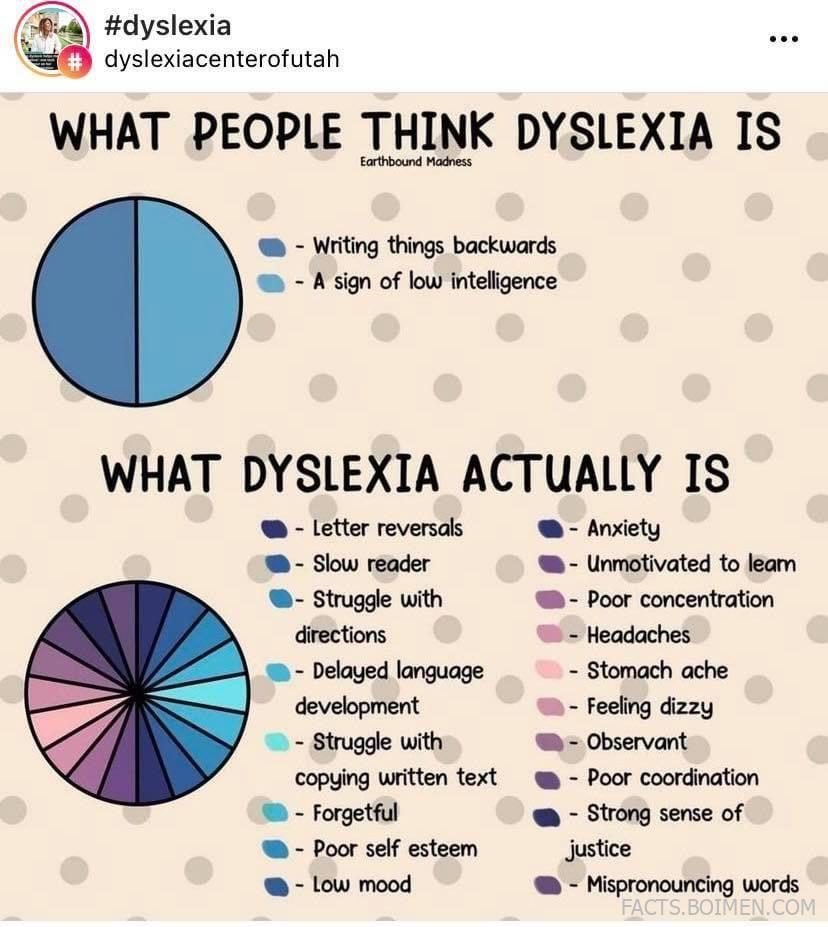
Most people think dyslexia is just reversing letters or reading slowly. But the real experience is far more complex—it involves anxiety, headaches, dizziness, and a constant struggle with directions and copying text. The following websites and tools help non-dyslexics understand this reality and provide practical support for those who live with it. Each one offers a unique window into the dyslexic mind, from simulations to assistive technology.
Table of Contents(Click to Toggle)
- Why Explore the Real Dyslexia Experience
- 1. Victor Widell’s Simulation
- 2. Dyslexia the Gift
- 3. British Dyslexia Association
- 4. Understood.org
- 5. Dyslexia Help at the University of Michigan
- 6. Dyslexia Reading Well
- 7. Learning Ally
- 8. Bookshare
- 9. Ghotit
- 10. OpenDyslexic
- 11. Dyslexia Quest
- 12. Nessy
- 13. Dyslexia Canada
- 14. International Dyslexia Association
- 15. Dyslexia Action
- 16. Dyslexia Daily
- 17. Dyslexia Road
- 18. Dyslexia Association of Singapore
- 19. Dyslexia SPELD Foundation
- 20. Made by Dyslexia
- Bonus Mentions
Why Explore the Real Dyslexia Experience
Dyslexia is often misunderstood as a simple reading problem, but it affects every aspect of a person’s life—from anxiety and poor coordination to strong observational skills and creativity. By exploring these websites, you’ll gain a deeper empathy for the challenges and strengths of dyslexic individuals. Whether you’re a parent, teacher, or someone with dyslexia, these resources offer invaluable insights and practical tools.
1. Victor Widell’s Simulation : Experience Dyslexia First-Hand
What it is: An interactive web page that simulates the reading experience of a person with dyslexia by scrambling letters in real-time.
Category: Simulation
Why it stands out: This simulation lets you feel the frustration and cognitive load of trying to read text that constantly shifts and swaps letters. It’s a powerful empathy tool that goes beyond simple letter reversal, showing how the brain struggles to decode words.
Best for: Educators, parents, and anyone wanting a visceral understanding of dyslexia.
2. Dyslexia the Gift : Unlocking the Strengths of Dyslexia
What it is: A comprehensive resource site founded by Davis Dyslexia Association International, offering articles, forums, and support.
Category: Information & Support
Why it stands out: It emphasizes the positive aspects of dyslexia, such as creativity and problem-solving skills, while providing practical strategies for overcoming challenges. The site includes a free online assessment and a global directory of providers.
Best for: Parents and adults seeking a strengths-based approach.
3. British Dyslexia Association : The UK’s Leading Dyslexia Charity
What it is: A charity providing information, training, and support for dyslexic individuals and their families.
Category: Advocacy & Support
Why it stands out: The BDA offers a wealth of resources, including detailed guides on how dyslexia affects learning, workplace accommodations, and legal rights. Their training programs are highly respected.
Best for: UK residents and anyone looking for authoritative, research-backed information.
4. Understood.org : Personalized Support for Learning Differences
What it is: A nonprofit that provides resources and tools for people with learning and thinking differences, including dyslexia.
Category: Education & Support
Why it stands out: The site offers personalized recommendations based on your child’s profile, along with expert articles, videos, and interactive tools like a “Through Your Child’s Eyes” simulation.
Best for: Parents of children with learning differences.
5. Dyslexia Help at the University of Michigan : Expert-Reviewed Resources
What it is: An academic resource hub created by the University of Michigan, offering evidence-based information and tools.
Category: Educational Resource
Why it stands out: It provides a comprehensive “Dyslexia Basics” section, a database of assistive technology, and a directory of professionals. The site is regularly updated with research findings.
Best for: Students, researchers, and parents seeking scientific grounding.
6. Dyslexia Reading Well : Understanding the Science of Dyslexia
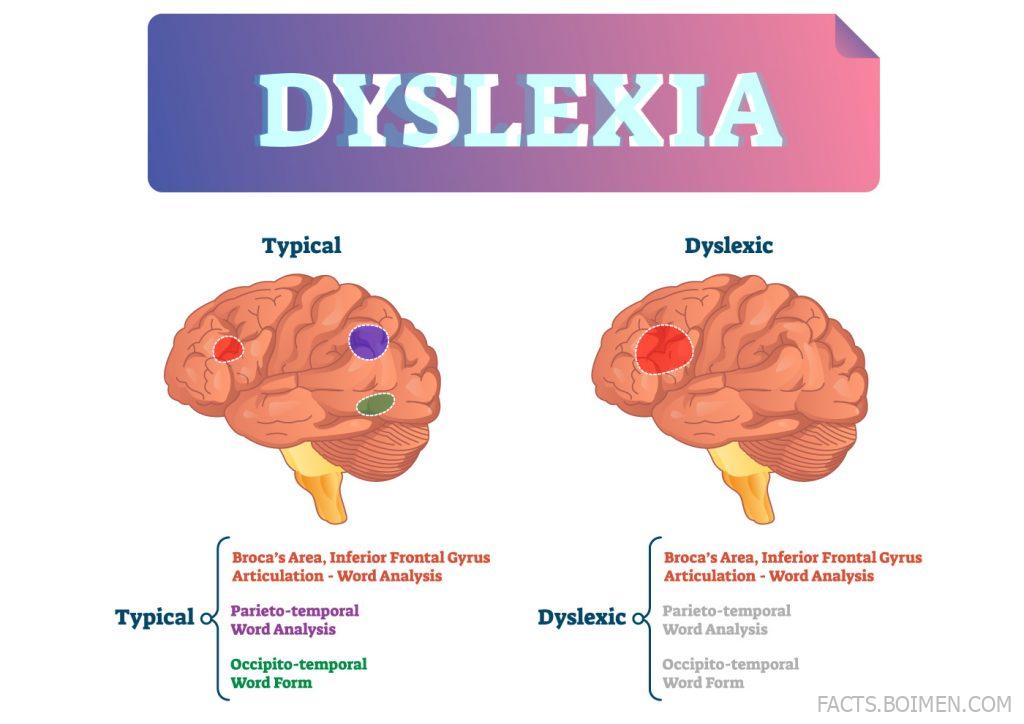
What it is: A website that explains the neurological basis of dyslexia and offers practical reading strategies.
Category: Educational
Why it stands out: It breaks down complex research into easy-to-understand articles, covering topics like phonological processing and the role of the visual system. It also provides free reading exercises.
Best for: Individuals who want to understand the brain science behind dyslexia.
7. Learning Ally : Audiobooks for Dyslexic Students
What it is: A nonprofit that provides a vast library of human-read audiobooks, specifically designed for people with reading difficulties.
Category: Assistive Technology
Why it stands out: With over 80,000 audiobooks, including textbooks and literature, it’s a lifesaver for students who struggle with traditional reading. The app integrates with learning management systems.
Best for: Students with dyslexia and visual impairments.
8. Bookshare : Accessible Ebooks for Free
What it is: An online library of accessible ebooks for people with print disabilities, including dyslexia.
Category: Assistive Technology
Why it stands out: It offers over 1 million titles in formats like audio, braille, and large print. Membership is free for U.S. students with qualifying disabilities, thanks to federal funding.
Best for: Students and individuals who need alternative formats.
9. Ghotit : Smart Writing Assistant for Dyslexia
What it is: A writing and proofreading tool specifically designed for people with dyslexia and dysgraphia.
Category: Assistive Technology
Why it stands out: Unlike standard spellcheckers, Ghotit uses context-aware algorithms to correct phonetic and real-word errors. It offers a free online tool and desktop apps.
Best for: Writers who need robust spelling and grammar assistance.
10. OpenDyslexic : A Font Designed for Dyslexia
What it is: A free, open-source font created to reduce reading errors for people with dyslexia.
Category: Tool
Why it stands out: The font’s unique letter shapes and weighted bottoms help prevent letter reversal and confusion. It can be downloaded for free and used in any app or browser extension.
Best for: Readers who want a more comfortable reading experience.
11. Dyslexia Quest : A Gamified Assessment Tool
What it is: An app that combines games with cognitive assessments to identify dyslexia-related strengths and weaknesses.
Category: Assessment & Game
Why it stands out: It makes testing fun and engaging, providing a detailed report of a child’s working memory, phonological awareness, and visual processing skills.
Best for: Parents and educators looking for an informal screening tool.
12. Nessy : Online Learning for Dyslexic Children
What it is: A subscription-based learning platform with games, videos, and worksheets for children aged 6-11.
Category: Educational Program
Why it stands out: Nessy uses a structured, multi-sensory approach to teach reading and spelling, and it’s widely used in schools. It also offers resources for parents and teachers.
Best for: Young learners who need a fun, structured program.
13. Dyslexia Canada : Advocacy and Resources for Canadians
What it is: A national charity that provides information, support, and advocacy for dyslexic individuals in Canada.
Category: Advocacy & Support
Why it stands out: They offer free webinars, a parent toolkit, and a directory of professionals. They also work to change legislation to improve dyslexia screening in schools.
Best for: Canadian families and educators.
14. International Dyslexia Association : The Global Authority on Dyslexia
What it is: A nonprofit organization that provides research-based information, conferences, and advocacy.
Category: Professional Organization
Why it stands out: The IDA sets the standards for dyslexia education and certification. Their website includes a wealth of fact sheets, a professional directory, and a “Dyslexia in the Classroom” guide.
Best for: Professionals and parents seeking the latest research.
15. Dyslexia Action : Practical Help and Training
What it is: A UK-based charity that offers assessments, tuition, and workplace training.
Category: Support & Training
Why it stands out: They provide direct services, including a free helpline and a variety of online courses for individuals and employers. Their “Dyslexia at Work” program is particularly useful.
Best for: Adults and employers in the UK.
16. Dyslexia Daily : Daily Tips and Inspiration
What it is: A website offering daily tips, articles, and resources for dyslexic individuals and their families.
Category: Blog & Resource
Why it stands out: It curates practical advice on everything from homework strategies to emotional support, and it features a supportive community forum.
Best for: Parents looking for quick, actionable tips.
17. Dyslexia Road : A Personal Journey of Dyslexia
What it is: A personal blog written by an adult with dyslexia, sharing experiences and strategies.
Category: Personal Blog
Why it stands out: It offers a first-person perspective on living with dyslexia, including the emotional challenges and career insights. The author also reviews assistive technology.
Best for: Adults with dyslexia who want relatable stories.
18. Dyslexia Association of Singapore : Comprehensive Services in Asia
What it is: A nonprofit providing assessments, remediation, and teacher training in Singapore.
Category: Support & Education
Why it stands out: They offer a unique “Dyslexia Remediation” program and have extensive research on dyslexia in multilingual contexts, which is valuable for non-English speakers.
Best for: Families and educators in Asia.
19. Dyslexia SPELD Foundation : Evidence-Based Support in Australia
What it is: A leading Australian charity providing assessments, tutoring, and professional development.
Category: Support & Education
Why it stands out: They offer a “Dyslexia-SPELD” approach that is highly structured and multisensory, and they have a strong focus on early intervention.
Best for: Australian families and schools.
20. Made by Dyslexia : Celebrating Dyslexic Thinkers
What it is: A global charity that aims to change the perception of dyslexia by highlighting the strengths of dyslexic thinkers.
Category: Advocacy & Community
Why it stands out: It features inspiring stories from famous dyslexic entrepreneurs and offers free training for employers and educators. Their “Dyslexia Thinkers” campaign is powerful.
Best for: Anyone looking to see dyslexia as a gift.
Bonus Mentions
The Dyslexic Advantage : Unlocking the Hidden Potential
What it is: A website and book that focus on the strengths of dyslexia, such as creativity and big-picture thinking.
Category: Information & Inspiration
Why it stands out: It provides a positive framework and practical advice for leveraging dyslexic strengths in education and career.
Best for: Individuals seeking a strengths-based perspective.
Dyslexia Scotland : Support and Empowerment in Scotland
What it is: A charity that provides information, events, and a helpline for people with dyslexia in Scotland.
Category: Support & Advocacy
Why it stands out: They run a successful “Dyslexia Friendly Schools” program and offer a wealth of free resources.
Best for: Scottish residents and educators.
Dyslexic.com : A Marketplace for Assistive Tech
What it is: An online store that sells assistive technology products specifically for dyslexia, such as reading pens and software.
Category: E-commerce
Why it stands out: It offers a curated selection of tools, with detailed descriptions and expert advice, making it easier to find the right solution.
Best for: Those looking to purchase assistive technology.
Dyslexia Guide : A Simple Introduction to Dyslexia
What it is: A beginner-friendly website that explains dyslexia in plain language, covering symptoms, diagnosis, and strategies.
Category: Educational
Why it stands out: It’s a great starting point for those new to dyslexia, with clear infographics and practical tips.
Best for: Parents and individuals just beginning their journey.
The Internet’s Best-Kept Secrets (So Far)
These 20 websites and tools offer a comprehensive look at the real experience of dyslexia—from simulations that build empathy to practical aids that make reading and writing easier. They also highlight the strengths that come with a dyslexic brain, reminding us that dyslexia is not a limitation but a different way of thinking. Whether you’re a parent, teacher, or someone with dyslexia, exploring these resources can be transformative.
Have you come across a website or tool that beautifully captures the dyslexic experience? Share it in the comments below—I’d love to discover more hidden gems.