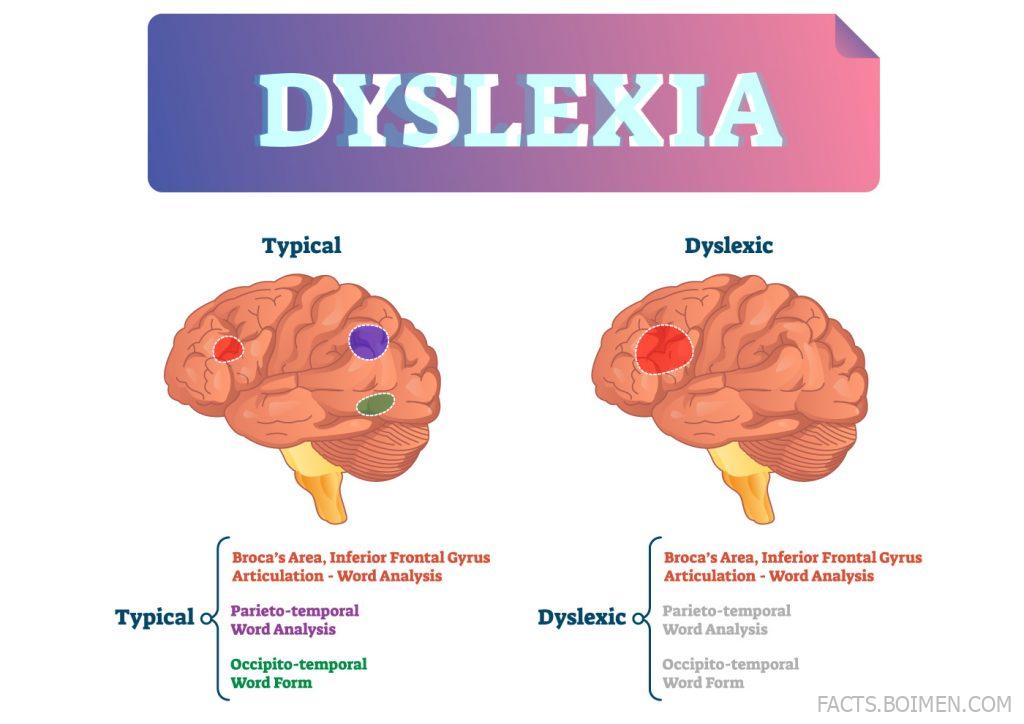
Have you ever wondered what it’s like to read with dyslexia? It’s more than just jumbled letters—it’s a unique cognitive experience that varies from person to person. Thanks to a handful of ingenious websites and tools, you can now step into that world, even if just for a moment. These aren’t just educational resources; they are empathy builders, design inspirations, and practical aids. Here are 19 remarkable sites that reveal how dyslexic people read, plus a few bonus finds.
Table of Contents(Click to Toggle)
- Why Understanding Dyslexia Matters
- The 19 Sites That Reveal Dyslexia
- 1. Victor Widell’s Dyslexia Simulator
- 2. Dyslexia the Gift’s Reading Simulator
- 3. Seeing Dyslexia from the British Dyslexia Association
- 4. OpenDyslexic Font
- 5. Dyslexia.com’s Simulation
- 6. Reading Ruler by Crossbow Education
- 7. BeeLine Reader
- 8. Dyslexia Simulation by Understood.org
- 9. Ghotit Real Writer & Reader
- 10. Dyslexia Help’s Simulator
- 11. Dyslexia Unscrambled
- 12. Fonts for Dyslexia by Dyslexie Font
- 13. MyStudyBar
- 14. NaturalReader
- 15. Dyslexia Quest from Nessy
- 16. Color Veil
- 17. Read&Write by Texthelp
- 18. Dyslexia Road
- 19. The Dyslexia Association’s Simulation
- Bonus: Dyslexia Simulation on YouTube
- Bonus: The Dyslexia Empowerment Plan
- Bonus: Dyslexia Tool Kit
- Bonus: Made by Dyslexia
- Bonus: Dyslexia Canada
- The Best Ways to Use These Tools
Why Understanding Dyslexia Matters
Dyslexia affects about 1 in 5 people, yet it remains widely misunderstood. Many assume it’s about seeing letters backward, but it’s actually a language-based learning difference that affects reading fluency, decoding, and comprehension. By experiencing a simulation, you can gain profound insight into the daily challenges dyslexic individuals face. This isn’t just about empathy—it’s about designing better websites, creating inclusive classrooms, and supporting friends and colleagues. These tools are the next best thing to walking a mile in their shoes.
The 19 Sites That Reveal Dyslexia
1. Victor Widell’s Dyslexia Simulator : The Viral Original
What it is: A simple web page that transforms any text you type into a simulation of dyslexia by swapping letters that look similar (like b/d, p/q) and rearranging them in ways that mimic common reading errors.
Category: Simulation
Why it stands out: This is the tool that started the trend. It’s open-source, free, and incredibly easy to use—just type or paste text and watch it morph. It gives you a visceral sense of the confusion that can occur when letters seem to dance.
Best for: Quick demonstrations, teachers, and curious minds.
2. Dyslexia the Gift’s Reading Simulator : A Realistic Reading Experience
What it is: An interactive simulation that presents a short paragraph with visual distortions that mimic dyslexia, including letter rotations, inversions, and spacing issues.
Category: Simulation
Why it stands out: It includes a timer, so you can attempt to read the passage under time pressure, which adds a layer of stress that real dyslexic students often feel. The simulation is based on research and is widely cited.
Best for: Educators and parents who want a realistic glimpse.
3. Seeing Dyslexia from the British Dyslexia Association : Official and Informative
What it is: A simulation with a twist: it shows you a paragraph, then reveals the same paragraph in a dyslexic-friendly font and layout, demonstrating how design can alleviate reading difficulties.
Category: Simulation + Education
Why it stands out: It’s from a leading charity, so you know it’s accurate. It also explains the science behind the simulation, making it a great learning resource.
Best for: Understanding the impact of typography and layout.
4. OpenDyslexic Font : A Font Designed for Dyslexia
What it is: A free, open-source font created specifically to reduce reading errors for dyslexic users. It uses heavy weighted bottoms to prevent letter flipping and is available for download.
Category: Accessibility Tool
Why it stands out: You can install it on your computer or mobile device and see how it changes your reading experience. Many apps and websites offer it as an option.
Best for: Dyslexic readers and designers who want to make their content more accessible.
5. Dyslexia.com’s Simulation : A Comprehensive Look
What it is: A multi-part simulation that includes a reading passage, a spelling exercise, and a visual perception test, all designed to mimic the dyslexic experience.
Category: Simulation
Why it stands out: It goes beyond reading to show how dyslexia affects spelling and visual processing, offering a well-rounded perspective.
Best for: Those who want a broader understanding of dyslexia’s challenges.
6. Reading Ruler by Crossbow Education : A Physical Aid, Digitally Simulated
What it is: A tool that simulates the experience of using a colored overlay or ruler, which many dyslexic readers use to reduce visual stress. The website offers a free digital simulation.
Category: Assistive Technology
Why it stands out: It lets you try different color overlays on a sample text, showing how color can make reading easier or harder. It’s a practical demonstration of a common coping strategy.
Best for: Exploring visual stress and color therapy.
7. BeeLine Reader : A Color-Gradient Reading Aid
What it is: A browser extension and app that uses a color gradient to guide the eye from the end of one line to the beginning of the next, improving reading focus and speed.
Category: Reading Tool
Why it stands out: While not specifically for dyslexia, it’s widely used by dyslexic readers because it reduces line-switching errors. You can try it on any article.
Best for: Improving reading focus for anyone, especially those with tracking issues.
8. Dyslexia Simulation by Understood.org : An Interactive Experience
What it is: A simulation that lets you choose between different scenarios, such as reading a menu or a school assignment, to see how dyslexia affects everyday tasks.
Category: Simulation
Why it stands out: It’s highly interactive and includes audio options, letting you hear what it might sound like to read with dyslexia. It also provides practical tips for supporting dyslexic individuals.
Best for: Parents and teachers seeking a hands-on learning tool.
9. Ghotit Real Writer & Reader : A Spelling and Grammar Lifesaver
What it is: An assistive writing tool that offers advanced spell-checking, grammar correction, and word prediction specifically designed for people with dyslexia and dysgraphia.
Category: Assistive Technology
Why it stands out: Unlike standard spell-checkers, it understands the types of errors dyslexic writers make. It also reads text aloud, which is invaluable for proofreading.
Best for: Dyslexic writers who need reliable support.
10. Dyslexia Help’s Simulator : From a Renowned University
What it is: A simulation from the University of Michigan that includes several reading passages with varying degrees of difficulty, all visually distorted to mimic dyslexia.
Category: Simulation
Why it stands out: It offers a range of passages, from simple sentences to complex paragraphs, allowing you to experience how dyslexia affects reading at different levels.
Best for: Understanding the spectrum of dyslexia severity.
11. Dyslexia Unscrambled : A Game That Shows the Struggle
What it is: An interactive game where you have to unscramble words that are presented with visual distortions, simulating the effort required to decode text.
Category: Interactive Experience
Why it stands out: It gamifies the experience, making it engaging for younger audiences. You quickly realize how exhausting reading can be for someone with dyslexia.
Best for: Kids and teens to build empathy in a fun way.
12. Fonts for Dyslexia by Dyslexie Font : A Commercial Font with a Mission
What it is: A font designed by a dyslexic designer to make reading easier. The website offers a free trial and a paid version for full access.
Category: Accessibility Tool
Why it stands out: It’s one of the most well-known dyslexia fonts, and you can see a side-by-side comparison of standard text vs. Dyslexie font on the site.
Best for: Testing a commercial font that many dyslexic users swear by.
13. MyStudyBar : A Free Toolbar for Students
What it is: A free toolbar that sits on your screen and provides a range of accessibility tools, including text-to-speech, screen tinting, and word prediction.
Category: Assistive Technology
Why it stands out: It’s a one-stop shop for many reading and writing aids, and it’s completely free. It runs on Windows and is popular in schools.
Best for: Students who need multiple supports in one place.
14. NaturalReader : Text-to-Speech That Helps
What it is: A text-to-speech software that reads any text aloud with natural-sounding voices. It has a free online version and paid apps.
Category: Assistive Technology
Why it stands out: Hearing text while seeing it can significantly improve comprehension for dyslexic readers. It’s also useful for proofreading.
Best for: Auditory learners and those who benefit from multi-sensory reading.
15. Dyslexia Quest from Nessy : An Educational Game
What it is: A series of games and activities designed to help dyslexic children learn to read and spell through engaging, multi-sensory exercises.
Category: Educational Game
Why it stands out: It’s not a simulation but a real learning tool that shows how tailored instruction can help. The website offers a free trial.
Best for: Parents and teachers of dyslexic children.
16. Color Veil : A Screen Overlay for Visual Stress
What it is: A browser extension that applies a color overlay to your entire screen, reducing visual stress and glare, which can help dyslexic readers.
Category: Accessibility Tool
Why it stands out: You can choose from a variety of colors and adjust opacity to find what works best for you. It’s a simple yet effective solution.
Best for: Anyone who experiences visual discomfort while reading on screens.
17. Read&Write by Texthelp : A Comprehensive Literacy Tool
What it is: A powerful toolbar that integrates with browsers and word processors, offering text-to-speech, word prediction, screen masking, and a dictionary.
Category: Assistive Technology
Why it stands out: It’s used in schools and workplaces worldwide, and it has a free version for teachers. It’s a robust solution for many reading and writing challenges.
Best for: Students and professionals who need extensive support.
18. Dyslexia Road : A Visual Journey Through Dyslexia
What it is: An interactive infographic that takes you on a road trip through the challenges and strengths of dyslexia, with simulations and personal stories.
Category: Interactive Story
Why it stands out: It’s a beautifully designed site that combines education with empathy, showing how dyslexia affects everyday life.
Best for: A holistic understanding of the dyslexic experience.
19. The Dyslexia Association’s Simulation : An Australian Perspective
What it is: A simulation that includes a timed reading task and a visual distortion effect, similar to others but with a unique layout.
Category: Simulation
Why it stands out: It’s from a respected association and includes a feedback form, so you can share your experience and learn more about dyslexia support in Australia.
Best for: A quick, authoritative simulation.
Bonus: Dyslexia Simulation on YouTube : A Video Experience
What it is: A short video that simulates the experience of reading with dyslexia, complete with audio distortions and visual chaos.
Category: Video Simulation
Why it stands out: It’s a quick, shareable way to show others what dyslexia feels like.
Best for: Social media sharing and presentations.
Bonus: The Dyslexia Empowerment Plan : A Book and Website
What it is: A website and book by Ben Foss that focuses on the strengths of dyslexia, offering practical advice for parents and individuals.
Category: Resource
Why it stands out: It’s a positive, empowering perspective that shifts the focus from disability to ability.
Best for: Building self-esteem and practical strategies.
Bonus: Dyslexia Tool Kit : A Free Resource Hub
What it is: A collection of free tools, apps, and strategies for dyslexic readers, curated by experts.
Category: Resource
Why it stands out: It’s a treasure trove of practical aids, all in one place.
Best for: Discovering new tools and tips.
Bonus: Made by Dyslexia : A Global Movement
What it is: A charity that connects dyslexic thinkers with opportunities, celebrating the unique skills dyslexics bring to the world.
Category: Advocacy
Why it stands out: It’s inspiring and shows the positive side of dyslexia, with stories of famous dyslexic innovators.
Best for: Inspiration and community.
Bonus: Dyslexia Canada : Advocacy and Support
What it is: A national organization dedicated to raising awareness and providing resources for dyslexic individuals and their families.
Category: Advocacy
Why it stands out: It offers a Canadian perspective and a wealth of information, including webinars and guides.
Best for: Canadians seeking local support.
The Best Ways to Use These Tools
These simulations and tools are more than just eye-openers—they’re catalysts for change. Whether you’re a teacher adjusting your materials, a designer making your website more accessible, or a friend wanting to understand, each site offers a unique window into the dyslexic experience. Try a few, share them with others, and let the empathy you gain guide your actions. After all, the first step to supporting someone is understanding their world.
What’s your favorite way to experience or support dyslexia? Share your own finds in the comments below!