Reading this sentence feels effortless to most people. For roughly one in ten readers, the same sentence can wobble, blur, swap letters, or demand exhausting concentration. Unless you experience it yourself, it is genuinely hard to imagine. That is exactly why a small cluster of websites exist: to let anyone step into a dyslexic reading experience for a few minutes. The most famous one, Dsxyliea, turns any text you paste into a shifting, letter-swapping simulation. Below are 15 sites and tools that recreate, explain, or support the dyslexic reading experience, starting with the one that started this whole curiosity.
Table of Contents(Click to Toggle)
- Why Dyslexia Simulations Are Worth Five Minutes of Your Time
- 1. Dsxyliea
- 2. Dyslexia Simulator (Dyslexia.com)
- 3. OpenDyslexic
- 4. Web Disability Simulator
- 5. NoCoffee Vision Simulator
- 6. Dyslexia Fonts by Christian Boer (Dyslexie)
- 7. Lexie Readable
- 8. BeeLine Reader
- 9. Immersive Reader by Microsoft
- 10. Helperbird
- 11. Speechify
- 12. NaturalReader
- 13. Dyslexia Reading Well
- 14. Understood.org
- 15. Made By Dyslexia
- Bonus Mentions
- The Internet’s Quiet Empathy Machines
Why Dyslexia Simulations Are Worth Five Minutes of Your Time
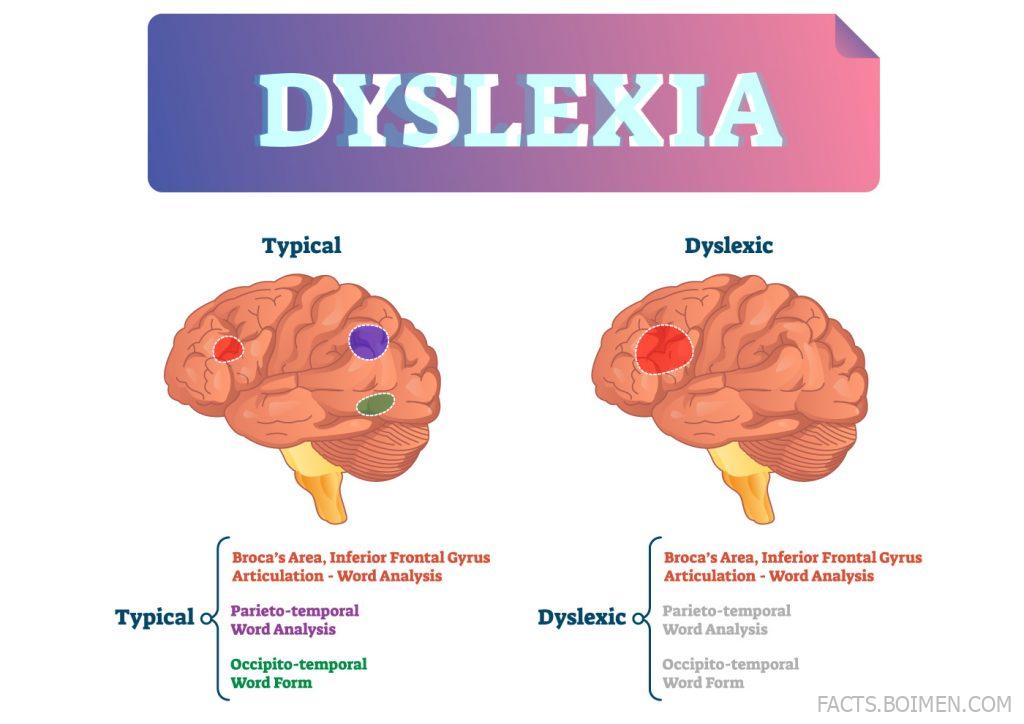
Dyslexia is the most common learning difference in the world, yet it is almost invisible from the outside. A child who reads slowly can look unmotivated. An adult who avoids reading aloud can seem shy. Neither impression is accurate, and both cause real harm in classrooms and workplaces. Simulation tools close that gap in seconds. When letters start flipping and floating in front of your own eyes, patience replaces judgment almost instantly.
There is a second reason these sites matter: they double as design research. Teachers, app developers, and publishers use them to test whether their materials are readable for everyone, not just fluent readers. Fonts like OpenDyslexic and spacing tools like BeeLine grew directly out of this kind of experimentation. So whether you are a curious reader, a parent, a teacher, or a designer, this list has something you can actually use today.
1. Dsxyliea : The viral text scrambler that shows dyslexia in real time
What it is: A minimalist web page that takes a short passage of text and continuously reshuffles letters inside words while you try to read it.
Category: Reading simulation
Why it stands out:
- It is the exact site behind the pin that brought you here, and it needs no signup, download, or account.
- Letters swap positions every few seconds, mimicking the unstable word recognition many dyslexic readers describe.
- The effect is deliberately mild and stoppable, so it works as a quick empathy demo rather than a shock tactic.
Best for: Anyone who wants the fastest possible taste of what dyslexic reading can feel like.
2. Dyslexia Simulator (Dyslexia.com) : A structured simulation with guided exercises
What it is: The Davis Dyslexia Association International hosts interactive exercises that simulate letter confusion, reversals, and tracking difficulty.
Category: Educational simulation
Why it stands out:
- Instead of one scrambled paragraph, it walks you through several distinct reading challenges.
- It pairs each exercise with a plain-language explanation of the skill being disrupted.
- The site has been maintained for decades and is widely cited by teachers preparing classroom empathy lessons.
Best for: Teachers and parents who want a guided, explain-as-you-go demonstration.
3. OpenDyslexic : The free typeface designed to reduce letter confusion
What it is: An open-source font with weighted letter bottoms that help anchor characters so they are less likely to be mentally flipped.
Category: Accessibility font
Why it stands out:
- It is completely free and can be installed on a laptop, phone, or e-reader in minutes.
- Because the letters carry extra visual weight at the base, b/d and p/q pairs become easier to tell apart.
- Many browsers and reading apps now list it as a built-in option, so no technical skill is required.
Best for: Readers who want to test whether a different typeface changes their own reading comfort.
4. Web Disability Simulator : See any website through different eyes
What it is: A browser extension that overlays simulations of dyslexia, low vision, color blindness, Parkinson’s tremor, and more onto whatever page you are viewing.
Category: Browser extension
Why it stands out:
- You can apply the dyslexia mode to a real news site or school portal, not just a demo paragraph.
- It includes a tunnel vision and blurred vision mode, which helps explain why some readers need larger text.
- Designers use it as a fast accessibility audit before shipping a new page.
Best for: Web designers and anyone curious how familiar sites behave under reading differences.
5. NoCoffee Vision Simulator : A vision-loss overlay for Firefox
What it is: A long-running Firefox add-on that simulates reduced contrast, blurred vision, visual snow, and field loss while you browse.
Category: Browser extension
Why it stands out:
- Dyslexia often co-occurs with visual stress, and NoCoffee lets you layer those effects together.
- It is one of the oldest accessibility simulators still available, with a loyal following among researchers.
- Every effect is adjustable with sliders, so the simulation never becomes overwhelming.
Best for: Firefox users who want granular control over visual impairment simulations.
6. Dyslexie Font : The Dutch typeface built around letter recognition research
What it is: A commercial font family created by designer Christian Boer, who is dyslexic himself, with subtly altered letter shapes.
Category: Accessibility font
Why it stands out:
- Letters have heavier bottoms and slightly open forms, reducing the chance of rotational confusion.
- The site offers a free browser extension and a personal-use download alongside the paid license.
- It is used in several European school systems, so there is real classroom feedback behind the design.
Best for: Students and offices that want a polished, professionally supported dyslexia font.
7. Lexie Readable : A free font tuned for early and struggling readers
What it is: A freely downloadable typeface with wide letter spacing and clean, unambiguous character shapes.
Category: Accessibility font
Why it stands out:
- It avoids the mirrored curves that make certain letters easy to confuse at speed.
- Spacing is generous by default, which reduces the crowding effect some readers experience.
- It works well for printed worksheets as well as screens, unlike many screen-only tools.
Best for: Parents printing reading practice sheets at home.
8. BeeLine Reader : Color gradients that guide your eyes across lines
What it is: A tool that applies a soft color gradient across each line of text, helping the eye track from the end of one line to the start of the next.
Category: Reading aid
Why it stands out:
- Line-skipping is one of the most common reading frustrations, and the gradient addresses it directly.
- It is available as a browser extension, a PDF tool, and an email add-on.
- The company has published research summaries showing faster reading speeds for many participants.
Best for: Adults who lose their place in long documents or dense web articles.
9. Immersive Reader : Microsoft’s built-in reading support toolkit
What it is: A free reading mode inside Word, Edge, OneNote, and Teams that reads text aloud, adjusts spacing, and highlights words as they are spoken.
Category: Reading support software
Why it stands out:
- It is already installed on millions of school devices, so no budget approval is needed.
- Line focus mode dims everything except a few lines at a time, which many readers find calming.
- It can translate as it reads, which helps multilingual learners at the same time.
Best for: Students and teachers already inside the Microsoft ecosystem.
10. Helperbird : An accessibility toolbar for any web page
What it is: A browser extension bundling dyslexia-friendly fonts, text-to-speech, reading rulers, and color overlays in one place.
Category: Browser extension
Why it stands out:
- It combines a dozen small accessibility tweaks that would otherwise require a dozen separate installs.
- The reading ruler highlights one line at a time, a simple trick that helps with tracking.
- Settings sync across devices, so a school laptop and a home computer behave the same way.
Best for: Anyone who wants one switchboard for reading comfort online.
11. Speechify : Turn any article into natural-sounding audio
What it is: A text-to-speech app that reads web pages, PDFs, and documents aloud in a range of realistic voices.
Category: Text-to-speech
Why it stands out:
- It can scan a printed page with your phone camera and read it back, useful for textbooks.
- Playback speed is adjustable, letting listeners move faster than they could read visually.
- It supports dozens of languages and accents, which matters for bilingual households.
Best for: Readers who absorb information more easily by listening than by sight.
12. NaturalReader : A free tier text-to-speech workhorse
What it is: A long-established text-to-speech service with a browser extension, desktop app, and mobile app.
Category: Text-to-speech
Why it stands out:
- The free tier covers everyday use, including reading web pages and pasted text aloud.
- It highlights sentences as they are spoken, linking audio back to the printed word.
- It handles PDFs and ebooks, not just plain web text.
Best for: Budget-conscious users who want dependable speech without a subscription.
13. Dyslexia Reading Well : A deep, plain-English reference library
What it is: An independent information site covering dyslexia signs, teaching methods, fonts, and assistive technology.
Category: Information resource
Why it stands out:
- Articles are written for parents rather than academics, with concrete next steps.
- It maintains comparison pages for fonts and reading programs, saving hours of scattered research.
- The site has been continuously updated for years, so links and advice stay current.
Best for: Parents who just received a diagnosis and do not know where to start.
14. Understood.org : Practical guidance for learning differences
What it is: A nonprofit resource hub offering articles, videos, and printable tools on dyslexia, ADHD, and related learning differences.
Category: Support organization
Why it stands out:
- Its “Through Your Child’s Eyes” simulations let you experience reading and attention challenges firsthand.
- Content is reviewed by specialists and organized by age, from preschool through adulthood.
- Everything is free, with no paywall or account required.
Best for: Families looking for trustworthy, non-commercial guidance.
15. Made By Dyslexia : Reframing dyslexia as a strength
What it is: A global charity founded by dyslexic entrepreneurs, offering free training for schools and workplaces.
Category: Advocacy and training
Why it stands out:
- Its free online courses help teachers spot and support dyslexic thinking in the classroom.
- The site collects stories from well-known dyslexic creators, engineers, and founders.
- It focuses on strengths like pattern recognition and creative problem-solving, not just deficits.
Best for: Educators and employers building genuinely inclusive environments.
Bonus Mentions
Texthelp Read&Write : A full literacy toolbar for schools
A paid suite with text-to-speech, word prediction, and screen masking, widely deployed in secondary schools.
Learning Ally : Human-narrated audiobooks for students
A membership library of narrated textbooks, read by real volunteers rather than synthetic voices.
Bookshare : An accessible ebook library
Free for qualifying readers in the United States, with hundreds of thousands of titles in accessible formats.
LD OnLine : A veteran learning-disabilities reference
Articles, expert Q&As, and first-person essays that have been helping families for over two decades.
The Internet’s Quiet Empathy Machines
None of these sites will make anyone an expert on dyslexia in an afternoon, and none of them claim to. What they do is far simpler and, in its own way, more useful: they hand you a few minutes inside someone else’s reading experience. Dsxyliea does it with a single scrambled paragraph. OpenDyslexic and Lexie Readable do it with letterforms. BeeLine and Helperbird do it with tracking aids that quietly remove friction. Understood.org and Made By Dyslexia do it with stories and training.
If you only have five minutes, start with Dsxyliea and read one paragraph out loud. If you have an hour, install a font and a browser extension and try your normal reading routine through them. If you are a teacher or designer, run one of your own documents through these tools before your students or users do. The best discoveries on the web are rarely the loudest ones, and this little cluster of accessibility projects is proof.
Which of these surprised you most, or do you know a hidden accessibility gem that belongs on this list? Share it in the comments.