If you or someone you know lives with dyslexia, you’ve likely discovered that mainstream reading tools often miss the mark. But hidden beneath the surface are remarkable websites and browser extensions designed specifically to make reading easier, more comfortable, and even enjoyable. This list uncovers 15 under-the-radar gems that offer everything from adaptive fonts to immersive text-to-speech, plus a few bonus finds that deserve your attention. Get ready to transform your reading experience.
Table of Contents(Click to Toggle)
- Why You Should Explore These Hidden Gems
- 1. Dsxyliea
- 2. OpenDyslexic
- 3. Readable
- 4. NaturalReader
- 5. Speechify
- 6. Ghotit
- 7. Dyslexia Toolbox
- 8. Beeline Reader
- 9. Claro Software
- 10. Dyslexia Gold
- 11. Learning Ally
- 12. Bookshare
- 13. Dyslexia Help at University of Michigan
- 14. Dyslexia Unwrapped
- 15. Dyslexia Friendly Style Guide
- Bonus Mentions
- Your Next Steps to Easier Reading
Why You Should Explore These Hidden Gems
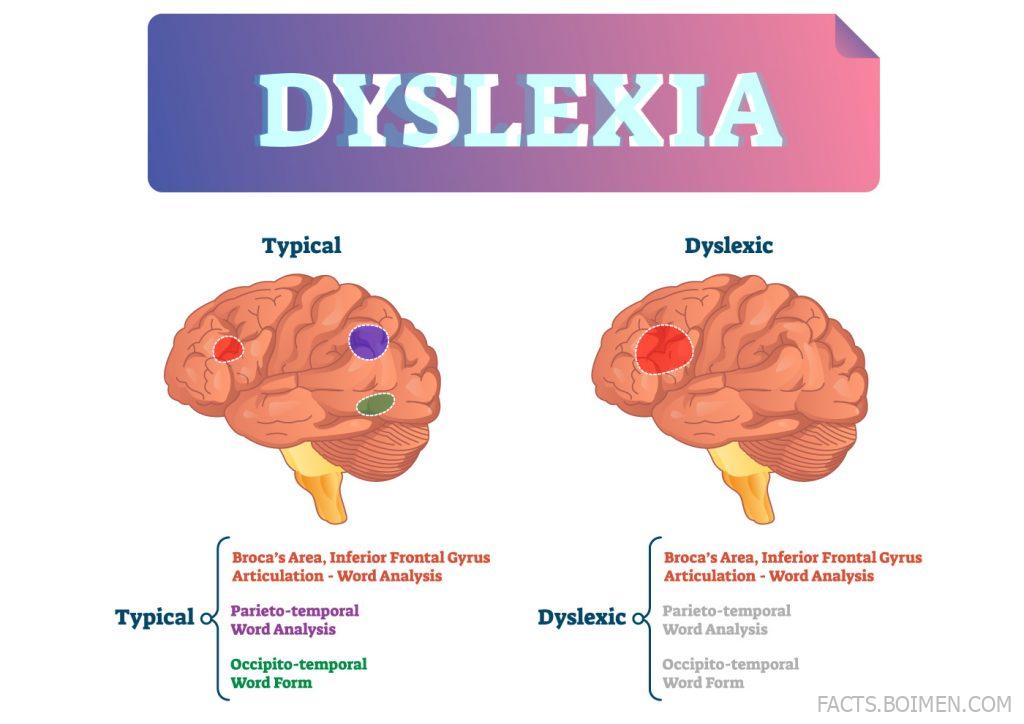
Dyslexia affects how the brain processes written words, making standard text a barrier for millions. While many popular tools exist, they often overlook the nuances of visual stress, tracking difficulties, and phonological challenges. The websites below aren’t just repackaged accessibility features—they’re built from the ground up with dyslexic readers in mind. From scientifically-tested fonts to tailored text-to-speech engines, these tools offer practical, immediate relief. Whether you’re a student, a professional, or a parent, discovering these resources can be a game-changer.
1. Dsxyliea : An Eye-Opening Simulation of Dyslexia
What it is: A web page that simulates the reading experience of dyslexia by scrambling letters within words in real-time.
Category: Awareness & Empathy Tool
Why it stands out: This is the exact link from the pin that brought you here. It’s a powerful interactive demo that lets non-dyslexic individuals feel the frustration of jumbled letters, while dyslexic readers often find it oddly validating. The simulation is adjustable, showing how different levels of severity affect readability.
Best for: Teachers, employers, and family members who want to understand dyslexia better; also a great conversation starter.
2. OpenDyslexic : A Font Designed for Dyslexia
What it is: A free, open-source font created specifically to reduce reading errors for people with dyslexia.
Category: Font & Typography
Why it stands out: Its unique letter shapes—with heavier bottoms to prevent flipping—help anchor the text. Available for download and as a browser extension, it can be applied to any website or document, instantly transforming the reading experience.
Best for: Anyone looking to customize their reading interface with a dyslexia-friendly typeface.
3. Readable : AI-Powered Text Simplification
What it is: A tool that rewrites complex text into simpler, shorter sentences.
Category: Text Simplification
Why it stands out: Unlike basic readability checkers, Readable uses AI to rephrase sentences while preserving meaning. It offers multiple levels of simplification, making it ideal for breaking down dense articles or academic papers.
Best for: Students and professionals who need to digest complex information quickly.
4. NaturalReader : Realistic Text-to-Speech
What it is: A text-to-speech platform that converts written text into natural-sounding audio.
Category: Text-to-Speech
Why it stands out: With over 200 voices in multiple languages, NaturalReader allows you to listen to documents, web pages, and even PDFs. Its OCR feature can read text from images, making it versatile for all types of content.
Best for: Auditory learners and those who prefer listening over reading.
5. Speechify : Text-to-Speech with Celebrity Voices
What it is: A popular text-to-speech app that reads any text aloud, with options for celebrity voices like Snoop Dogg.
Category: Text-to-Speech
Why it stands out: Speechify is known for its high-quality, human-like voices and seamless integration across devices. It can read from photos, PDFs, or web pages, and its speed control helps users find their optimal listening pace.
Best for: People who want a polished, feature-rich TTS experience on the go.
6. Ghotit : Context-Aware Spelling and Grammar Corrections
What it is: A writing assistant designed specifically for people with dyslexia and dysgraphia.
Category: Writing & Proofreading
Why it stands out: Ghotit uses advanced algorithms to understand the context of misspelled words, offering corrections that make sense. It includes a dictionary, thesaurus, and word prediction, making it a comprehensive writing aid.
Best for: Writers who struggle with spelling but have strong ideas.
7. Dyslexia Toolbox : A Suite of Browser Extensions
What it is: A collection of Chrome extensions that assist with reading and writing online.
Category: Browser Extensions
Why it stands out: The toolbox includes tools like a reading ruler, a text-to-speech reader, and a word predictor, all accessible from the browser toolbar. It’s a one-stop shop for customizing the web to your needs.
Best for: Chrome users seeking a lightweight, all-in-one solution.
8. Beeline Reader : Color-Gradient Text for Better Tracking
What it is: A tool that uses a color gradient at the end of each line to guide your eyes to the next line.
Category: Visual Reading Aid
Why it stands out: By adding a subtle color transition, Beeline Reader reduces the tendency to skip lines. It works as a browser extension, app, or PDF converter, and many users find it increases reading speed and comprehension.
Best for: Readers who struggle with line tracking or lose their place frequently.
9. Claro Software : Comprehensive Accessibility Tools
What it is: A suite of reading and writing aids, including screen readers, magnifiers, and predictive text.
Category: Assistive Technology
Why it stands out: Claro offers a range of products for different platforms, such as ClaroRead for PC and Mac, and ClaroSpeak for mobile. Their tools are used in schools and workplaces, and they provide high-quality support.
Best for: Individuals and institutions needing professional-grade accessibility software.
10. Dyslexia Gold : Targeted Reading and Spelling Programs
What it is: An online program that addresses the root causes of reading difficulties, such as visual tracking and phonological awareness.
Category: Educational Program
Why it stands out: Dyslexia Gold uses engaging games and exercises to improve eye tracking and phonics, which are crucial for reading fluency. It’s designed for children but can benefit adults too.
Best for: Parents and educators looking for structured intervention.
11. Learning Ally : Audiobooks for Students with Dyslexia
What it is: A nonprofit providing a vast library of human-read audiobooks, especially textbooks and literature.
Category: Audiobook Library
Why it stands out: Learning Ally offers high-quality audio narration by humans, which aids comprehension. It’s a valuable resource for students who need to access grade-level content despite reading challenges.
Best for: Students in K-12 and higher education, with membership often funded by schools.
12. Bookshare : Accessible eBooks for All
What it is: An online library of accessible eBooks for people with print disabilities, including dyslexia.
Category: eBook Library
Why it stands out: Bookshare offers over 1 million titles in formats like braille, large print, and audio. It’s free for U.S. students through an award from the Department of Education.
Best for: Anyone who qualifies for a print disability, offering a vast collection of titles.
13. Dyslexia Help at University of Michigan : Expert-Curated Resources
What it is: A comprehensive website from the University of Michigan that offers evidence-based advice, tools, and success stories.
Category: Educational Resource Hub
Why it stands out: It’s a trusted source for research-backed information on dyslexia, including tips for parents, teachers, and adults with dyslexia. The site also provides a database of assistive technology.
Best for: Seeking reliable, academic-quality information.
14. Dyslexia Unwrapped : A Safe Space for Young Dyslexics
What it is: A website designed by the British Dyslexia Association for young people aged 14-18.
Category: Youth Community & Resources
Why it stands out: It offers articles, videos, and personal stories from other young dyslexics, fostering a sense of community. Topics range from study tips to mental health, all in an accessible format.
Best for: Teenagers who want relatable content and peer support.
15. Dyslexia Friendly Style Guide : How to Write Clearly for Dyslexic Readers
What it is: A guide from the British Dyslexia Association that explains how to create documents that are easier for dyslexic people to read.
Category: Writing Guidelines
Why it stands out: It covers everything from font choice and spacing to sentence structure and layout. Applying these principles can make any written material more accessible.
Best for: Content creators, employers, and educators who want to produce dyslexia-friendly materials.
Bonus Mentions
- Davis Dyslexia Association International : Offers insights into the gift of dyslexia and specialized correction methods.
- Understood : A broad resource for learning and thinking differences, including practical tips and community support.
- Texthelp : Makers of Read&Write, a popular literacy support tool used in many schools.
- Microsoft Learning Tools : Free tools like Immersive Reader that are built into Office and Edge, offering read-aloud and focus features.
- Dyslexic.com : An online store with a wide range of assistive technology and books about dyslexia.
Your Next Steps to Easier Reading
These hidden gems are more than just tools—they’re keys to unlocking a world where reading is less of a struggle and more of a possibility. From the eye-opening simulation of Dsxyliea to the practical support of OpenDyslexic and beyond, each resource offers a unique way to make text work for you. Try a few that resonate, and don’t be afraid to mix and match. The right combination can make all the difference. What’s your favorite underrated tool that helps with dyslexia? Share it in the comments below—I’d love to discover more gems with you.