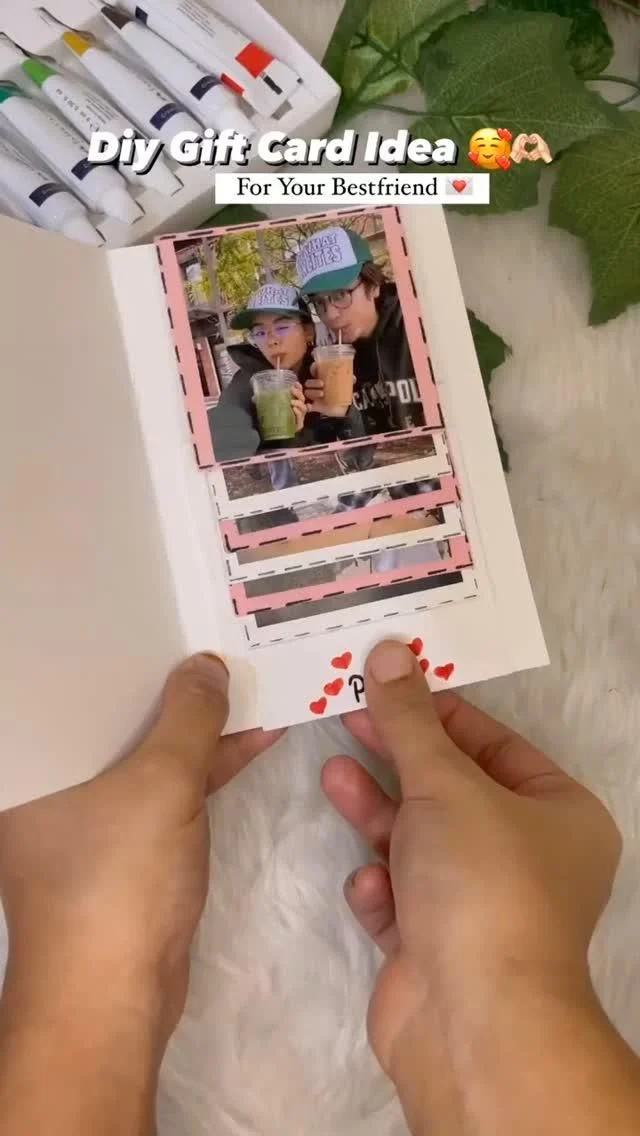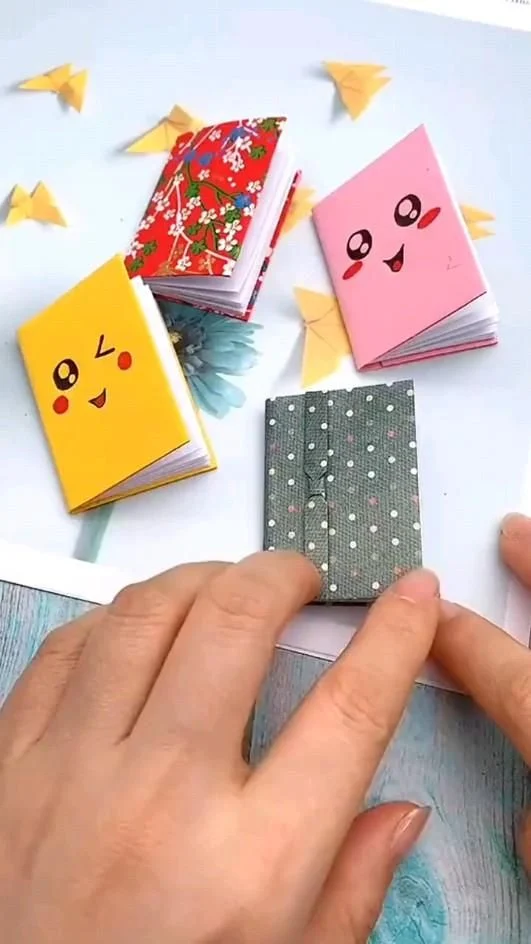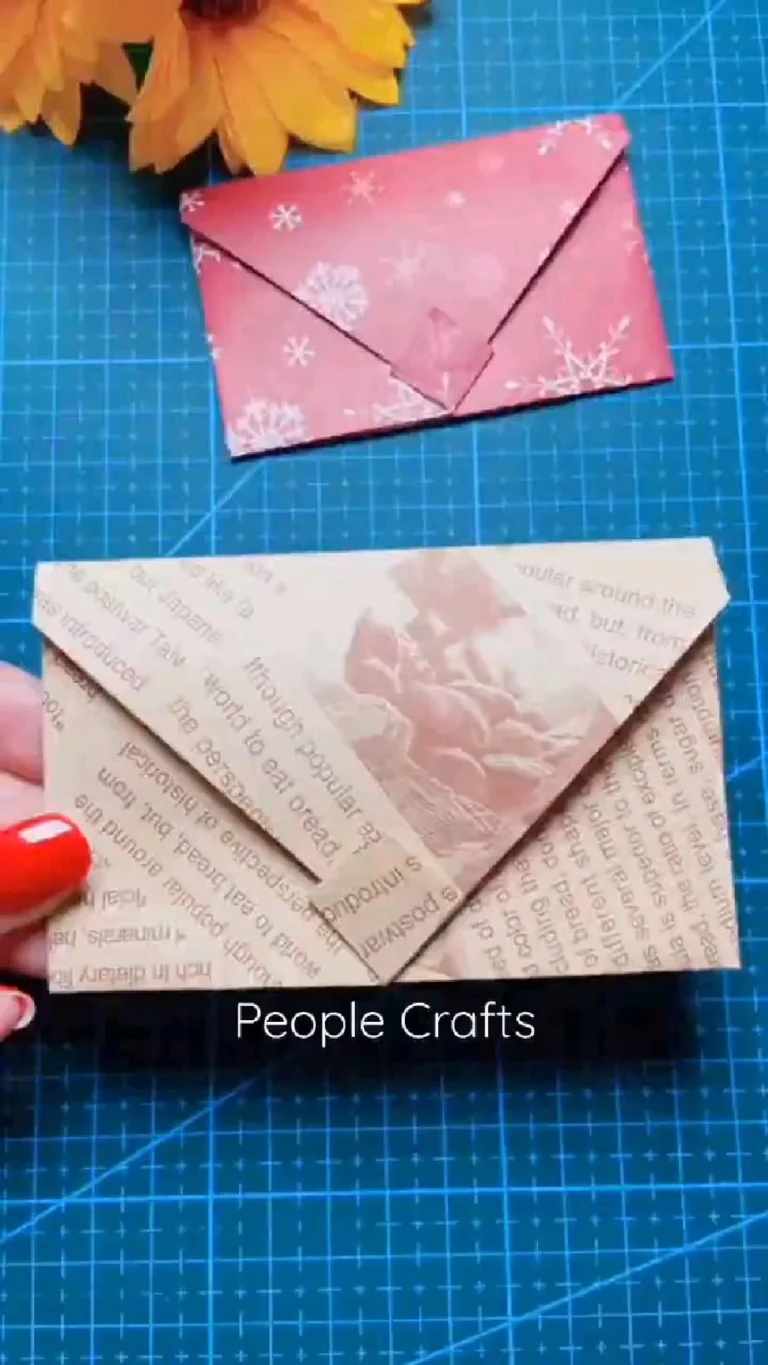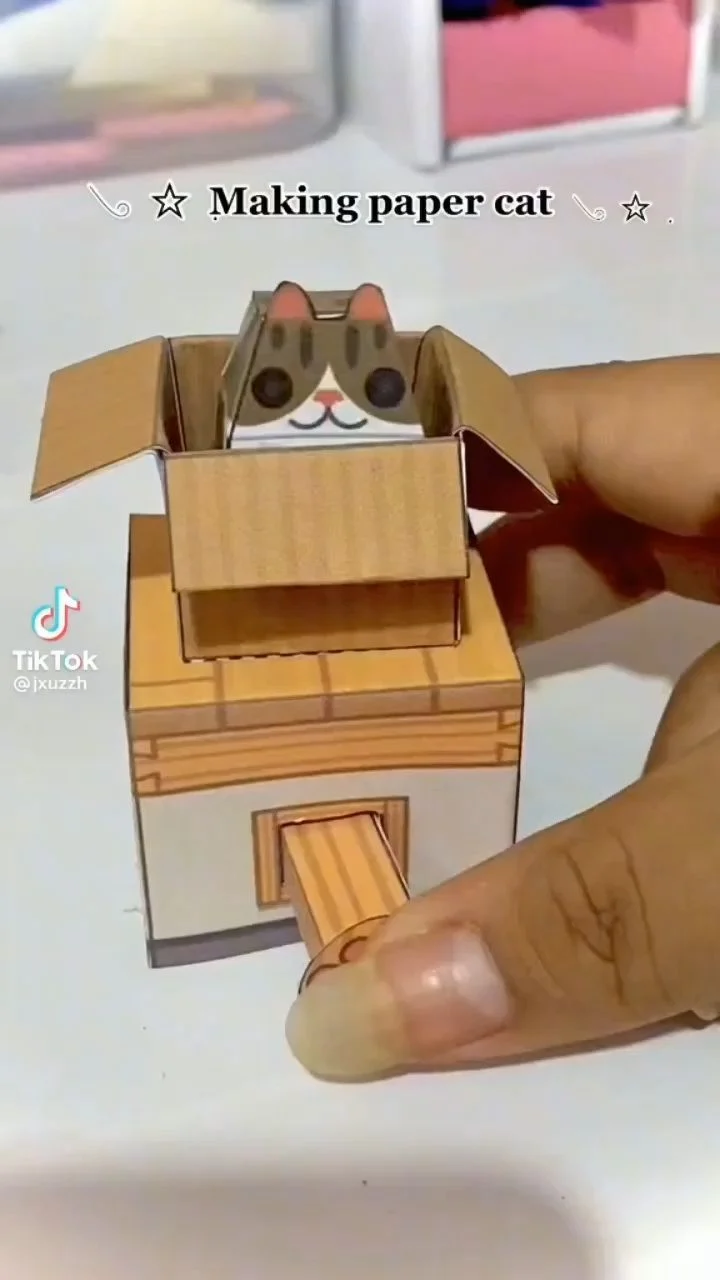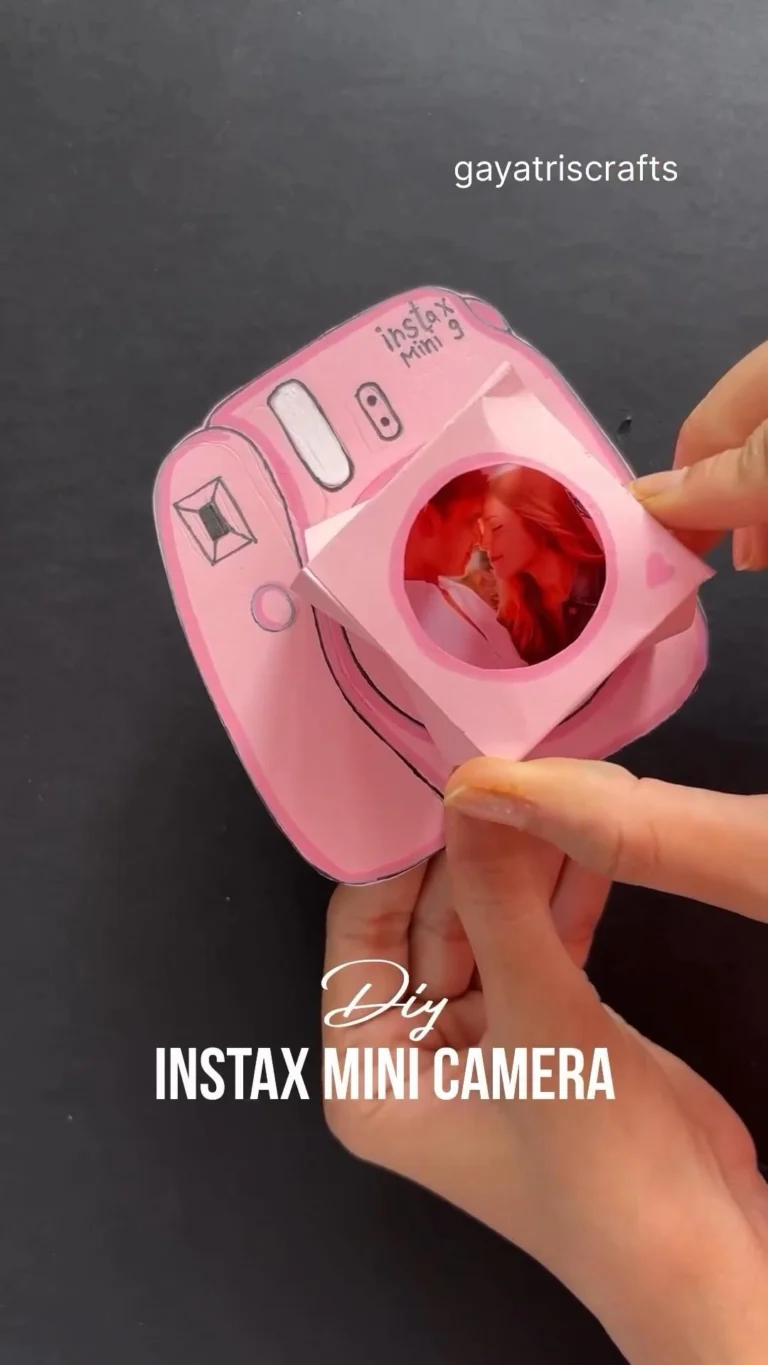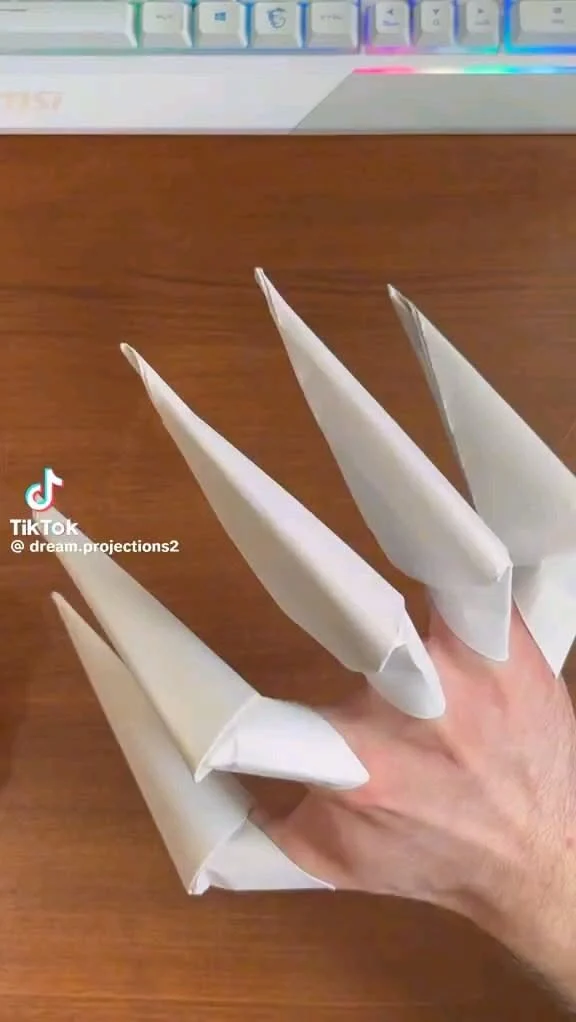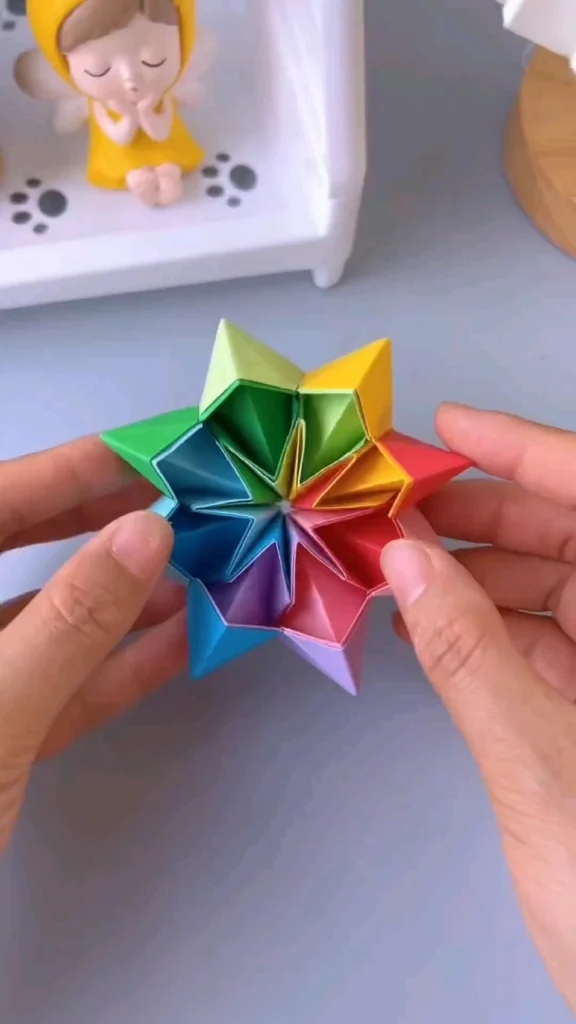
There is something quietly magical about holding a colorful origami star up against a tiny figurine — the scale shift, the patience in the folds, the way a few centimeters of paper suddenly feel like a whole planet. If that image caught your eye, this list is for you. Below are 17 real websites where paper folders, miniature makers, and tiny-world builders share diagrams, templates, and inspiration. Some are decades-old archives, some are single-artist passion projects, and a few are communities where you can post your own star and get feedback. Every link points to a genuine homepage, and every entry explains exactly why it belongs in a paper-and-miniatures bookmark folder.
Table of Contents(Click to Toggle)
- Why Paper Stars and Miniature Worlds Reward the Curious
- 17 Origami Star and Miniature Craft Sites Worth Bookmarking
- 1. Origami.me
- 2. Origami Resource Center
- 3. Origami Club
- 4. Gilad’s Origami Page
- 5. Paper Kawaii
- 6. Origami-Fun
- 7. The Miniature Museum
- 8. Miniatures.com
- 9. The Spruce Crafts
- 10. Instructables
- 11. DeviantArt
- 12. Reddit r/origami
- 13. Pinterest
- 14. YouTube
- 15. Kusudama Me
- 16. Origami Spirit
- 17. All Things Paper
- Bonus Mentions
- The Internet’s Best-Kept Paper Secrets (So Far)
Why Paper Stars and Miniature Worlds Reward the Curious
A lucky star is one of the friendliest entry points into paper folding: it takes a strip of paper, a dozen folds, and a pinch to puff it into a five-pointed shape. But the moment you place that star beside a tiny figurine, the craft changes character. Scale becomes the story. Miniature makers spend years learning how to suggest a whole room in a shoebox, and origami artists spend years learning how to suggest a creature in a single uncut square. The overlap is a community of people who think in small units — one fold, one millimeter, one more star in the jar.
The websites below reflect that overlap. Some are pure diagram libraries with hundreds of free instructions. Others are forums, video channels, or shops where you can buy the specialty paper that makes a star look crisp instead of crumpled. A few are just quiet galleries that will make you want to clear a table and start folding tonight.
17 Origami Star and Miniature Craft Sites Worth Bookmarking
1. Origami.me : Clean, beginner-friendly diagrams for stars and simple figures
What it is: A modern origami instruction site with clear step-by-step diagrams and photo tutorials.
Category: Diagram library
Why it stands out: The layouts are unusually readable on a phone, which matters when your hands are busy. It covers lucky stars, modular stars, and small animal figures you could pair with them.
Best for: Absolute beginners who want one reliable place to start.
2. Origami Resource Center : A deep archive of free diagrams and history
What it is: A long-running reference site packed with free diagrams, paper recommendations, and background on folding traditions.
Category: Reference archive
Why it stands out: It explains the difference between paper types — washi, foil, tant — which is exactly the knowledge that makes a star look sharp rather than soft. The site has been maintained for years and still loads fast.
Best for: Folders who want context alongside instructions.
3. Origami Club : Animated folding guides that show motion, not just steps
What it is: A Japanese site offering animated diagrams where the paper folds itself on screen.
Category: Animated tutorials
Why it stands out: Animation resolves the classic diagram problem — the ambiguous “fold here” arrow. The library is enormous and organized by difficulty and season, so star and flower sections are easy to find.
Best for: Visual learners who struggle with static diagrams.
4. Gilad’s Origami Page : The connoisseur’s catalog of books and models
What it is: A personal site by a longtime origami enthusiast cataloging books, creators, and model galleries.
Category: Curated catalog
Why it stands out: If you have ever wondered which book actually contains the star design you saw online, this is where you find out. The reviews are detailed and honest about difficulty.
Best for: Collectors and anyone ready to buy their first real origami book.
5. Paper Kawaii : Cute modular and mini paper projects with video walkthroughs
What it is: A craft blog and video channel focused on kawaii-style paper projects, including modular stars and tiny boxes.
Category: Video tutorials
Why it stands out: The projects are designed to sit on a desk or in a small display, which fits perfectly with miniature scenes. Each post pairs a written guide with a video, so you can choose your learning style.
Best for: Crafters who want small, giftable projects.
6. Origami-Fun : Printable diagrams you can take offline
What it is: A straightforward diagram site with printable PDF instructions for many simple models.
Category: Printable diagrams
Why it stands out: Printable sheets are underrated — you can spread them on a table next to your paper instead of balancing a laptop. The star and flower sections are especially complete.
Best for: Families and classroom settings without reliable screens.
7. The Miniature Museum : A gallery that celebrates tiny worlds
What it is: An online showcase of miniature art, dollhouse-scale scenes, and micro-craft.
Category: Inspiration gallery
Why it stands out: It reframes scale as an art form. Seeing how miniature artists compose a scene — lighting, proportion, negative space — directly improves how you stage a paper star next to a figurine.
Best for: Anyone building a small display or diorama.
8. Miniatures.com : Supplies and scale-accurate accessories
What it is: A retailer of dollhouse miniatures, tools, and building supplies.
Category: Supply shop
Why it stands out: Sometimes you need a tiny table for your tiny star to sit on. The catalog is organized by scale, which saves you from ordering pieces that are wildly out of proportion.
Best for: Makers who want real miniature props, not just paper.
9. The Spruce Crafts : Broad paper-craft tutorials with clear photography
What it is: A large craft publication with origami, paper flower, and mini-project guides.
Category: Tutorial hub
Why it stands out: The photo quality is consistently high, which makes it easy to judge whether your fold matches the reference. It also covers adjacent skills like paper quilling and card making.
Best for: Crafters who like to mix paper techniques.
10. Instructables : Community project guides for paper and miniatures
What it is: A user-generated project site spanning crafts, models, and DIY builds.
Category: Community tutorials
Why it stands out: Because anyone can publish, you find unusual hybrids — paper stars embedded in resin, folded paper lamps, miniature rooms built from cardstock. Comments often contain fixes the original author missed.
Best for: Tinkerers who want to combine paper with other materials.
11. DeviantArt : Deep galleries of origami and miniature art
What it is: A long-standing art community with extensive traditional-art categories.
Category: Art community
Why it stands out: Search for origami stars or miniature scenes and you will find years of archived work, often with the artist explaining their folding sequence in the description. It is a genuine archive of amateur and professional paper art.
Best for: Browsing for inspiration and finding artists to follow.
12. Reddit r/origami : Fast feedback from an active folding community
What it is: A subreddit where folders post finished models and ask for help.
Category: Community forum
Why it stands out: Post a photo of a star that collapsed and someone will usually tell you within hours whether your paper was too thick or your crease was off. The weekly threads surface new designers.
Best for: Getting unstuck on a specific fold.
13. Pinterest : Visual mood boards for star-and-miniature scenes
What it is: A visual discovery platform built around saved image boards.
Category: Visual discovery
Why it stands out: It is the best place to collect composition ideas — a star on a windowsill, a figurine under a paper canopy. Boards keep your references in one place, though links can go stale, so save the source too.
Best for: Planning a photo or display before you fold.
14. YouTube : Slow-motion folding videos for tricky steps
What it is: The largest video library, with thousands of origami and miniature tutorials.
Category: Video tutorials
Why it stands out: Playback speed control is the killer feature — drop to half speed and a confusing collapse becomes obvious. Channels dedicated to modular origami show the assembly order that diagrams rarely explain well.
Best for: Learning complex modular stars step by step.
15. Kusudama Me : Modular origami diagrams with a mathematical bent
What it is: A site devoted to kusudama — folded units assembled into spheres and stars.
Category: Modular origami
Why it stands out: The diagrams are precise and the site explains the geometry behind each assembly, so you understand why the units lock together. Finished kusudama make stunning centerpieces beside miniature figures.
Best for: Folders who enjoy repetition and pattern.
16. Origami Spirit : Thoughtful tutorials with a teaching focus
What it is: A blog by an origami educator offering tutorials, tips, and reflections on folding.
Category: Tutorial blog
Why it stands out: Posts explain the reasoning behind a step rather than just showing it, which builds skill instead of dependence. The writing is warm and the photography is clean.
Best for: Learners who want to understand, not just copy.
17. All Things Paper : A curated blog spotlighting paper artists
What it is: A long-running blog featuring interviews and features on paper artists and craft techniques.
Category: Craft blog
Why it stands out: The curation is genuinely good — you discover artists working in paper sculpture, quilling, and folded lighting. Many features include process photos that reveal how a delicate piece holds its shape.
Best for: Finding new paper artists to follow.
Bonus Mentions
Etsy : Where to buy handmade stars and miniature props
Search for folded paper stars or dollhouse accessories and you will find small makers selling exactly the scale you need. Useful when you want a finished piece rather than a project.
Ravelry : A pattern community that crosses into tiny crafts
Primarily a fiber-arts site, but its pattern organization is a model for how any craft library should work — filter by difficulty, material, and finished size.
wikiHow : Quick illustrated guides for simple folds
Not a specialist site, but its step illustrations for lucky stars and simple boxes are clear and free, which makes it a decent first stop.
British Origami Society : A society with a real diagram archive
The society publishes folding diagrams and event information, and its archive is a useful reference for traditional models.
The Internet’s Best-Kept Paper Secrets (So Far)
What makes this corner of the web worth returning to is how generous it is. Most of these sites are run by hobbyists who learned from someone else and decided to pass it on — free diagrams, patient explanations, and galleries that document years of small, careful work. Start with one star. Fold it badly. Then fold it again with better paper. Place it next to something tiny and notice how the scale changes the whole feeling of the object. That is the real trick these sites are teaching.
If you try one of these, or if you already have a favorite paper-craft site that did not make the list, share it in the comments — the best finds always come from other folders.