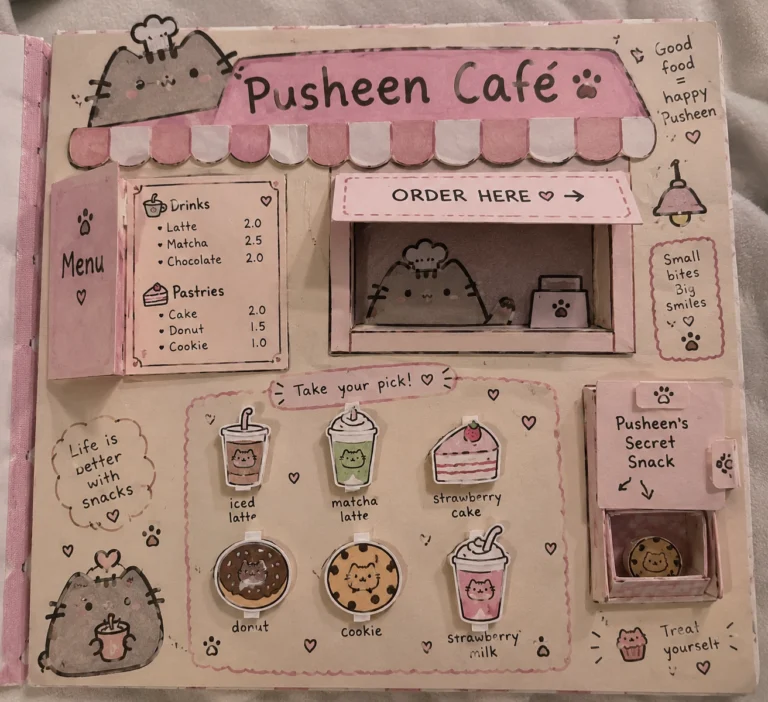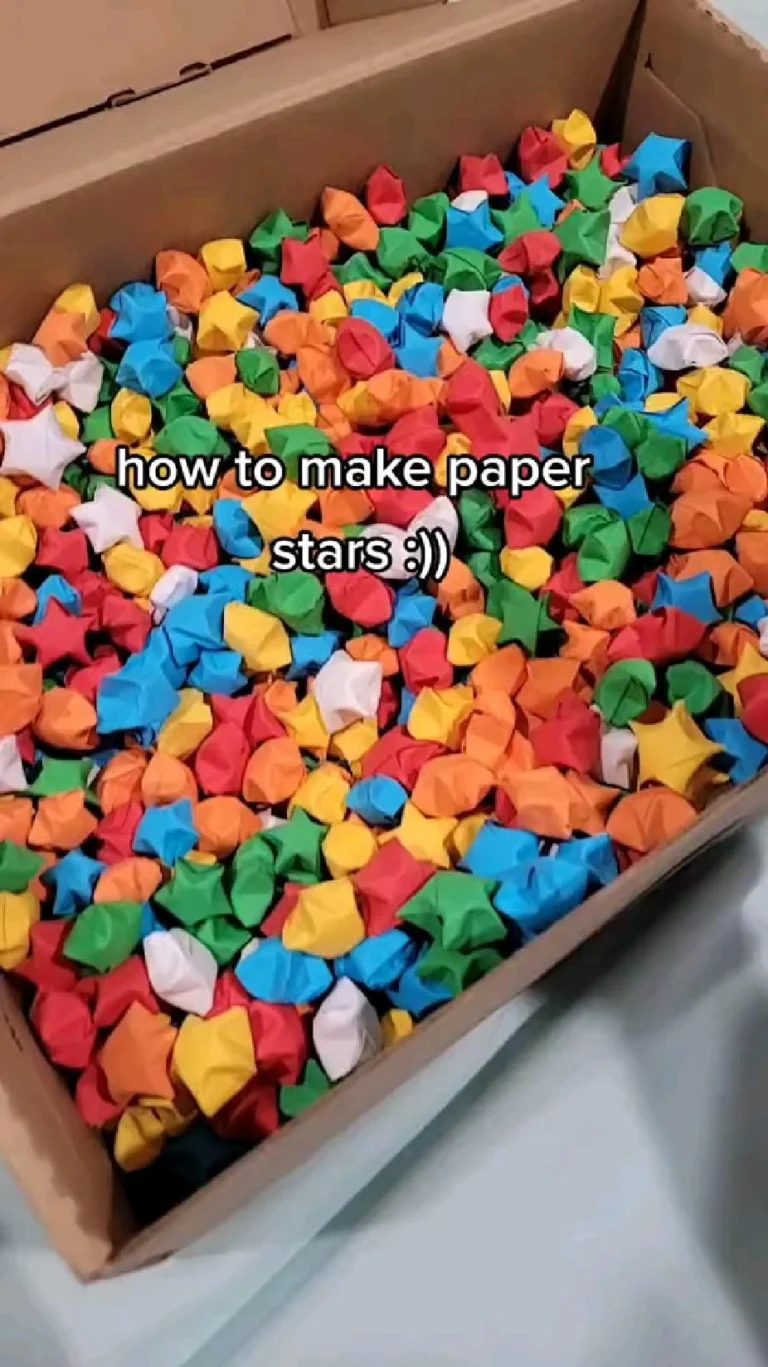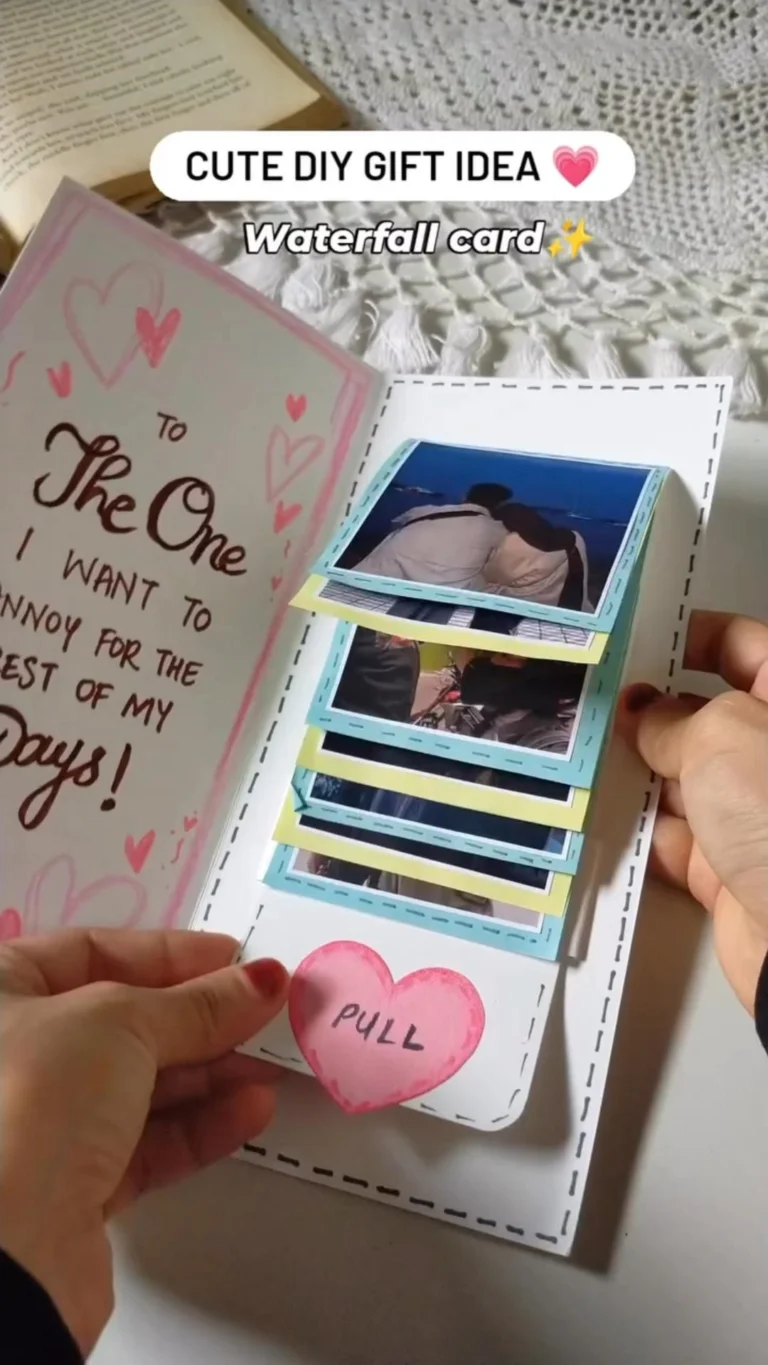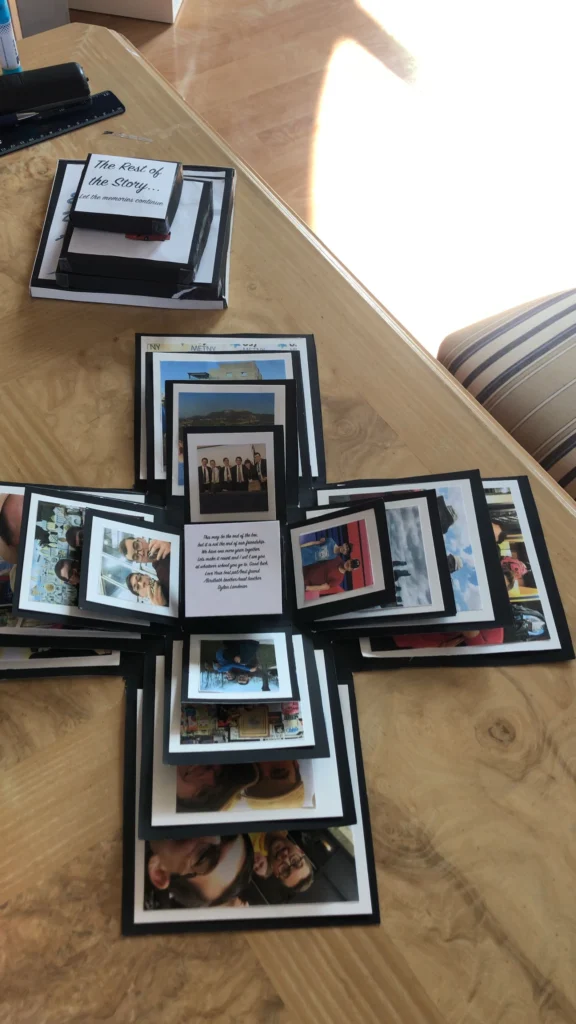
There is a particular kind of ache that comes with the last day of school — the locker cleaned out, the yearbook signed, the realization that the daily rhythm you took for granted is about to change. The note scribbled on the inside of a photo box captures it perfectly: the memories continue to the end of the box, but the box is not the end of the friendship. There is always one more year together, one more birthday, one more inside joke to file away.
That is exactly what a DIY photo box is for. It is not a scrapbook you stress over or a shadow box that costs a fortune at a craft store. It is paper, glue, printed photos, and a little patience — a physical place to put the proof that the friendship happened. Below are 21 approaches to building that box, from the simplest folded-paper version to keepsake systems that will still be readable in twenty years.
Table of Contents(Click to Toggle)
- Why a DIY Memory Box Beats a Group Chat Archive
- 21 DIY Memory Box Ideas for Friendships That Outlast the School Year
- 1. Classic Photo Box
- 2. Shoebox Time Capsule
- 3. Folded Paper Pocket Box
- 4. Friendship Bracelet Keepsake Tin
- 5. Yearbook Signature Box
- 6. Index Card Memory Deck
- 7. Polaroid Stack Book
- 8. Ticket Stub Archive
- 9. Letter-to-Future-Self Box
- 10. Accordion Fold Photo Strip
- 11. Mason Jar Memory Roll
- 12. Photo Album With Handwritten Captions
- 13. Map Pin Memory Board
- 14. Friendship Journal Box
- 15. Digital-to-Print Photo Book
- 16. Birthday Card Binder
- 17. Inside-Joke Quote Box
- 18. Fabric-Covered Memory Chest
- 19. One-Photo-Per-Week Box
- 20. Reunion Box
- 21. Digital Memory Vault
- Bonus Mentions
- The Box Ends, the Friendship Doesn’t
Why a DIY Memory Box Beats a Group Chat Archive
Group chats feel permanent until a phone breaks, an account gets deleted, or a thread scrolls so far back that nobody bothers to find the photo anymore. A physical box has none of those failure modes. It does not need a charger, it does not expire, and it does not require anyone to scroll past a thousand memes to reach the thing that mattered.
There is also something about the making of it. Handing someone a box you assembled yourself — paper cut slightly crooked, glue visible in one corner — communicates effort in a way a forwarded photo never can. The materials are cheap, the skill ceiling is low, and the payoff is a shared object that gets opened on birthdays and moving days for years. If you are building one before graduation, before a move, or before a friend leaves for a different school, the timing matters more than the craftsmanship.
21 DIY Memory Box Ideas for Friendships That Outlast the School Year
1. Classic Photo Box : The starter project from the pin itself
What it is: A small rigid box, wrapped or painted, with a hinged lid and a stack of printed photos inside.
Category: Core build
Why it stands out: This is the version described on the pin — paper, glue, photos, assemble. A craft-store paper mache or wooden box runs a few dollars, and a glue stick plus a ruler gets you a clean result in an afternoon. The limitation is depth: keep it to 4×6 prints or the lid will not close.
Best for: A first-time maker who wants a finished object the same day.
2. Shoebox Time Capsule : Zero-cost, maximum capacity
What it is: A plain shoebox sealed with tape and a date written on the lid, opened on a set future day.
Category: Time capsule
Why it stands out: The box costs nothing and holds awkward-shaped objects — a hoodie string, a broken earbud, a printed schedule. The rule that makes it work is a firm opening date written on the outside. Without that, it becomes clutter; with it, it becomes an event.
Best for: Friend groups who want a shared reveal moment a year or two out.
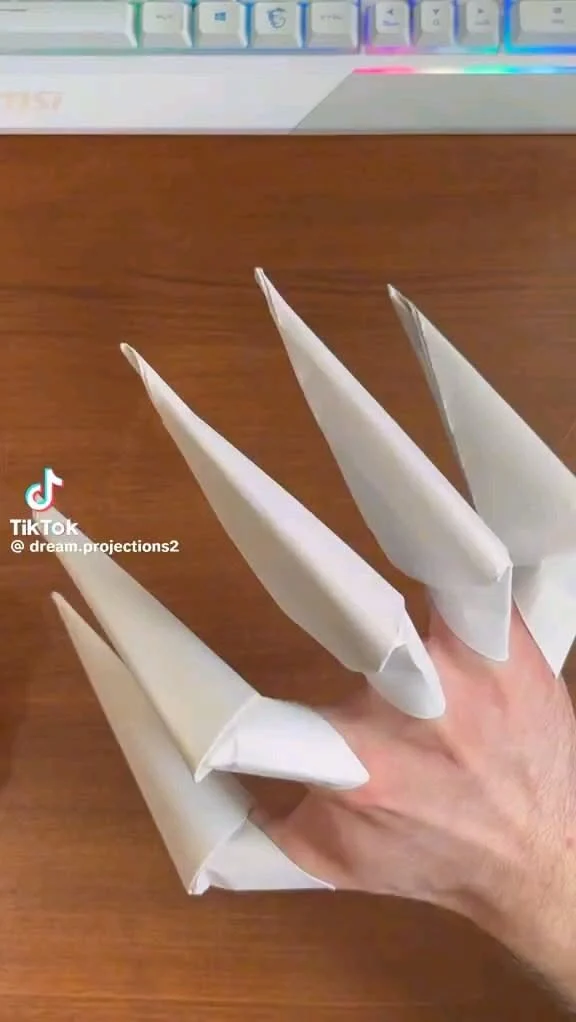
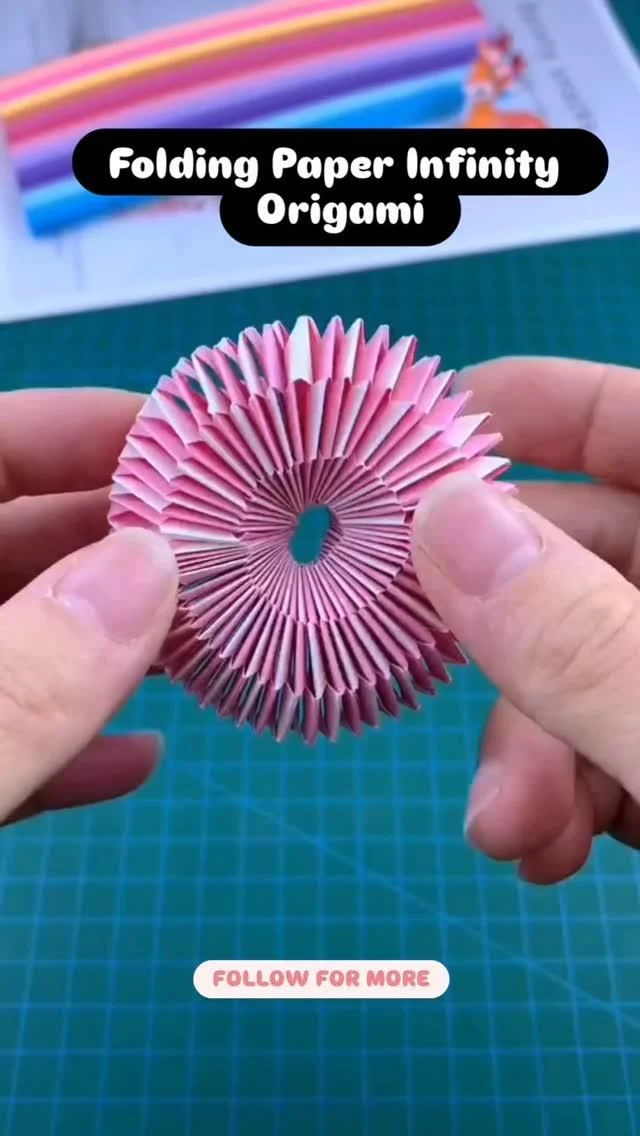
3. Folded Paper Pocket Box : No glue, no store run
What it is: An origami box folded from two square sheets, one for the base and one slightly smaller for the lid.
Category: Paper craft
Why it stands out: If you have printer paper and five minutes, you have a box. The trade-off is durability — a folded paper box is for small flat items like ticket stubs and notes, not for anything heavy. Make several and nest them.
Best for: Last-minute gifts and classroom-sized batches.
4. Friendship Bracelet Keepsake Tin : Small, metal, and unbreakable
What it is: An empty mint or cookie tin repurposed to hold woven bracelets, pins, and tiny notes.
Category: Upcycled container
Why it stands out: Metal tins survive backpacks and moves far better than cardboard. A label on the lid and a short index card listing who made which bracelet turns a jumble into a record. Wash and dry the tin thoroughly first or the inside will smell like peppermint forever.
Best for: Anyone whose friendship history is measured in bracelets.
5. Yearbook Signature Box : Turn signed pages into a keepsake
What it is: A box lined with photocopied yearbook pages, with the original signatures preserved inside.
Category: School memory
Why it stands out: Yearbooks get lost and pages get bent. Photocopying the signed pages and using the copies as lining means the original stays safe and the box carries every message at once. Add a photo of the signer next to their note where you can.
Best for: The end of a final year, when everyone signs everything.
6. Index Card Memory Deck : One memory per card
What it is: A stack of index cards, each holding a single dated memory, stored in a small card box.
Category: Written archive
Why it stands out: Cards are cheap, replaceable, and sortable. You can shuffle them, pull one at random, or hand the deck to a friend to add to. The format forces brevity — one memory, one card — which keeps the project finishable instead of abandoned.
Best for: People who freeze at the sight of a blank scrapbook page.
7. Polaroid Stack Book : Instant photos bound with string
What it is: Instant prints punched at the corner and threaded onto a binder ring or ribbon.
Category: Photo binding
Why it stands out: No adhesive touches the photo, so nothing yellows or peels. Instant film has a distinctive look that reads as a specific era, and the ring format lets you add pages later. Keep it out of direct sun — instant prints fade faster than lab prints.
Best for: Friends who take photos in the moment rather than planning them.
8. Ticket Stub Archive : Proof you were actually there
What it is: A box or sleeve system dedicated to concert, movie, and game tickets, each annotated with who was there.
Category: Event memory
Why it stands out: Tickets are already physical artifacts with dates and seat numbers printed on them — they do half the archiving for you. The only rule is writing the names on the back immediately, because in five years you will not remember who sat where.
Best for: Concert-going friends with a shoebox of loose stubs already.
9. Letter-to-Future-Self Box : Sealed and dated
What it is: Each friend writes a letter to their future self, seals it, and the group stores all the letters together.
Category: Time capsule
Why it stands out: The letters stay together even if the friends scatter, which makes the eventual opening a reunion rather than a solo moment. Seal each envelope with a wax stamp or tape and write the open date across the flap so nobody peeks.
Best for: Groups facing a move or a graduation.
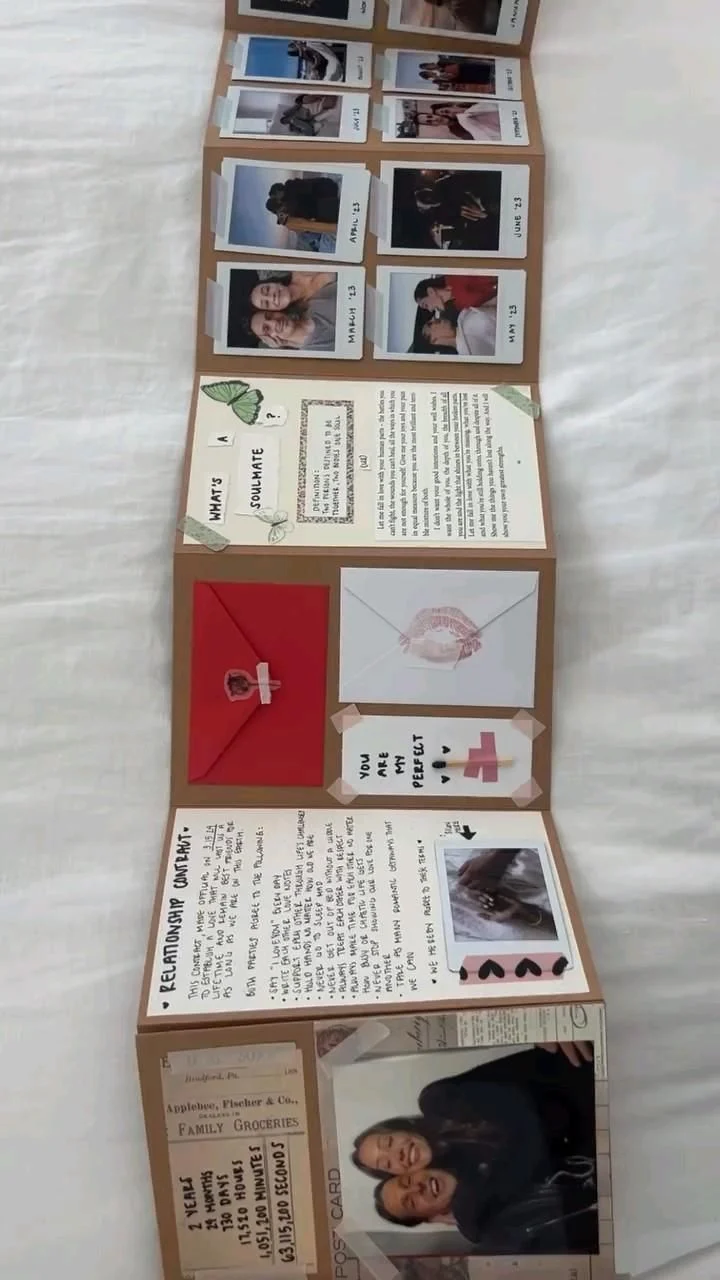
10. Accordion Fold Photo Strip : Folds flat, opens long
What it is: Photos mounted on a long strip of card scored and folded accordion-style, stored in a slim box.
Category: Photo display
Why it stands out: It stores in the footprint of a single photo but unfolds into a timeline across a table. Score the folds with a bone folder or the back of a spoon for clean creases. Cardstock weight matters — printer paper will tear at the folds within a year.
Best for: A chronological story, like one school year in twelve photos.
11. Mason Jar Memory Roll : Notes curled inside glass
What it is: Slips of paper rolled and dropped into a jar, one per memory, added over time.
Category: Container alternative
Why it stands out: A jar is visible on a shelf in a way a closed box is not, which keeps the project alive. Roll each note around a pencil for a tight curl and date the outside edge. Glass is fragile in a backpack but excellent on a desk.
Best for: Ongoing accumulation rather than a one-time build.
12. Photo Album With Handwritten Captions : Context beats image quality
What it is: A standard slip-in or adhesive album where every photo gets a handwritten line beneath it.
Category: Photo album
Why it stands out: In twenty years the photo will still be a photo, but the caption is what will be irreplaceable. Write names, dates, and the joke nobody else would understand. Use archival-quality adhesive if you go the sticky-page route; cheap adhesive is the main cause of album damage.
Best for: Anyone who has ever looked at an old photo and thought “who is that?”
13. Map Pin Memory Board : Where the friendship happened
What it is: A printed map with pins marking places that matter, mounted inside a shallow box lid.
Category: Display board
Why it stands out: Pinterest is full of variations on this idea, and the box-lid version is the most practical because it doubles as a container for the photos behind each pin. Print the map at a scale that includes your actual neighborhood, not just the state.
Best for: Friends whose memories are tied to specific places.
14. Friendship Journal Box : A notebook that travels
What it is: A shared notebook that passes between friends, stored in a box with the photos and objects it references.
Category: Written archive
Why it stands out: The box gives the journal a home so it does not get lost between handoffs. Set a rule — each person writes one entry before passing it on — and the notebook fills itself. A pocketed notebook cover keeps loose additions from falling out.
Best for: Friends who live far apart but see each other occasionally.
15. Digital-to-Print Photo Book : Print the group chat photos
What it is: A printed photo book assembled from phone photos, ordered online and delivered.
Category: Print service
Why it stands out: The photos that matter most are usually trapped on someone’s phone. A print service turns them into a bound object in a week or two. Order a duplicate copy — one for the box, one to give away — since the second copy is far cheaper than the first.
Best for: Groups with hundreds of digital photos and zero prints.
16. Birthday Card Binder : Every card, hole-punched
What it is: Cards hole-punched and stored in a ring binder with plastic sleeves.
Category: Card archive
Why it stands out: Birthday cards are the most-thrown-away meaningful object there is. A binder keeps them flat, visible, and addable. Etsy sellers make custom binder covers if you want it to look like a gift rather than office supplies. Punch the corner, not the fold, or the card will tear.
Best for: Anyone with a drawer of unsent and received cards.
17. Inside-Joke Quote Box : A box of things only you understand
What it is: A small box holding printed quotes, doodles, and one-liners from years of shared jokes.
Category: Humor archive
Why it stands out: Canva makes it easy to typeset a quote card in a few minutes so it looks intentional rather than scribbled. The box will mean nothing to anyone outside the friendship, which is precisely the point. Keep a numbered list on the lid so you can find the one you want.
Best for: Friend groups with a private vocabulary.
18. Fabric-Covered Memory Chest : The upgrade version
What it is: A wooden or cardboard chest covered in fabric with a padded lid and a small latch.
Category: Core build
Why it stands out: Fabric hides imperfect corners far better than paint does, which makes it forgiving for beginners. A quarter-yard of quilting cotton covers a small chest. Use fabric glue rather than hot glue on thin fabric — hot glue bleeds through and leaves shiny spots.
Best for: A gift box meant to be displayed, not stored.
19. One-Photo-Per-Week Box : A year in 52 prints
What it is: A commitment to print one photo per week and drop it in the box, in order.
Category: Habit project
Why it stands out: The constraint is the feature. Fifty-two prints is achievable, and the resulting stack is a genuine record of a year rather than a highlight reel. Keep a small printer or a weekly print order going; the project dies the moment printing becomes a chore.
Best for: Friends who want documentation without a scrapbook commitment.
20. Reunion Box : Opened only when everyone is together
What it is: A box sealed with a group rule: it opens only when all original members are present.
Category: Shared ritual
Why it stands out: The rule creates a reason to reunite. Archival boxes and sleeves are worth the small extra cost here because the contents may sit for a decade. Label the outside with the founding date and the names of everyone who is allowed to open it.
Best for: Friend groups about to spread across different schools or cities.
21. Digital Memory Vault : The backup that makes the box safe
What it is: A shared cloud album where every photo in the physical box is also stored digitally.
Category: Backup
Why it stands out: Paper burns, floods, and gets lost in moves. A shared album means the box can be rebuilt if the worst happens, and it lets faraway friends see the contents. Scan or re-photograph prints as you add them; a phone camera and good window light is enough.
Best for: Every box, honestly — build this alongside the physical one.
Bonus Mentions
Archival Storage Sleeves : Acid-free protection for anything going in the box
What it is: Plastic sleeves and boxes rated for long-term paper storage.
Category: Supplies
Why it stands out: Ordinary plastic bags and cheap cardboard off-gas and discolor photos over years. Archival sleeves cost more per unit but are the difference between a keepsake and a mess.
Best for: Boxes intended to be opened decades later.
Mod Podge : The all-purpose decoupage adhesive
What it is: A brush-on sealer and glue used to attach paper to boxes.
Category: Supplies
Why it stands out: It works as both adhesive and finish, so one bottle covers the whole project. Apply thin coats and let each dry, or the paper will wrinkle.
Best for: Covering a plain box with maps, book pages, or photos.
Bone Folder : Clean creases on every fold
What it is: A smooth folding tool used in bookbinding and paper craft.
Category: Tools
Why it stands out: The back of a spoon works, but a bone folder gives sharper, more consistent creases on accordion folds and box corners for a few dollars.
Best for: Anyone making more than one folded paper box.
Home Photo Printer : Print on demand, no store trip
What it is: A compact inkjet printer for 4×6 photo prints at home.
Category: Tools
Why it stands out: The biggest killer of memory projects is the delay between taking a photo and printing it. A home printer shortens that to minutes. Ink costs add up, so print in batches.
Best for: The one-photo-per-week approach.
The Box Ends, the Friendship Doesn’t
Every one of these projects comes down to the same idea: take the things that would otherwise evaporate — the notes, the ticket stubs, the badly lit photos, the jokes nobody outside the group would understand — and give them a physical home. The box fills up. The lid closes. And then, years later, someone opens it and the whole thing comes back at once.
The materials are not the point. A shoebox works as well as a fabric-covered chest if the contents are real. What matters is starting before the last bell rings, while everyone is still in the same place and the memories are still fresh enough to write down. Pick one idea from this list, gather the paper and glue, and build the first version this week.
Which memory box idea are you building first — and what is the one object you would refuse to leave out of it?