A handmade pop-up card is one of those rare projects that looks far more complicated than it actually is. The secret is almost never artistic talent — it’s the fold. Once you understand a handful of basic mechanisms (the V-fold, the parallel fold, the box fold), an entire universe of cards opens up, from simple photo pop-ups that fit in an envelope to layered shadow boxes that beg to be displayed on a shelf.
The problem is that most tutorials online are either blurry 2011 blog photos or 12-minute videos that bury the actual template in minute nine. So this list gathers the best places to find printable templates, cut-file designs, and step-by-step mechanisms — the resources that let you go from “I have cardstock and no plan” to “this looks like it came from a boutique” in an afternoon. Whether you want to showcase polaroid-style photos or build a paper garden, there’s something here for your skill level.
Table of Contents(Click to Toggle)
- Why Pop-Up Cards Are the Most Underrated Paper Craft
- 17 DIY Pop-Up Card Resources Worth Bookmarking
- 1. Creative Park by Canon
- 2. Cricut Design Space
- 3. Silhouette Studio
- 4. Papercraft Inspirations
- 5. Dreaming Tree
- 6. SVG Cuts
- 7. Robert Sabuda
- 8. Canon Creative Park Paper Museum
- 9. Etsy Template Shops
- 10. The House That Lars Built
- 11. Card Making Ideas (Pinterest)
- 12. Cricut Access
- 13. LovePop
- 14. Popup Card Studio
- 15. The Pop-Up Channel
- 16. Paper Kawaii
- 17. Instructables
- Bonus Mentions
- The Internet’s Best-Kept Paper Craft Secrets
Why Pop-Up Cards Are the Most Underrated Paper Craft
Greeting card aisles are full of cards that cost six dollars and say nothing. A pop-up card, on the other hand, is a small piece of engineering that someone made with their hands — and the reaction it gets is completely different. People keep them. They photograph them. They put them on a shelf instead of in a drawer.
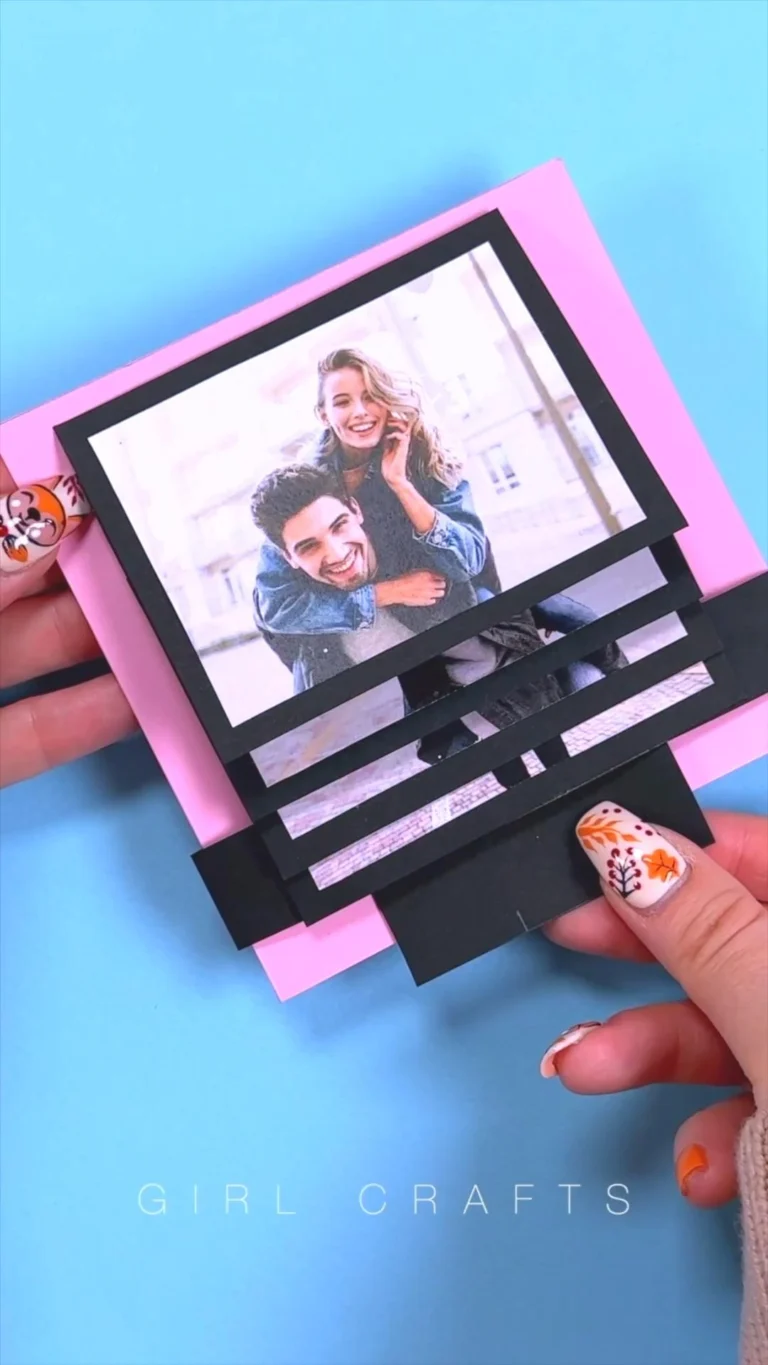
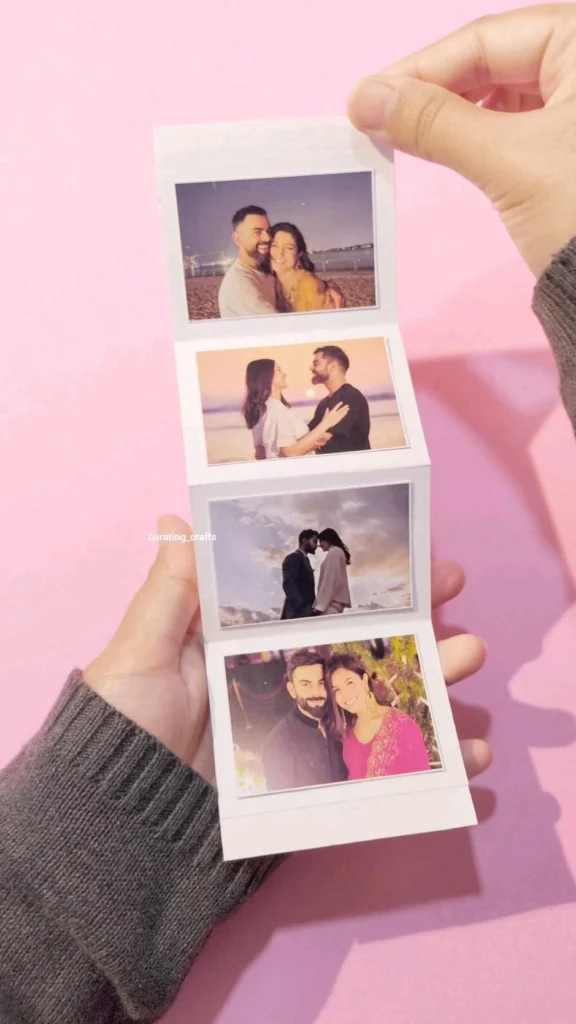
The barrier has never been skill; it’s access to good templates and clear fold diagrams. A single well-designed template turns a flat sheet of cardstock into a flower that blooms when opened, and the tools below are where those templates live. Most are free, many are printable at home, and a few work with cutting machines you may already own. The polaroid-style photo card that inspired this list is a perfect starting point: three small photo frames on a simple parallel fold, a pink backdrop, and suddenly you have a gift that feels personal and polished at the same time.
17 DIY Pop-Up Card Resources Worth Bookmarking
1. Creative Park by Canon : Free printable paper craft templates from a major brand
What it is: Canon’s long-running library of free downloadable paper craft templates, including pop-up cards, animals, and architectural models.
Category: Free printable template library
Why it stands out:
- Everything is free and print-ready on standard home printers
- Clear assembly instructions with numbered diagrams
- Seasonal and holiday collections rotate throughout the year
Best for: Beginners who want a free template with instructions they can trust, and anyone making cards with kids.
2. Cricut Design Space : Cut-file designs that assemble into layered pop-ups
What it is: The free design software for Cricut cutting machines, with a large built-in library of card and pop-up designs.
Category: Cutting machine software
Why it stands out:
- Search “pop up card” and you’ll find hundreds of ready-to-cut projects
- Handles intricate cuts that scissors simply can’t manage
- Free tier includes plenty of designs; Access subscription adds more
Best for: Crafters who own a Cricut and want repeatable, precise results — especially for multi-layer photo frames.
3. Silhouette Studio : Design software with a generous free tier
What it is: The companion software for Silhouette cutting machines, available in free and paid editions.
Category: Cutting machine software
Why it stands out:
- The free Basic Edition can open and cut SVG files without a subscription
- Precise node editing for adjusting fold lines to your exact card size
- Works with third-party SVG files from almost any template shop
Best for: Silhouette owners, and anyone who prefers buying one-off SVG files rather than subscribing.
4. Papercraft Inspirations : Tutorials and free downloads from a craft magazine
What it is: The papercraft section of Gathered, a UK craft magazine site with free project downloads and step-by-step guides.
Category: Tutorial site
Why it stands out:
- Written tutorials with real photographs of each fold step
- Free printable templates paired with every project
- Beginner-friendly explanations of mechanisms like V-folds and box folds
Best for: Readers who learn better from still photos than video, and want to understand why a fold works.
5. Dreaming Tree : SVG pop-up card designs with video assembly
What it is: A design shop specializing in 3D paper projects, including a large catalog of pop-up cards in SVG format.
Category: SVG design shop
Why it stands out:
- Every design comes with a full video assembly tutorial
- Free designs offered regularly alongside paid bundles
- Projects are tested so the folds actually line up
Best for: Cutting machine users who want a guided build from cut to finished card.
6. SVG Cuts : One of the original paper SVG libraries
What it is: A long-established shop and community for paper craft SVG files, including cards and 3D paper projects.
Category: SVG design shop
Why it stands out:
- Deep back catalog built over many years
- Bundles that group an entire themed card set together
- Supportive community forums for troubleshooting cuts
Best for: Crafters who want themed sets — a whole birthday collection, for example — rather than single files.
7. Robert Sabuda : Free templates from a master paper engineer
What it is: The website of renowned pop-up book artist Robert Sabuda, who shares free printable pop-up templates.
Category: Artist template archive
Why it stands out:
- Templates designed by a professional paper engineer
- Simple, elegant mechanisms that look impressive
- Completely free, with printable patterns and instructions
Best for: Anyone who wants to learn pop-up mechanics from a genuine expert rather than a hobby blog.
8. Canon Creative Park Paper Museum : Themed collections and seasonal sets
What it is: The curated collection side of Creative Park, organized into themes and seasonal sets.
Category: Printable template collection
Why it stands out:
- Browse by theme instead of scrolling a flat list
- Holiday sets released ahead of each season
- Mixes cards with matching decorative paper projects
Best for: Planning a batch of cards for a holiday or event, where you want a coordinated look.
9. Etsy Template Shops : Instant-download templates from independent designers
What it is: A marketplace where independent designers sell instant-download pop-up card templates in PDF and SVG formats.
Category: Marketplace
Why it stands out:
- Search “pop up card template” and filter to digital downloads
- Highly specific designs, from polaroid photo frames to layered florals
- Most sellers include both cut-file and print-and-cut versions
Best for: Finding a template for a very particular occasion that big libraries don’t cover.
10. The House That Lars Built : Editorial-quality paper craft tutorials
What it is: A design blog known for beautifully photographed paper craft projects, including cards and paper flowers.
Category: Craft blog
Why it stands out:
- Project photography that actually shows you the finished result clearly
- Free templates embedded in many posts
- Strong on color palettes and styling — useful if you’re matching a pink backdrop aesthetic
Best for: Crafters who care as much about how the card photographs as how it folds.
11. Card Making Ideas (Pinterest) : The fastest visual search for mechanisms
What it is: Pinterest’s card-making boards, where thousands of tutorials and templates are pinned and sorted visually.
Category: Visual inspiration board
Why it stands out:
- Search “pop up card tutorial” and scan dozens of finished results at once
- Pins often link straight to the original tutorial
- Great for spotting a mechanism you didn’t know existed
Best for: Early-stage brainstorming, before you commit to a specific template or tool.
12. Cricut Access : Subscription library with ready-made card projects
What it is: Cricut’s subscription service, unlocking a large library of images, fonts, and ready-to-make projects.
Category: Subscription design library
Why it stands out:
- Ready-to-make projects include the full cut list and assembly order
- Fonts included, useful for adding a message to a photo card
- Discounts on materials in the Cricut store
Best for: Frequent card makers who would otherwise buy several individual designs per month.
13. LovePop : Buy one first, then reverse-engineer it
What it is: A retailer of intricate laser-cut pop-up cards, sold individually and in bundles.
Category: Commercial pop-up cards
Why it stands out:
- Seeing a professional card in person teaches you a lot about paper weight and fold depth
- Their designs are a useful reference for what reads well at small scale
- Good gift option when you want the look without the craft time
Best for: Studying construction quality, or buying a reference card before designing your own version.
14. Popup Card Studio : Software for designing your own mechanisms
What it is: A niche desktop application for designing pop-up cards from scratch, with a preview of the folded result.
Category: Design software
Why it stands out:
- Lets you build a custom mechanism rather than adapt someone else’s
- Visualizes how the card will look when opened
- Exports a cut pattern you can print or send to a cutter
Best for: Tinkerers who want to invent a fold rather than follow a template.
15. The Pop-Up Channel : Video walkthroughs of fold mechanics
What it is: The broad collection of paper engineering tutorials on YouTube, where seeing a fold happen in motion is often the fastest way to learn it.
Category: Video tutorials
Why it stands out:
- Motion makes mechanisms like the parallel fold instantly understandable
- Creators often show the flat pattern before folding
- Free and searchable by specific mechanism name
Best for: Visual learners stuck on a step that photos can’t quite explain.
16. Paper Kawaii : Clean, beginner-friendly paper tutorials
What it is: A paper craft site with clear tutorials for cards, envelopes, and folded paper projects.
Category: Tutorial site
Why it stands out:
- Consistently clear step photography
- Envelope tutorials that pair with handmade card sizes
- Approachable style for first-time card makers
Best for: Beginners who need an envelope that actually fits a chunky pop-up card.
17. Instructables : Community projects with honest comments
What it is: A community platform for step-by-step DIY projects, including a solid paper craft section.
Category: Community project site
Why it stands out:
- Comments often flag mistakes in the original instructions
- Projects range from five-minute cards to full paper engineering builds
- Photos of reader-made versions show real-world results
Best for: Makers who want to see how a project turned out for other people before starting.
Bonus Mentions
Michaels : Cardstock and adhesive in person
For paper weight alone, nothing beats holding it. Pop-up cards need cardstock around 65–110 lb so folds hold their shape; a quick in-store feel tells you more than any spec sheet.
Amazon : Bulk cardstock and bone folders
Useful for buying a ream of colored cardstock and a bone folder — the cheap tool that makes every fold crisp instead of cracked.
Scrapbook.com : Specialty paper and adhesive
A reliable source for double-sided patterned paper and strong double-sided tape, both essential for photo-based pop-up cards.
Behance : Paper engineering inspiration
Search “paper engineering” to see professional-level work. Not tutorials, but excellent for color and composition ideas.
The Internet’s Best-Kept Paper Craft Secrets
The best pop-up card resources aren’t the flashiest ones — they’re the ones with a tested template, a clear fold diagram, and a finished photo that tells you what you’re aiming for. Start with a free printable from Creative Park or Robert Sabuda to learn the mechanics, then move to a cutting machine file once you want repeatable precision for a set of photo cards.
A few practical notes before you begin: use cardstock rather than printer paper, score every fold line with a bone folder before folding, and test your mechanism on scrap paper before committing your good colored stock. That last step saves more projects than any other single habit.
What’s the best handmade card you’ve ever received — and did it pop up?