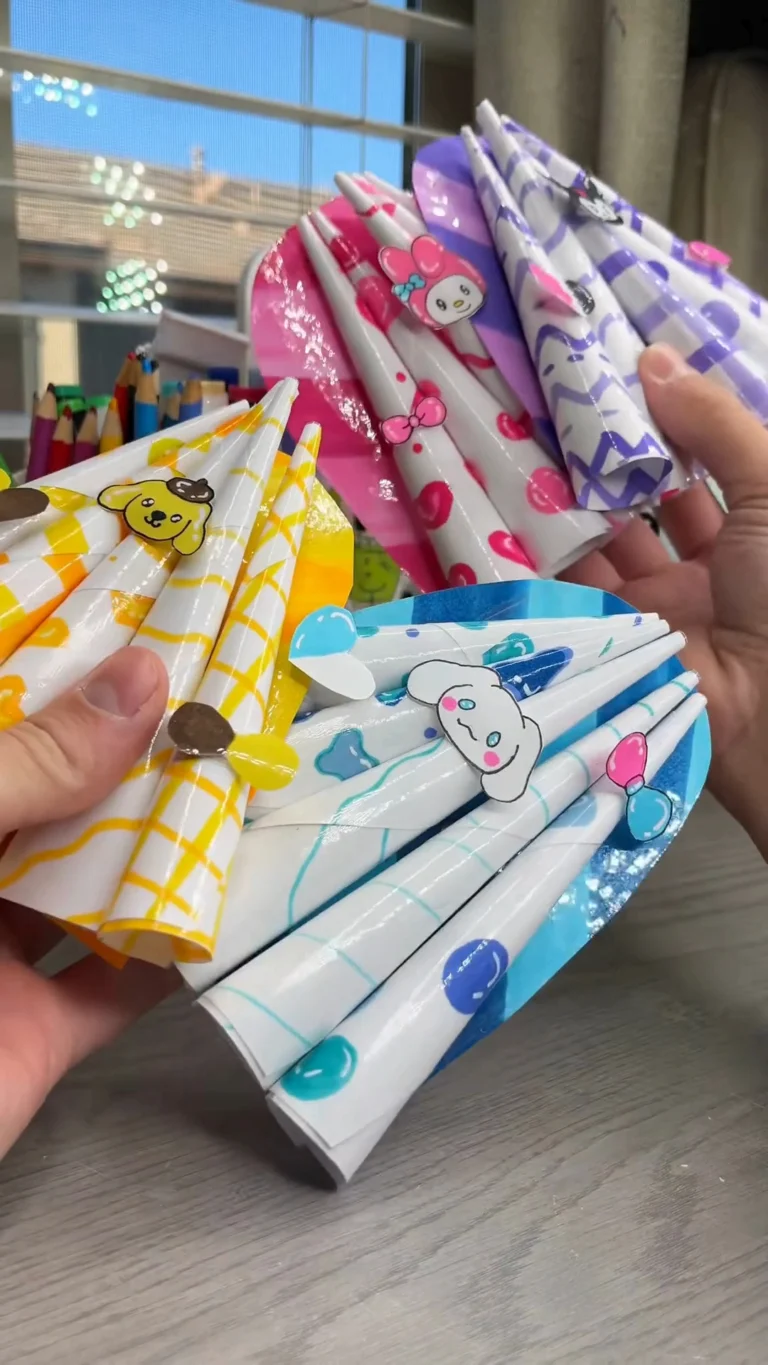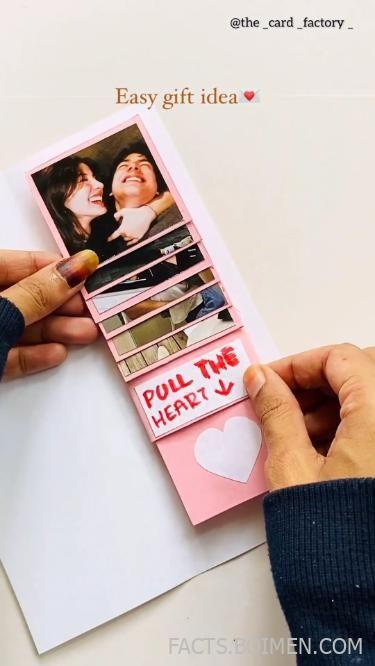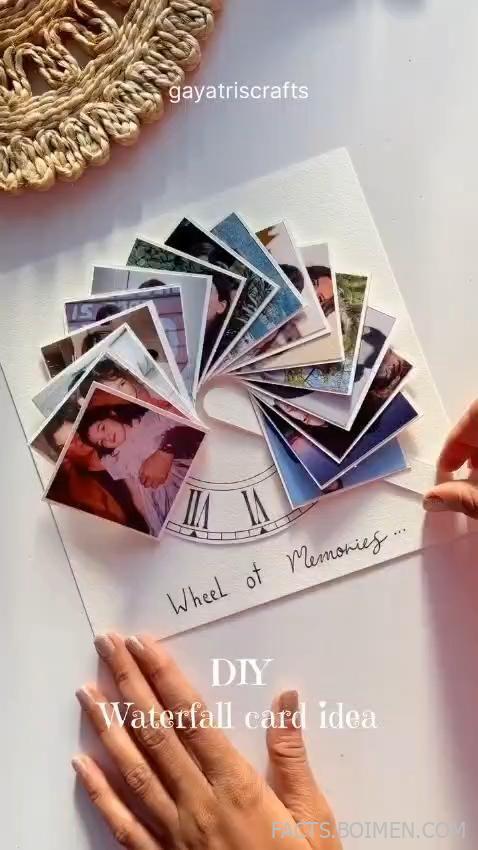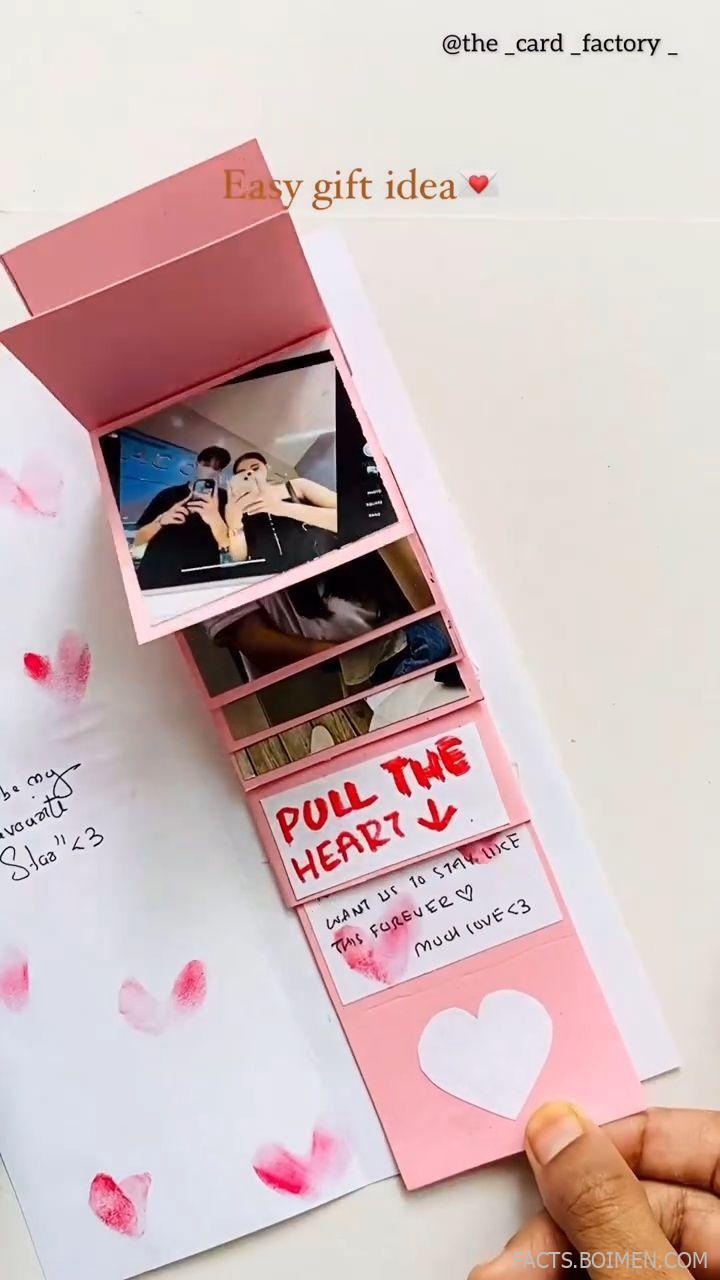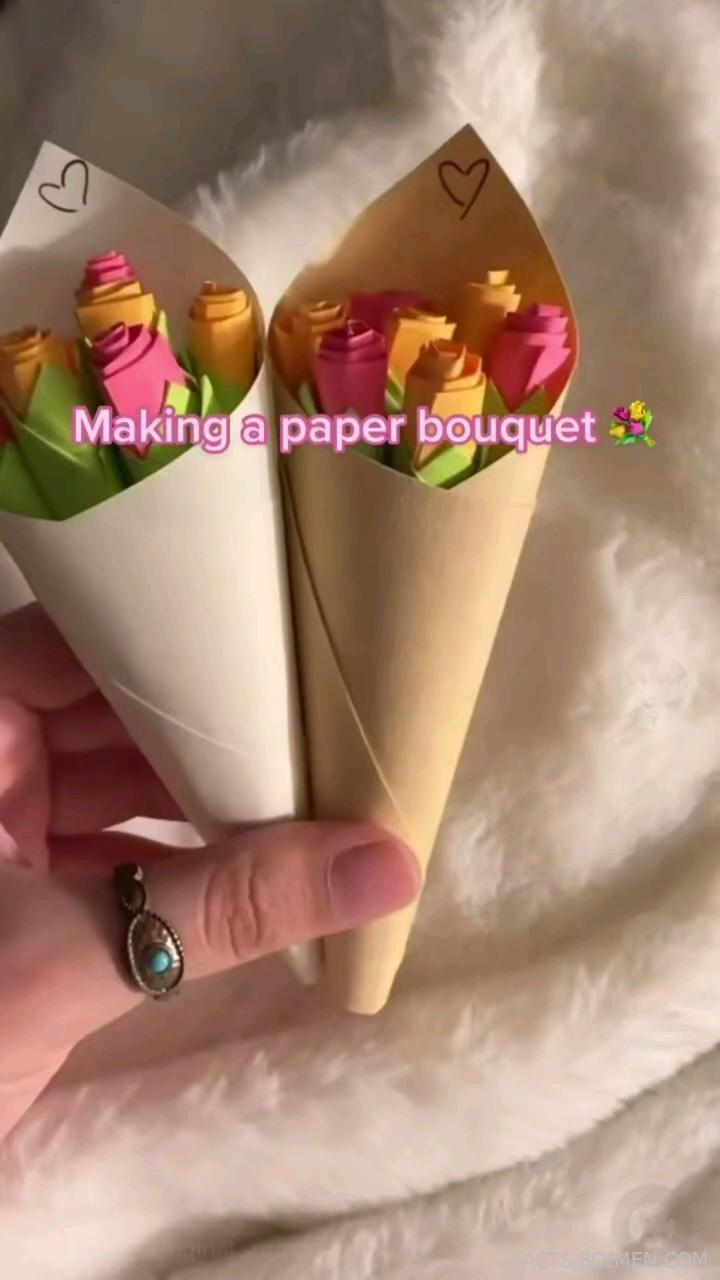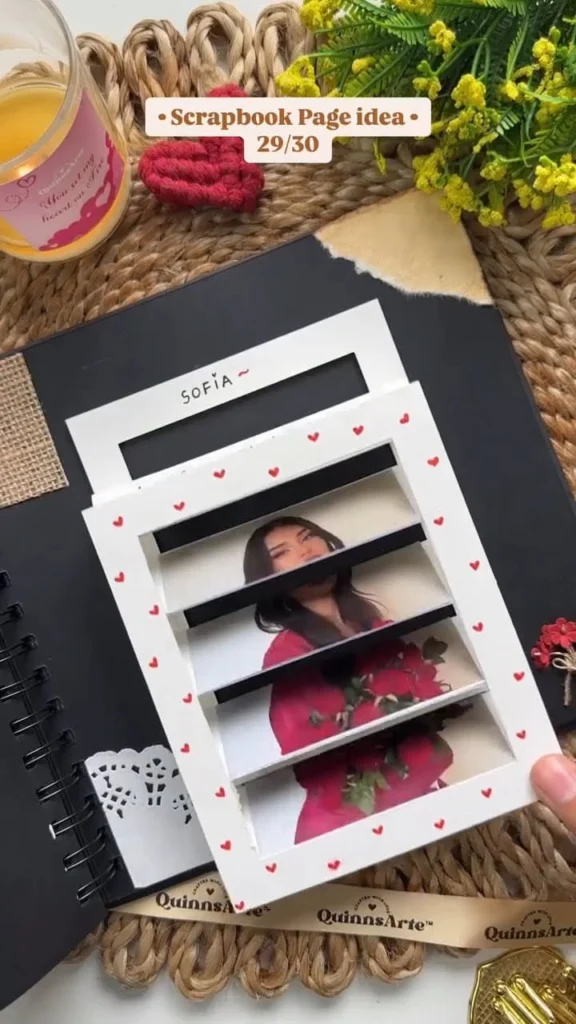
There is a particular kind of magic in a handmade card that carries a face, a memory, and a little bit of mess on the table. The pin that led you here promised one thing clearly: a scrapbook page idea, built around a portrait, numbered 29 of 30 in a personal challenge. That is the spirit of this list — small, repeatable, deeply personal page concepts you can actually finish in an afternoon, plus the tools and inspiration hubs that make the ideas possible. Whether you are cutting paper portraits, layering mixed-media backgrounds, or just looking for a reason to use that stack of scraps, these sixteen finds are chosen for makers who like texture, storytelling, and a finished page they can hold.
Table of Contents(Click to Toggle)
Why Portrait Scrapbook Pages Are Worth the Effort
A portrait on a card is not just decoration — it is a record. When you cut a paper silhouette of a friend’s profile or layer a printed photo behind torn tissue, you are doing something a text message cannot: you are spending time on one person. That is why numbered challenges like “29 of 30” exist in the crafting community. The constraint forces you to finish instead of perfect, and finishing is where the real skill grows. The tools below split into three practical groups: inspiration hubs where you see finished pages, design tools that help you plan a portrait layout, and supply sources that make the materials feel affordable. Mix a few from each group and you have a repeatable system for making a card every week without running out of ideas or buying a whole new craft room.
16 Scrapbook Page Ideas and Tools for Portrait Cards
1. QuinnsArte : The numbered portrait page that started this list
What it is: A personal craft project series where each scrapbook page is numbered and shared as a finished piece, including the portrait-style card referenced in the original pin.
Category: Maker portfolio and idea log
Why it stands out: The numbered format is quietly brilliant. Seeing “29/30” tells you the maker committed to a full run, which means you can scroll back through earlier pages to watch the technique evolve — different papers, different portrait treatments, different layering. It is a real example of consistency over polish.
Best for: Anyone who wants to see a portrait card finished end-to-end before trying their own.
2. Pinterest : The endless visual sketchbook for page layouts
What it is: A visual discovery platform where crafters save and organize scrapbook layouts, color palettes, and card compositions.
Category: Inspiration board
Why it stands out: The real value is in narrow searches. Instead of “scrapbook,” search “portrait collage card” or “torn paper face” and the results get dramatically more useful. Build one board per technique so your saved pins become a working reference rather than a graveyard of pretty images.
Best for: Planning a month of page ideas in one sitting.
3. Skillshare : Short classes on collage and paper portraiture
What it is: A subscription learning platform with thousands of creative classes, including paper collage and mixed-media card making.
Category: Online learning
Why it stands out: Most classes run under an hour and end with a finished project, which matches the “one page at a time” rhythm of a numbered challenge. Search for collage portraiture specifically — the composition lessons transfer directly to card-sized work.
Best for: Makers who want technique explained rather than just demonstrated.
4. Canon Creative Park : Free printable paper templates and textures
What it is: A free library of printable paper crafts, patterns, and decorative sheets from Canon.
Category: Free printables
Why it stands out: The patterned and textured sheets are perfect for backing a portrait cutout without buying a whole pad. Print on slightly heavier paper and the layers hold their shape better. It is genuinely free, which makes it ideal for experimenting before committing to expensive cardstock.
Best for: Testing a layout idea without spending anything.
5. The Papercraft Post : A quiet blog full of paper technique detail
What it is: A long-running papercraft blog covering card making, paper cutting, and decorative techniques.
Category: Craft blog
Why it stands out: Blog archives are underrated. Older posts often explain the small mechanics — how to get a clean cut on a curved profile, which adhesive warps thin paper — that video tutorials skip. Read one post before starting a portrait card and you will avoid the two most common mistakes.
Best for: Problem-solving a specific step that is not working.
6. Behance : Professional collage and portrait composition reference
What it is: Adobe’s portfolio network for designers and illustrators, including a strong paper-collage community.
Category: Design portfolio
Why it stands out: Searching “paper portrait” or “collage portrait” returns work with deliberate color theory and negative space — the two things that separate a scrapbook page from a craft project that looks finished. Study how the professionals crop a face, then translate that crop to a 5×7 card.
Best for: Leveling up composition, not just technique.
7. Unsplash : Free portrait photos for printed card elements
What it is: A free stock photography site with high-resolution images licensed for most personal and commercial uses.
Category: Free imagery
Why it stands out: If you want a printed face on a card but do not have a personal photo ready, Unsplash portraits print beautifully at small sizes. Check the license for your intended use, and choose images with simple backgrounds — busy backgrounds fight with the paper layers behind them.
Best for: Prototyping a portrait card before using a personal photo.
8. Creative Market : Digital papers and cut files with real craft quality
What it is: A marketplace for digital design assets, including scrapbook paper packs, textures, and cut files.
Category: Digital supplies
Why it stands out: A well-made digital paper pack gives you dozens of coordinated sheets for the price of one physical pad. Look for bundles that include matching ephemera — tickets, labels, torn edges — because a portrait page needs small supporting details to feel layered rather than flat.
Best for: Building a reusable palette across a whole numbered series.
9. Etsy : Handmade and vintage ephemera for real texture
What it is: A marketplace for handmade and vintage goods, with a deep scrapbooking supply category.
Category: Supply marketplace
Why it stands out: Vintage paper lots — old book pages, postage, ledger sheets — add a texture you cannot fake digitally. A torn strip of aged book page behind a portrait instantly gives the page history. Buy small mixed lots rather than single sheets, and check seller photos for actual paper weight.
Best for: Adding authentic age and texture to a portrait page.
10. YouTube : Real-time process videos for card construction
What it is: The largest video platform, with a large and active scrapbooking tutorial community.
Category: Video tutorials
Why it stands out: Watching someone assemble a page in real time teaches pacing — where they pause, which layer goes down first, how they fix a crooked edge. Search for “scrapbook process video” rather than “scrapbook tutorial” and you get the unedited version, which is far more instructive.
Best for: Learning the order of assembly, not just the finished look.
11. Silhouette Studio : Precise cut planning for paper portraits
What it is: The design software that pairs with Silhouette cutting machines, available in a capable free tier.
Category: Cutting software
Why it stands out: For a portrait card, precision matters most around the profile edge. The free basic version handles tracing and cut layout well enough for most card work, and the offset tool lets you create a clean backing shape that follows the portrait outline exactly.
Best for: Anyone cutting a face or silhouette rather than tearing it.
12. Cricut Design Space : Beginner-friendly layout and cut workflow
What it is: Cricut’s free design app for preparing cut and draw projects for its machines.
Category: Cutting software
Why it stands out: The interface is more guided than Silhouette’s, which makes it easier to start. The pen tool pairing is genuinely useful for portrait cards — you can draw fine facial details with a pen and cut the outline in one pass, so the card does not look purely cut-and-paste.
Best for: First-time machine users making a portrait card.
13. Canva : Quick digital mockups before you cut paper
What it is: A browser-based design tool with free templates and drag-and-drop layout.
Category: Layout planning
Why it stands out: Before committing paper, mock the card at 5×7 in Canva. Move the portrait, test a caption, try two background colors in five minutes instead of wasting cardstock. It is the cheapest way to catch a layout that will not work — and the free tier covers everything a card mockup needs.
Best for: Deciding a layout before touching the glue.
14. Adobe Express : Clean typography for card captions
What it is: Adobe’s free browser-based design app with strong type and layout tools.
Category: Layout planning
Why it stands out: A portrait card usually needs one line of text — a name, a date, a short message. Adobe Express handles that better than most free tools because the font pairing suggestions are genuinely tasteful and the text rendering stays crisp when printed small. Print the caption on a separate strip and layer it.
Best for: Getting a printed caption that looks intentional.
15. Scrapbook.com : A community hub with challenges and galleries
What it is: A long-standing scrapbooking community site with galleries, forums, and regular creative challenges.
Category: Community
Why it stands out: The challenge structure is the closest thing to the numbered series in the original pin. Joining a monthly challenge gives you a deadline and a theme, which is exactly what turns a hobby into a habit. The gallery feedback is also unusually specific compared to general social media.
Best for: Makers who finish more when someone is expecting a page.
16. Specialty Paper Lots : Affordable cardstock bundles for layered pages
What it is: Curated paper bundles sold by independent sellers, often organized by palette or theme.
Category: Materials
Why it stands out: Portrait pages live or die on paper weight. A bundle that mixes one heavy card base with several lighter patterned sheets lets you build depth without bulk. Order a small sample first — paper weight descriptions vary wildly between sellers, and a 10-sheet test lot costs far less than a full pack you cannot use.
Best for: Stocking a palette that works across many cards.
Bonus Mentions
Pexels : Another free photo source for portrait elements
A solid alternative to Unsplash with a different image library — useful when you need a specific profile angle.
Freepik : Vector shapes and decorative elements
Good for frames, flourishes, and small decorative cuts that finish a card edge.
DaFont : Free fonts for handwritten-style captions
Check each font’s license before printing — most are free for personal card use.
r/scrapbooking : Honest feedback from working crafters
Small but active, and the critique threads are more useful than generic praise.
Michaels : In-person paper and adhesive shopping
Worth it when you need to feel paper weight before buying a full pack.
The Quiet Power of a Finished Page
The best scrapbook page ideas are never the most complicated ones. They are the ones you actually complete — the portrait card that gets handed to someone, the page that gets tucked into a journal, the numbered series that reaches thirty. What makes this corner of the internet worth exploring is that it rewards patience over gear. A free printable sheet, a torn book page, and a carefully cut profile can produce something more memorable than an expensive kit, because the time is visible in the layers. Start with one idea from this list, give yourself a fixed size like a 5×7 card, and finish it before starting the next. That single rule is what turns a hobby into a body of work. If you have a favorite low-key craft site or a page idea that deserves more attention, share it in the comments — the best finds in this community still travel by word of mouth.