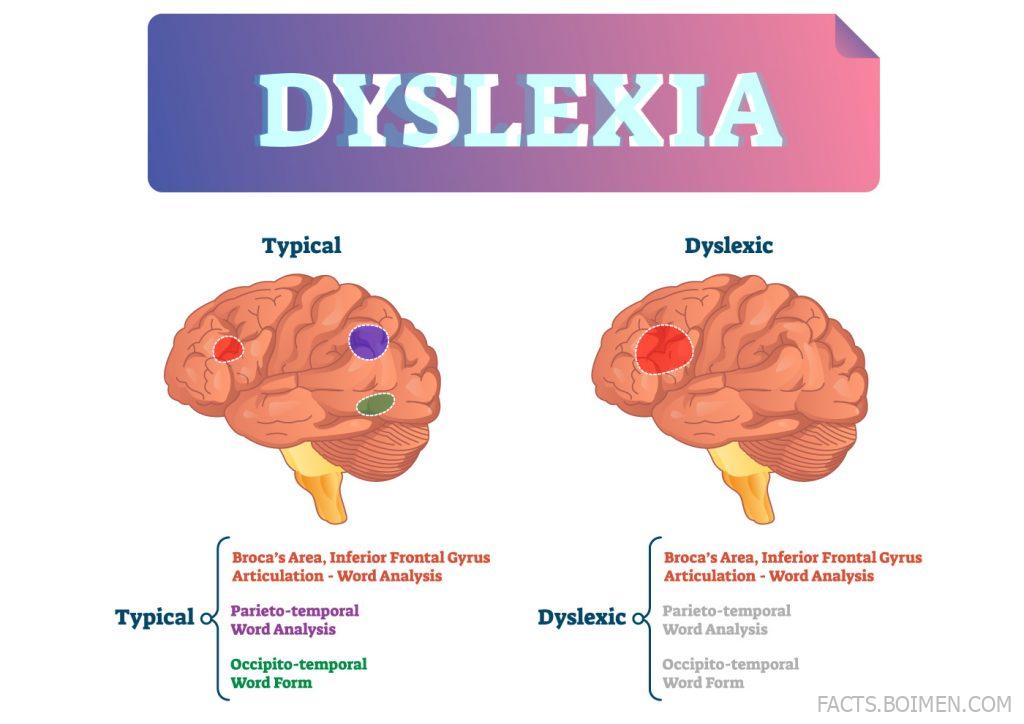
Dyslexia affects reading in ways that are hard to grasp unless you experience it. But a few clever websites let you step into that world—simulating the visual distortions, letter swapping, and cognitive load that come with dyslexia. Whether you’re a teacher, designer, developer, or just curious, these tools offer eye-opening insights. Here are 14 sites that show how dyslexia feels, each with a unique angle.
Table of Contents(Click to Toggle)
- Why Explore Dyslexia Simulators?
- 1. Victor Widell’s Simulator
- 2. Dyslexia the Gift
- 3. Readable
- 4. WebAIM Dyslexia Simulation
- 5. DyslexiaSim
- 6. Seeing Dyslexia
- 7. Fonts That Help
- 8. Understood’s Simulation
- 9. OpenDyslexic
- 10. Dyslexia Scotland’s Experience
- 11. The Dyslexia Simulator App
- 12. Neurodiversity Hub
- 13. Dyslexia Simulation from LD Online
- 14. The Reading Riddle
- Bonus Mentions
- The Internet’s Best-Kept Secrets (So Far)
Why Explore Dyslexia Simulators?
Dyslexia is often misunderstood as a problem with intelligence or effort, but it’s actually a neurological difference in how the brain processes language. Simulators help bridge the empathy gap by showing the visual and cognitive challenges dyslexic readers face. For designers, they highlight why font choice, spacing, and contrast matter. For educators, they build understanding. And for curious minds, they offer a fascinating glimpse into a different way of experiencing text. These tools are not perfect—they can’t replicate the full cognitive load—but they’re powerful starting points.
1. Victor Widell’s Dyslexia Simulator : The Most Shared Simulation
What it is: A web page that mimics the visual distortions of dyslexia by swapping letters within words and shuffling them in real time.
Category: Visual simulation
Why it stands out:
- Uses a live text sample that you can edit, so you can paste your own content and see how it gets scrambled.
- Based on a viral code snippet that many people have shared as a quick empathy exercise.
- Simple, no-frills interface that works on any device.
- Free and open-source, so developers can learn from the code.
Best for: Getting a quick, visual sense of how letters and words can appear to move or swap.
2. Dyslexia the Gift : Simulation Plus Educational Context
What it is: A website by Davis Dyslexia Association International that includes a simulation tool along with detailed explanations of dyslexia.
Category: Educational resource
Why it stands out:
- Offers a comprehensive simulation that shows how letters can appear to move, blur, or fade.
- Pairs the simulation with articles about the strengths and challenges of dyslexia.
- Includes a section on the Davis method, which focuses on visual-spatial thinking.
- Regularly updated with research and success stories.
Best for: Parents and teachers who want both an experiential tool and reliable information.
3. Readable : A Readability Tool with a Dyslexia Mode
What it is: A content analysis platform that scores text readability and includes a dyslexia simulation mode in its free tool.
Category: Readability analyzer
Why it stands out:
- You can paste any text and see how it would look to a person with dyslexia, with options to adjust severity.
- Also provides traditional readability scores like Flesch-Kincaid, helping you improve content for all readers.
- Useful for web writers and editors who want to make their content more accessible.
- Free to use for basic features.
Best for: Content creators who want to test both readability and dyslexia-friendliness.
4. WebAIM Dyslexia Simulation : A Quick Glimpse for Web Designers
What it is: A simulation page from WebAIM, a leading web accessibility organization, that demonstrates how text can appear to a person with dyslexia.
Category: Accessibility demonstration
Why it stands out:
- Part of a broader set of simulations (including low vision and cognitive disabilities) that help designers understand various impairments.
- Shows a paragraph of text with typical visual errors, such as letter transpositions and omissions.
- Accompanied by guidelines on how to make websites more dyslexia-friendly.
- Concise and to the point—perfect for a quick team training.
Best for: UX designers and developers who need a brief but impactful reminder.
5. DyslexiaSim : Customizable Text Simulation
What it is: A standalone simulation tool that lets you adjust the level of distortion and choose from different sample texts.
Category: Visual simulation
Why it stands out:
- Features sliders to control the intensity of letter swapping, mirroring, and rotation.
- You can upload your own text or use preset paragraphs about everyday topics.
- Includes a side-by-side view so you can compare original and simulated text.
- Lightweight and fast, works well on mobile.
Best for: Demonstrations where you need to tailor the experience to specific audiences.
6. Seeing Dyslexia : An Interactive Visual Experience
What it is: An interactive website that uses animations to show how letters and words can appear to move, swirl, or blend.
Category: Visual simulation
Why it stands out:
- Uses vivid animations that are more dramatic than static text simulations.
- Includes a section that simulates the effect of lighting and contrast on reading.
- Created by a designer who worked with dyslexic individuals to ensure realism.
- Offers a downloadable poster for classrooms and offices.
Best for: Visual learners who need a more immersive demonstration.
7. Fonts.com Legibility Article : Understanding Dyslexia-Friendly Fonts
What it is: An article on Fonts.com that explains how typography affects dyslexic readers, with examples of problematic and helpful fonts.
Category: Typography guide
Why it stands out:
- Shows side-by-side comparisons of fonts like Times New Roman vs. Arial vs. Comic Sans.
- Discusses letter spacing, weight, and shape as key factors.
- Includes practical tips for choosing fonts in print and digital media.
- While not an interactive simulator, it helps you understand why some text is easier to read.
Best for: Designers and educators who want to make informed font choices.
8. Understood’s Dyslexia Simulation : A Family-Friendly Perspective
What it is: A simulation from Understood.org, a nonprofit supporting learning and thinking differences, that shows what reading might look like for a child with dyslexia.
Category: Simulation for parents and educators
Why it stands out:
- Uses a realistic sample of a school assignment to make it relatable for parents.
- Accompanied by articles explaining the science of dyslexia.
- Includes tips on how to support a child who has dyslexia.
- Part of a larger resource hub with videos and expert advice.
Best for: Parents who want to understand their child’s experience and find actionable advice.
9. OpenDyslexic : The Font Designed for Dyslexic Readers
What it is: A free, open-source font created specifically to reduce reading errors for people with dyslexia.
Category: Font resource
Why it stands out:
- Weights the bottom of letters to prevent them from appearing to flip or rotate.
- Can be installed on your computer or used via browser extensions for Chrome and Firefox.
- Available for download in multiple formats, including for apps and websites.
- Backed by a community of users who report improved reading comfort.
Best for: Trying out a dyslexia-friendly font on your own devices or in your designs.
10. Dyslexia Scotland’s Experience : A Realistic Reading Exercise
What it is: A simulation on Dyslexia Scotland’s website that mimics the experience of reading a paragraph with visual distortions.
Category: Simulation by a national charity
Why it stands out:
- Provides a paragraph of text that appears to shimmer and shift, with a timer to add pressure.
- Includes a downloadable fact sheet on dyslexia in the workplace.
- Highlights the charity’s advocacy work and support services.
- Simple and effective for awareness sessions.
Best for: Workplace training and public awareness campaigns.
11. The Dyslexia Simulator App : On-the-Go Simulation
What it is: An Android app that simulates dyslexia by scrambling text in real time, with adjustable difficulty levels.
Category: Mobile app
Why it stands out:
- You can import your own text or use sample paragraphs.
- Adjustable parameters include letter swapping, mirroring, and background color changes.
- Includes a quiz to test your comprehension after reading simulated text.
- Free to download with no ads.
Best for: Individuals who want a portable simulation for presentations or personal use.
12. Neurodiversity Hub : Resources and Simulations for Understanding
What it is: A resource center that offers a range of simulations, including one for dyslexia, along with articles on neurodiversity.
Category: Educational hub
Why it stands out:
- Provides a dyslexia simulation that focuses on the visual stress aspect, with options for different font types.
- Covers other conditions like ADHD and autism, promoting a broader understanding of neurodiversity.
- Includes real-life stories from individuals with dyslexia.
- Useful for HR professionals and educators.
Best for: Building a comprehensive understanding of neurodiverse experiences.
13. LD Online’s Dyslexia Simulation : A Classic Resource
What it is: A simulation from LD Online, a respected source on learning disabilities, that shows how a dyslexic reader might see a page of text.
Category: Simulation from an educational nonprofit
Why it stands out:
- Uses a passage from a school textbook, making it relatable for students.
- Accompanied by an explanation of the types of errors dyslexic readers make.
- Part of a larger collection of articles on dyslexia and other learning disabilities.
- No-frills, reliable resource that has been online for years.
Best for: Teachers seeking a straightforward simulation for classroom discussion.
14. The Reading Riddle : A Gamified Simulation
What it is: A website that turns the dyslexia simulation into a game where you must decode a scrambled sentence within a time limit.
Category: Interactive game
Why it stands out:
- Adds a playful element that makes the experience more engaging for younger audiences.
- You can choose from different difficulty levels, from mild to severe distortion.
- After the game, it explains what you experienced and offers tips for supporting dyslexic readers.
- Great for school presentations and awareness events.
Best for: Students and teens who learn through interactive challenges.
Bonus Mentions
Dyslexic.com : Assistive Technology Store with Simulator
What it is: A UK-based store for dyslexia products that also hosts a simple simulation on its homepage.
Why it stands out: It combines shopping with education, and the simulation is quick to access.
Best for: Discovering tools while getting a sense of the challenge.
British Dyslexia Association : Information Hub with Simulation
What it is: The BDA website includes a simulation in its “Dyslexia in the Workplace” section.
Why it stands out: It offers a professional perspective and links to workplace adjustment advice.
Best for: Employers and HR teams.
Nessy : Educational Games with a Simulation
What it is: Nessy’s site has a “Dyslexia Test” that includes a simulation component.
Why it stands out: It pairs the simulation with a screening tool for dyslexia.
Best for: Parents who suspect their child may have dyslexia.
The Internet’s Best-Kept Secrets (So Far)
These simulators are more than just novelty—they’re bridges to empathy. Whether you’re a designer refining your typography, a teacher preparing a lesson, or a friend trying to understand a loved one’s experience, these tools offer a window into a different way of processing the written word. While none can replicate the full cognitive load of dyslexia, they each illuminate a piece of the puzzle. And as technology advances, we can expect even more realistic simulations that will further break down barriers.
Have you used any of these simulators? Or do you know of another hidden gem that helps people understand dyslexia? Share your finds in the comments below!