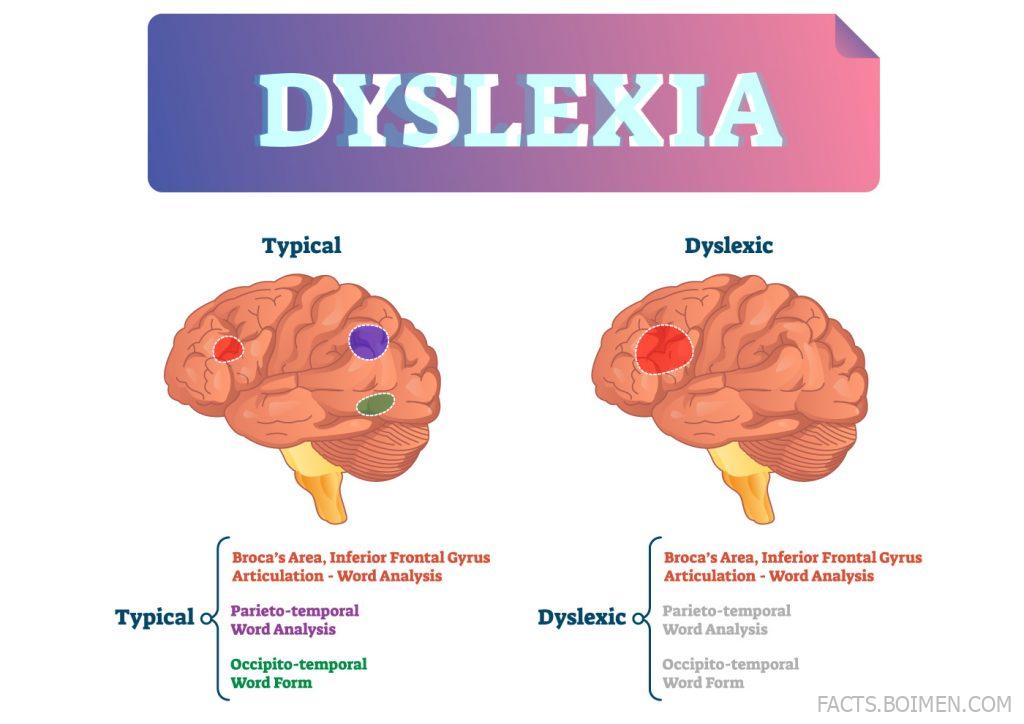
Reading with dyslexia can feel like the page is working against you: letters swap places, lines blur together, and a paragraph that takes someone else thirty seconds can take ten minutes. What most people never hear is that a whole layer of the internet exists specifically to fix this — free browsers, overlays, fonts, and audiobook libraries built by and for people with dyslexia. This list collects 15 of those tools, starting with the one that inspired this article, plus a few bonus finds worth bookmarking.
Table of Contents(Click to Toggle)
Why Dyslexia-Friendly Reading Tools Matter
Roughly one in ten people is dyslexic, yet most websites are still designed as if every reader processes text the same way. The tools below do one of four things: they change how text looks (fonts, spacing, color), they read text aloud, they unlock audiobooks and accessible formats, or they simplify vocabulary on the fly. None of them require a diagnosis or a subscription to try, and most work directly in a browser. Think of this as a toolkit rather than a single fix — the right combination for you might be a font plus a screen reader plus an audiobook library.
15 Free Tools for Reading With Dyslexia
1. Microsoft Immersive Reader : The free reading layer hidden inside Microsoft apps
What it is: A built-in reading mode inside Word, OneNote, Edge, and Outlook that reformats text for easier processing.
Category: Reading support / text formatting
Why it stands out:
- Read Aloud with word highlighting so your eyes and ears stay in sync
- Line focus mode that dims everything except one, three, or five lines at a time
- Syllable splitting, a picture dictionary, and part-of-speech color coding
- Translate into dozens of languages without leaving the page
Best for: Students and office workers who already live in Microsoft apps and want help without installing anything new.
2. BeeLine Reader : Color gradients that pull your eyes down the page
What it is: A browser extension and app that applies a subtle color gradient across each line of text.
Category: Browser extension / visual reading aid
Why it stands out:
- The gradient acts like a visual rail, reducing the line-skipping that slows dyslexic readers
- Works on news sites, PDFs, and even email in Chrome, Safari, and Firefox
- Free tier covers everyday browsing; the paid tier adds PDF and offline support
Best for: People who lose their place mid-paragraph and want a passive fix that works everywhere.
3. OpenDyslexic : A free typeface designed to stop letters flipping
What it is: An open-source font with weighted letter bottoms that reduce the mirror-image confusion common in dyslexia.
Category: Typeface / accessibility font
Why it stands out:
- Letters like b, d, p, and q are visually anchored so they are harder to rotate mentally
- Completely free to download and install on Windows, Mac, and Linux
- Also available as a browser extension for sites that ignore your font settings
Best for: Readers who want a set-and-forget typography change across documents and apps.
4. Helperbird : An accessibility toolbox in one browser extension
What it is: A Chrome and Edge extension bundling dyslexia-friendly fonts, overlays, rulers, and text-to-speech.
Category: Browser extension / accessibility suite
Why it stands out:
- One-click switching between OpenDyslexic, Lexend, and other readable fonts
- Reading ruler, color overlay, and letter-spacing controls in the same panel
- Free plan covers the core reading tools; paid adds OCR and annotation
Best for: Anyone who wants several dyslexia aids without juggling five separate extensions.
5. Speechify : Turn any article or PDF into audio
What it is: A text-to-speech app that reads web pages, documents, and scanned PDFs aloud in natural voices.
Category: Text-to-speech / audio reading
Why it stands out:
- OCR reads scanned pages and photographed handouts, not just clean digital text
- Adjustable speed from 0.5x to 4.5x so you can match your listening comfort
- Syncs across phone, browser, and desktop so you can keep listening on the move
Best for: Commuters and students who absorb information faster by ear than by eye.
6. NaturalReader : Drag-and-drop text-to-speech for documents
What it is: A reader that converts PDFs, Word files, and ebooks into spoken audio with synchronized highlighting.
Category: Text-to-speech / document reader
Why it stands out:
- Free tier includes a solid set of natural-sounding voices and MP3 export
- Floating toolbar reads highlighted text in almost any Windows or Mac app
- Handles long documents without the choppy pauses older readers are known for
Best for: Readers who want a simple drag-and-drop way to hear textbooks and reports.
7. Learning Ally : Human-narrated audiobooks for school reading
What it is: A nonprofit audiobook library with human narration and highlighted text for K-12 and college titles.
Category: Audiobook library / education
Why it stands out:
- Over 80,000 human-read titles, including the textbooks schools actually assign
- Access is often funded through a school or district membership rather than out of pocket
- Narration follows the text word by word, which supports decoding practice
Best for: Students whose reading lists are too heavy to get through visually alone.
8. Bookshare : A massive free accessible-format library
What it is: A nonprofit that provides ebooks in accessible formats to people with qualifying reading disabilities.
Category: Accessible ebook library
Why it stands out:
- Over a million titles in audio, braille, and large-print-friendly formats
- Membership is free for qualifying U.S. students and readers
- Works with popular reading apps like Voice Dream and Dolphin EasyReader
Best for: Readers who need accessible formats of mainstream books, not just public-domain classics.
9. Project Gutenberg : 70,000+ free ebooks you can reformat freely
What it is: The original free ebook library, offering public-domain texts in plain text, EPUB, and HTML.
Category: Free ebook library
Why it stands out:
- Plain-text downloads open in any reader, so you can apply your own dyslexia-friendly font
- No account, no cost, and no tracking — just the files
- Pairs neatly with text-to-speech tools for a free audiobook workflow
Best for: Readers who want total control over how a classic book is displayed.
10. LibriVox : Volunteer-recorded audiobooks of classic literature
What it is: A volunteer project that turns public-domain books into free downloadable audiobooks.
Category: Free audiobook library
Why it stands out:
- Thousands of titles, all free and downloadable with no account required
- Human narrators give the warmth that synthetic voices sometimes lack
- Great for literature courses where the reading load is heavy
Best for: Listeners who want free classics in a human voice rather than a robot one.
11. Google Read Along : A friendly reading coach for early readers
What it is: A free app with an animated reading buddy that listens and gives feedback as kids read aloud.
Category: Early literacy app
Why it stands out:
- Offers help when a reader gets stuck on a word, without judgment
- Works offline after the initial download, which matters for travel and low-connectivity homes
- No ads and no in-app purchases
Best for: Parents of younger dyslexic readers who want low-pressure daily practice.
12. Rewordify : Instantly simplifies hard vocabulary on any page
What it is: A web tool that rewrites dense text into plainer language and builds vocabulary lists as you go.
Category: Text simplification
Why it stands out:
- Paste any passage and get a simpler version with definitions on hover
- Builds a personal list of the words you looked up most often
- Free for individuals and teachers, with no account needed to try it
Best for: Older students facing dense textbooks or academic articles.
13. TintWizard : Generate a color overlay that calms the page
What it is: A simple generator that creates a custom colored overlay for your screen or printed pages.
Category: Visual overlay / color tool
Why it stands out:
- Helps readers who find stark black-on-white text visually stressful
- Generates a downloadable overlay you can use on a monitor or print and place over paper
- Free to use, with no account or install required
Best for: Readers who notice that certain background colors make text noticeably easier to track.
14. Dyslexia Friendly Style Guide : Make your own documents easier to read
What it is: A practical style guide from the British Dyslexia Association on formatting text for dyslexic readers.
Category: Reference / formatting guide
Why it stands out:
- Specific font, size, spacing, and alignment recommendations you can apply today
- Explains why justified text and all-caps headings cause problems
- Useful for teachers, managers, and anyone who writes documents other people must read
Best for: Writers and educators who want to reduce reading friction for dyslexic colleagues and students.
15. Voice Dream Reader : A customizable reading app for iOS and Android
What it is: A mobile reading app that combines text-to-speech, dyslexia-friendly fonts, and Bookshare integration.
Category: Mobile reading app
Why it stands out:
- Lets you pair a preferred voice with a preferred font for a fully personalized reading setup
- Imports from Bookshare, Dropbox, and Safari’s share sheet
- Highlighting follows the spoken word, which supports both comprehension and tracking
Best for: Readers who want one polished app that handles both how text looks and how it sounds.
Bonus Mentions
Lexend : A free font family designed to reduce visual stress while reading
Read&Write : A toolbar with text-to-speech, dictionaries, and screen masking
Understood.org : Plain-language guides for families navigating learning differences
International Dyslexia Association : Fact sheets, research, and local resource listings
The Quiet Corner of the Internet Built for Dyslexic Readers
What makes this corner of the web special is that it was built by people who needed it. Immersive Reader exists because Microsoft researchers watched students struggle with dense text. OpenDyslexic exists because one designer got tired of waiting for a font that worked. Bookshare and Learning Ally exist because volunteers and nonprofits decided that a reading disability should never mean losing access to books. None of these tools promises a cure, and none of them needs to — they simply remove friction, one line at a time. Try two or three, keep the ones that click, and ignore the rest. Which of these made the biggest difference for you, and what did I leave off the list?