
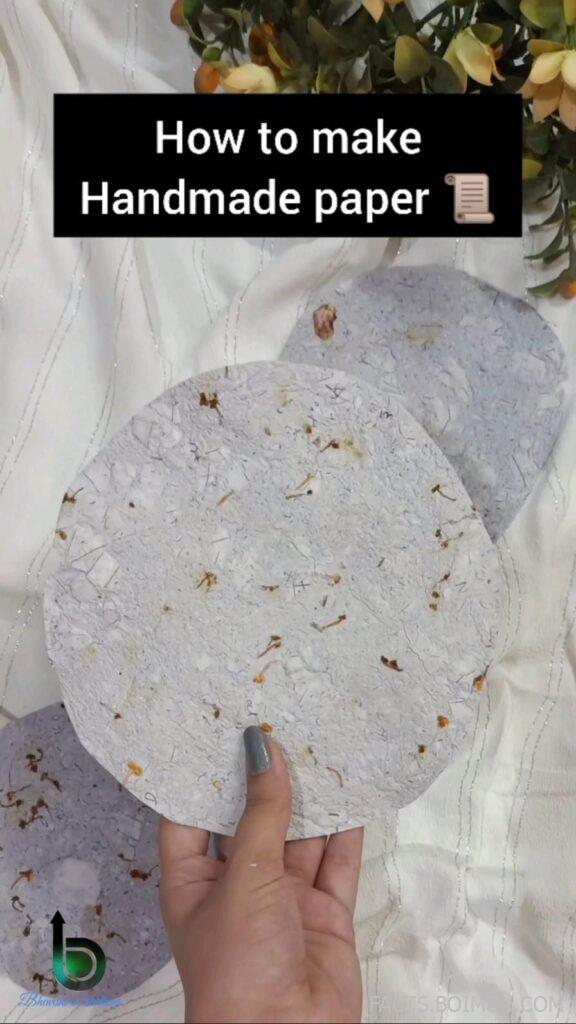
Making your own paper is one of those crafts that looks like magic until you realize it is mostly water, pulp, and patience. The promise of holding up two fresh sheets and pointing at them like a proud scientist is real — and it is surprisingly cheap to start. What trips most beginners up is not the technique but the gear: knowing which blender to sacrifice, which mold and deckle actually holds a sheet, and where to buy pulp without spending a fortune. This list walks through the exact tools, suppliers, and free guides that make the first batch go smoothly, from beginner kits to professional moulds.
Table of Contents(Click to Toggle)
- Why Handmade Paper Deserves a Spot on Your Craft Table
- Beginner Tools and Supply Finds
- 1. Arnold Grummer’s Papermill
- 2. Etsy Handmade Paper Kits
- 3. Amazon Basics Blender
- 4. Carriage House Paper
- 5. TALAS
- 6. Hollander Beater Guide (YouTube)
- 7. Paper Making Moulds on Etsy
- 8. Blick Art Materials
- 9. Botanical Colors
- 10. Dharma Trading Co.
- 11. Hobby Lobby Coupons
- 12. Facebook Papermaking Groups
- 13. Reddit r/papermaking
- 14. Instructables Paper Guides
- 15. Pinterest Paper-Making Boards
- 16. Local Recycling Centers
- Bonus Mentions
- The Best-Kept Secrets of Papermaking
Why Handmade Paper Deserves a Spot on Your Craft Table
Handmade paper is one of the few crafts where the raw material is already sitting in your recycling bin. Old junk mail, printer scraps, and brown paper bags become pulp in minutes, which means the barrier to entry is a blender and a screen — not a workshop full of expensive equipment. The craft also has a genuinely satisfying payoff: you can feel the difference between a machine-pressed sheet and one you pulled by hand, and that texture shows up in everything from wedding invitations to journal covers.
The catch is that papermaking has a supply chain problem for beginners. Most craft stores stock almost nothing for it, so people either overpay for imported kits or give up before their first pull. The 16 finds below cover the full pipeline — pulp, moulds, couching cloths, colorants, and the free communities where people share recipes and troubleshoot soggy sheets. Start with a kit or a mold, then expand as your confidence grows.
Beginner Tools and Supply Finds
1. Arnold Grummer’s Papermill : The classic starter kit that turns junk mail into sheets
What it is: A complete papermaking kit from a company that has been teaching this craft for decades, including a mould and deckle, couching cloths, and a small press.
Category: Beginner kit
Why it stands out: The kit is designed around recycled paper, so you can start with zero purchased pulp. The included instructions walk you through blending, pulling, and pressing in a single afternoon, and the components are sized for small batches — great if you live in an apartment and do not want a vat of water on the kitchen counter.
Best for: Absolute beginners who want one box that covers everything.
2. Etsy Handmade Paper Kits : Small-batch kits from independent makers
What it is: A rotating marketplace of handmade papermaking kits, many of which include pre-beaten pulp, seeds for plantable paper, and hand-built moulds.
Category: Marketplace
Why it stands out: Independent sellers often include specialty pulp blends — cotton rag, abaca, or recycled denim — that are hard to find elsewhere. Many kits also bundle inclusions like dried petals or wildflower seeds for plantable paper. The trade-off is inconsistency: quality varies by seller, so read reviews carefully and check shipping times before ordering for a gift deadline.
Best for: Crafters who want unusual pulp and plantable paper supplies.
3. Amazon Basics Blender : The budget blender you can dedicate to pulp
What it is: An inexpensive countertop blender that papermakers buy specifically to sacrifice to the craft.
Category: Equipment
Why it stands out: Any blender used for paper pulp should never go back to food, so a cheap second unit matters. This one handles small batches of soaked paper well, and the removable blade assembly makes cleanup easier than on premium models. It is not powerful enough for large batches of tough fibers like cotton rag, so plan on smaller loads and more blending time.
Best for: Beginners who need a dedicated pulp blender without spending much.
4. Carriage House Paper : A dedicated papermaking supplier with real pulp and moulds
What it is: A specialty papermaking supplier offering prepared pulps, moulds and deckles, couching felts, and sizing agents.
Category: Specialty supplier
Why it stands out: This is one of the few retailers where papermaking is the main business rather than a craft-store sideline. They sell abaca, cotton, and flax pulp by the pound, plus proper brass-screen moulds that hold up to repeated use. Prices reflect the specialty nature, so it is a better second purchase than a first one — but the quality jump is noticeable in the finished sheet.
Best for: Makers who have outgrown kits and want professional-grade materials.
5. TALAS : Conservation-grade supplies for serious paper crafters
What it is: A supplier serving bookbinders and conservators, stocking archival adhesives, wheat starch paste, and papermaking materials.
Category: Specialty supplier
Why it stands out: If your handmade paper is destined for bookbinding or archival projects, TALAS carries the materials that will not yellow or fail over time. Their selection of methyl cellulose and wheat starch paste is genuinely useful for sizing and surface sizing handmade sheets. It is not a beginner store — the catalog is deep and technical — but it is the right stop once your projects get serious.
Best for: Bookbinders and archival crafters.
6. Hollander Beater Guide (YouTube) : Free video walkthroughs of pulp preparation
What it is: A broad collection of free video tutorials covering everything from blender pulp to running a Hollander beater.
Category: Free learning
Why it stands out: Papermaking is hard to learn from text alone because the feel of the pulp matters. Watching someone pull a sheet, couch it, and press it teaches more in ten minutes than a page of instructions. Search for specific terms like “couching handmade paper” or “pulling a sheet” to skip the vague overviews. The downside is quality control — some tutorials skip crucial steps like sizing.
Best for: Visual learners starting their first batch.
7. Papermaking Moulds on Etsy : Handcrafted mould and deckle sets in custom sizes
What it is: A search-friendly marketplace category for handmade mould and deckle pairs, often built to order in wood and brass mesh.
Category: Marketplace
Why it stands out: Standard moulds come in one or two sizes, but Etsy makers will build to your dimensions — useful if you want square sheets for coasters or long sheets for book covers. Wood choice affects weight and water resistance, so ask sellers about sealing. Expect longer lead times than a big-box order, especially for custom sizes.
Best for: Crafters who need non-standard sheet sizes.
8. Blick Art Materials : Reliable art-store staples for papermaking add-ons
What it is: A large art supply retailer stocking pigments, sponges, felts, and finishing tools.
Category: Art supply retailer
Why it stands out: Blick is not a papermaking specialist, but it carries the supporting cast: acrylic pigments for tinting pulp, cutting mats, and absorbent felts. Their frequent sales and student discounts make it a good place to stock up on consumables. The limitation is that you will not find moulds or prepared pulp here, so pair it with a specialty supplier.
Best for: Restocking pigments, felts, and finishing tools.
9. Botanical Colors : Natural dyes for tinting pulp without synthetics
What it is: A supplier of natural dye extracts, mordants, and tutorial resources for plant-based color.
Category: Natural dye supplier
Why it stands out: Tinting pulp with natural dyes gives a soft, earthy palette that synthetic pigments struggle to match, and it pairs well with the recycled-paper ethos of the craft. Their extracts are concentrated, so a small jar goes a long way. Be aware that natural dyes can shift color over time and need mordants for cellulose fibers — read their guides before your first tinted batch.
Best for: Crafters who want natural, muted color palettes.
10. Dharma Trading Co. : Affordable dyes and additives for bulk batches
What it is: A long-running textile and craft dye supplier with a huge catalog of pigments, thickeners, and additives.
Category: Dye supplier
Why it stands out: Their fiber-reactive and acid dyes work on cellulose pulp, and the prices are noticeably lower than art-store pigment tubes. They also stock retention aids and thickeners that help color bind evenly. The catalog can be overwhelming for beginners, so start with a small sampler rather than a full jar.
Best for: Makers producing larger batches who want cost-effective color.
11. Hobby Lobby Coupons : Stretch your budget on basic papermaking tools
What it is: A craft chain whose rotating coupons and sales make basic supplies cheaper.
Category: Craft retailer
Why it stands out: Hobby Lobby does not stock papermaking kits, but it carries sponges, plastic tubs, felt squares, and wooden frames that work as DIY moulds. Their frequent 40-percent-off coupons make those basics genuinely cheap. Check the weekly coupon page before you go — the discount rotates between full-price and sale items, so timing matters.
Best for: Budget-conscious beginners building a DIY setup.
12. Facebook Papermaking Groups : Active communities for troubleshooting and swaps
What it is: Dedicated Facebook groups where papermakers share batches, ask questions, and trade supplies.
Category: Community
Why it stands out: These groups are full of people who have already solved the problem you are stuck on — from pulp that will not drain to sheets that tear on the couch. Many members sell or swap surplus pulp and moulds at lower prices than retail. The catch is that group quality varies, and search within Facebook is not great, so use specific keywords.
Best for: Beginners who want fast answers from experienced makers.
13. Reddit r/papermaking : A searchable archive of real beginner questions
What it is: A subreddit dedicated to handmade paper, with years of archived threads.
Category: Community
Why it stands out: Reddit’s search is imperfect, but the archive is genuinely useful — questions like “why is my paper crinkling” have detailed answers from people who hit the same wall. Posts often include photos of failed batches, which is oddly reassuring. It is less active than Facebook groups, so expect slower replies to new questions.
Best for: Researching specific problems before starting.
14. Instructables Paper Guides : Step-by-step DIY tutorials with photos
What it is: A community tutorial site with dozens of papermaking walkthroughs, from blender pulp to seeded paper.
Category: Free learning
Why it stands out: Instructables tutorials include photos at every step, which matters when you are learning to couch a sheet without tearing it. Many guides also show cheap DIY moulds made from picture frames and window screen. Quality varies widely, and some guides skip sizing, so cross-reference with a specialty supplier’s instructions.
Best for: DIY-minded beginners who want to build their own tools.
15. Pinterest Paper-Making Boards : Visual inspiration and technique roundups
What it is: A visual discovery platform where papermaking boards collect tutorials, finished projects, and supply ideas.
Category: Inspiration
Why it stands out: Pinterest is where you will find the aesthetic side of the craft — embedded petals, deckled edges, and gift-wrapping ideas that make the finished sheet feel worth the effort. Boards often link back to tutorials and suppliers, so it doubles as a research tool. The limitation is link rot: older pins sometimes point to dead pages, so verify sources before buying.
Best for: Visual planners gathering project ideas.
16. Local Recycling Centers : Free raw material by the bag
What it is: Municipal recycling facilities and community programs that often give away or sell shredded paper and offcuts.
Category: Free material
Why it stands out: Shredded office paper is ideal pulp stock, and many centers will hand over bags of it for free or a token fee. It keeps material out of landfill and saves you from shredding your own mail for weeks. Call ahead — not every facility offers this, and some restrict pickup to residents.
Best for: Makers producing large batches on a budget.
Bonus Mentions
Paper Source : Retail inspiration for finishing and gifting handmade sheets
A retail chain with envelope and cardstock options that pair well with handmade paper for cards and gifts.
Jackson’s Art : UK-based art supplier with papermaking tools
A UK retailer with a solid paper section and international shipping for crafters outside the US.
Independent Papermaking YouTube Channels : Deep-dive process videos
Smaller channels often show full process videos, from harvesting plants to pressing finished sheets.
Library of Congress Paper Resources : Historical context and preservation guidance
Free reference material on paper history and preservation for curious crafters.
The Best-Kept Secrets of Papermaking
The real secret to handmade paper is that the gear matters far less than the process. A cheap blender, a picture-frame mould, and a bag of shredded office paper will produce a sheet you can hold up and be proud of — the supplies on this list just make that first batch smoother and the tenth batch better. Start with a kit or a DIY mould, learn how pulp behaves, and add specialty pulp and dyes once you know what you actually want from the craft.
What is the strangest material you have ever turned into paper pulp?