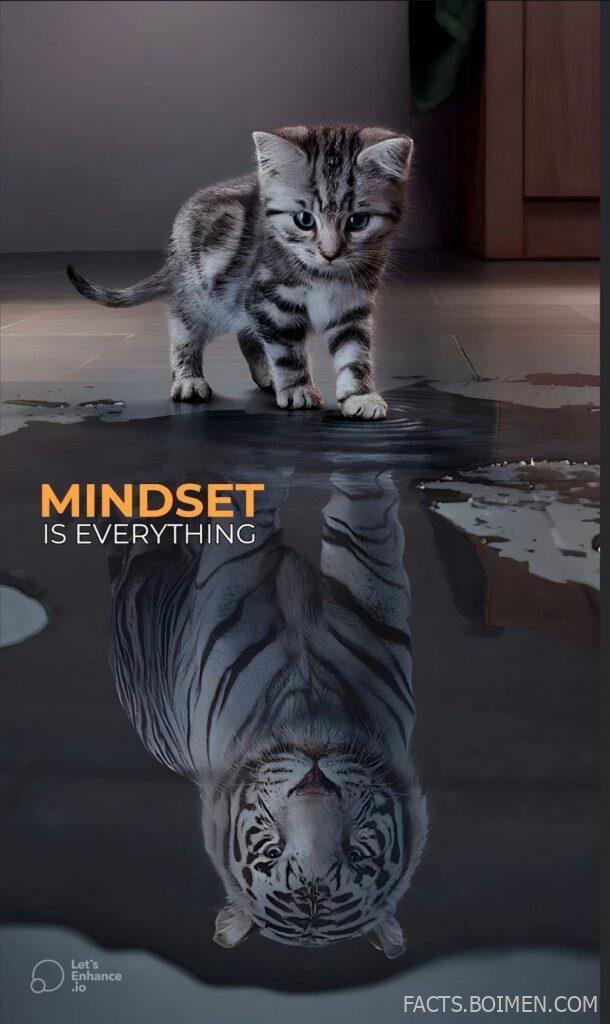
Your mindset shapes how you interpret setbacks, opportunities, and ordinary Tuesdays. But a mindset is not something you fix once and forget — it is a habit you feed. The good news is that a small, quiet corner of the internet is built specifically for that feeding: tools that nudge your thinking, reframe your day, and help you notice your own patterns. This list gathers 21 of them, starting with the one that inspired this page and fanning out into related finds that reward curiosity rather than hype.
Table of Contents(Click to Toggle)
Why Mindset Tools Deserve a Place in Your Browser
Most self-improvement advice fails for a boring reason: it lives in a book you read once, not in a loop you repeat. Digital mindset tools solve that by turning abstract intentions into small, repeatable actions — a two-minute journal prompt, a daily reflection, a nudge to reframe a thought. They are not magic, and none of them will think for you. What they do well is create friction against autopilot and momentum toward deliberate thinking. The tools below range from full apps to single-purpose websites, and most have free tiers you can test before committing. Treat this as a menu, not a checklist — pick two or three, use them for a month, and keep what actually changes your behavior.
21 Mindset Tools and Websites to Strengthen Your Daily Thinking
1. Enhance : A focused space for sharpening how you think and reflect
What it is: The tool behind this list’s pin, aimed at people who want to deliberately upgrade their mindset rather than passively consume motivation.
Category: Mindset and personal development
Why it stands out:
- Built around intentional practice rather than endless content feeds
- Suits a short daily ritual you can actually keep
- A clean starting point if you have never used a mindset tool before
Best for: Anyone who wants a simple anchor for a daily thinking habit.
2. Stoic : A journaling app rooted in practical philosophy
What it is: A mobile journal that pairs morning and evening prompts with quotes and exercises drawn from Stoic practice.
Category: Reflective journaling
Why it stands out:
- Structured prompts remove the blank-page problem
- Tracks mood alongside your writing so patterns surface over weeks
- Free tier covers the core daily routine
Best for: People who like a framework but dislike rigid productivity systems.
3. Fabulous : Habit-building with a behavioral-science backbone
What it is: A routine and habit app built by researchers that walks you through morning, afternoon, and evening rituals.
Category: Habit and routine design
Why it stands out:
- Journeys are sequenced, so you build one habit before stacking the next
- Includes focus and breathing exercises alongside task tracking
- Polished interface that makes a morning routine feel less like homework
Best for: Anyone whose mindset goals are really about consistent routines.
4. Intellect : Short, structured self-improvement courses
What it is: An app that delivers bite-sized lessons and exercises on confidence, stress, and emotional regulation.
Category: Guided learning
Why it stands out:
- Lessons are short enough to finish on a commute
- Interactive exercises follow each lesson instead of just reading
- Progress paths give structure without a huge time commitment
Best for: Learners who prefer a curriculum over open-ended journaling.
5. Reflectly : A guided journal that asks better questions
What it is: A journaling app that uses conversational prompts and mood tracking to keep entries flowing.
Category: Reflective journaling
Why it stands out:
- Prompt style feels like a conversation, not a form
- Visual mood history makes emotional trends easy to spot
- Short entries are encouraged, lowering the barrier to starting
Best for: People who bounce off traditional blank-page journals.
6. Insight Timer : A free library of guided meditations
What it is: One of the largest free meditation libraries online, with tens of thousands of tracks from teachers worldwide.
Category: Mindfulness
Why it stands out:
- Genuinely free core library with no hard paywall
- Filters by length, so a five-minute session is always available
- Live community events add a sense of shared practice
Best for: Beginners who want to try meditation without a subscription.
7. 750 Words : Morning pages, gamified and private
What it is: A minimalist writing site built on the idea of writing 750 words each morning to clear mental clutter.
Category: Writing practice
Why it stands out:
- Streak tracking makes daily writing oddly compelling
- Entries are private and analyzed for mood and topic trends
- No formatting, no audience — just words and a word count
Best for: Writers and overthinkers who need to empty their heads first.
8. Habitica : Turn habits into a role-playing game
What it is: A habit tracker styled as an RPG, where real-life tasks earn experience and gold for your avatar.
Category: Habit gamification
Why it stands out:
- Party system lets friends tackle quests together
- Missed habits cost health, adding playful accountability
- Open-source and free at its core
Best for: Gamers and anyone bored by checkbox habit apps.
9. Exist : Correlate your mood with your daily data
What it is: A personal analytics dashboard that pulls in mood, sleep, activity, and productivity data to find correlations.
Category: Self-tracking
Why it stands out:
- Connects to dozens of services, from fitness trackers to calendars
- Surfaces patterns like how sleep affects your mood ratings
- Built for curiosity rather than competitive leaderboards
Best for: Data-minded people who want evidence behind their habits.
10. Daylio : Micro-journaling in two taps a day
What it is: A mood tracker that lets you log your day with emoji and activity tags instead of paragraphs.
Category: Mood tracking
Why it stands out:
- Logging takes seconds, so the habit actually sticks
- Monthly reports reveal which activities lift your mood
- Optional journal notes for days that need more context
Best for: People who want reflection without writing long entries.
11. Woebot : A conversational check-in for reframing thoughts
What it is: A chat-based tool that guides short cognitive-behavioral style exercises through conversation.
Category: Cognitive reframing
Why it stands out:
- Conversational format makes reflection feel low-pressure
- Teaches named thinking traps you can recognize later
- Short daily check-ins fit into a coffee break
Best for: Anyone who wants a structured way to question unhelpful thoughts. It is a self-help tool, not a substitute for professional care.
12. Morning Brew : A business digest that sharpens your daily context
What it is: A free daily email newsletter summarizing business and tech news in a conversational voice.
Category: Information diet
Why it stands out:
- Five-minute read that keeps you current without doomscrolling
- Plain-language explanations of complex business stories
- Free subscription with no credit card
Best for: Readers who want a calmer, curated news habit.
13. Pocket : Save what matters and read it deliberately
What it is: A read-later service that strips articles down to clean text for distraction-free reading.
Category: Reading workflow
Why it stands out:
- Clean reading view removes ads and clutter
- Works across browsers and mobile with one click
- Built-in recommendations surface thoughtful long reads
Best for: Anyone whose open tabs are a graveyard of good intentions.
14. Readwise : Resurface the highlights you forgot you saved
What it is: A service that collects your book and article highlights and resurfaces them on a daily review schedule.
Category: Knowledge retention
Why it stands out:
- Spaced review turns passive highlighting into actual recall
- Syncs highlights from Kindle, Pocket, and many readers
- Daily email review takes about two minutes
Best for: Readers who highlight a lot and remember little.
15. Brain.fm : Functional music for focus sessions
What it is: A music service built around focus, relaxation, and sleep sessions rather than playlists.
Category: Focus support
Why it stands out:
- Tracks are composed to reduce distraction during deep work
- Simple session lengths keep you from fiddling with settings
- Works well as a trigger for entering focus mode
Best for: People whose mindset work begins with getting into flow.
16. Focusmate : Body-doubling sessions for accountability
What it is: A platform that pairs you with a stranger for a short, silent co-working session over video.
Category: Accountability
Why it stands out:
- Committing to a session makes starting much easier
- A brief goal statement at the start sets intention
- Free weekly sessions available to test the format
Best for: Procrastinators who work better with someone else present.
17. Sunsama : A daily planning ritual with a calm interface
What it is: A day planner that asks you to estimate time and choose a realistic set of tasks each morning.
Category: Daily planning
Why it stands out:
- Morning planning and evening shutdown prompts build reflection into the day
- Pulls tasks from calendars and project tools
- Deliberately limits how much you can schedule
Best for: People who overcommit and need a gentler planning ritual.
18. The One Thing : A single-focus productivity companion
What it is: A simple tool built on the idea of identifying one most-important task and protecting time for it.
Category: Prioritization
Why it stands out:
- Forces a single priority instead of an endless list
- Time-blocking keeps that priority visible in your calendar
- Minimal interface that resists feature creep
Best for: Anyone whose to-do list has become a source of anxiety.
19. Reclaim : Protect thinking time on a busy calendar
What it is: A scheduling assistant that automatically blocks time for habits, breaks, and focused work.
Category: Calendar protection
Why it stands out:
- Habits get defended on the calendar like real meetings
- Reschedules blocks when conflicts appear
- Integrates with Google Calendar and common task tools
Best for: People whose intentions get eaten by back-to-back meetings.
20. Sloww : A reading site about deliberate living
What it is: A long-form blog exploring purpose, attention, and how to live with more intention.
Category: Long-form reading
Why it stands out:
- Well-researched essays rather than motivational soundbites
- Curated reading lists point to deeper sources
- Free to read with no account required
Best for: Readers who want depth over daily affirmations.
21. Ness Labs : A newsletter on mindful productivity
What it is: A newsletter and article archive focused on the intersection of psychology and productivity.
Category: Mindful productivity
Why it stands out:
- Articles cite research rather than relying on anecdote
- Regular newsletter keeps ideas arriving without effort
- Practical frameworks for focus, creativity, and decision-making
Best for: Thinkers who want evidence-based productivity ideas.
Bonus Mentions
Headspace : Polished guided meditation for beginners
A well-known option with clear introductory courses and sleep content. Its structured beginner path makes it a gentle first step, though most of the library sits behind a subscription.
Calm : Meditation and sleep stories in one app
Combines guided sessions with sleep stories and ambient soundscapes. Useful if your mindset work overlaps with winding down at night.
Todoist : A clean task manager with natural language input
A dependable task app that pairs well with any daily planning ritual. Its quick-add parsing and filters keep lists from becoming noise.
Notion : A flexible workspace for journals and notes
Build your own reflection template, habit tracker, or reading log. The trade-off is setup time — it rewards people who enjoy designing systems.
The Muse : Career and mindset articles with a practical tone
A free resource with advice on confidence, career clarity, and workplace thinking. A good bookmark for days when you want a nudge rather than a system.
The Internet’s Best-Kept Mindset Secrets (So Far)
The pattern across all 21 tools is the same: mindset improves through small, repeated actions, not dramatic overhauls. A two-minute mood log, a single prioritized task, or a daily writing streak does more for your thinking than another motivational video. Start with one tool that matches your existing habits — if you already read email each morning, try a newsletter; if you already keep a calendar, try automatic time-blocking. Give it thirty days before judging it, and drop anything that adds stress instead of clarity. The best mindset tool is the one you forget you are using because it fits so naturally into your day.
Which of these did you try first, and what is one underrated mindset tool you would add to the list? Share your own find in the comments — the best recommendations usually come from other readers.