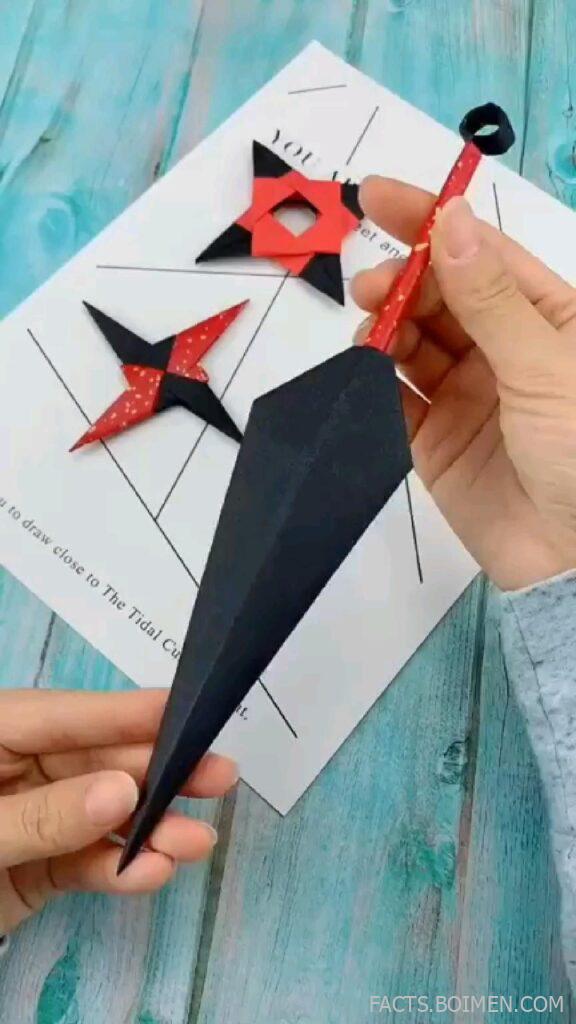
There is a particular kind of quiet that settles over a table when a child folds a square of paper for the first time and it actually turns into something. Origami is one of the rare crafts that needs no glue, no paint, no drying time, and no special trip to the store — just paper and a flat surface. That low barrier is exactly why preschool teachers, parents, and after-school clubs keep coming back to it. The fifteen resources below range from diagram libraries to printable templates to video walkthroughs, and each one is chosen because a real beginner can follow it without frustration.
Table of Contents(Click to Toggle)
Why Origami Is the Smartest First Craft for Young Kids
Preschool craft time usually involves a lot of setup and a lot of cleanup. Origami flips that equation. A pack of square paper costs almost nothing, the activity fits on a single table, and there is nothing to wash afterward. More importantly, folding builds the exact skills early learners are working on: fine motor control, spatial reasoning, following a sequence, and the patience to try again when a fold lands crooked.
The catch is that not every origami tutorial is written for small hands. Many diagram libraries assume you already know what a “valley fold” or a “waterbomb base” means. The resources below were picked because they either explain those terms in plain language, use video so kids can copy along, or stick to models that genuinely take under five minutes. That combination is what makes a craft session end in pride rather than tears.
15 Easy Origami Paper Crafts for Kids and Preschool Beginners
1. Origami.me : Clear step-by-step diagram library for absolute beginners
What it is: A free diagram site with hundreds of models organized by difficulty and by animal, flower, or object.
Category: Diagram library
Why it stands out:
- Each tutorial uses crisp illustrated steps rather than photos, so folds are easy to see.
- Beginner models like the simple dog and the classic crane come with time estimates.
- There is a dedicated easy section, which saves parents from scrolling past complex dragons.
Best for: A parent who wants to print a single sheet and hand it to a child with no screen involved.
2. Origami Fun : Printable diagrams plus a beginner video series
What it is: A long-running site that pairs downloadable PDF diagrams with short video demonstrations.
Category: Diagrams and video
Why it stands out:
- The printable diagrams are formatted for standard letter paper, which matters for classroom handouts.
- Its “very easy” collection focuses on models under ten steps.
- Video versions help when a diagram’s arrow direction is ambiguous.
Best for: Teachers preparing a whole class of handouts the night before.
3. Paper Kawaii : Cute, slow-paced video tutorials kids can follow along
What it is: A video-first origami channel and blog known for adorable boxes, envelopes, and animal models.
Category: Video tutorials
Why it stands out:
- Filming is overhead and unhurried, so small viewers can mirror each fold.
- Many projects are useful objects, like mini gift boxes and bookmarks, not just display models.
- Written instructions accompany most videos for kids who prefer reading.
Best for: Kids who learn by watching rather than decoding arrows.
4. Origami Resource Center : A deep encyclopedia of models and folding terms
What it is: A reference-heavy site covering everything from simple shapes to the history of paper folding.
Category: Reference and diagrams
Why it stands out:
- It explains base folds clearly, which is the missing piece for most beginners.
- Seasonal sections cover holiday crafts like paper pumpkins and stars.
- Pages load fast and are largely text and image, so they work on older devices.
Best for: Parents who want to actually understand the vocabulary before teaching it.
5. Red Ted Art : Kid-tested paper crafts with lots of photos
What it is: A large kids’ craft blog with an extensive paper and origami section.
Category: Craft blog
Why it stands out:
- Projects are photographed at each stage, so you see what “should” look like mid-fold.
- Many tutorials include a printable template, which removes the trickiest measuring step.
- Difficulty is labeled honestly, including a preschool-friendly tier.
Best for: Families who want a craft that also becomes a toy or decoration.
6. The Spruce Crafts : Well-organized origami guides with printable patterns
What it is: A general craft site whose origami section is organized by project type and skill level.
Category: Craft publication
Why it stands out:
- Articles are edited and consistent in format, so instructions rarely contradict each other.
- There are printable paper patterns, including pre-colored squares for kids.
- Related articles suggest the next model to try, which keeps momentum going.
Best for: Readers who like a clean, ad-light layout and consistent formatting.
7. Origami Way : Fast-loading instructions sorted by difficulty
What it is: A straightforward diagram site with a strong easy-tier collection.
Category: Diagram library
Why it stands out:
- Models are tagged easy, intermediate, or advanced, so there are no surprises.
- Instructions are numbered and paired with simple line art.
- Popular beginner picks like the fortune teller and paper boat are all here.
Best for: A quick lookup when a child asks for “the boat one” and you need steps fast.
8. Easy Peasy and Fun : Preschool-focused paper crafts with templates
What it is: A kids’ craft site with a large printable library and a paper craft category.
Category: Printable crafts
Why it stands out:
- Many projects combine folding with cutting and coloring, which suits shorter attention spans.
- Free printable templates are available for most projects.
- Instructions are written in short sentences aimed at adults helping young children.
Best for: Preschool and kindergarten settings where folding is one part of a bigger craft.
9. Origami Instructions : A tidy index of classic beginner models
What it is: A compact site covering the classic repertoire — cranes, frogs, cups, hats, and boats.
Category: Diagram library
Why it stands out:
- Each model has a short intro explaining what it is and how long it takes.
- The jumping frog and drinking cup are perfect for a five-minute activity break.
- Navigation is simple enough that older kids can browse independently.
Best for: Building a small “greatest hits” list of models a child can master and repeat.
10. Craft Whack : Photo-heavy tutorials that show every fold
What it is: A craft blog with step photography for paper projects and seasonal decorations.
Category: Craft blog
Why it stands out:
- Real hands and real paper in each photo make the scale obvious.
- Projects often use standard printer paper, so no special supplies are needed.
- Tutorials include tips for fixing common mistakes, like a crushed corner fold.
Best for: Visual learners who find line diagrams abstract.
11. Origami Plus : Modern video tutorials with a clean presentation
What it is: A video channel and site featuring neatly filmed origami projects, many with a playful modern style.
Category: Video tutorials
Why it stands out:
- High-contrast paper makes fold lines easy to track on a phone screen.
- Projects are grouped by theme, including toys and useful desk items.
- No narration reliance means kids can follow even with sound off.
Best for: Screen-based crafting on a tablet at the kitchen table.
12. First Palette : Printable origami templates for the youngest folders
What it is: A kids’ craft resource with printable templates and simple paper projects.
Category: Printable templates
Why it stands out:
- Pre-marked templates reduce the precision needed for a first fold.
- Projects are sorted by age range, including preschool.
- Coloring and folding are often combined, extending the activity time.
Best for: Very young children who need guide lines to succeed.
13. Art for Kids Hub : Friendly video lessons with a parent-and-child format
What it is: A family-run art channel that includes paper folding and paper toy projects alongside drawing.
Category: Video lessons
Why it stands out:
- The host folds alongside his own children, so pacing reflects real kid speed.
- Mistakes are shown and corrected rather than edited out.
- Projects are short enough to fit into a rainy afternoon.
Best for: Parents who want to craft together rather than supervise.
14. Kids Activities Blog : A huge idea bank of paper crafts by age
What it is: A long-running activity site with a deep paper craft archive.
Category: Activity blog
Why it stands out:
- Ideas are grouped by age and by season, which makes planning easy.
- Many posts pair origami with a game or story, adding a second layer of play.
- Supply lists are short and use household items.
Best for: Filling a whole week of activities without repeating a project.
15. Origami Spirit : Thoughtful tutorials that connect folding to creativity
What it is: A carefully written origami blog with tutorials, tips, and reflections on the craft.
Category: Tutorial blog
Why it stands out:
- Posts explain why a fold works, not just how to do it.
- There are beginner-friendly tutorials for decorative models like stars and flowers.
- The tone is calm and encouraging, which suits hesitant beginners.
Best for: Adults and older kids who want to slow down and enjoy the process.
Bonus Mentions
YouTube : Search “easy origami for kids” for endless follow-along videos
What it is: The default video library, and a surprisingly good origami classroom when you filter by length.
Category: Video platform
Why it stands out:
- Search filters let you find videos under four minutes, which suits short attention spans.
- Playback speed controls slow a tricky fold down to half speed.
Best for: Finding a specific model fast when a child requests one by name.
Pinterest : Visual boards that surface printable templates and photo steps
What it is: A visual discovery platform where paper craft tutorials are saved in themed boards.
Category: Inspiration
Why it stands out:
- Boards collect printable templates you can save for later.
- Photo-based steps often reveal details that diagrams skip.
Best for: Building a saved library of projects before a school holiday.
Amazon : Bulk origami paper packs in kid-friendly sizes and colors
What it is: A practical source for square paper, including smaller six-inch packs that suit small hands.
Category: Supplies
Why it stands out:
- Six-inch squares are the standard beginner size and are widely available.
- Double-sided packs make models that show color on both sides.
Best for: Classrooms needing a hundred sheets at a reasonable price.
wikiHow : Illustrated guides for classic models like the crane and boat
What it is: A collaborative how-to site with illustrated origami articles.
Category: How-to reference
Why it stands out:
- Articles often include both illustrations and short video clips.
- Community edits mean confusing steps get clarified over time.
Best for: A second opinion when a diagram from another site is unclear.
Instructables : Community projects that mix origami with paper toys
What it is: A maker community where creators post step-by-step paper projects with photos.
Category: Community projects
Why it stands out:
- Projects often add a twist, like a flapping bird that actually moves.
- Comment sections frequently contain helpful troubleshooting notes.
Best for: Kids who have mastered the basics and want something with a mechanical surprise.
The Best Places to Start Folding Today
You do not need a craft store run or a special kit to begin. A stack of square paper and one good diagram is enough to fill an afternoon, and the resources above cover every learning style — printed steps, photos, and slow video. Start with a model that takes under ten steps, like a paper boat or a simple dog, and let the first success carry the session. Keep a few sheets in a drawer for rainy days; origami is one of the few crafts you can pull out with zero preparation.
Which of these became your child’s favorite, or did you find a folding site that deserves a spot on this list? Share it in the comments — the best hidden gems usually come from other parents.