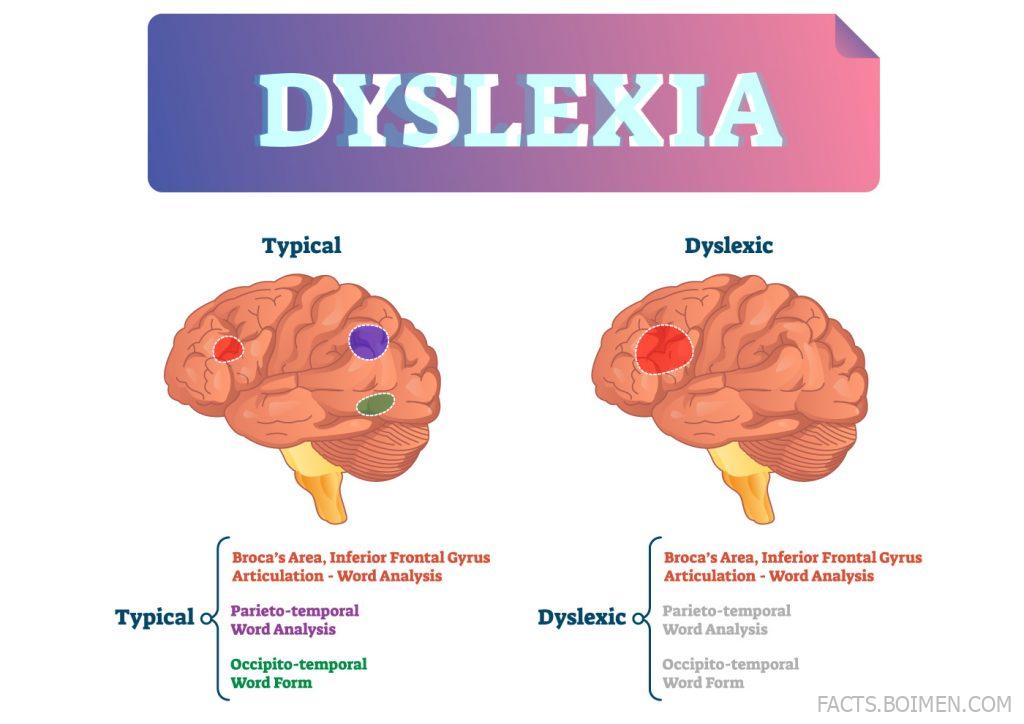
Have you ever wondered what it feels like to read when letters seem to dance, reverse, or blur? For the 1 in 10 people who have dyslexia, reading is a daily challenge that most of us never see. Fortunately, a growing number of websites and tools let you step into their shoes for a moment. These simulations build empathy, help teachers and parents understand, and even assist in designing more accessible content. Below are 18 websites that simulate dyslexia reading, each offering a unique way to experience the struggle and triumphs of dyslexic readers. Whether you’re an educator, a designer, or simply curious, these tools will change how you think about reading.
Table of Contents(Click to Toggle)
- Why Simulating Dyslexia Matters
- 18 Websites That Simulate Dyslexia Reading
- 1. Dyslexia Simulation
- 2. Understood.org
- 3. WebAIM
- 4. Dyslexia Help
- 5. Nessy
- 6. LD Online
- 7. Reading Rockets
- 8. Dyslexia.com
- 9. Microsoft Immersive Reader
- 10. Google Read Along
- 11. OpenDyslexic
- 12. Dyslexie Font
- 13. BeeLine Reader
- 14. Helperbird
- 15. Texthelp
- 16. Learning Ally
- 17. Bookshare
- 18. Dyslexiaville
- Bonus Mentions
- The Internet’s Best-Kept Secrets (So Far)
Why Simulating Dyslexia Matters
Dyslexia is not about intelligence; it’s a different way the brain processes language. Yet, because it’s invisible, many people dismiss it as laziness or lack of effort. Simulations bridge that gap. By forcing you to read text that jumbles, reverses, or blurs, these tools create a visceral understanding of the frustration and fatigue dyslexic readers face. This empathy leads to better teaching strategies, more accessible design, and stronger support systems. Moreover, simulations are not just for awareness—they’re also used in research and in developing assistive technologies. The websites below offer a range of experiences, from simple text scramblers to full reading environments. Each one provides a unique lens into the dyslexic experience. So, whether you’re a teacher looking to understand a student, a designer aiming for inclusivity, or just someone who wants to walk a mile in another’s shoes, these 18 websites will open your eyes.
18 Websites That Simulate Dyslexia Reading
1. Dyslexia Simulation : The most direct way to feel the reading struggle
What it is: A dedicated website that offers interactive simulations of dyslexic reading, including letter reversals, word jumbling, and visual distortions.
Category: Simulation Tool
Why it stands out:
- Allows you to adjust the severity of simulation, from mild to severe.
- Includes a timed reading exercise that shows how much longer it takes to read a passage.
- Provides a debrief section explaining the science behind each distortion.
Best for: Educators and parents who want a quick, impactful demonstration.
2. Understood.org : Comprehensive resources with a powerful simulation
What it is: A nonprofit organization offering a wide range of tools for learning differences, including a dyslexia simulation that mimics letter and word distortions.
Category: Educational Resource
Why it stands out:
- Simulation is embedded in articles and videos, providing context.
- Offers personal stories from dyslexic individuals alongside the simulation.
- Includes practical tips for teachers and parents.
Best for: Those seeking a holistic understanding of dyslexia beyond just the visual experience.
3. WebAIM : Accessibility simulations for web content
What it is: WebAIM provides a dyslexia simulation that shows how web pages appear to someone with dyslexia, focusing on text readability.
Category: Accessibility Tool
Why it stands out:
- Simulates how common web design choices (like justified text or small fonts) affect dyslexic readers.
- Offers guidelines for making web content more accessible.
- Includes other disability simulations for a broader perspective.
Best for: Web designers and developers committed to inclusive design.
4. Dyslexia Help : University-backed simulation and resources
What it is: A resource from the University of Michigan that offers a dyslexia simulation tool and extensive information on dyslexia.
Category: Educational Resource
Why it stands out:
- Simulation is based on research and includes various types of reading errors.
- Provides a downloadable guide for running your own simulation workshop.
- Offers success stories and strategies for dyslexic learners.
Best for: Teachers and tutors looking for evidence-based tools.
5. Nessy : Fun simulations for kids and adults
What it is: Nessy creates educational software for dyslexic children, and their website includes interactive simulations that show reading challenges.
Category: Educational Software
Why it stands out:
- Simulations are gamified, making them engaging for young learners.
- Shows how phonics and word recognition can be affected.
- Includes videos of real dyslexic children describing their experiences.
Best for: Parents and teachers of elementary school children.
6. LD Online : Interactive simulations and expert advice
What it is: A leading website on learning disabilities, LD Online features a dyslexia simulation that demonstrates reading difficulties.
Category: Informational Website
Why it stands out:
- Simulation is accompanied by articles from experts in the field.
- Offers a Q&A section where you can ask questions about dyslexia.
- Includes a glossary of terms for better understanding.
Best for: Individuals seeking both simulation and in-depth information.
7. Reading Rockets : Literacy-focused simulations and strategies
What it is: A national multimedia project offering a dyslexia simulation that highlights the challenges of decoding text.
Category: Educational Resource
Why it stands out:
- Simulation focuses on phonemic awareness and decoding difficulties.
- Provides classroom strategies for helping dyslexic students.
- Includes interviews with researchers and educators.
Best for: Reading teachers and literacy coaches.
8. Dyslexia.com : The Davis method simulation
What it is: The official site of the Davis Dyslexia Association International, offering a simulation that mimics the perceptual distortions often experienced by dyslexics.
Category: Advocacy Organization
Why it stands out:
- Simulation emphasizes how letters and words can appear to move or change.
- Explains the Davis theory of dyslexia and its approach to correction.
- Offers links to local Davis facilitators.
Best for: Those interested in the Davis method and perceptual aspects of dyslexia.
9. Microsoft Immersive Reader : Built-in reading accommodations
What it is: A free tool integrated into Microsoft products that helps dyslexic readers by reading text aloud, breaking words into syllables, and more.
Category: Assistive Technology
Why it stands out:
- Includes a line focus feature that highlights one line at a time, reducing visual crowding.
- Can change font size, spacing, and background color to improve readability.
- Available in many Microsoft apps, including Word, Edge, and Teams.
Best for: Students and professionals who need reading support in daily tasks.
10. Google Read Along : Interactive reading practice for kids
What it is: A free app by Google that helps children practice reading with feedback, using speech recognition to assist dyslexic readers.
Category: Educational App
Why it stands out:
- Provides real-time feedback and encouragement as children read aloud.
- Offers a variety of stories with visual aids.
- Works offline and is available on Android and iOS.
Best for: Parents and teachers looking for a fun, supportive reading tool for kids.
11. OpenDyslexic : A font designed for dyslexic readers
What it is: A free, open-source font that increases readability for people with dyslexia by giving letters unique shapes and heavier bottoms.
Category: Font/Typeface
Why it stands out:
- Can be downloaded and used in any document or website.
- Reduces letter confusion by making each character more distinct.
- Includes a browser extension for easy web use.
Best for: Dyslexic readers who want a simple typographic solution.
12. Dyslexie Font : Another specialized font for dyslexia
What it is: A commercial font designed to reduce reading errors for dyslexic individuals, with a focus on letter recognition.
Category: Font/Typeface
Why it stands out:
- Letters have distinct bottoms and openings to prevent flipping.
- Available for personal and commercial use.
- Offers a free trial for individuals.
Best for: Designers and publishers creating dyslexia-friendly materials.
13. BeeLine Reader : Color gradients for easier reading
What it is: A tool that uses color gradients to guide the eye from line to line, making reading faster and easier for dyslexic readers.
Category: Reading Aid
Why it stands out:
- Reduces line skipping and eye fatigue.
- Available as a browser extension and for PDFs.
- Can be customized with different color schemes.
Best for: Anyone who struggles with tracking lines of text.
14. Helperbird : All-in-one accessibility extension
What it is: A browser extension that offers a suite of accessibility features, including dyslexia-friendly fonts, text-to-speech, and overlays.
Category: Accessibility Tool
Why it stands out:
- Combines many tools in one, reducing the need for multiple extensions.
- Includes a dyslexia ruler and reading guide.
- Works on Chrome and Edge.
Best for: Users who want a customizable reading environment on the web.
15. Texthelp : Literacy support software
What it is: Texthelp offers tools like Read&Write, which provides text-to-speech, word prediction, and other supports for dyslexic users.
Category: Assistive Technology
Why it stands out:
- Read&Write integrates with many platforms, including Google and Microsoft.
- Offers a free trial for teachers.
- Includes a screen masking feature to reduce visual stress.
Best for: Schools and workplaces needing comprehensive literacy support.
16. Learning Ally : Audiobooks for dyslexic readers
What it is: A nonprofit that provides human-narrated audiobooks and educational support for students with dyslexia.
Category: Audiobook Service
Why it stands out:
- Offers a vast library of textbooks and literature.
- Includes a reading app with customizable settings.
- Provides parent and teacher resources.
Best for: Students who need alternative access to reading materials.
17. Bookshare : Accessible books for people with print disabilities
What it is: An online library of accessible ebooks for people with dyslexia and other print disabilities, free for qualified U.S. students.
Category: Digital Library
Why it stands out:
- Offers over a million titles in formats like audio, braille, and large print.
- Uses text-to-speech and allows font adjustments.
- Provides free membership for qualifying individuals.
Best for: Dyslexic readers seeking a wide range of accessible books.
18. Dyslexiaville : A virtual world for dyslexic kids
What it is: An interactive website with games and activities designed to support dyslexic children, including simulations of reading challenges.
Category: Educational Games
Why it stands out:
- Engages children with fun characters and rewards.
- Simulations are integrated into game levels.
- Provides a safe online environment.
Best for: Young dyslexic learners and their parents.
Bonus Mentions
These additional tools are worth exploring for their unique approaches to dyslexia simulation and support.
Dyslexic Advantage : Community and resources
A nonprofit that celebrates the strengths of dyslexic individuals and offers a simulation to understand challenges.
Made By Dyslexia : Global charity with simulations
Founded by Richard Branson, this charity provides a dyslexia simulation and advocacy tools.
International Dyslexia Association : Research and simulation
The IDA offers a simulation and extensive research on dyslexia.
National Center for Learning Disabilities : Advocacy and tools
NCLD provides a dyslexia simulation and policy advocacy.
The Internet’s Best-Kept Secrets (So Far)
These 18 websites that simulate dyslexia reading offer more than just a momentary glimpse—they build bridges of understanding. By experiencing the jumbled letters, the blurred lines, and the fatigue, we can foster empathy and drive change in education, design, and society. Whether you’re a teacher, a parent, a designer, or simply a curious mind, these tools are invaluable. They remind us that reading is not a given for everyone, and that small adjustments can make a world of difference. So, take a few minutes to try one out. You might just see the world differently. And if you know of any other hidden gems that simulate dyslexia or support dyslexic readers, please share them in the comments below—we’d love to expand this list!