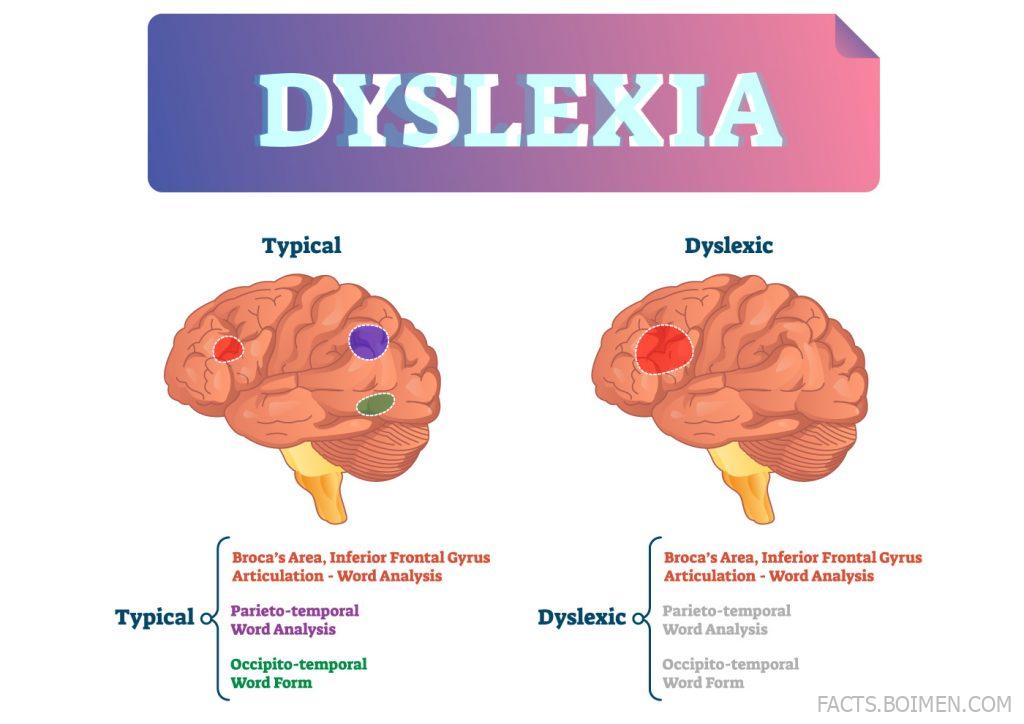
Reading with dyslexia is not about seeing letters backwards, and it is not about laziness or low intelligence. It is a different way the brain processes written language: sounds, letter shapes, and word order can take extra effort to hold together, and that effort compounds line after line. Most people never feel that friction because fluent reading happens automatically for them.
The tools below were built to close that gap. Some let you simulate the experience so you can understand a friend, student, or colleague. Others are real reading aids that dyslexic readers use every day: fonts, overlays, screen readers, and text-to-speech apps. Together they turn an abstract idea into something you can actually feel in a few minutes.
Table of Contents(Click to Toggle)
- Why Simulating Dyslexia Changes How You See Reading
- 20 Tools That Show What Reading With Dyslexia Feels Like
- 1. Dyslexia Simulation Tool
- 2. OpenDyslexic
- 3. Lexend
- 4. BeeLine Reader
- 5. Microsoft Immersive Reader
- 6. Helperbird
- 7. NaturalReader
- 8. Speechify
- 9. Voice Dream Reader
- 10. Google Read Along
- 11. Bookshare
- 12. Learning Ally
- 13. Understood.org
- 14. Made By Dyslexia
- 15. International Dyslexia Association
- 16. Nessy
- 17. Reading Rockets
- 18. Seeing AI
- 19. Google Lookout
- 20. Dyslexia Fonts and Overlay Extensions
- Bonus Mentions
- The Internet’s Quiet Reading Revolution
Why Simulating Dyslexia Changes How You See Reading
Dyslexia affects roughly one in ten people, which means almost everyone knows someone who reads differently. Yet the experience stays invisible, because fluent readers never notice the machinery behind reading. When you try a simulation, even a rough one, the invisible becomes obvious: you slow down, you guess at words, you lose your place, and you feel the fatigue that builds after a single paragraph.
That shift in perspective matters. Teachers who try a simulation tend to give more time and more patience. Friends and family stop assuming a dyslexic reader simply needs to try harder. And dyslexic readers themselves often discover tools they never knew existed, from specialty fonts to text-to-speech apps that read documents aloud in a natural voice.
Below are twenty resources, starting with the simulation itself and moving into real-world reading aids. Every one is free to try, or has a free tier, and each one earns its place for a specific reason.
20 Tools That Show What Reading With Dyslexia Feels Like
1. Dyslexia Simulation Tool : The fastest way to feel the reading friction firsthand
What it is: A browser-based simulation that scrambles and jumbles text in real time so you can attempt to read it as a dyslexic reader might.
Category: Simulation and awareness
Why it stands out:
- Swaps letters, adds spacing quirks, and shifts words so your eyes keep slipping off the line
- Runs instantly in a browser with no account or download
- Useful for classroom demonstrations and workplace training sessions
Best for: Anyone who wants a quick, visceral taste of reading difficulty before exploring real tools.
2. OpenDyslexic : A free typeface designed to anchor letters to the baseline
What it is: An open-source font with weighted letter bottoms and distinctive shapes that reduce letter flipping and swapping.
Category: Accessibility fonts
Why it stands out:
- Letters like b, d, p, and q are visually distinct at a glance
- Free for personal and commercial use under an open license
- Available as a browser extension that restyles any website
Best for: Dyslexic readers who want a font they can apply across email, documents, and the web.
3. Lexend : A research-backed font family built to improve reading speed
What it is: A variable font family developed from reading-proficiency research, with spacing and letterforms tuned for smoother decoding.
Category: Accessibility fonts
Why it stands out:
- Offers multiple widths and weights so you can fine-tune comfort
- Free through Google Fonts, so it drops into websites easily
- Clean enough for everyday design work, not just accessibility mode
Best for: Designers and readers who want a subtle, professional-looking dyslexia-friendly font.
4. BeeLine Reader : Color gradients that guide your eyes down the page
What it is: A reading tool that applies a color gradient across lines of text, creating a visual path that reduces line-skipping.
Category: Reading aids
Why it stands out:
- Helps readers keep their place without a finger or ruler
- Works as a browser extension and inside some library systems
- Color transitions are subtle enough not to distract fluent readers
Best for: Readers who lose their place on dense paragraphs or long articles.
5. Microsoft Immersive Reader : Built-in reading support across Word, Edge, and Teams
What it is: A free reading tool integrated into Microsoft products that reads text aloud, breaks words into syllables, and adjusts spacing.
Category: Built-in accessibility
Why it stands out:
- Line focus mode dims everything except the line you are reading
- Parts of speech can be color-coded to support comprehension
- Already installed on most school and work computers, so no setup
Best for: Students and office workers who want help without installing anything new.
6. Helperbird : A browser toolbar that turns any page into an accessible one
What it is: An extension that adds dyslexia-friendly fonts, overlays, text-to-speech, and color controls to websites.
Category: Browser accessibility
Why it stands out:
- Combines font swapping, reading rulers, and speech in one place
- Settings apply per site, so you can keep normal reading elsewhere
- Has a free tier that covers the core reading adjustments
Best for: Frequent web readers who want consistent support across many sites.
7. NaturalReader : Converts documents and web pages into natural-sounding speech
What it is: A text-to-speech app that reads PDFs, ebooks, and websites aloud with adjustable speed and voice.
Category: Text-to-speech
Why it stands out:
- Drag-and-drop file support for PDFs and Word documents
- Highlighting follows the spoken words, linking sound to text
- Free tier covers everyday use; premium voices sound more human
Best for: Readers who absorb information better by listening while following along.
8. Speechify : Turns articles, emails, and PDFs into audio in seconds
What it is: A popular text-to-speech app available on mobile, desktop, and as a browser extension.
Category: Text-to-speech
Why it stands out:
- Fast setup: paste a link or upload a file and press play
- Speed controls let you listen faster than you could read
- Syncs highlights so you can switch between listening and reading
Best for: Commuters and multitaskers who want to get through long reading lists by ear.
9. Voice Dream Reader : A customizable reader for ebooks and documents
What it is: An iOS and Android app that reads ebooks, PDFs, and web articles with fine-grained control over voice, font, and spacing.
Category: Mobile reading apps
Why it stands out:
- Font, color, and spacing options are unusually detailed
- Supports Bookshare and other accessible book libraries directly
- Word-level highlighting keeps eyes and ears in sync
Best for: Dyslexic readers who want one app that handles both reading and listening.
10. Google Read Along : A free reading coach that listens and encourages
What it is: A Google app that uses speech recognition to help children practice reading aloud, offering gentle correction and rewards.
Category: Early literacy
Why it stands out:
- Gives immediate feedback when a word is misread
- Works offline after stories are downloaded
- No ads and no in-app purchases, which is rare for kids’ apps
Best for: Parents and teachers supporting young readers at home.
11. Bookshare : A massive library of accessible ebooks for eligible readers
What it is: A nonprofit digital library offering books in audio, braille, and large-print formats for people with reading disabilities.
Category: Accessible libraries
Why it stands out:
- Over a million titles, including textbooks and bestsellers
- Free for qualifying U.S. students; low-cost for other members
- Works with popular reading apps and devices
Best for: Students who need textbooks in a format they can actually read.
12. Learning Ally : Human-narrated audiobooks for students who struggle with print
What it is: A membership service providing audiobooks narrated by real people, paired with text for follow-along reading.
Category: Accessible audiobooks
Why it stands out:
- Human narration sounds warmer than synthetic voices
- Includes textbooks aligned with school curricula
- Educator tools help track reading progress
Best for: Families and schools that want high-quality narration for older students.
13. Understood.org : Plain-language explanations of learning differences
What it is: A nonprofit resource hub covering dyslexia, ADHD, and related learning differences with practical guides.
Category: Information and support
Why it stands out:
- Explains terms like phonemic awareness without jargon
- Offers scripts for talking to teachers and employers
- Free, ad-light, and written with input from experts
Best for: Parents and adults newly exploring a dyslexia diagnosis.
14. Made By Dyslexia : A global charity reframing dyslexia as a strength
What it is: An organization founded by dyslexic entrepreneurs that trains teachers and employers to recognize dyslexic thinking.
Category: Advocacy and training
Why it stands out:
- Free online training courses for schools and workplaces
- Highlights real dyslexic professionals and their career paths
- Focuses on strengths like problem-solving and creativity
Best for: Educators and managers who want to build a more inclusive environment.
15. International Dyslexia Association : The long-standing hub for research and referrals
What it is: A nonprofit that publishes fact sheets, research summaries, and provider directories for dyslexia.
Category: Research and referrals
Why it stands out:
- Fact sheets are written for parents, not just academics
- Branch network helps you find local specialists
- Defines structured literacy standards used by many schools
Best for: Anyone who wants trustworthy background before choosing a tutor or program.
16. Nessy : Playful structured literacy games for young readers
What it is: A learning platform that teaches phonics and spelling through short animated games and videos.
Category: Structured literacy
Why it stands out:
- Lessons are short enough to hold attention
- Progress tracking helps parents see what is improving
- Built around evidence-based phonics sequencing
Best for: Children aged roughly 5 to 11 who need extra phonics practice.
17. Reading Rockets : Free, practical teaching strategies for struggling readers
What it is: A public media project offering articles, videos, and classroom activities about how children learn to read.
Category: Teaching resources
Why it stands out:
- Short videos show real classroom techniques in action
- Booklists are sorted by age and reading level
- Everything is free and ad-free
Best for: Teachers and homeschool parents looking for ready-to-use ideas.
18. Seeing AI : A free app that reads the world aloud
What it is: A Microsoft app that uses a phone camera to read short text, documents, and product labels out loud.
Category: Mobile accessibility
Why it stands out:
- Reads menus, mail, and labels without typing anything
- Works offline for some channels, which helps in stores
- Completely free with no ads
Best for: Anyone who needs quick help with printed text away from a computer.
19. Google Lookout : Camera-based reading assistance on Android
What it is: A Google app that identifies text, objects, and documents through the phone camera and speaks the results.
Category: Mobile accessibility
Why it stands out:
- Food label and document modes are genuinely useful day to day
- Simple interface with large, clear buttons
- Available free on supported Android devices
Best for: Android users who want an on-the-go reading companion.
20. Dyslexia Fonts and Overlay Extensions : A roundup of small tweaks that add up
What it is: A collection of downloadable fonts and browser overlays that change text color, spacing, and background tint.
Category: Reading aids
Why it stands out:
- Colored overlays can reduce the visual stress some readers feel
- Fonts are installable system-wide, not just in one app
- Most options are free or donation-based
Best for: Readers who want to experiment with several small adjustments at once.
Bonus Mentions
Beeline Reader for Libraries : Color-guided reading inside library catalogs
Many public and university libraries embed BeeLine’s gradient reading directly into their ebook platforms, so you get the benefit without installing anything. Check your library’s digital collection first.
Bookshare Web Reader : Read accessible books without extra software
If you qualify for Bookshare, the built-in web reader handles text-to-speech, highlighting, and font adjustments right in the browser, which is handy on shared or borrowed computers.
Reading Rockets Parent Guides : One-page handouts for home practice
These printable guides condense the research into simple routines parents can do in ten minutes a day, which is often more sustainable than a full curriculum.
IDA Provider Directory : Finding a qualified specialist nearby
The association’s directory lists certified academic language therapists by region, useful when you want structured one-on-one support rather than an app.
The Internet’s Quiet Reading Revolution
What makes this list interesting is how much of it exists outside the spotlight. None of these tools dominate headlines, yet together they represent a real shift: reading support has moved from specialist clinics into ordinary browsers, phones, and free apps. A student can now listen to a textbook on the bus, a parent can try a simulation in two minutes, and a designer can pick a font that helps millions of readers without changing a single line of code.
The simulations are the entry point, but the aids are where the daily difference lives. If you only try one thing, start with a simulation to build empathy, then hand a dyslexic friend or student one of the fonts or text-to-speech apps and watch how quickly reading stops being a struggle and starts being a choice.
Which of these did you try first, and what did it change for you?