Most people without dyslexia read a sentence and never think about the mechanics behind it. For roughly 1 in 10 people worldwide, that same sentence arrives as a shifting, crowded, or scrambled puzzle. The websites below were built to close that empathy gap in minutes, not lectures. Some simulate letter movement, others let you type your own text and watch it distort, and a few simply explain the science with unusual clarity. Every one of them is free, browser-based, and safe to share with a friend, a teacher, or a skeptical relative who still thinks dyslexia is just “reading backwards.” Start with the first one, because it is the site that inspired this whole list.
Table of Contents(Click to Toggle)
- Why Dyslexia Reading Simulations Matter
- 19 Websites That Show What Dyslexia Reading Feels Like
- 1. Dyslexia Simulation (Weebly)
- 2. Dyslexiaville
- 3. OpenDyslexic
- 4. Dyslexic Type Simulator
- 5. Understood.org
- 6. WebAIM
- 7. Nessy
- 8. Made By Dyslexia
- 9. British Dyslexia Association
- 10. International Dyslexia Association
- 11. Yale Center for Dyslexia & Creativity
- 12. Dyslexia Reading Well
- 13. Tints and Reading Rulers
- 14. Google Chrome Reading Mode
- 15. Microsoft Immersive Reader
- 16. BeeLine Reader
- 17. Speechify
- 18. Dyslexia Training Institute
- 19. The Yale Dyslexia “Myths” Page
- Bonus Mentions
- The Internet’s Best-Kept Dyslexia Empathy Tools
Why Dyslexia Reading Simulations Matter
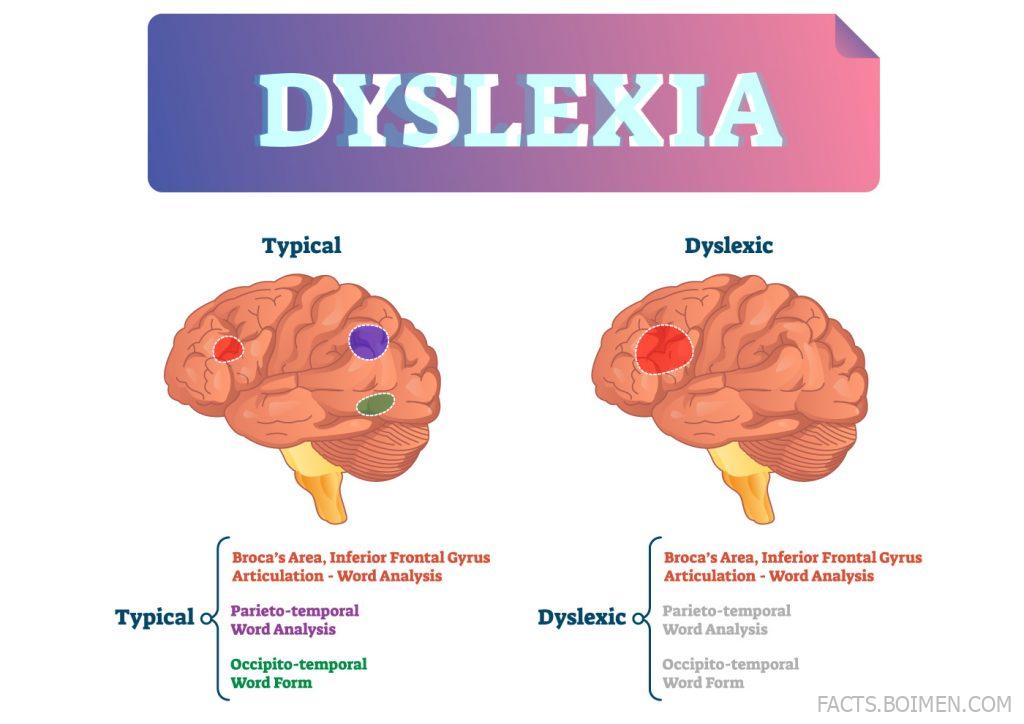
Dyslexia is not a vision problem and it is not a sign of low intelligence. It is a language-processing difference that makes decoding written words unusually effortful, even when the reader is bright, motivated, and well taught. That gap between effort and output is almost invisible from the outside, which is exactly why simulations matter.
A five-minute simulation cannot replicate a lifetime of reading fatigue, but it can do something almost as valuable: it can make a parent, partner, manager, or classmate pause and say, “I had no idea it felt like that.” Teachers use these tools in staff training. Employers use them to justify accessible fonts and formats. Friends use them because a pin, a post, or a single link finally explained something words alone could not. The sites below range from quick visual demos to full accessibility suites, and all of them are free to try in a browser.
19 Websites That Show What Dyslexia Reading Feels Like
1. Dyslexia Simulation : The small-taste demo that started it all
What it is: A lightweight, browser-based simulation site that lets visitors experience a short passage the way many dyslexic readers describe it: letters that seem to swap, blur, or jitter as the eye moves across the line.
Category: Empathy and awareness simulator
Why it stands out: There is no sign-up, no app, and no learning curve. You land on the page, read a paragraph, and immediately feel the friction. That instant, unfiltered reaction is why it spreads so fast on social media, and why it works so well as a conversation starter with someone who has never considered reading effort before.
Best for: Anyone who wants a 60-second, shareable demonstration to send to a friend, teacher, or family member.
2. Dyslexiaville : Animated characters who explain reading differences to kids
What it is: A family-friendly site built around short animated videos and characters that help children understand dyslexia without shame or jargon.
Category: Kids’ education and awareness
Why it stands out: Instead of simulating distortion for adults, Dyslexiaville flips the audience and speaks directly to children, normalizing the experience through story and humor. It is one of the few resources that treats a young dyslexic reader as the main character rather than the case study.
Best for: Parents and teachers introducing the topic to elementary-age kids.
3. OpenDyslexic : The free typeface designed to reduce letter confusion
What it is: An open-source font family with weighted letter bottoms and distinctive shapes, created to help readers keep letters anchored to the correct orientation.
Category: Accessibility typography
Why it stands out: It is completely free and works in browsers, e-readers, and documents. You can toggle it on a webpage and watch the same paragraph suddenly feel calmer. The font is not a cure and research on its measurable benefit is mixed, but for many readers it is a genuinely useful option worth testing.
Best for: Readers who want to experiment with a dyslexia-friendly font on their own device.
4. Dyslexic Type Simulator : Type your own sentence and watch it scramble
What it is: A simple text tool that takes whatever you paste in and re-renders it with letter swapping, rotation, and spacing effects.
Category: Interactive text simulator
Why it stands out: Because you supply the text, the demo becomes personal. Type a child’s name, a favorite quote, or the first line of a book, and the distortion lands differently than a generic sample paragraph ever could. It is a brilliant icebreaker for classroom discussions.
Best for: Teachers and workshop leaders who want a customizable, on-the-spot demo.
5. Understood.org : Plain-language guides on learning differences
What it is: A large nonprofit resource hub covering dyslexia, ADHD, and other learning differences, with articles, videos, and downloadable tools.
Category: Education and support library
Why it stands out: It answers the practical questions people actually ask, such as how to request classroom accommodations, what an evaluation involves, and how to talk to a child about a diagnosis. The writing is refreshingly free of clinical distance.
Best for: Parents navigating the early stages of understanding a reading difference.
6. WebAIM : Accessibility testing tools and honest guidance
What it is: A long-running accessibility project offering contrast checkers, screen reader guides, and articles on designing for cognitive and reading differences.
Category: Web accessibility resources
Why it stands out: Its contrast checker is one of the most widely used free tools on the web, and its articles explain why certain color combinations and layouts create reading barriers. If you build websites, this is where empathy turns into practice.
Best for: Designers, developers, and content creators who want to make reading easier for everyone.
7. Nessy : Structured literacy games with real teaching logic
What it is: A learning platform that combines short animated lessons with games to teach phonics and spelling in a structured sequence.
Category: Structured literacy learning
Why it stands out: Nessy leans on the Orton-Gillingham approach, a well-established structured literacy method, and packages it in a format children actually want to use. The free trial makes it easy to see whether the pacing suits a particular learner.
Best for: Families looking for at-home practice that follows proven reading instruction.
8. Made By Dyslexia : A global campaign reframing dyslexia as a strength
What it is: A charity-led movement offering free training for schools and workplaces, plus films featuring dyslexic creatives and entrepreneurs.
Category: Advocacy and training
Why it stands out: Its free online courses help teachers spot and support dyslexic thinking in the classroom, and its celebrity-led films shift the conversation from deficit to design advantage. The tone is upbeat without pretending the challenges are not real.
Best for: Educators and employers who want practical training plus a morale boost.
9. British Dyslexia Association : Reliable guidance and a dyslexia-friendly style guide
What it is: A national charity offering information, helplines, and one of the most cited style guides for producing dyslexia-friendly documents.
Category: Charity and standards
Why it stands out: The style guide is the hidden gem here. It specifies fonts, spacing, alignment, and color choices that reduce reading friction, and it is used by organizations well beyond the UK. Anyone who writes documents for the public should read it once.
Best for: Communicators, publishers, and anyone formatting text for a wide audience.
10. International Dyslexia Association : The research-backed definition and fact sheets
What it is: A global organization publishing fact sheets, research summaries, and a widely referenced definition of dyslexia.
Category: Research and reference
Why it stands out: When you need a citation rather than a vibe, this is the source. Its fact sheets are short enough to share in a group chat and rigorous enough to hand to a school administrator who wants evidence.
Best for: Advocates who need clear, authoritative talking points.
11. Yale Center for Dyslexia & Creativity : Where science meets the dyslexic advantage
What it is: A university research center exploring both the challenges of dyslexia and the strengths often found alongside it.
Category: Academic research and storytelling
Why it stands out: It pairs peer-reviewed research with first-person stories from accomplished dyslexic adults, which makes the science feel human. The site also tackles myths head-on, including the persistent and incorrect idea that dyslexia is about reversing letters.
Best for: Older students and adults who want the evidence and the encouragement together.
12. Dyslexia Reading Well : A calm, ad-light guide to symptoms and support
What it is: An independent informational site covering signs of dyslexia by age, teaching approaches, and practical home strategies.
Category: Independent information hub
Why it stands out: The layout is deliberately clean and readable, which matters when your audience is already fatigued by dense text. Its age-by-age symptom checklists are a gentle way to start a conversation without jumping straight to labels.
Best for: Readers who want a low-pressure first stop before talking to a specialist.
13. Crossbow Education : Colored overlays and reading rulers that change the page
What it is: A specialist supplier of tinted overlays, reading rulers, and visual stress aids used in classrooms worldwide.
Category: Reading aids and tools
Why it stands out: Some readers find that a colored strip over the page reduces glare and helps the eye track a single line. These are simple physical tools with no batteries and no subscriptions, and many schools keep a set on hand for students to try.
Best for: Readers who suspect visual stress is adding to their reading difficulty.
14. Google Chrome Reading Mode : Strip the clutter and read one clean column
What it is: A built-in browser reading mode that removes ads, sidebars, and navigation, leaving just the text in a customizable layout.
Category: Browser accessibility feature
Why it stands out: It is already installed on your device. You can adjust font size, spacing, and background color, which directly addresses the visual crowding that many dyslexic readers describe. No extension, no account, no cost.
Best for: Anyone who wants immediate, zero-install reading relief on the web.
15. Microsoft Immersive Reader : Line focus, read-aloud, and syllable splitting
What it is: A free reading tool built into Microsoft Edge, Word, and OneNote that offers read-aloud, line focus, spacing controls, and parts-of-speech highlighting.
Category: Built-in accessibility suite
Why it stands out: Line focus dims everything except a few lines at a time, which is one of the most requested features among struggling readers. Because it ships inside software millions of people already own, it quietly removes the stigma of using an accessibility aid.
Best for: Students and office workers who want powerful reading support without extra software.
16. BeeLine Reader : Color gradients that guide your eye down the page
What it is: A tool that applies a subtle color gradient across lines of text, using hue to help the eye track from the end of one line to the start of the next.
Category: Reading tracking aid
Why it stands out: The effect is unusual but easy to grasp in seconds, and it targets a specific problem: losing your place between lines. It works as a browser extension and on some e-reading platforms, making it easy to test on real articles rather than samples.
Best for: Readers who frequently skip or repeat lines while reading.
17. Speechify : Turn any page into audio at your own speed
What it is: A text-to-speech app that reads documents, web pages, and PDFs aloud in natural-sounding voices.
Category: Text-to-speech
Why it stands out: Listening removes decoding from the equation entirely, letting a reader focus on meaning. Adjustable playback speed means you can go faster than a typical audiobook narrator, which many dyslexic adults find essential for staying engaged. A free tier covers casual use.
Best for: Anyone who absorbs information more easily by ear than by eye.
18. Dyslexia Training Institute : Courses for parents, tutors, and teachers
What it is: An organization offering structured online courses and webinars about dyslexia, literacy instruction, and advocacy.
Category: Professional and parent training
Why it stands out: It treats parents as capable advocates rather than passive observers, with courses that explain how reading instruction actually works. Understanding the mechanics is often what turns a frustrated household into an effective support team.
Best for: Parents and tutors ready to move from awareness to action.
19. Yale Dyslexia FAQ : The myth-busting page worth bookmarking
What it is: A concise question-and-answer page addressing the most common misconceptions about dyslexia, from letter reversal to intelligence.
Category: Quick reference
Why it stands out: It is short, direct, and endlessly quotable. If you have ever had to correct someone who said dyslexia means seeing words backwards, this page gives you the accurate version in a sentence or two, backed by a research center rather than an opinion.
Best for: Anyone who needs fast, accurate answers to share with others.
Bonus Mentions
Texthelp Read&Write : A full toolbar for reading, writing, and proofing
What it is: An assistive toolbar with text-to-speech, word prediction, and screenshot reading for documents and websites.
Category: Assistive software suite
Why it stands out: It bundles many of the single-purpose tools above into one package, which is handy for schools that need consistent support across devices.
Best for: Institutions standardizing accessibility tools across a campus.
Bookshare : Accessible books for readers who need them
What it is: A nonprofit digital library offering titles in accessible formats such as audio, braille, and large print.
Category: Accessible library
Why it stands out: It gives readers who qualify a vast catalog in formats that remove the decoding barrier entirely.
Best for: Students and adults who read more comfortably in audio or braille.
Learning Ally : Human-narrated audiobooks for learners
What it is: An audiobook service with volunteer-read titles and tools designed for students with reading differences.
Category: Educational audiobooks
Why it stands out: Human narration often feels warmer than synthetic voices, and the catalog focuses on the textbooks and literature students actually need.
Best for: Families supporting a student through school reading lists.
Dyslexia Gold : Short daily practice for reading and spelling
What it is: An online program offering brief daily exercises targeting reading, spelling, and eye-tracking skills.
Category: Practice program
Why it stands out: Sessions are deliberately short, which makes consistency far more achievable for busy families.
Best for: Households that want a structured ten-minute daily routine.
LD OnLine : A deep archive on learning disabilities
What it is: A long-running information site with articles, expert answers, and resources on learning disabilities including dyslexia.
Category: Reference archive
Why it stands out: Decades of archived material make it a strong starting point for research projects and school reports.
Best for: Students and educators gathering background information.
The Internet’s Best-Kept Dyslexia Empathy Tools
The most powerful thing about these sites is how quickly they work. A single distorted paragraph can do more for understanding than a dozen well-meaning explanations, and the accessibility tools that follow it turn that flash of empathy into something practical: a cleaner font, a calmer page, a read-aloud option, a document formatted so more people can actually read it.
If you take one thing from this list, let it be the first item. Send it to someone who has never thought about reading effort before, then follow up with one of the accessibility tools so the conversation ends with a solution rather than just a feeling. Empathy plus a small practical change is how reading gets easier for the people around us.
Which of these did you try first, and did any of them change how you think about reading? Share your own favorite find in the comments.