
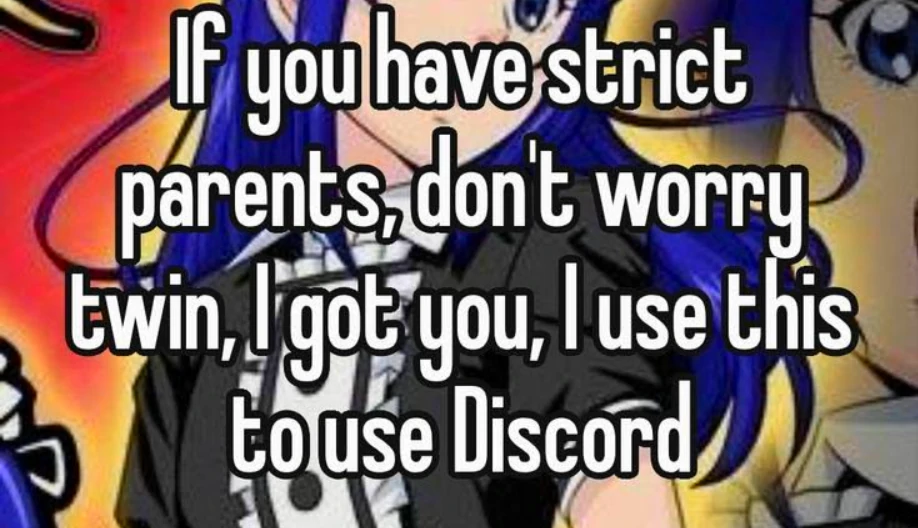
You’ve probably seen the joke: a teenager whispering into their phone, pretending it’s a call, because “Discord” would set off alarm bells with strict parents. It’s funny because it’s true — and it says a lot about why so many teenagers have quietly moved their social lives into private online communities their parents don’t fully understand.
That single meme touches a real shift in how teenagers connect, learn, and socialize today. Here’s what’s actually behind it — and what it means for parents, educators, and teens navigating it together.
Why This Meme Hits Home
Memes like this go viral because they compress a shared, awkward experience into one relatable image: a rule that feels outdated (no phone after dinner, no “internet friends”) running into a reality that’s already changed (kids talk to friends, teammates, and hobby groups through apps their parents have never opened).
It’s not really about deception. It’s about two generations using different definitions of “online safety” and “socializing” — and a meme is often the easiest way to point that out without starting a fight.
Quick question: Did you ever hide an app or a friendship from your parents growing up?
The Rise of Private Online Communities
A decade ago, most teen socializing happened through texting and large public platforms. Today, many teenagers prefer smaller, interest-based spaces — a Discord server for a game, a Reddit-style forum for a hobby, a group chat for a shared class project. These feel more personal than a public feed, and more under the teen’s own control.
What Makes Discord and Similar Platforms So Popular?
These platforms offer far more than messaging:
- Joining interest-based groups built around a specific hobby or game
- Voice chats that feel more like “hanging out” than texting
- Sharing photos, videos, and creative work with a receptive audience
- Collaborating on projects, from schoolwork to game servers
- Playing games together in real time
- Building friendships that can last well beyond a single platform
| Format | Best for | Parental visibility |
|---|---|---|
| Discord server | Ongoing interest groups, voice hangouts | Low — private by default |
| Group text | Close friend groups | Higher — visible on the phone itself |
| Public forum/Reddit | Broad topic discussion | Medium — public but pseudonymous |
 You might also likeWhy “Hold It Up to Your Ear Like a Call” Videos Go Viral
Myth vs. Fact: Teens and Online Communities
Balancing Freedom and Safety
None of this means online communities are risk-free. Parents reasonably worry about:
- Online privacy and personal information sharing
- Cyberbullying
- Scam attempts
- Inappropriate content
The goal isn’t to shut the door — it’s to help teens build the judgment to navigate it safely.
Quick Checklist: Is Your Teen’s Online Space Reasonably Safe?
1. What’s the #1 reason most teens say they join private online communities?
2. Which feature do teens report using most on Discord-style platforms?
3. What actually reduces online risk the most, according to safety researchers?
You scored 0/3
Understanding the “why” behind these platforms is the first step to guiding teens through them safely.
How Parents and Teens Can Work Together
Trust tends to work better than constant monitoring. A few approaches that help:
Set Clear Expectations
Discuss acceptable online behavior and safety practices together, rather than as a one-sided rule.
Encourage Open Conversations
Teens should feel comfortable bringing up something uncomfortable without fear of losing access entirely.
Learn Together
Parents who understand the platforms their teens use can give more relevant, credible guidance.
Respect Privacy Where It’s Earned
Balancing supervision and independence — rather than choosing one extreme — builds longer-term trust.
Frequently Asked Questions
Is the “strict parents” meme actually about Discord specifically?
Are these communities always about gaming?
Why do memes about strict parents become so popular?
Can these communities actually be good for teens?
What’s the single most important safety habit?
The Bottom Line
The meme is funny because it’s true: teenagers have moved a large part of their social lives into private spaces built around shared interests, not rebellion. Understanding why these communities matter — and where the real risks are — helps both teens and parents navigate the digital world with more trust and less friction.