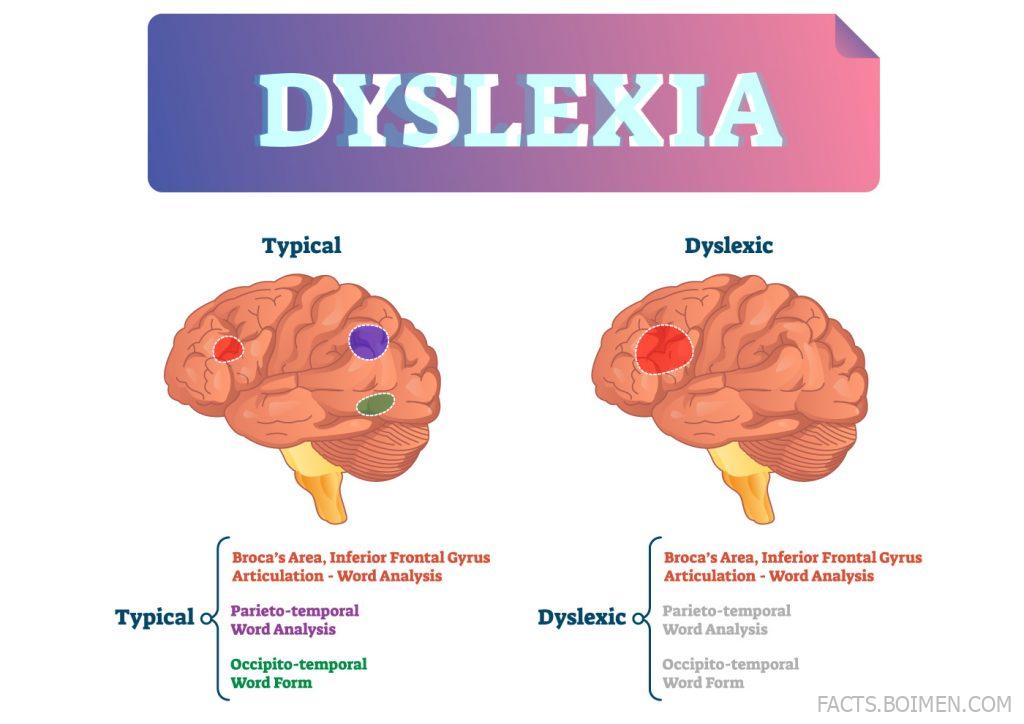

Have you ever wondered what it’s like to see text that seems to dance, blur, or flip? Dyslexia affects millions, but it’s often misunderstood. These 17 websites and tools offer interactive simulations, personal stories, and assistive technologies that let you step into the shoes of someone with dyslexia. Whether you’re an educator, a parent, or simply curious, these resources will change how you think about reading.
Table of Contents(Click to Toggle)
- Why You Should Experience Dyslexia
- 17 Websites That Simulate or Explain Dyslexia
- 1. Dyslexia Simulation
- 2. Understood.org
- 3. Nessy
- 4. Dyslexiaville
- 5. The Yale Center for Dyslexia & Creativity
- 6. Dyslexia Help at the University of Michigan
- 7. Made By Dyslexia
- 8. OpenDyslexic
- 9. Beeline Reader
- 10. Microsoft Immersive Reader
- 11. Dyslexia Gold
- 12. Learning Ally
- 13. Bookshare
- 14. Voice Dream Reader
- 15. Dyslexia Quest
- 16. TTRS (Touch, Type, Read and Spell)
- 17. Dyslexia Reading Well
- Bonus Mentions
- The Internet’s Best-Kept Secrets (So Far)
Why You Should Experience Dyslexia
Dyslexia is not about intelligence; it’s a different way the brain processes language. By experiencing simulations or using tools designed for dyslexic readers, you gain empathy and insight. This understanding can help you support dyslexic individuals in school, work, and daily life. Moreover, many of these tools are free and easy to try, offering a window into a neurodiverse world that often goes unnoticed.
17 Websites That Simulate or Explain Dyslexia
1. Dyslexia Simulation : Experience reading challenges firsthand
What it is: An online simulation that mimics the visual and cognitive distortions often reported by dyslexic readers.
Category: Interactive Simulation
Why it stands out: It presents text with jumbled letters, reversed words, and floating characters, giving a visceral sense of reading difficulty. The site also offers explanations and coping strategies.
Best for: Teachers, parents, and anyone seeking a quick empathy-building exercise.
2. Understood.org : Comprehensive resource for learning differences
What it is: A nonprofit offering articles, videos, and interactive tools about dyslexia and other learning disabilities.
Category: Educational Resource
Why it stands out: Their “Through Your Child’s Eyes” simulations let you experience reading, writing, and attention challenges. The site also provides practical advice for parents and educators.
Best for: Families and educators looking for reliable information and support.
3. Nessy : Fun, multisensory learning for dyslexic children
What it is: A suite of interactive games and lessons designed to teach reading and spelling to dyslexic learners.
Category: Learning Platform
Why it stands out: Nessy uses a structured literacy approach with engaging animations. It offers a free trial and resources for parents, including a dyslexia test.
Best for: Children aged 5-12 who need extra support in reading.
4. Dyslexiaville : Animated series that builds empathy
What it is: A collection of animated videos and songs featuring characters with dyslexia.
Category: Video Series
Why it stands out: The episodes highlight the strengths and struggles of dyslexic individuals in a kid-friendly way. It’s a great conversation starter for classrooms.
Best for: Young children and families to normalize dyslexia.
5. The Yale Center for Dyslexia & Creativity : Research-backed insights and stories
What it is: A leading research center providing articles, videos, and personal narratives about dyslexia.
Category: Research & Advocacy
Why it stands out: It showcases the creative strengths of dyslexic thinkers and offers evidence-based information. The site includes a section on simulation tools.
Best for: Researchers, educators, and anyone wanting a scientific perspective.
6. Dyslexia Help at the University of Michigan : Practical tools and success stories
What it is: A university-based resource with articles, apps, and advice for dyslexic individuals and their support networks.
Category: Educational Hub
Why it stands out: It offers a “Dyslexia Simulation” activity and reviews of assistive technologies. The success stories are inspiring.
Best for: Students and adults seeking strategies for daily life.
7. Made By Dyslexia : Celebrity-led campaign for awareness
What it is: A global charity founded by dyslexic entrepreneurs, with videos and training programs.
Category: Advocacy
Why it stands out: Their “Dyslexic Thinking” campaign features celebrities like Richard Branson and Keira Knightley. The site offers free online training for schools.
Best for: Anyone wanting to reframe dyslexia as a strength.
8. OpenDyslexic : A font that improves readability
What it is: A free typeface designed to increase readability for dyslexic readers by adding weight to the bottom of letters.
Category: Assistive Technology
Why it stands out: You can download the font and use it on websites or documents. It’s a simple yet effective tool to experience how typography affects reading.
Best for: Web designers and dyslexic readers who want to try a different font.
9. Beeline Reader : Color gradients guide your eyes
What it is: A tool that uses color gradients to guide the eye from the end of one line to the beginning of the next.
Category: Reading Aid
Why it stands out: It reduces line-skipping and improves reading speed for many dyslexic users. Available as a browser extension and for PDFs.
Best for: Students and professionals who read long texts on screens.
10. Microsoft Immersive Reader : Built-in reading support
What it is: A free tool integrated into Microsoft Edge, Word, and OneNote that reads text aloud, breaks words into syllables, and more.
Category: Assistive Technology
Why it stands out: It’s easily accessible and offers options like line focus and text spacing. It’s a great way to experience how text modifications can help.
Best for: Students and anyone using Microsoft products.
11. Dyslexia Gold : Targeted intervention programs
What it is: Online software that uses games and exercises to improve reading, spelling, and phonological awareness.
Category: Learning Software
Why it stands out: It focuses on the underlying causes of dyslexia, such as poor eye control and phonemic awareness. It offers a free trial.
Best for: Parents and schools looking for structured intervention.
12. Learning Ally : Audiobooks for dyslexic readers
What it is: A nonprofit providing a library of human-narrated audiobooks and textbooks for individuals with reading disabilities.
Category: Audiobook Service
Why it stands out: It offers over 80,000 titles, including textbooks, and a mobile app. It’s a lifeline for students who struggle with print.
Best for: Students from elementary through college.
13. Bookshare : Accessible books for people with print disabilities
What it is: An online library of over 1 million accessible ebooks, free for qualified U.S. students and others.
Category: Digital Library
Why it stands out: It offers formats like audio, braille, and large print. The membership includes free reading tools.
Best for: Dyslexic readers who need accessible texts for school or pleasure.
14. Voice Dream Reader : Text-to-speech with customization
What it is: A mobile app that reads aloud text from documents, web pages, and ebooks with high-quality voices.
Category: Assistive App
Why it stands out: It allows you to adjust reading speed, highlight words, and sync across devices. It’s a powerful tool for dyslexic users.
Best for: Adults and students who prefer auditory learning.
15. Dyslexia Quest : Games to build cognitive skills
What it is: A series of games designed to assess and improve memory, phonological awareness, and processing speed.
Category: Educational Games
Why it stands out: The games are engaging and provide feedback on areas of difficulty. They are based on research from the University of Oxford.
Best for: Children aged 7-16 who need to strengthen underlying skills.
16. TTRS (Touch, Type, Read and Spell) : Multisensory literacy program
What it is: An online program that teaches spelling and reading through touch typing.
Category: Learning Platform
Why it stands out: It combines phonics with typing, reinforcing word patterns. It’s effective for dyslexic learners and offers a free trial.
Best for: Students who struggle with handwriting and spelling.
17. Dyslexia Reading Well : A comprehensive guide to dyslexia
What it is: A website with articles, tips, and resources for understanding and managing dyslexia.
Category: Informational Website
Why it stands out: It covers everything from symptoms to teaching strategies. The site includes a simulation that shows how text can appear to a dyslexic reader.
Best for: Parents and teachers new to dyslexia.
Bonus Mentions
These additional tools and resources are worth exploring for a deeper understanding of dyslexia.
Lexercise : Online therapy and games for dyslexic children
What it is: A teletherapy platform that connects families with dyslexia therapists and provides online games.
Category: Therapy & Games
Why it stands out: It offers personalized instruction and a free dyslexia test. The games are engaging and target specific skills.
Best for: Families seeking professional help from home.
Ginger Software : Writing assistant for dyslexic users
What it is: A tool that checks grammar, spelling, and provides contextual synonyms.
Category: Writing Aid
Why it stands out: It helps dyslexic writers avoid common errors and improve clarity. The text-to-speech feature reads back sentences.
Best for: Students and professionals who write frequently.
Grammarly : AI-powered writing feedback
What it is: A popular writing assistant that checks grammar, spelling, and tone.
Category: Writing Aid
Why it stands out: It’s free and integrates with browsers. For dyslexic users, it can catch errors and suggest improvements.
Best for: Anyone who wants to write more confidently.
Audible : Vast audiobook library
What it is: Amazon’s audiobook service with thousands of titles.
Category: Audiobooks
Why it stands out: It’s a convenient way to enjoy books for dyslexic readers. Features like Whispersync let you switch between reading and listening.
Best for: Avid readers who prefer audio.
Speechify : Text-to-speech app with natural voices
What it is: An app that reads aloud any text, from documents to web pages.
Category: Assistive App
Why it stands out: It offers high-quality voices and adjustable speeds. It’s user-friendly and available on multiple platforms.
Best for: Dyslexic users who want to listen to written content.
The Internet’s Best-Kept Secrets (So Far)
These 17 websites and tools offer more than just information—they provide experiences that foster empathy and understanding. Whether you’re simulating dyslexia or using assistive tech, you’re taking a step toward a more inclusive world. Many of these resources are free or offer trials, so you can explore without commitment. Remember, dyslexia is not a barrier to success; it’s a different path to learning. Which of these tools surprised you the most? Share your own discoveries in the comments below!