Most people read without thinking about it. The letters line up, the words flow, and meaning arrives almost instantly. For readers with dyslexia, that same page can behave completely differently: letters seem to swap places, lines blur together, and decoding each word takes conscious effort. A handful of clever websites let anyone step into that experience for a few minutes — and in doing so, they build empathy faster than any explanation can. Here are 15 sites and tools that simulate, illustrate, or support the dyslexic reading experience, starting with the one that made the rounds for showing exactly what reading can feel like.
Table of Contents(Click to Toggle)
- Why These Dyslexia Reading Simulations Matter
- 15 Websites That Show What Reading Is Like With Dyslexia
- 1. Dyslexia Simulation (Understood.org)
- 2. Nessy
- 3. Dyslexia the Gift
- 4. OpenDyslexic
- 5. Beeline Reader
- 6. Microsoft Immersive Reader
- 7. Ghotit Real Writer
- 8. Learning Ally
- 9. Bookshare
- 10. Voice Dream Reader
- 11. Natural Reader
- 12. Dyslexia Advantage
- 13. Reading Rockets
- 14. Lexercise
- 15. The Yale Center for Dyslexia and Creativity
- Bonus Mentions
- The Internet’s Best-Kept Secrets (So Far)
Why These Dyslexia Reading Simulations Matter
Dyslexia affects roughly one in five people, yet it is one of the most misunderstood learning differences. Because it is invisible, well-meaning adults sometimes mistake it for laziness or a lack of intelligence. A reading simulation flips that script in under a minute: you suddenly feel the cognitive load of decoding a paragraph that looks simple to everyone else.
These websites do more than raise awareness. Many of them are also practical tools — fonts, text-to-speech readers, and structured literacy programs that genuinely help dyslexic readers access books, homework, and everyday text. Whether you are a parent, teacher, or simply curious, the sites below let you experience the challenge and then discover the solutions that actually work.
15 Websites That Show What Reading Is Like With Dyslexia
1. Understood.org : The classic dyslexia reading simulation
What it is: A nonprofit resource hub for learning and thinking differences, including a famous interactive dyslexia simulation.
Category: Simulation and awareness
Why it stands out:
- Its simulation scrambles and mirrors letters in real time so you feel the decoding struggle firsthand.
- Short guided tasks show how letter reversals and crowding slow reading speed.
- Pairs each demo with practical classroom and home strategies.
Best for: Anyone who wants a fast, visceral taste of what dyslexic reading feels like.
2. Nessy : Structured literacy games that make phonics click
What it is: A structured literacy program built around short, game-like lessons for struggling readers.
Category: Learning program
Why it stands out:
- Uses the Orton-Gillingham approach, a gold-standard method for dyslexia instruction.
- Animated characters and rewards keep younger learners engaged through repetition.
- Includes free teaching resources and printable worksheets alongside the paid program.
Best for: Parents and tutors supporting a child who needs systematic phonics practice.
3. Dyslexia the Gift : Reframing dyslexia as a strength
What it is: The long-running site from the Davis Dyslexia Association International.
Category: Information and community
Why it stands out:
- Explains the visual-spatial thinking style many dyslexic people share.
- Offers articles on why smart people can still struggle to read.
- Provides a directory of Davis facilitators for those wanting structured support.
Best for: Readers who want the empowering, strengths-based perspective.
4. OpenDyslexic : A free font designed to reduce letter confusion
What it is: An open-source typeface with weighted letter bottoms to help anchor each character.
Category: Accessibility font
Why it stands out:
- Heavier base strokes discourage letters from visually flipping.
- Free to download and use in browsers, e-readers, and apps.
- Widely adopted by schools and reading apps as a simple accessibility upgrade.
Best for: Anyone who wants to test whether a dyslexia-friendly font changes their reading comfort.
5. Beeline Reader : Color gradients that guide your eyes
What it is: A reading tool that adds a blue-to-orange color gradient across lines of text.
Category: Reading aid
Why it stands out:
- The gradient helps your eyes track from the end of one line to the start of the next.
- Works as a browser extension, PDF tool, and within some library systems.
- Popular with dyslexic readers and people with visual stress alike.
Best for: Readers who lose their place or skip lines while reading on screens.
6. Microsoft Immersive Reader : Built-in reading support for everyday documents
What it is: A free set of reading tools embedded in Word, Edge, and OneNote.
Category: Accessibility tool
Why it stands out:
- Reads text aloud while highlighting each word as it is spoken.
- Lets you adjust line spacing, column width, and background color.
- Includes a picture dictionary and part-of-speech highlighting.
Best for: Students who need on-the-fly support without installing anything extra.
7. Ghotit Real Writer : Spelling and grammar help for dyslexic writers
What it is: Assistive writing software with a dyslexia-aware spell checker.
Category: Writing assistance
Why it stands out:
- Interprets phonetic and bizarre spelling errors that standard checkers miss.
- Offers word prediction and reading aloud for proofreading.
- Available as a browser extension and desktop tool.
Best for: Dyslexic adults and students who write frequently and want cleaner drafts.
8. Learning Ally : Human-narrated audiobooks for school
What it is: A nonprofit audiobook library built for readers with print disabilities.
Category: Audiobook library
Why it stands out:
- Over 80,000 human-narrated titles, including many textbooks.
- Voice-to-text sync highlights words as they are read.
- Offers parent and educator support communities.
Best for: Students who need to keep up with grade-level reading through audio.
9. Bookshare : An accessible online library at no cost for eligible readers
What it is: A massive accessible-format library for people with reading barriers.
Category: Accessible library
Why it stands out:
- Over a million titles in audio, braille, and large-print formats.
- Free for qualifying U.S. students and many others through funding.
- Works with popular reading apps and devices.
Best for: Readers who need books in a format that matches how they read best.
10. Voice Dream Reader : A customizable text-to-speech reader
What it is: A mobile app that reads almost any document aloud with fine-tuned controls.
Category: Text-to-speech app
Why it stands out:
- Lets you change voice, speed, and visual highlighting to match your needs.
- Imports PDFs, web articles, and ebooks in one place.
- Includes dyslexia-friendly fonts and color themes.
Best for: Readers who want a single app to listen to everything.
11. Natural Reader : Free text-to-speech in your browser
What it is: A web and desktop tool that converts text to natural-sounding speech.
Category: Text-to-speech tool
Why it stands out:
- Free tier covers everyday web reading and document uploads.
- Chrome extension reads pages aloud with one click.
- Supports MP3 export for listening offline.
Best for: Anyone who wants a quick, no-install way to hear text read aloud.
12. Dyslexia Advantage : A magazine-style hub for families
What it is: An online publication covering dyslexia research, stories, and advice.
Category: Information and community
Why it stands out:
- Features interviews with dyslexic entrepreneurs, artists, and scientists.
- Breaks down new research into plain-language summaries.
- Offers practical tips for parents navigating school systems.
Best for: Families who want encouragement plus practical guidance.
13. Reading Rockets : Evidence-based reading strategies for all ages
What it is: A public media project focused on how children learn to read.
Category: Educational resource
Why it stands out:
- Explains dyslexia signs by age, from preschool through high school.
- Offers free classroom strategies and printable guides.
- Includes author interviews and booklists for reluctant readers.
Best for: Teachers and parents who want trustworthy, research-backed information.
14. Lexercise : Online dyslexia therapy and screening
What it is: A teletherapy platform offering structured literacy instruction and screening.
Category: Therapy and assessment
Why it stands out:
- Provides a free online dyslexia screening quiz for parents.
- Connects families with certified dyslexia therapists via video.
- Uses game-based practice to reinforce lessons between sessions.
Best for: Families seeking professional evaluation and remote therapy options.
15. The Yale Center for Dyslexia and Creativity : Science-backed insight from a leading research center
What it is: Yale’s dedicated center for dyslexia research, advocacy, and resources.
Category: Research and advocacy
Why it stands out:
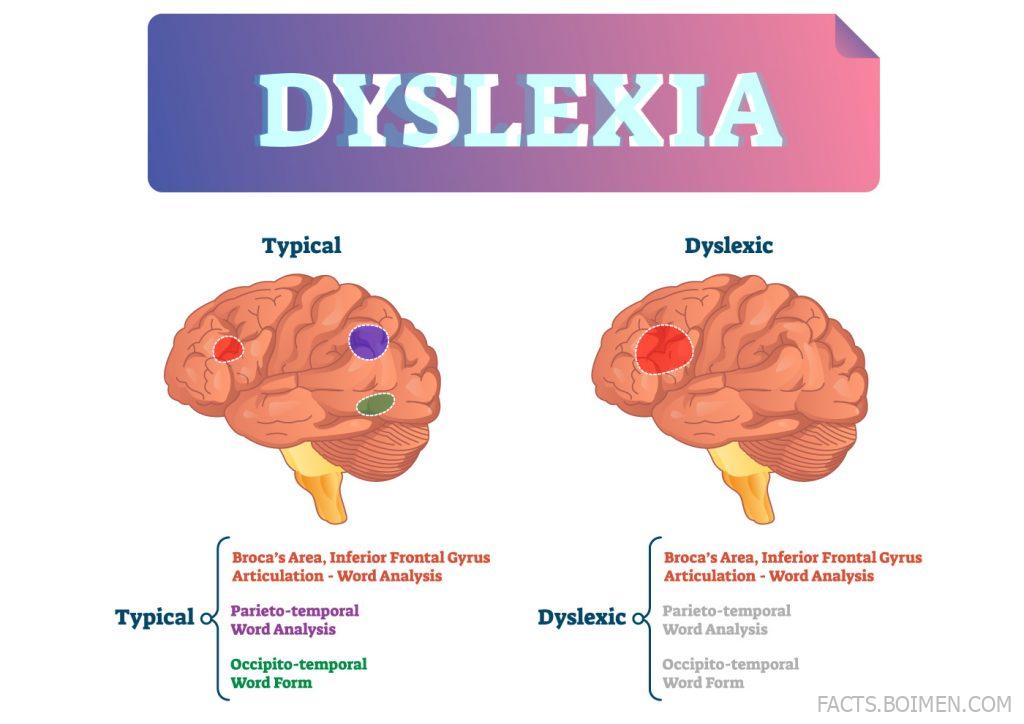
- Shares findings from decades of brain-imaging research on dyslexia.
- Highlights the creativity and strengths seen in many dyslexic thinkers.
- Offers guidance for parents, educators, and adults seeking answers.
Best for: Readers who want authoritative context behind the simulations.
Bonus Mentions
Dyslexic Advantage : Community and research on dyslexic strengths
A nonprofit that publishes articles and webinars on the cognitive strengths common in dyslexic thinkers, with a supportive community for families and adults.
LD OnLine : A deep archive of learning-disability articles
One of the oldest and most comprehensive libraries of articles on learning disabilities, including dyslexia, written for parents and teachers.
Understood Assistive Tech Guide : A roundup of reading tools
A focused guide that catalogs assistive technology options for reading, from text-to-speech to audiobook services, with plain-language explanations.
Texthelp Read&Write : A toolbar for reading and writing support
A widely used literacy toolbar that reads text aloud, checks words, and supports comprehension across websites and documents — popular in schools.
Learning Ally Educator Hub : Classroom resources for struggling readers
A dedicated section for teachers with downloadable tools, webinars, and strategies for supporting dyslexic students in mainstream classrooms.
The Internet’s Best-Kept Secrets (So Far)
What makes these sites worth bookmarking is how quickly they turn an abstract concept into something you can feel. A one-minute simulation on Understood.org can do more for empathy than a dozen articles, while tools like Beeline Reader, OpenDyslexic, and Immersive Reader quietly remove daily friction for millions of readers. Together they cover the full arc: understanding the challenge, experiencing it, and finding real solutions.
If you only try one thing, start with the simulation and then test a dyslexia-friendly font on your own screen. The difference is often subtle but genuinely noticeable. These are the kinds of low-profile resources that deserve far more attention than they get.
Which of these did you find most eye-opening — and have you come across any hidden-gem reading tools we should add to the list? Share your finds in the comments.