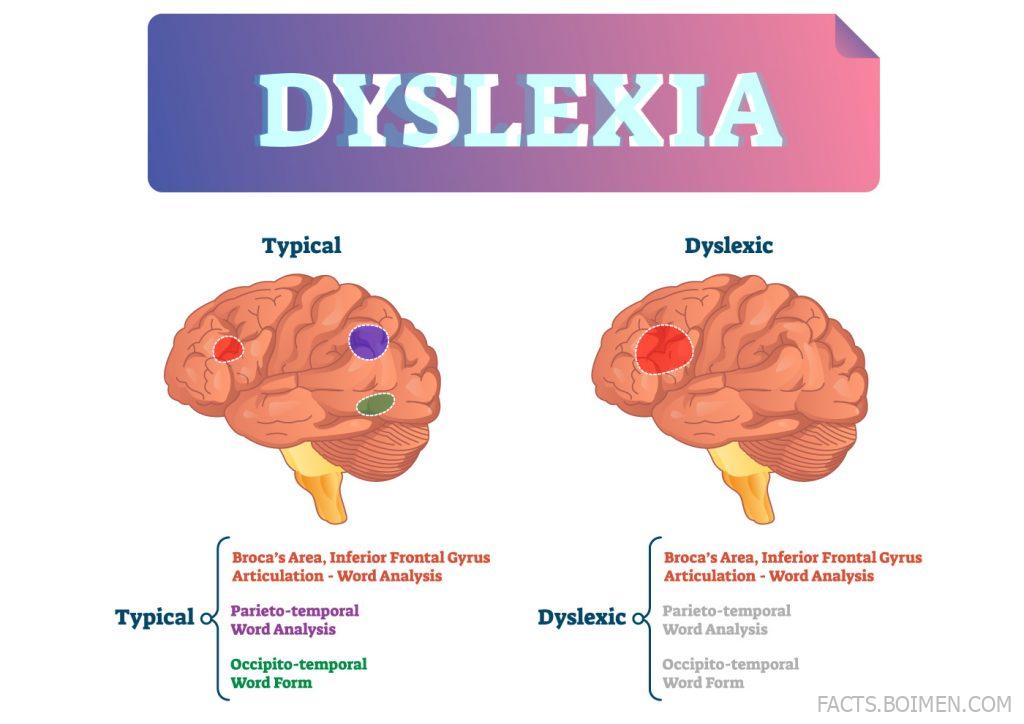
Dyslexia affects how you process written words, but it doesn’t limit your curiosity. The internet is full of tools designed to make reading, writing, and organizing easier—yet many of them stay under the radar. This list uncovers 16 hidden gems that cater to dyslexic thinkers, from text-to-speech readers to mind-mapping apps, plus a few bonus finds. Whether you’re a student, a professional, or just someone looking for a better way to navigate the web, these sites are worth exploring.
Table of Contents(Click to Toggle)
Why Explore Hidden-Gem Websites for Dyslexia?
Mainstream tools often miss the mark for dyslexic readers. They focus on grammar or spell-check but ignore the visual stress and cognitive load that come with decoding text. Hidden-gem websites fill that gap—they offer specialized fonts, color overlays, text-to-speech, and mind-mapping features that turn reading from a chore into a breeze. By exploring these lesser-known resources, you can find tools that actually adapt to your brain, not the other way around. Plus, many are free or low-cost, making them accessible to everyone.
The 16 Hidden Gems
1. BeeLine Reader : Color-Gradient Reading That Boosts Focus
What it is: A browser extension and app that applies a color gradient to text, guiding your eyes from the end of one line to the beginning of the next.
Category: Reading aid
Why it stands out: The gradient reduces visual stress and helps you track lines more easily, which is especially helpful for dyslexic readers who often lose their place. It works on any website, PDF, or e-book, and you can customize the color scheme to suit your preferences.
Best for: Anyone who struggles with line tracking and wants a simple, non-intrusive fix that works across all digital reading.
2. NaturalReader : High-Quality Text-to-Speech for Any Document
What it is: A text-to-speech platform that converts written text into natural-sounding audio.
Category: Text-to-speech
Why it stands out: It offers over 200 voices in multiple languages, including human-like neural voices. You can upload PDFs, Word docs, and even web pages, and listen to them on any device. The free version is generous, and the paid tiers add features like OCR and mobile apps.
Best for: Auditory learners who want to listen to articles, textbooks, or emails instead of reading them.
3. Ghotit : Advanced Writing Assistant for Dyslexics
What it is: A spell-checker and writing assistant designed specifically for people with dyslexia and dysgraphia.
Category: Writing aid
Why it stands out: Unlike standard spell-checkers, Ghotit uses context-aware algorithms to correct severe spelling errors and offers word prediction, homophone checking, and a dictionary that explains meanings in simple language. It integrates with word processors and browsers.
Best for: Dyslexic writers who need more than basic spell-check and want to produce error-free text independently.
4. Dyslexia Assist : Customizable Reading Overlays for Screen and Paper
What it is: A website that provides colored overlays and tinted screen filters to reduce visual stress.
Category: Visual aid
Why it stands out: You can try different overlay colors online and purchase physical overlays for printed material. The site also offers a downloadable screen tint tool that works on any device. It’s simple, effective, and backed by research on visual stress.
Best for: People who experience letters moving or blending and find colored overlays helpful.
5. OpenDyslexic : A Free Font Designed to Reduce Letter Confusion
What it is: A free, open-source font created specifically for dyslexic readers, with weighted bottoms to prevent letter flipping.
Category: Font
Why it stands out: It’s free to download and use on any device, and you can install it in your browser or word processor. Many users report improved reading speed and fewer errors. The website also offers a Chrome extension that forces the font on all websites.
Best for: Anyone who wants to try a dyslexia-friendly font without spending money.
6. Read&Write : All-in-One Literacy Support Toolbar
What it is: A toolbar that integrates with browsers and Office apps, offering text-to-speech, word prediction, picture dictionaries, and more.
Category: Literacy suite
Why it stands out: It provides a comprehensive set of tools in one place, including a screen mask to reduce visual stress and a translator. It’s widely used in schools and workplaces, but many individuals don’t know about the free personal version.
Best for: Students and professionals who need a variety of reading and writing supports in one tool.
7. Speechify : AI Text-to-Speech with Human-Like Voices
What it is: A text-to-speech app that uses AI to read any text aloud, including photos of printed pages.
Category: Text-to-speech
Why it stands out: It offers celebrity voices like Snoop Dogg and Gwyneth Paltrow, which makes listening fun and engaging. You can scan physical books with your phone’s camera, and the app syncs across devices. The free tier includes basic voices.
Best for: People who want a modern, engaging text-to-speech experience that works on the go.
8. MindMeister : Visual Mind Mapping to Organize Thoughts
What it is: An online mind-mapping tool that lets you brainstorm and organize ideas visually.
Category: Visual thinking
Why it stands out: Mind maps are a proven strategy for dyslexic thinkers because they bypass linear text and tap into visual-spatial strengths. MindMeister offers real-time collaboration, attachments, and presentation mode, making it ideal for projects and studying.
Best for: Visual thinkers who want to plan essays, projects, or study notes without getting bogged down in linear outlines.
9. Grammarly : Beyond Spell-Check: Contextual Writing Feedback
What it is: A writing assistant that checks grammar, spelling, punctuation, and style in real time.
Category: Writing aid
Why it stands out: While not dyslexia-specific, Grammarly’s clarity suggestions and tone detection help dyslexic writers craft clearer sentences. It integrates with almost every platform, and the free version is robust. The premium version offers advanced rewrites and vocabulary enhancements.
Best for: Anyone who wants to improve their writing with immediate, actionable feedback.
10. Voice Dream Reader : Powerful Text-to-Speech for E-books and Documents
What it is: A mobile app that reads documents, e-books, and web articles aloud with customizable voices and playback speed.
Category: Text-to-speech
Why it stands out: It supports dozens of file formats, including DAISY (for accessible books), and offers highlighting as it reads. You can adjust the font, line spacing, and background color to reduce visual stress. It’s a one-time purchase, not a subscription.
Best for: Avid readers who want a comprehensive, customizable text-to-speech experience on iOS or Android.
11. Learning Ally : Audiobooks for Dyslexic Students
What it is: A non-profit that provides a vast library of human-read audiobooks, primarily for students with learning differences.
Category: Audiobooks
Why it stands out: It offers textbooks, literature, and popular titles narrated by real people, which many find more engaging than robotic TTS. Membership includes access to the app and teacher resources. It’s especially useful for students who need to keep up with required reading.
Best for: Students with a documented learning disability who need access to curriculum-based audiobooks.
12. Bookshare : Free E-books for People with Print Disabilities
What it is: An online library of accessible e-books for individuals with visual impairments, physical disabilities, or learning disabilities like dyslexia.
Category: E-book library
Why it stands out: It offers over a million titles in accessible formats, including audio, braille, and large print. Membership is free for U.S. students with qualifying disabilities. You can read on multiple devices with specialized apps.
Best for: Readers who need accessible formats and want free access to a huge library.
13. Dyslexia Gold : Targeted Reading and Spelling Programs
What it is: A subscription-based program that addresses the root causes of dyslexia, such as visual processing and phonemic awareness.
Category: Educational program
Why it stands out: It includes engaging games that train eye tracking and phonological skills, with progress tracking for parents and teachers. The program is based on research and has shown significant improvements in reading age.
Best for: Parents and educators looking for a structured, evidence-based intervention that kids actually enjoy.
14. C-Pen Reader : Portable Scanner Pen That Reads Text Aloud
What it is: A handheld device that scans printed text and reads it aloud with a natural voice.
Category: Assistive technology
Why it stands out: It’s completely offline, making it perfect for exams or environments where phones aren’t allowed. It also has a dictionary and can record audio. The pen is lightweight and easy to use, and it supports multiple languages.
Best for: Students and professionals who need to read printed materials without relying on a computer or phone.
15. Read Aloud : Simple Browser Extension for Reading Web Pages
What it is: A free browser extension that reads web pages aloud with just one click.
Category: Text-to-speech
Why it stands out: It’s lightweight, works on Chrome, Firefox, and Edge, and offers a variety of voices, including natural-sounding neural voices. You can adjust speed and pitch, and it highlights the text as it reads. No sign-up required.
Best for: Quick and easy text-to-speech for everyday web browsing.
16. Microsoft Immersive Reader : Built-In Accessibility in Microsoft Tools
What it is: A free tool integrated into Word, OneNote, Outlook, and Edge that supports reading and writing.
Category: Built-in accessibility
Why it stands out: It includes text-to-speech, adjustable font size and spacing, line focus, and a picture dictionary. It can also translate text in real time. Since it’s built into Microsoft products, many users don’t realize it’s there.
Best for: Anyone using Microsoft Office or Edge who wants immediate reading support without installing extra software.
Bonus Mentions
Dyslexie Font : A Commercial Font Designed for Dyslexia
What it is: A font created by a dyslexic designer to reduce letter confusion.
Why it stands out: It’s available for purchase, but the website offers a free trial and a Chrome extension. Many users report improved reading comfort.
Letterform Archive : A Visual Feast for Type Lovers
What it is: An online archive of typography and design.
Why it stands out: It’s a great resource for understanding how fonts affect readability, and it’s visually inspiring.
Understood : A Resource Hub for Learning Differences
What it is: A comprehensive site with articles, videos, and tools for parents and individuals with learning and attention issues.
Why it stands out: It offers practical advice and a supportive community, making it a great complement to the tools above.
Dyslexic Advantage : Celebrating Dyslexic Strengths
What it is: A non-profit that focuses on the positive aspects of dyslexia.
Why it stands out: It provides resources and community support, helping you see dyslexia as a different way of thinking, not a deficit.
ZoomText : Magnification and Reading Tools for Low Vision
What it is: Software that magnifies the screen and provides reading tools.
Why it stands out: While designed for low vision, its features like pointer and caret enhancements can also help dyslexic readers who benefit from larger text.
The Internet’s Best-Kept Secrets (So Far)
These 16 hidden gems prove that the web has plenty to offer when you know where to look. From color gradients to AI voices, each tool addresses a specific challenge that dyslexic readers face daily. The best part? Many are free or offer generous trial versions, so you can experiment without risk. Start with one that speaks to your biggest struggle—whether it’s line tracking, writing, or staying focused—and you’ll likely find a new favorite. Have you discovered a tool that changed the way you read or write? Share it in the comments below—we’d love to hear about your finds!