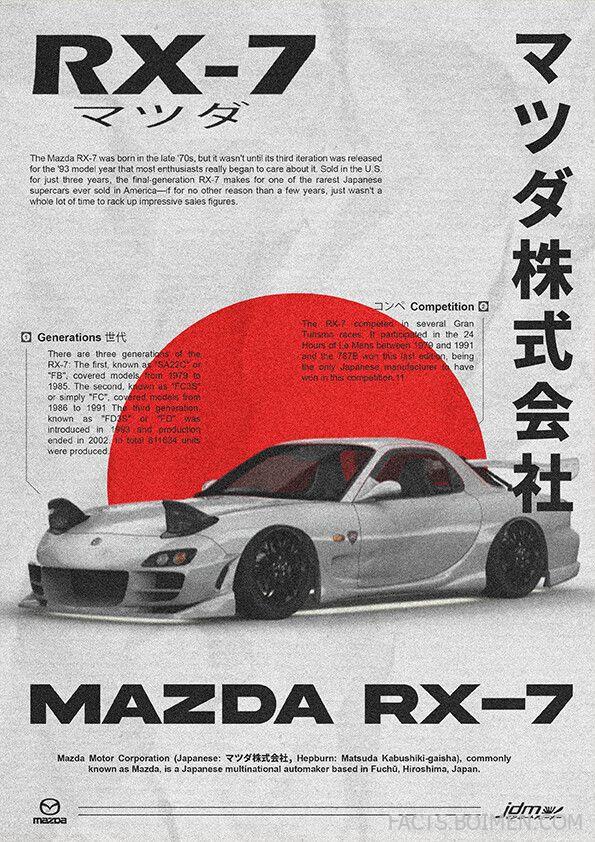
JDM posters are having a quiet moment. What started as garage-wall decoration for Japanese car enthusiasts has turned into a full design subculture, with independent artists, print shops, and archive-style stores quietly publishing work that never shows up in mainstream design roundups. The pin that led you here? A dense grid of JDM poster art, the kind of image that makes you stop scrolling and think, “where do I actually buy these?” That is exactly what this list answers. Below are 19 genuinely low-exposure sources for JDM posters, Japanese car culture prints, and the design tools that make the scene work, plus a few bonus mentions worth bookmarking before everyone else catches on.
Table of Contents(Click to Toggle)
- Why JDM Poster Culture Is Suddenly Everywhere
- 1. JDM Posters on Google Images
- 2. Alex Lorente
- 3. Etsy JDM Print Shops
- 4. Redbubble
- 5. Society6
- 6. Displate
- 7. Fujimi Model Kits
- 8. Aoshima Bunka Kyozai
- 9. Hasegawa
- 10. Speedhunters
- 11. MotorTrend Archive
- 12. Behance
- 13. Dribbble
- 14. Pinterest Boards for JDM Art
- 15. Unsplash
- 16. Adobe Express
- 17. Canva
- 18. Figma Community
- 19. Kinkos-Style Local Print Shops
- Bonus Mentions
- The Internet’s Best-Kept Car Design Secrets (So Far)
Why JDM Poster Culture Is Suddenly Everywhere
Japanese Domestic Market car culture has always had a visual language of its own: boxy silhouettes, dense typography, retro colorways pulled straight from 1990s tuning magazines. What changed recently is access. Independent artists can now publish a poster in an afternoon, print it through a print-on-demand service, and reach a global audience without a gallery, a distributor, or a single physical store. Meanwhile, the original source material, old magazine scans, model kit box art, and archive photography, is more discoverable than ever. That combination is why JDM poster art feels like it is everywhere at once, even though most of the best sources still operate below the radar. This list collects the ones actually worth your time.
1. JDM Posters on Google Images : The fastest starting point for visual research
What it is: The image search layer of Google, used deliberately as a JDM poster discovery tool rather than a casual browse.
Category: Search and discovery
Why it stands out:
- Searching “JDM poster” surfaces hundreds of artist uploads, Pinterest boards, and shop listings in one grid, exactly like the collage that brought you here.
- The “Tools” filter lets you isolate large images, which is essential if you want a print-quality reference rather than a thumbnail.
- Reverse image search works on any poster you like, often tracing it back to the original artist or store.
Best for: Anyone building a mood board or hunting for a specific poster they saw once and cannot name.
2. Alex Lorente : Poster artist work worth following directly
What it is: The portfolio presence of Alex Lorente, the designer named in the pin that inspired this article, whose JDM poster work circulates widely across Pinterest and design platforms.
Category: Independent artist
Why it stands out:
- The work leans into dense, layered compositions rather than the single-car hero shot, which is why it reads well as a poster at large sizes.
- Following an artist directly beats buying from a reseller, since you see new drops first and often at better prices.
- Portfolio platforms like Behance let you message the artist about prints, commissions, or high-resolution files.
Best for: Collectors who want originals and are willing to reach out to the artist directly.
3. Etsy JDM Print Shops : Small-batch prints from independent sellers
What it is: A marketplace where hundreds of small print studios sell JDM, drift, and Japanese car culture posters, often in limited runs.
Category: Marketplace
Why it stands out:
- Most sellers offer multiple size options, from A4 desk prints to large format, so you can match a specific wall.
- You can filter by shop location, which matters if you want faster shipping or a locally printed piece.
- Reviews and buyer photos show the actual paper quality, which is the single biggest variable in poster buying.
Best for: Buyers who want a specific size, paper stock, and a real human on the other end of the order.
4. Redbubble : Artist-uploaded prints with zero inventory risk
What it is: A print-on-demand platform where independent illustrators upload JDM and car culture designs that are printed only when ordered.
Category: Print on demand
Why it stands out:
- The catalog is enormous, and searching “JDM” or “kei car” surfaces designs you will not find on Etsy.
- Because nothing is pre-printed, obscure designs stay available for years instead of selling out.
- Stickers, phone cases, and apparel use the same artwork, useful if you want a matching set.
Best for: People who want a niche design that no physical store would ever stock.
5. Society6 : Design-forward prints with consistent framing options
What it is: A curated print-on-demand marketplace with a stronger design-editorial feel than most competitors.
Category: Print on demand
Why it stands out:
- Framed and canvas options are built into the listing, so you do not have to solve framing separately.
- The car and automotive category skews more graphic and minimal than the typical JDM shop, which suits modern interiors.
- Frequent site-wide discounts make larger prints more affordable than they first appear.
Best for: Buyers who want a poster that looks intentional in a living space, not just a garage.
6. Displate : Metal posters that skip the frame entirely
What it is: A platform selling artwork printed on metal panels, mounted with a magnetic system instead of nails or frames.
Category: Specialty print format
Why it stands out:
- The metal finish gives car photography and graphic poster art a depth that paper cannot replicate.
- Magnetic mounting means no drilling and no frame cost, and you can rearrange a wall in seconds.
- The automotive collection includes licensed and independent JDM-inspired designs in multiple sizes.
Best for: Renters or anyone who wants a premium look without framing hassle.
7. Fujimi Model Kits : Box art that doubles as poster inspiration
What it is: A long-running Japanese model kit manufacturer whose packaging art is a reference library of JDM illustration style.
Category: Archive and reference
Why it stands out:
- Vintage kit box art uses the same dense, high-energy composition style that modern JDM posters imitate.
- Scanning or photographing box art gives you free, high-quality reference material for your own designs.
- Kits themselves are collectible, so the box art has resale value beyond decoration.
Best for: Designers studying the visual grammar of Japanese car illustration.
8. Aoshima Bunka Kyozai : Another deep well of Japanese car illustration
What it is: A Japanese model manufacturer specializing in tuned, drift, and custom car kits with distinctive packaging design.
Category: Archive and reference
Why it stands out:
- The catalog covers niche builds that mainstream poster art ignores, from bosozoku styles to kei trucks.
- Their box layouts often include typography treatments you can adapt into poster layouts.
- Product pages double as a visual index of real cars, useful for accurate reference when drawing.
Best for: Artists who want authentic subject matter rather than generic sports car imagery.
9. Hasegawa : Historic kit art with serious collector appeal
What it is: One of Japan’s oldest model kit makers, with decades of automotive packaging art in circulation.
Category: Archive and reference
Why it stands out:
- Older releases are actively traded by collectors, so high-resolution scans circulate in enthusiast forums.
- The illustration style shifts decade by decade, making it a compact history of Japanese car design trends.
- Their official site lists current releases, which helps you date and identify older artwork.
Best for: Anyone researching how JDM visual style evolved over time.
10. Speedhunters : Photography that looks like it was made for posters
What it is: A long-running automotive culture publication known for high-quality event and build photography.
Category: Photography and editorial
Why it stands out:
- Their archive spans more than a decade of Japanese car culture, including events most outlets never covered.
- Images are shot with editorial intent, so composition and lighting already suit large-format printing.
- Articles provide context, which turns a random car photo into a story you can actually caption.
Best for: People who want photographic posters rather than illustrated ones.
11. MotorTrend Archive : Decades of magazine imagery and typography
What it is: The online home of a major automotive magazine with a deep back catalog of features and photography.
Category: Archive and editorial
Why it stands out:
- Older magazine layouts are a masterclass in headline typography that poster designers still borrow from.
- Feature stories give you specific cars, years, and specs to keep a design factually grounded.
- Their coverage of Japanese imports across the 1990s is a useful timeline for themed series.
Best for: Designers building a historically accurate poster series.
12. Behance : Where poster designers publish full case studies
What it is: Adobe’s portfolio platform, where designers post complete projects including process shots and mockups.
Category: Portfolio and inspiration
Why it stands out:
- Searching “JDM poster” or “automotive poster” returns full projects, not just single images.
- Many designers explain their type choices and color palettes, which is genuinely educational.
- It is the easiest place to contact an artist about licensing or a custom commission.
Best for: Designers who want to learn the craft, not just collect images.
13. Dribbble : Fast visual scanning for poster trends
What it is: A design community built around short visual posts, ideal for spotting style shifts early.
Category: Portfolio and inspiration
Why it stands out:
- The grid format makes it easy to compare dozens of poster styles in under a minute.
- Tags and color filters help you narrow to a specific palette or mood.
- Designers often post work-in-progress, so you see trends before they hit marketplaces.
Best for: Quick trend research when you already know roughly what you want.
14. Pinterest Boards for JDM Art : The original rabbit hole, used properly
What it is: The platform where most JDM poster discovery actually happens, and a legitimate research tool when used with intent.
Category: Discovery and curation
Why it stands out:
- Searching a specific car model plus “poster” returns results no general search engine surfaces.
- Following a handful of dedicated boards keeps your feed full of new work without effort.
- Visual search on a cropped section of a poster often finds the original source image.
Best for: Building a personal reference board before you buy or design anything.
15. Unsplash : Free high-resolution car photography you can legally use
What it is: A stock photography library with a permissive license covering most images on the platform.
Category: Free assets
Why it stands out:
- The automotive category includes genuine Japanese car photography, not just generic stock sedans.
- Images are high enough resolution to print at poster size without visible pixelation.
- The license allows commercial use, which matters if you plan to sell what you make.
Best for: Anyone designing a poster who needs a clean, legally safe base image.
16. Adobe Express : Browser-based poster layout without the learning curve
What it is: Adobe’s simplified design tool, aimed at people who want a finished poster without mastering professional software.
Category: Design tool
Why it stands out:
- Poster templates are sized correctly from the start, so nothing gets cut off at print time.
- Type tools handle the dense, layered text look that defines JDM poster style.
- It runs entirely in a browser, so a basic laptop is enough.
Best for: Beginners making their first poster who still want a polished result.
17. Canva : The fastest route from idea to printable file
What it is: A template-driven design platform with a large library of print-ready poster formats.
Category: Design tool
Why it stands out:
- Custom dimensions let you match any standard poster size exactly.
- Built-in print ordering means you can go from blank canvas to delivered print in one session.
- Free tier covers most personal poster projects without a subscription.
Best for: Quick personal projects where speed matters more than fine typographic control.
18. Figma Community : Free design files you can remix
What it is: A shared library of design files, plugins, and templates published by the Figma community.
Category: Design tool and assets
Why it stands out:
- Searching for poster or print templates returns editable files, not flattened images.
- You can duplicate a file and modify every layer, which teaches layout by doing.
- Plugins handle tasks like image upscaling and color palette extraction.
Best for: Designers who want full control and are comfortable learning a real tool.
19. Local Print Shops
What it is: Independent print and copy shops that handle small-format poster printing, often with same-day turnaround.
Category: Printing
Why it stands out:
- You can see and feel paper stock before committing, which online ordering never allows.
- Single-print runs are usually cheap, making them ideal for testing a design.
- Staff can advise on color profiles so your file prints the way it looks on screen.
Best for: Testing a poster design before ordering a larger batch online.
Bonus Mentions
ArtStation : Portfolio platform strong on automotive illustration
A hub for professional illustrators, with a searchable automotive category that surfaces concept and poster-style car art you will not find on general marketplaces.
DeviantArt : Long-tail archive of fan-made car art
Older and messier than modern platforms, but its archive of car illustration going back two decades is unmatched for reference hunting.
Pexels : Another free stock source with permissive licensing
A useful backup to Unsplash, with a smaller but still solid automotive collection and the same commercial-use freedom.
GIMP : Free desktop editing for print preparation
If you need to resize, sharpen, or convert color profiles before printing, this open-source editor covers everything a poster file requires.
The Internet’s Best-Kept Car Design Secrets (So Far)
What makes JDM poster culture worth paying attention to is not nostalgia. It is that the entire pipeline, from reference material to finished print, is now accessible to anyone with a browser and a spare afternoon. You can study decades of Japanese car illustration through model kit archives, source legally usable photography, build a layout in a free tool, and have it printed locally the same week. The sources above are the ones that consistently deliver real value rather than recycled stock imagery, and most of them remain genuinely underused. Start with one artist you like, follow the thread back to their process, and you will end up with a wall that looks nothing like a generic print store catalog. Which of these did you already know about, and what did I miss?