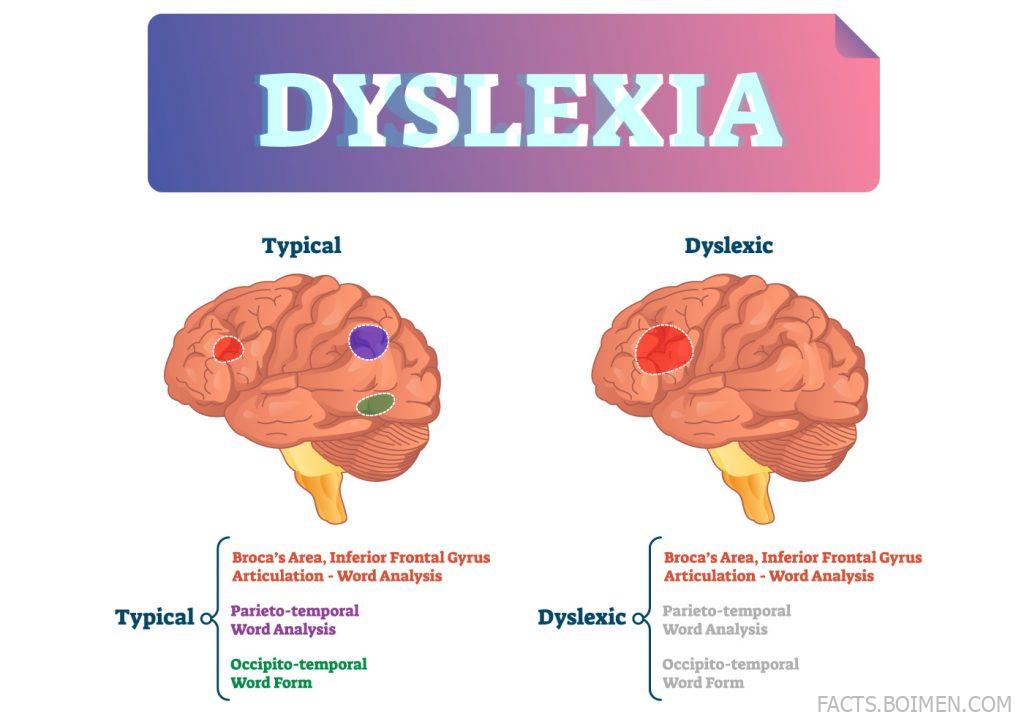

Curious whether the way you read, spell, or process words might point to dyslexia? The internet is full of quick self-check quizzes, screening tools, and reading games that can give you a first hint — often in under ten minutes. These are not diagnoses, and they never replace a qualified professional, but they are a genuinely useful starting point for curiosity and self-awareness. Below are 16 low-exposure tools worth trying, each one free or free-to-start, plus a few bonus finds at the end.
Table of Contents(Click to Toggle)
- Why Online Dyslexia Screening Tools Are Worth Exploring
- 16 Free Dyslexia Test and Screening Tools
- 1. Dyslexia Screener by Nessy
- 2. Dyslexia Test by Learning Ally
- 3. Dyslexia Quiz by Understood
- 4. Dyslexia Self-Assessment by the International Dyslexia Association
- 5. Dyslexia Screening by Lexercise
- 6. Online Dyslexia Test by Davis Dyslexia Association International
- 7. Phonological Awareness Screener by Reading Rockets
- 8. Dyslexia Check by the Yale Center for Dyslexia & Creativity
- 9. Reading Assessment by Lexia
- 10. Dyslexia Screener by the British Dyslexia Association
- 11. Dyslexia Simulation by understood.org
- 12. Reading and Spelling Check by Dyslexia Action
- 13. Dyslexia Test by Learning Success
- 14. Dyslexia Screening by the Dyslexia Foundation
- 15. Reading Difficulty Check by the National Center for Learning Disabilities
- 16. Dyslexia Test by the Dyslexia Reading Well
- Bonus Mentions
- The Internet’s Best-Kept Screening Secrets (So Far)
Why Online Dyslexia Screening Tools Are Worth Exploring
Dyslexia affects roughly one in ten people, yet many adults go decades without ever considering that their reading struggles, slow spelling, or word-finding hiccups have a name. A quick online screener is not a diagnosis — it is a low-stakes way to notice patterns and decide whether a real conversation with a specialist is worthwhile. These tools are especially handy for parents who want a gentle first signal before booking an assessment, and for curious adults who simply want to understand how their own brain handles language. Treat every result as a conversation starter, not a verdict.
16 Free Dyslexia Test and Screening Tools
1. Dyslexia Screener by Nessy : A quick, friendly first check for kids and adults
What it is: A short online questionnaire from an education company that builds reading programs for dyslexic learners.
Category: Self-assessment quiz
Why it stands out:
- Takes only a few minutes and asks practical questions about reading, spelling, and memory.
- Gives an instant result with a clear recommendation on whether to seek further testing.
- Designed to be reassuring rather than alarming, which makes it easy to share with a child.
Best for: Parents who want a gentle, no-pressure first signal before talking to a school.
2. Dyslexia Test by Learning Ally : A screener tied to a real reading-support community
What it is: An online screening quiz from a nonprofit that provides audiobooks and reading support for struggling readers.
Category: Nonprofit screening tool
Why it stands out:
- Connects screening results to real resources like human-narrated audiobooks and reading accommodations.
- Questions cover reading fluency, spelling, and comprehension rather than just one skill.
- Useful follow-up path if the quiz suggests further investigation.
Best for: Families who want a screener plus a next step, not just a score.
3. Dyslexia Quiz by Understood : Plain-language guidance from a learning-differences nonprofit
What it is: A collection of quizzes and checklists from a well-known nonprofit focused on learning and thinking differences.
Category: Educational quiz and resource hub
Why it stands out:
- Explains each result in plain language, so you actually understand what the score means.
- Offers separate pathways for kids and adults, which many screeners skip.
- Links to articles on next steps, from school accommodations to professional evaluation.
Best for: Anyone who wants context and education alongside a quick quiz.
4. Dyslexia Self-Assessment by the International Dyslexia Association : A checklist grounded in established criteria
What it is: A self-assessment checklist from a long-running professional dyslexia organization.
Category: Professional-organization checklist
Why it stands out:
- Built around recognized characteristics of dyslexia rather than casual quiz questions.
- Includes a provider directory so you can find a qualified assessor near you.
- Free to use and clearly states the limits of self-assessment.
Best for: Adults who want a credible checklist and a clear route to a real evaluation.
5. Dyslexia Screening by Lexercise : An online screener with a structured follow-up
What it is: A free online dyslexia screener from a company that offers structured literacy therapy.
Category: Online screening questionnaire
Why it stands out:
- Asks targeted questions about reading, writing, and family history in a short session.
- Produces a risk indicator and explains what each answer contributed.
- Offers a clear path to professional testing if results suggest it.
Best for: Parents comparing screeners who want a structured, explainable result.
6. Online Dyslexia Test by Davis Dyslexia Association International : A visual, perception-focused check
What it is: An online test that focuses on visual and perceptual traits often linked to dyslexia.
Category: Perception-based self-test
Why it stands out:
- Asks about how letters and words appear on the page, a less common angle than reading quizzes.
- Explains the difference between a screening and a full assessment in plain terms.
- Connects to a broader set of articles on the dyslexic thinking style.
Best for: Curious readers who notice visual quirks when reading text.
7. Phonological Awareness Screener by Reading Rockets : A skill-based check rooted in reading science
What it is: A set of free screening activities that measure how well you hear and manipulate sounds in words.
Category: Skill-based screener
Why it stands out:
- Targets phonological awareness, one of the strongest early predictors of reading difficulty.
- Activities are printable and simple enough to try at home with a child.
- Backed by a respected literacy nonprofit with clear instructions.
Best for: Parents of young children who want a skill-level check rather than a quiz.
8. Dyslexia Check by the Yale Center for Dyslexia & Creativity : Research-backed signs and self-checks
What it is: A university center’s resource page with checklists and explanations of dyslexia signs.
Category: Academic resource hub
Why it stands out:
- Draws on university research to explain what dyslexia is and is not.
- Offers separate sign lists for children, teens, and adults.
- Highlights the strengths often linked with dyslexic thinking.
Best for: Readers who want an authoritative, science-first overview before testing.
9. Reading Assessment by Lexia : A placement-style reading check
What it is: A reading assessment tool from a literacy software company, often used in schools.
Category: Reading assessment platform
Why it stands out:
- Measures word recognition and comprehension rather than self-reported habits.
- Gives a clearer picture of reading level than a simple yes-or-no quiz.
- Used widely in classrooms, so results translate to school conversations.
Best for: Parents who want a more structured reading-level check.
10. Dyslexia Screener by the British Dyslexia Association : A trusted UK charity’s self-check
What it is: Screening resources and checklists from a long-established UK dyslexia charity.
Category: Charity screening resource
Why it stands out:
- Offers separate checklists for children, students, and adults in the workplace.
- Explains the difference between screening and a formal diagnostic assessment.
- Points to local assessment services if you want to go further.
Best for: UK-based readers who want a credible starting point.
11. Dyslexia Simulation by Understood : Experience what reading can feel like
What it is: An interactive simulation that mimics some reading challenges dyslexic readers face.
Category: Experiential simulation
Why it stands out:
- Lets you feel the frustration of decoding text under pressure, which builds empathy fast.
- Great conversation starter for families and classrooms.
- Pairs well with a screener: experience first, then check your own patterns.
Best for: Anyone who wants to understand dyslexia from the inside out.
12. Reading and Spelling Check by Dyslexia Action : A practical literacy self-check
What it is: Screening and literacy resources from a UK organization focused on dyslexia support.
Category: Literacy support resource
Why it stands out:
- Focuses on real reading and spelling tasks rather than abstract questions.
- Offers guidance on what to do if results suggest a difficulty.
- Free information pages explain terms like phonemic awareness without jargon.
Best for: Adults who want a task-based check of their spelling and reading.
13. Dyslexia Test by Learning Success : A quick quiz with a learning-strengths angle
What it is: An online quiz that looks at reading habits and learning preferences together.
Category: Learning-style quiz
Why it stands out:
- Asks about how you learn best, not just where you struggle.
- Short enough to finish in a single sitting.
- Frames results around strengths as well as challenges.
Best for: Curious learners who want a positive, strengths-based angle.
14. Dyslexia Screening by the Dyslexia Foundation : Community resources and awareness tools
What it is: A nonprofit’s resource hub with screening information and awareness material.
Category: Nonprofit resource hub
Why it stands out:
- Explains common signs in clear, non-technical language.
- Connects readers to community programs and awareness campaigns.
- Good starting point if you are new to the topic entirely.
Best for: Readers who want a broad overview before diving into a specific test.
15. Reading Difficulty Check by the National Center for Learning Disabilities : Signs, checklists, and next steps
What it is: A learning-disabilities nonprofit offering checklists and guidance on reading difficulties.
Category: Nonprofit checklist resource
Why it stands out:
- Checklists cover reading, writing, and attention, helping you spot patterns across skills.
- Explains how to request an evaluation through a school system.
- Free, well-organized, and written for parents and adults alike.
Best for: Parents navigating school-based support options.
16. Dyslexia Test by the Dyslexia Reading Well : A free, straightforward self-test
What it is: An independent site offering a free online dyslexia self-test and background reading.
Category: Independent self-test
Why it stands out:
- Simple questionnaire format that is easy to complete on a phone.
- Includes context pages explaining what the results do and do not mean.
- No account required, which keeps the whole check low-commitment.
Best for: A quick, no-signup first look before trying more structured tools.
Bonus Mentions
ADDitude Magazine : Symptom checklists that often overlap with reading struggles
A resource hub with checklists covering attention and learning differences, useful when reading difficulty overlaps with focus issues.
CHADD : Learning and attention support resources
A nonprofit offering screening information and community support for related learning challenges.
Reading Rockets : Free literacy articles and activities
A deep library of reading-science explainers and at-home activities for families.
Bookshare : Accessible reading for people with print disabilities
An accessible ebook library that supports readers who struggle with standard print.
The Internet’s Best-Kept Screening Secrets (So Far)
None of these tools will hand you a diagnosis, and that is exactly the point. What they can do is turn a vague hunch into a concrete next step: a checklist you can bring to a school meeting, a result worth discussing with a specialist, or simply a better understanding of how your own reading works. Start with one or two, compare what they tell you, and treat any strong signal as a reason to talk to a qualified professional rather than a final answer. Have you found a screening tool or reading resource that surprised you? Share it in the comments — the best discoveries usually come from other curious readers.