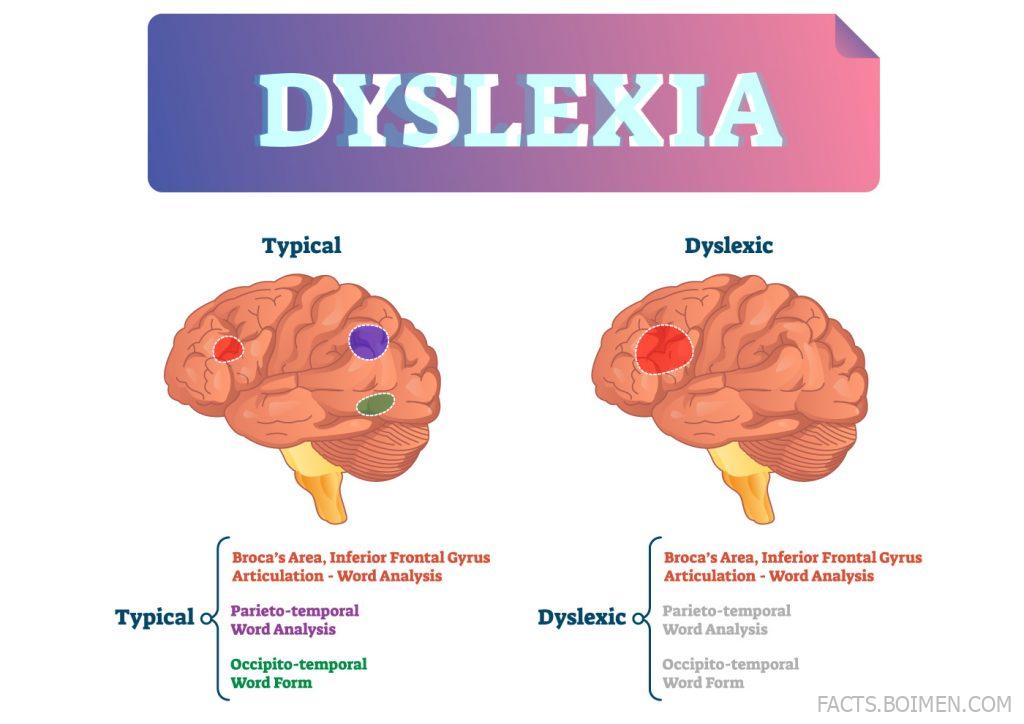

You clicked because a pin asked a blunt question: are you dyslexic? Maybe you have always read slowly, mixed up b and d, or lost your place mid-sentence and quietly blamed yourself. The internet now offers dozens of free screening quizzes, reading-speed checks, and symptom lists that can help you put a name to a pattern. Below are 20 real, working dyslexia screening options, starting with the one that inspired this page. Treat every result as a conversation starter, not a diagnosis.
Table of Contents(Click to Toggle)
- Why Online Dyslexia Screening Is Worth 15 Minutes
- 20 Dyslexia Tests and Screening Tools
- 1. Testometrika Dyslexia Test
- 2. International Dyslexia Association Self-Assessment
- 3. Dyslexiaida.org Fact Sheets
- 4. Yale Center for Dyslexia Screening Resources
- 5. Lexercise Free Dyslexia Screener
- 6. Nessy Dyslexia Quest App
- 7. Dyslexia Screening Test by Learning Ally
- 8. Reading Rockets Target the Problem Tool
- 9. Understood.org Dyslexia Checklist
- 10. Davis Dyslexia Association Online Test
- 11. Dyslexia.com Online Assessment
- 12. ADDitude Dyslexia Symptom Quiz
- 13. Psychology Today Dyslexia Test
- 14. BrainHQ Reading Skills Exercises
- 15. Cogmed Working Memory Check
- 16. DyslexiaHelp at University of Michigan
- 17. Made By Dyslexia Quiz
- 18. British Dyslexia Association Adult Checklist
- 19. Dyslexia Reading Well Screener
- 20. Lexia PowerUp Screener
- Bonus Mentions
- What to Do After Your Screening Result
Why Online Dyslexia Screening Is Worth 15 Minutes
Dyslexia affects roughly one in ten people, yet many adults never get screened because they assume reading difficulty is a personal failing rather than a recognized neurological pattern. A free online quiz cannot diagnose you, but it can do something almost as valuable: it can show you that your struggles have a name and a well-documented shape. That single realization often pushes people to seek a proper evaluation, request workplace accommodations, or finally understand why timed reading tests always felt impossible. The tools below range from quick 10-question quizzes to research-backed screeners used by schools. None of them replace a licensed psychologist or educational therapist, and none should be treated as a medical verdict. Use them as a first step, then talk to a parent, teacher, or clinician about what you find.
20 Dyslexia Tests and Screening Tools
1. Testometrika Dyslexia Test : The quick quiz that started this list
What it is: A free, browser-based questionnaire that asks about reading habits, letter confusion, and spelling patterns, then returns a percentage-style result.
Category: Quick self-assessment quiz
Why it stands out:
- No sign-up, no email, no download, works on a phone
- Finishes in about five minutes, which makes it easy to share with a friend
- Results are phrased as tendencies, not a diagnosis, which keeps expectations realistic
Best for: Curious first-timers who want a fast, low-pressure starting point before investing in a longer screener.
2. International Dyslexia Association Self-Assessment : A nonprofit-backed checklist
What it is: The IDA, a long-running dyslexia nonprofit, publishes symptom checklists for children and adults on its site.
Category: Nonprofit educational resource
Why it stands out:
- Written by researchers and educators rather than quiz-site generalists
- Separate lists for different age groups, so a parent and an adult get relevant questions
- Links onward to local evaluation referrals instead of stopping at a score
Best for: Readers who want an authoritative checklist they can print and bring to a doctor or school meeting.
3. Dyslexiaida.org Fact Sheets : Plain-language explainers
What it is: A library of downloadable fact sheets covering everything from early warning signs to classroom accommodations.
Category: Reference library
Why it stands out:
- Each sheet is short enough to read in one sitting and written for non-specialists
- Covers topics quizzes ignore, like dyslexia plus ADHD or dyslexia in multilingual learners
- Free to download and share with teachers
Best for: Anyone who scored high on a quiz and now wants context before panicking or celebrating.
4. Yale Center for Dyslexia Screening Resources : Research-grade guidance
What it is: Yale’s dyslexia center hosts articles, screening guidance, and research summaries on its public site.
Category: University research center
Why it stands out:
- Explains the difference between screening, assessment, and diagnosis in clear terms
- Highlights the strengths often bundled with dyslexia, including big-picture thinking
- Points to evidence-based reading interventions rather than vague advice
Best for: Skeptics who want to see the science behind the checklists before acting on a result.
5. Lexercise Free Dyslexia Screener : A structured online test
What it is: Lexercise offers a free online screener built around questions about reading, spelling, and family history.
Category: Commercial screener with free tier
Why it stands out:
- Asks about family history, which is one of the strongest known predictors
- Produces a risk rating rather than a vague personality-style score
- Naturally leads into therapy options if you want professional help next
Best for: Parents screening a child and wanting a structured, slightly more clinical feel.
6. Nessy Dyslexia Quest App : Screening disguised as a game
What it is: Nessy makes a tablet and browser game that measures memory, phonological awareness, and processing speed through playful tasks.
Category: Game-based screening
Why it stands out:
- Children rarely notice they are being screened, which reduces test anxiety
- Measures actual cognitive tasks instead of relying only on self-report
- Pairs with Nessy’s reading programs if follow-up practice is needed
Best for: Kids aged roughly 5 to 11 who shut down during formal paper tests.
7. Dyslexia Screening Test by Learning Ally : Audiobook nonprofit with tools
What it is: Learning Ally, known for human-narrated audiobooks, publishes screening and symptom resources for families.
Category: Nonprofit with screening resources
Why it stands out:
- Connects screening results directly to accessible reading formats
- Focuses on keeping struggling readers engaged with grade-level content
- Strong community of parents sharing practical classroom tips
Best for: Students who need both an answer and an immediate reading workaround.
8. Reading Rockets Target the Problem Tool : Pinpoint the exact reading issue
What it is: An interactive tool that walks through reading behaviors and suggests which skill area may be weak.
Category: Diagnostic-style interactive guide
Why it stands out:
- Separates decoding trouble from comprehension trouble, which many quizzes blur together
- Gives targeted activity suggestions instead of a single score
- Backed by public-media educational funding
Best for: People who know reading is hard but cannot say exactly where it breaks down.
9. Understood.org Dyslexia Checklist : Friendly symptom walkthrough
What it is: Understood offers age-banded checklists and articles about dyslexia signs at home and school.
Category: Parent-focused resource hub
Why it stands out:
- Organized by age, from preschool through adulthood
- Includes real parent stories, which makes the material feel less clinical
- Free webinars and printable checklists for teacher meetings
Best for: Parents comparing their child’s behavior against typical developmental milestones.
10. Davis Dyslexia Association Online Test : The classic 15-question check
What it is: The Davis organization’s long-running self-test asks about mental imagery, reading, and coordination habits.
Category: Established self-test
Why it stands out:
- One of the oldest dyslexia self-tests online, cited in forums for decades
- Focuses on thinking style, not just reading errors
- Explains the reasoning behind each question so you learn as you go
Best for: Adults who suspect dyslexia and want a reflective, non-timed questionnaire.
11. Dyslexia.com Online Assessment : Deep-dive orientation pages
What it is: The same Davis site hosts orientation-style assessments and explanations of the Davis method.
Category: Method-specific assessment
Why it stands out:
- Explains how visual-spatial thinkers may read differently, not just worse
- Offers a structured path if you want to try the Davis correction program
- Available in multiple languages for international readers
Best for: Readers curious about non-phonics approaches to dyslexia support.
12. ADDitude Dyslexia Symptom Quiz : When attention overlaps
What it is: ADDitude publishes symptom quizzes and articles about dyslexia, ADHD, and how the two intersect.
Category: Symptom quiz with comorbidity focus
Why it stands out:
- Addresses the common dyslexia-plus-ADHD overlap that single-topic quizzes miss
- Written in accessible magazine style with expert quotes
- Helps you decide which professional to see first
Best for: People who struggle with both reading and sustained focus.
13. Psychology Today Dyslexia Test : Magazine-style screening
What it is: Psychology Today hosts self-tests on learning differences alongside therapist directories.
Category: Editorial self-test
Why it stands out:
- Clean interface that works well on mobile
- Results link to nearby therapists if you want a real evaluation
- Editorially reviewed content with a recognizable editorial standard
Best for: Readers who want a quiz and a next-step directory in one place.
14. BrainHQ Reading Skills Exercises : Train the underlying skills
What it is: BrainHQ offers cognitive exercises targeting attention, memory, and processing speed, with reading-related drills.
Category: Cognitive training platform
Why it stands out:
- Measures progress numerically over weeks, not just once
- Exercises are short and adapt to your performance level
- Free tier available before committing to a subscription
Best for: People who want to act on a screening result with daily practice.
15. Cogmed Working Memory Check : Memory-focused screening
What it is: Cogmed provides working-memory assessments and training, often used alongside dyslexia evaluations.
Category: Working-memory assessment
Why it stands out:
- Working memory is a frequent weak spot in dyslexic profiles
- Results are explained in plain language for parents
- Used by schools and clinics, so results translate to formal settings
Best for: Families whose evaluation team recommended a memory-focused check.
16. DyslexiaHelp at University of Michigan : University-grade toolkit
What it is: A university site offering checklists, myths-versus-facts pages, and intervention guidance.
Category: Academic resource
Why it stands out:
- Debunks common myths that make people delay screening
- Offers separate tracks for parents, teachers, and adults
- Free and ad-light compared with commercial quiz sites
Best for: Self-directed learners who prefer reading over clicking through a quiz.
17. Made By Dyslexia Quiz : Strengths-first screening
What it is: A charity-led quiz and campaign focused on dyslexic thinking as a workplace and life advantage.
Category: Advocacy-based quiz
Why it stands out:
- Frames results around strengths like creativity and problem solving
- Short, visual, and shareable with coworkers or classmates
- Backed by high-profile supporters who are openly dyslexic
Best for: Anyone who needs encouragement before seeking a formal evaluation.
18. British Dyslexia Association Adult Checklist : Grown-up focused
What it is: The BDA publishes adult checklists and guidance for workplace and university accommodations.
Category: Adult-focused nonprofit checklist
Why it stands out:
- Written specifically for adults, not adapted from child forms
- Covers workplace adjustments and assistive technology options
- Offers a helpline for questions after you finish the checklist
Best for: Adults who suspect dyslexia and want practical next steps at work.
19. Dyslexia Reading Well Screener : Plain-English symptom guide
What it is: An independent site with symptom lists, screening pointers, and teaching tips.
Category: Independent informational site
Why it stands out:
- Very readable for people who find dense clinical pages exhausting
- Includes practical classroom and home activity ideas
- No login wall between you and the checklist
Best for: Readers who want straightforward explanations without academic jargon.
20. Lexia PowerUp Screener : School-style adaptive check
What it is: Lexia’s literacy platform includes adaptive placement and screening used in many schools.
Category: Educational software screener
Why it stands out:
- Adapts question difficulty based on your answers, like a real assessment
- Used in classrooms, so results align with school intervention tiers
- Progress data can be shared with teachers over time
Best for: Students already using Lexia at school or parents comparing school data.
Bonus Mentions
LD Online : Broad learning-difference library
What it is: A long-running site covering dyslexia, dyscalculia, and related learning differences.
Category: Reference hub
Why it stands out:
- Deep archive of articles for parents and teachers
- Free question-and-answer columns with experts
Best for: Readers who want one bookmark covering many learning topics.
Reading Rockets : Literacy-first companion site
What it is: A public-media literacy project with articles, videos, and parent tips.
Category: Literacy education site
Why it stands out:
- Short videos explain reading science visually
- Book lists organized by age and skill level
Best for: Parents building a home reading routine after screening.
Dyslexic Advantage : Strengths-based community
What it is: A nonprofit celebrating the cognitive strengths common in dyslexic thinkers.
Category: Community and advocacy
Why it stands out:
- Focuses on career and creative strengths, not deficits
- Articles written by dyslexic adults for dyslexic readers
Best for: Anyone who needs a confidence boost after a difficult screening result.
Bookshare : Accessible reading library
What it is: A free accessible ebook library for people with reading barriers, including dyslexia.
Category: Accessibility service
Why it stands out:
- Text-to-speech and customizable fonts built in
- Free for qualifying students in many countries
Best for: Readers who want to keep reading comfortably while awaiting evaluation.
Project Gutenberg : Free classics to practice with
What it is: A huge library of free public-domain ebooks in multiple formats.
Category: Free ebook library
Why it stands out:
- Downloadable in formats that work with text-to-speech tools
- No account required, so practice reading stays low-pressure
Best for: Building reading stamina with free, adjustable-format books.
What to Do After Your Screening Result
A high score on any of these tools is not a diagnosis, and a low score does not rule dyslexia out, especially if reading still feels exhausting. The pin that brought you here said it best: don’t take the test too seriously, and go ask your parents about family history or speak with a professional. Screens are mirrors, not verdicts. If a result resonates, write down the specific symptoms that felt familiar, note any family members who struggled similarly, and bring that list to a teacher, counselor, or licensed evaluator. If you are an adult, look into workplace accommodations and assistive technology, which can change your daily reading experience quickly. If you are a parent, ask your child’s school about its screening process and response-to-intervention supports. The goal is not a label. It is understanding how your brain reads so you can stop fighting it and start working with it.
Which screening tool on this list gave you the most useful result, and what did you do next? Share your experience in the comments so other readers can learn from it.