
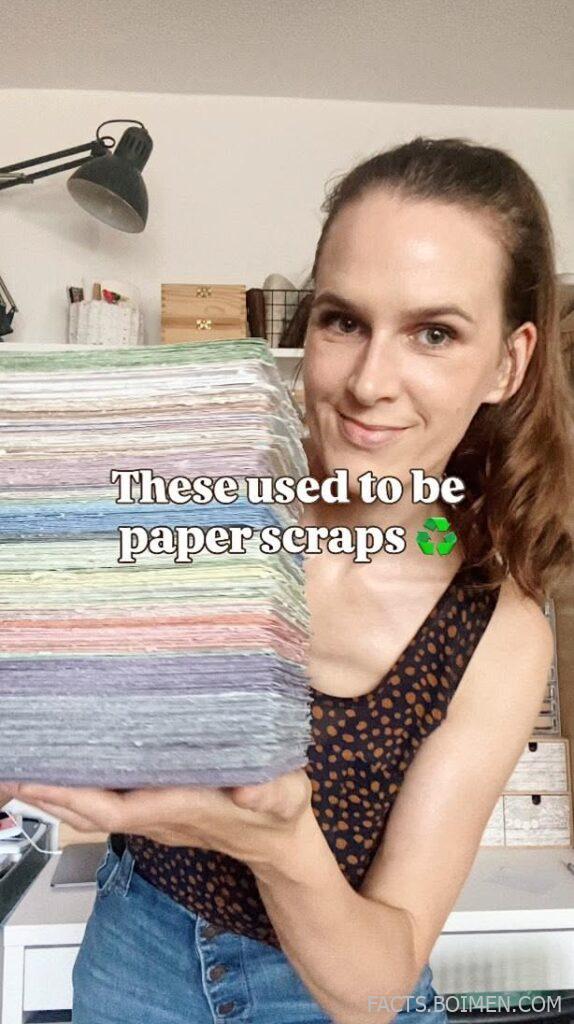
Every crafter knows the drawer: a tangle of paper scraps too small to file, too pretty to bin. Instead of tossing those offcuts, a growing community of makers is blending, pressing, and drying them into brand-new sheets of handmade paper — each one speckled, textured, and completely unrepeatable. The idea is simple: tear, soak, blend, and pull. The results look like something you’d buy at an art fair. Below are 17 resources, tools, and tutorials that make recycling your paper scraps feel less like a chore and more like a creative ritual.
Table of Contents(Click to Toggle)
- Why Paper Scraps Deserve a Second Life
- 17 Handmade Paper Ideas and Resources
- 1. Arnold Grummer’s Papermill
- 2. Papermaking Kits on Etsy
- 3. Reddit r/papermaking
- 4. Pinterest Papermaking Boards
- 5. YouTube Papermaking Tutorials
- 6. Instructables Paper Crafts
- 7. Botanical PaperWorks
- 8. Carriage House Paper
- 9. Hollander Beater Community Forums
- 10. Etsy Handmade Paper Sellers
- 11. DIY Seed Paper Tutorials
- 12. Bookbinding Communities
- 13. The Paper Studio Blogs
- 14. Local Art Supply Stores
- 15. Scrap Paper Swap Groups
- 16. Paper Marbling Resources
- 17. Zero-Waste Crafting Blogs
- Bonus: Papermaking Supply Co.
- Bonus: Craftsy Paper Classes
- Bonus: Local Maker Spaces
- Bonus: Instagram Paper Artists
- The Best-Kept Secret in Your Recycling Bin
Why Paper Scraps Deserve a Second Life
Paper is one of the few craft materials that can be reborn endlessly. A shredded receipt, a misprinted letter, an old notebook page — all of it can return as a fresh sheet with visible flecks of color and a deckled edge that looks hand-pulled from a vat. The process needs surprisingly little: a blender reserved for crafts, a mesh screen, a tub of water, and a sunny day. What makes it worth exploring now is that the handmade paper community has quietly matured, with dedicated suppliers, active forums, and small-batch artists sharing techniques that once lived only in studio apprenticeships. Whether you want to press a single sheet for a handwritten letter or build a full papermaking setup, these 17 resources cover the entire journey from scrap drawer to finished page.
17 Handmade Paper Ideas and Resources
1. Arnold Grummer’s Papermill : The classic beginner papermaking kit and guide
What it is: A long-running papermaking supply brand offering kits, screens, and instructional books for home crafters.
Category: Papermaking kits & supplies
Why it stands out:
- Their starter kits include a pour mold, couching sheets, and a booklet that walks you through your first batch in under an hour.
- Recycling household paper scraps is the core use case, so the instructions assume you’re working from junk mail and offcuts.
Best for: Absolute beginners who want a guided first sheet without hunting for parts.
2. Papermaking Kits on Etsy : Small-batch kits from independent makers
What it is: A marketplace category where individual crafters sell handmade molds, deckles, and complete papermaking starter sets.
Category: Marketplace
Why it stands out:
- Many sellers offer wooden molds and deckles in sizes you won’t find in mass-market kits, often with custom dimensions.
- You can buy pre-shredded cotton rag or dried petals to blend into your scrap pulp for texture.
Best for: Crafters who want a handmade tool and a personal touch from the seller.
3. Reddit r/papermaking : A troubleshooting community for every batch
What it is: A subreddit where hobbyists post photos of their pulls, ask about pulp ratios, and share failures and fixes.
Category: Community forum
Why it stands out:
- Threads cover real problems like paper that tears on the screen or pulp that won’t bind, with answers from experienced makers.
- Members regularly share sources for cheap screens and blenders, which matters when you’re starting out.
Best for: Anyone whose first few sheets came out lumpy and wants to know why.
4. Pinterest Papermaking Boards : Visual inspiration and step-by-step pins
What it is: A deep well of pinned tutorials, finished-sheet photos, and color-blending ideas for handmade paper.
Category: Inspiration & tutorials
Why it stands out:
- Searching “handmade paper scraps” returns boards full of embedded flower petals, metallic flecks, and layered color pulls.
- Pins often link back to full blog tutorials, so you can save a look and follow the method later.
Best for: Visual planners who want to decide on a color palette before they blend.
5. YouTube Papermaking Tutorials : Watch the pull technique in real time
What it is: A vast library of video walkthroughs covering everything from blender pulp to drying methods.
Category: Video learning
Why it stands out:
- Seeing the couching motion — flipping the screen onto a cloth — is far easier than reading about it.
- Many creators show budget setups using picture frames and window screens instead of purchased molds.
Best for: Learners who absorb technique better by watching than reading.
6. Instructables Paper Crafts : Written projects with photos and material lists
What it is: A project-sharing site with detailed, step-by-step papermaking and paper-craft guides.
Category: Project tutorials
Why it stands out:
- Each project lists exact materials and often includes a photo of every stage, so you can check your progress.
- Comment sections frequently contain corrections and tweaks from people who tried the project themselves.
Best for: Makers who like a printable material list before they start.
7. Botanical PaperWorks : Seed paper that grows after you gift it
What it is: A company specializing in plantable seed paper, plus inspiration for embedding seeds into your own scrap sheets.
Category: Specialty paper
Why it stands out:
- Their plantable paper concept is a great extension of scrap recycling: blend wildflower seeds into the pulp and the recipient can plant the card.
- Their site explains which seed types survive the papermaking process, which is genuinely useful if you try it at home.
Best for: Crafters making wedding favors, thank-you cards, or gifts with a second life.
8. Carriage House Paper : Fine papermaking supplies and pulp
What it is: A papermaking supplier offering cotton linters, abaca, pigments, and forming tools.
Category: Supplies
Why it stands out:
- They sell raw fibers like abaca and cotton linter by the pound, which you can blend with scrap paper for stronger sheets.
- Their pigment range lets you tint a batch without dye bleeding, a common frustration with food coloring.
Best for: Makers ready to move beyond junk mail and experiment with fiber blends.
9. Hollander Beater Community Forums : Where serious papermakers trade notes
What it is: Online groups and forums where owners of Hollander beaters discuss fiber preparation and equipment.
Category: Community
Why it stands out:
- These spaces explain how beating fiber changes sheet strength, knowledge that’s hard to find in beginner guides.
- Members often coordinate group buys on equipment and share restoration tips for used beaters.
Best for: Crafters considering a bigger investment in papermaking equipment.
10. Etsy Handmade Paper Sellers : Buy finished sheets for comparison and inspiration
What it is: Independent artists selling finished handmade paper sheets, journals, and cards.
Category: Marketplace
Why it stands out:
- Buying a few sheets from different makers is a fast way to feel the texture differences between cotton, recycled, and petal-inclusion papers.
- Many sellers describe their exact pulp recipe in the listing, giving you a starting formula to try.
Best for: Anyone who wants a reference sheet before making their own.
11. DIY Seed Paper Tutorials : Turn scrap pulp into plantable cards
What it is: Video and blog guides specifically for embedding seeds into recycled paper.
Category: Tutorials
Why it stands out:
- They explain which seeds (like basil or marigold) tolerate the wet pulp process and which don’t.
- The finished sheets double as eco-friendly party favors or business cards that recipients can actually plant.
Best for: Gift-makers and event planners looking for a memorable, low-waste favor.
12. Bookbinding Communities : Put your handmade sheets to work
What it is: Forums and groups where bookbinders share how they use handmade paper for covers, endpapers, and journals.
Category: Community
Why it stands out:
- Binders discuss which handmade papers fold well and which crack, saving you from ruining a finished journal.
- Many members post step-by-step photos of turning a single handmade sheet into a small notebook.
Best for: Papermakers who want a project for the sheets piling up.
13. The Paper Studio Blogs : Studio stories and technique deep dives
What it is: Craft blogs run by paper studios that document their process, tools, and finished work.
Category: Blogs
Why it stands out:
- Studio blogs often show the messy middle — failed pulls, drying racks, and pulp storage — that polished tutorials skip.
- They’re a good source for drying-rack setups and small-space workarounds.
Best for: Readers who want realistic, behind-the-scenes guidance.
14. Local Art Supply Stores : Feel the tools before you buy
What it is: Art supply retailers that stock screens, blenders, pigments, and papermaking kits.
Category: Retail
Why it stands out:
- Holding a mold and deckle in person tells you more about size and weight than any product photo.
- Staff at dedicated art stores often know local papermaking workshops and can point you to classes.
Best for: Beginners who want to touch the equipment first.
15. Scrap Paper Swap Groups : Trade your offcuts for someone else’s
What it is: Online groups where crafters exchange paper scraps, colored cardstock, and offcuts by mail.
Category: Community
Why it stands out:
- Swapping gives you color variety you’d never generate on your own, which makes blended sheets far more interesting.
- It keeps paper out of the bin on both ends of the trade, which is the whole point.
Best for: Crafters with a drawer full of one color who want variety.
16. Paper Marbling Resources : Add pattern to your recycled sheets
What it is: Tutorials and communities focused on marbling, a natural next step for handmade paper.
Category: Technique
Why it stands out:
- Marbling works best on absorbent handmade sheets, so your recycled paper is actually ideal for it.
- Communities share which sizes and additives produce crisp patterns versus muddy ones.
Best for: Makers who want to decorate finished sheets for cards and covers.
17. Zero-Waste Crafting Blogs : The philosophy behind the practice
What it is: Blogs focused on reducing household waste, with paper recycling as a recurring theme.
Category: Blogs
Why it stands out:
- They frame papermaking as part of a broader low-waste routine, from reusing packaging to composting pulp water.
- Posts often cover what to do with paper that’s too glossy or inked to recycle well.
Best for: Crafters who care as much about the waste story as the finished sheet.
Bonus: Papermaking Supply Co. : Niche retailers for screens and couching cloths
What it is: Smaller supply shops that stock the specific mesh and felt tools papermakers need.
Why it stands out:
- They carry couching felts and fine mesh that general craft stores rarely stock.
Best for: Makers upgrading from a DIY window-screen setup.
Bonus: Craftsy Paper Classes : Structured video courses
What it is: An online learning platform with craft courses, including paper-focused classes.
Why it stands out:
- Courses are taught by working artists and often include downloadable material lists.
Best for: Learners who prefer a structured curriculum over scattered videos.
Bonus: Local Maker Spaces : Shared equipment and workshops
What it is: Community workshops that sometimes host papermaking sessions and shared tools.
Why it stands out:
- You can try a Hollander beater or large vat without buying one.
Best for: City dwellers short on space for wet, messy crafts.
Bonus: Instagram Paper Artists : Daily inspiration from working makers
What it is: A stream of process videos and finished-sheet photos from paper artists.
Why it stands out:
- Short reels show the pull-and-couch motion in seconds, which is oddly satisfying to watch.
Best for: Quick inspiration when you need a nudge to start a batch.
The Best-Kept Secret in Your Recycling Bin
Handmade paper is one of those crafts that rewards you twice: once with the meditative process of blending and pulling, and again when you hold a finished sheet that exists nowhere else. The resources above range from a single beginner kit to full community forums, so there’s a starting point for any budget and any amount of space. The next time a scrap drifts toward the bin, consider what it could become instead — a card, a journal cover, a plantable favor. What’s the most surprising thing you’ve ever turned a paper scrap into? Share it in the comments.