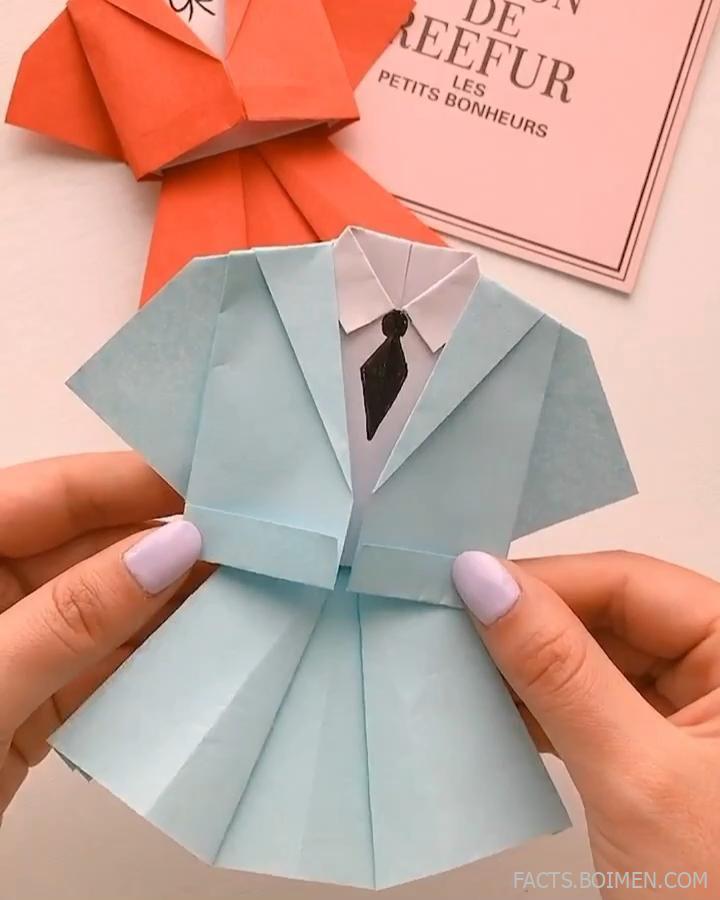
There is a particular kind of quiet happiness in folding a single sheet of paper into something with weight and shape — a pleated skirt, a curling petal, a tiny crane balanced on your fingertip. The French have a phrase for it: de reefur les petits bonheurs, gathering up the small joys. Paper folding is exactly that. It asks for no expensive supplies, no screen, no special talent beyond patience, and it gives back something you can hold.
But if you have ever looked at a finished paper skirt or a crisp origami model and thought, “very nice, but I could never do the folds,” this list is for you. Below are 17 genuinely useful paper folding guides, pattern resources, and tutorials — from beginner crease diagrams to pleated-skirt techniques — that turn a flat sheet into a small, satisfying joy.
Table of Contents(Click to Toggle)
- Why Paper Folding Is the Cheapest Way to Reef a Little Joy
- 17 Paper Folding Guides and Resources for DIY Paper Art
- 1. Origami.me
- 2. Origami Instructions
- 3. Paper Kawaii
- 4. Origami Resource Center
- 5. Gilad’s Origami Page
- 6. Origami Plus
- 7. Jo Nakashima
- 8. Sarah M. Origami
- 9. Origami Spirit
- 10. Fold Something
- 11. Tavin’s Origami
- 12. Origami-Fun
- 13. Paper Craft Central
- 14. Craftsy Paper Crafts
- 15. The Origami Site
- 16. Instructables Paper
- 17. Pinterest Paper Folding Boards
- Bonus Mentions
- The Internet’s Best-Kept Paper Folding Secrets (So Far)
Why Paper Folding Is the Cheapest Way to Reef a Little Joy
Paper folding sits in a rare sweet spot: it is nearly free, deeply absorbing, and produces something you can hold in your hand at the end. A pack of origami paper costs less than a coffee, and a single square can keep you busy for twenty focused minutes. That small, repeatable act of making is what de reefur les petits bonheurs really means — gathering the little joys rather than waiting for the big ones.
The catch is the folds. Pleated skirts, reverse folds, and squash folds are where most beginners quietly give up, especially if they are following a static diagram that skips the tricky step. The resources below solve exactly that problem. Some offer step-by-step video, some specialize in beginner-friendly crease patterns, and a few focus on the pleated and gathered folds that make paper skirts and dresses look so effortless. Work through them in order and those “impossible” folds start to feel like second nature.
17 Paper Folding Guides and Resources for DIY Paper Art
1. Origami.me : Clear beginner diagrams with a huge free model library
What it is: A large, well-organized origami instruction site with hundreds of free diagrams sorted by difficulty and by animal, flower, or geometric model.
Category: Diagram library
Why it stands out:
- Diagrams are drawn with clear crease lines and arrows, so each fold is unambiguous.
- Difficulty labels (easy to complex) let you build up to pleated and layered models gradually.
- Completely free and no sign-up required.
Best for: Absolute beginners who want a printed diagram they can follow at their own pace.
2. Origami Instructions : Step-by-step photo tutorials for the tricky folds
What it is: A tutorial site that photographs each step of a model, including the intermediate folds that diagrams often rush through.
Category: Photo tutorials
Why it stands out:
- Real photos of real paper make squash folds and reverse folds much easier to read than line drawings.
- Models are grouped by theme, so you can pick a flower or a dress shape and work through related designs.
- Each tutorial lists the paper size and shape you need up front.
Best for: Visual learners who lose the plot halfway through a crease diagram.
3. Paper Kawaii : Cute mini models with video walkthroughs
What it is: A craft site and YouTube channel focused on small, adorable paper projects — boxes, bows, envelopes, and tiny dresses.
Category: Video tutorials
Why it stands out:
- Every model has an accompanying video, so you can pause on the exact fold that confuses you.
- The projects are deliberately small, which makes them quick wins for a beginner.
- The blog also covers paper choice, so your folds hold their shape.
Best for: Anyone who wants a finished, giftable model in under fifteen minutes.
4. Origami Resource Center : A deep reference for folds and terminology
What it is: An encyclopedia-style site that explains fold types, base shapes, and origami history alongside tutorials.
Category: Reference and glossary
Why it stands out:
- Dedicated pages explain what a pleat, a reverse fold, and a squash fold actually are — the building blocks of a paper skirt.
- Diagrams are categorized by base (bird base, frog base) so you can learn one foundation and reuse it.
- Free printable paper patterns are included.
Best for: Readers who want to understand the mechanics, not just copy a sequence.
5. Gilad’s Origami Page : The largest origami book and model index online
What it is: A veteran collector’s database of origami books, designers, and models, with reviews and diagrams.
Category: Database and reviews
Why it stands out:
- If you are hunting for a specific pleated-skirt or dress model, this is the place to find which book contains it.
- Honest book reviews help you avoid buying a guide that is too advanced.
- Some free diagrams and crease patterns are hosted directly.
Best for: Readers ready to move from free tutorials to a proper book.
6. Origami Plus : Clean video lessons for modular and decorative models
What it is: A tutorial channel and site covering modular origami, flowers, and decorative folded pieces.
Category: Video tutorials
Why it stands out:
- Modular projects show how repeated simple folds combine into something impressive.
- Slow, close-up camera work makes each crease visible.
- Good stepping stone toward pleated and tessellated patterns.
Best for: Crafters who enjoy repetition and pattern.
7. Jo Nakashima : Master-level video tutorials with crystal-clear pacing
What it is: One of the most respected origami tutorial channels, known for precise, well-lit instruction.
Category: Video tutorials
Why it stands out:
- Complex models are broken into clearly numbered steps with no skipped folds.
- Beginner playlists exist alongside advanced designs, so you can choose your level.
- Free, and each video lists the exact paper dimensions needed.
Best for: Anyone who has mastered the basics and wants a real challenge.
8. Sarah M. Origami : Friendly, approachable folding for all ages
What it is: A tutorial channel with a warm, encouraging teaching style aimed at beginners and families.
Category: Video tutorials
Why it stands out:
- Explains each fold out loud, which helps when your hands are busy.
- Simple models that finish quickly, ideal for a first attempt.
- Encouraging tone that makes mistakes feel fixable.
Best for: Total beginners and anyone folding alongside kids.
9. Origami Spirit : Thoughtful tutorials with a focus on technique and beauty
What it is: A blog by an experienced folder offering tutorials, tips, and reflections on the craft.
Category: Blog and tutorials
Why it stands out:
- Articles explain why a fold works, not just how, which builds real skill.
- Includes guidance on paper weight and folding tools for crisp creases.
- Beautiful photography makes it a pleasure to browse.
Best for: Crafters who want to fold with intention and precision.
10. Fold Something : Quick daily origami projects
What it is: A site built around small, doable folding projects you can complete in a sitting.
Category: Project ideas
Why it stands out:
- Projects are short and self-contained, perfect for a ten-minute creative break.
- Clear step photos accompany each model.
- Great for building a daily habit of making one small thing.
Best for: Busy people who want a tiny creative ritual.
11. Tavin’s Origami : Diagrams and tutorials from a working designer
What it is: A personal site from an origami designer sharing diagrams and instructional content.
Category: Diagrams and tutorials
Why it stands out:
- Original designs you will not find on the big tutorial sites.
- Diagrams are clean and thoughtfully labeled.
- A good source for less-common models once you are past the beginner stage.
Best for: Folders looking for something new after the classic models.
12. Origami-Fun : Printable diagrams sorted by difficulty
What it is: A straightforward library of free printable origami instructions.
Category: Printable diagrams
Why it stands out:
- Print-friendly layouts you can take to a table away from the screen.
- Models are sorted by difficulty so you can progress in order.
- Simple, uncluttered design that loads fast.
Best for: Screen-free folding sessions and classroom use.
13. Paper Craft Central : Broader paper crafts beyond pure origami
What it is: A paper craft hub covering folding, cutting, quilling, and card making.
Category: Paper craft hub
Why it stands out:
- Bridges folding with other paper techniques like pleating and layering for dress and skirt designs.
- Project ideas for cards and decorations that use your folded pieces.
- Beginner-friendly explanations across many techniques.
Best for: Crafters who want to combine folding with other paper skills.
14. The Spruce Crafts Paper Crafts : Well-edited tutorials and buying guides
What it is: A large craft publication with a curated origami and paper section.
Category: Editorial tutorials
Why it stands out:
- Professionally edited tutorials with consistent formatting.
- Buying guides help you choose the right paper weight for pleated models.
- Regularly updated with seasonal project ideas.
Best for: Readers who want polished, reliable instructions in one place.
15. The Origami Site : A compact library of classic models
What it is: A small, focused site with diagrams for the classic origami repertoire.
Category: Diagram library
Why it stands out:
- Fast, ad-light pages that load instantly.
- Focuses on the essential models every folder should know.
- Simple navigation by category.
Best for: Quick reference when you just need one diagram.
16. Instructables Paper : Community projects with photos and tips
What it is: A community platform where makers post step-by-step paper projects with photos.
Category: Community projects
Why it stands out:
- Real makers share tips for the exact folds that gave them trouble.
- Comments often contain fixes for confusing steps.
- Huge variety, from simple folds to elaborate paper dresses.
Best for: Learners who benefit from community troubleshooting.
17. Pinterest Paper Folding Boards : Visual inspiration and saved tutorials
What it is: Pinterest’s paper folding and origami boards, where tutorials, diagrams, and finished projects are saved together.
Category: Inspiration and curation
Why it stands out:
- Visual browsing helps you spot a skirt or dress design you want to try.
- Boards collect tutorials from many sites in one scrollable place.
- Easy to save a project for later when you have paper on hand.
Best for: Gathering ideas before you commit to a specific tutorial.
Bonus Mentions
Origami Tutorial Channels : Endless free video variety
YouTube is full of smaller folding channels that never make the big lists. Search a specific model name plus “tutorial” and you will usually find a patient creator walking through it slowly. A great fallback when a diagram fails you.
r/origami : A friendly community for feedback
A supportive subreddit where folders share finished pieces and ask for help on stubborn folds. Post a photo of where you got stuck and someone will usually explain the next step.
Origami Paper Packs : The one supply worth buying
Thin, square, pre-cut paper makes folding dramatically easier than printer paper. A cheap pack of 6-inch squares in assorted colors is the single best upgrade for a beginner.
Slow-Motion Playback : Your secret folding tool
Most video players let you slow a tutorial to half speed. It sounds trivial, but slowing down a pleat or reverse fold is often the difference between finishing a model and giving up.
The Internet’s Best-Kept Paper Folding Secrets (So Far)
Paper folding rewards the curious more than the talented. The people who make beautiful pleated skirts and delicate cranes are not gifted with special hands — they simply found a guide that explained the fold clearly and kept going after the first crumpled attempt. That is the whole trick, and it is why de reefur les petits bonheurs fits this craft so well: the joy is in the gathering, one small square at a time.
Start with one beginner diagram from the first few sites above, keep a cheap pack of origami squares nearby, and let yourself make a mess of the first pleat. The second one will be better. Which paper folding guide or hidden-gem tutorial did we miss? Share your favorite find in the comments — we are always collecting new little joys.