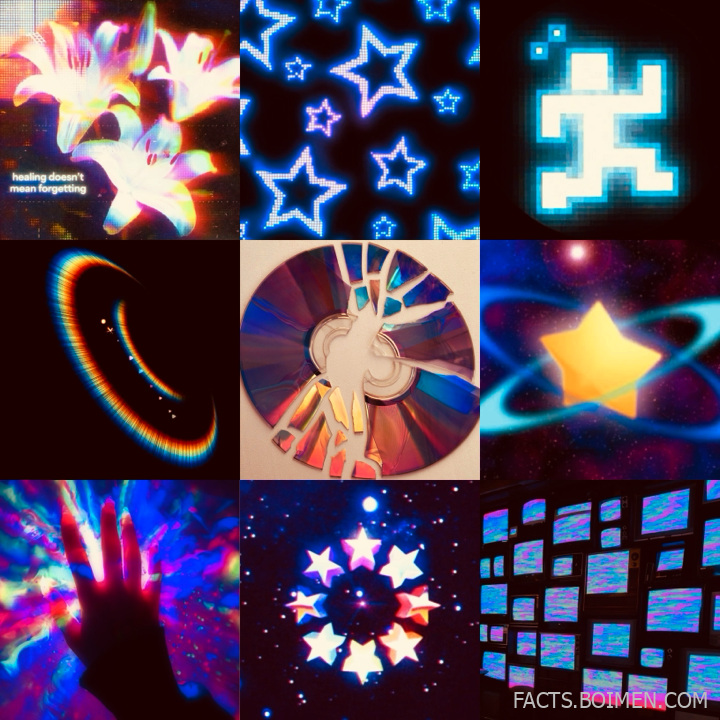
There is a particular kind of creative block that hits when you want to make something visually interesting but the usual feeds feel too polished, too algorithmic, or too sponsored. That is exactly where random moodboard generators and community collage archives come in. Instead of scrolling an endless feed, you press a button or open a page and get a fresh grid of images, textures, and half-finished ideas. The result is a jolt of inspiration that feels accidental, personal, and a little chaotic. Below are 18 places to find that feeling, from instant random-image generators to niche archives of scanned zines and forgotten photography. None of these are the obvious suspects, and most are free to browse.
Table of Contents(Click to Toggle)
- Why random moodboards beat curated feeds
- The 18 best random moodboard sites and tools
- 1. Are.na
- 2. Cosmos
- 3. Pinterest Collage Shuffle
- 4. Designspiration
- 5. Niice
- 6. Savee
- 7. Giphy Random
- 8. Unsplash Random
- 9. Lorem Picsum
- 10. Ffffound Archive
- 11. It’s Nice That
- 12. Fonts In Use
- 13. The Creative Independent
- 14. Open Processing
- 15. Tumblr Archive Explorer
- 16. Public Domain Review
- 17. Internet Archive Book Images
- 18. Coolors Palette Generator
- Bonus Mentions
- The internet’s best-kept visual secrets
Why random moodboards beat curated feeds
Curated feeds are designed to keep you scrolling, not to help you make anything. They learn what you already like and show you more of it, which is comfortable but creatively deadening. Random moodboards work the opposite way. They introduce friction, surprise, and juxtaposition — the raw material of new ideas. A random grid might pair a 1970s textbook diagram with a grainy concert photo, and that accidental pairing is often more useful than a hundred perfectly styled flat-lays.
There is also a practical benefit: these tools are fast. You can generate a board in seconds, screenshot the parts that spark something, and get back to making. Whether you are designing a zine, planning an outfit, writing a song, or just decorating a bedroom wall, a random visual prompt is a cheap way to break a creative rut. The sites below range from polished design platforms to scrappy archives, and each one offers a slightly different flavor of randomness.
The 18 best random moodboard sites and tools
1. Are.na : A quiet, ad-free platform for collecting images and ideas into public channels
What it is: A bookmarking and collection tool used by designers, researchers, and artists to build visual and conceptual boards called channels.
Category: Community collection platform
Why it stands out: There is no algorithm pushing engagement. You can browse random public channels through the explore page and stumble into someone’s collection of Brutalist staircases or scanned receipts. The interface is deliberately plain, which keeps the focus on the images themselves.
Best for: People who want a calmer, more intentional alternative to Pinterest with genuinely random discovery.
2. Cosmos : A visual discovery app built around moody, high-aesthetic image clusters
What it is: A relatively new image-saving and discovery platform that groups images into clusters rather than linear feeds.
Category: Visual discovery app
Why it stands out: The cluster view surfaces unexpected combinations, so a search for “chrome” might return furniture, typography, and album art side by side. It leans dark, editorial, and fashion-adjacent, which suits moodboard makers looking for edge.
Best for: Building fashion, music, or editorial moodboards with a moody palette.
3. Pinterest Collage Shuffle : The familiar platform’s less-known shuffle and related-pin rabbit holes
What it is: Pinterest itself, but used through its related-pins and visual-search features rather than your home feed.
Category: Mainstream platform, hidden features
Why it stands out: Tapping the visual search icon on any pin generates a fresh board of visually similar images, which is effectively a random moodboard generator built into a site you already have. It is free and requires no new account.
Best for: Quick random boards when you do not want to sign up for another platform.
4. Designspiration : A searchable archive of graphic, industrial, and interior design imagery
What it is: A design-focused image bookmarking site with color-based search and a large user-contributed archive.
Category: Design inspiration archive
Why it stands out: The color search lets you pull every image on the site that matches a specific hex code, which is a great way to build a cohesive random board. The archive skews toward print, packaging, and branding rather than lifestyle photos.
Best for: Graphic designers hunting for typography and layout references.
5. Niice : A moodboard builder that pulls from multiple image sources at once
What it is: A collaborative moodboarding tool that searches Behance, Dribbble, and other design sources in one place.
Category: Moodboard builder
Why it stands out: Instead of one random source, it mixes several, so a single search returns a genuinely varied grid. Boards can be shared with collaborators, making it useful for client work as well as personal inspiration.
Best for: Designers who need to present a moodboard to a team or client.
6. Savee : A fast, minimalist image-saving tool with a strong editorial community
What it is: An image bookmarking site popular with art directors and photographers, with a clean grid interface.
Category: Image bookmarking
Why it stands out: The community skews toward high-end photography, fashion, and art direction, so browsing random boards feels like flipping through a well-edited magazine. Saving is instant and the site is lightweight.
Best for: Photographers and art directors building reference libraries.
7. Giphy Random : Endless random GIFs for chaotic, moving moodboards
What it is: The popular GIF library, which includes random and trending endpoints that surface unexpected loops and clips.
Category: Animated image source
Why it stands out: Static images are only half the moodboard story. Dropping a random GIF into a collage adds motion and humor, and Giphy’s search is fast enough to riff through dozens of options in a minute.
Best for: Digital moodboards, social posts, and presentation decks that need movement.
8. Unsplash Random : Free high-resolution photos served in a random shuffle
What it is: A large library of free-to-use photography with a random photo feature and topic-based collections.
Category: Stock photography
Why it stands out: The random endpoint returns a single full-resolution image each time you refresh, which is perfect for a low-effort daily mood prompt. All images are free to use, so you can build boards without worrying about licensing.
Best for: Bloggers, students, and anyone needing free imagery for a project.
9. Lorem Picsum : A developer-friendly random image service with grayscale and blur options
What it is: A simple placeholder image service that serves random photos at any size you request.
Category: Random image generator
Why it stands out: You can request a specific width and height, apply a blur, or force grayscale by tweaking the URL. That makes it a fun way to generate a grid of random images in a consistent style — useful for mockups and experimental layouts.
Best for: Web designers and developers prototyping layouts with random visuals.
10. Ffffound Archive : A legendary dead image bookmarking site with surviving archives
What it is: The original invite-only image bookmarking site, now defunct but partially preserved through mirrors and archives.
Category: Archived inspiration site
Why it stands out: Ffffound defined the aesthetic of late-2000s design blogs, and its surviving archives are a time capsule of collage, typography, and surreal photography. Browsing it feels like excavating a random moodboard from another era.
Best for: Design history buffs and anyone chasing a raw, pre-algorithm internet aesthetic.
11. It’s Nice That : A daily-updated editorial site covering emerging creatives
What it is: An online magazine covering illustration, photography, graphic design, and moving image.
Category: Creative editorial
Why it stands out: Each article is essentially a curated mini moodboard with context. The site covers students and unknowns as often as established names, so you regularly encounter work you have never seen before.
Best for: Creatives who want inspiration with a story attached.
12. Fonts In Use : A community archive of real-world typography in context
What it is: A searchable database of photographs showing typefaces used in signage, packaging, and print.
Category: Typography archive
Why it stands out: Browsing random entries is a masterclass in layout and lettering, and every post credits the typeface, designer, and year. It is a moodboard for people who care about type rather than just imagery.
Best for: Designers choosing typefaces or studying real-world branding.
13. The Creative Independent : Interviews and guides on the creative process, with a strong visual identity
What it is: A publication of interviews and practical guides for working creatives.
Category: Creative process resource
Why it stands out: The site pairs text with distinctive illustration and photography, and browsing random articles is a reminder that moodboards are as much about ideas as images. It is free and ad-light.
Best for: Creatives looking for conceptual fuel alongside visual inspiration.
14. OpenProcessing : A community of generative art sketches you can run in the browser
What it is: A platform for sharing and running creative coding sketches made with Processing and p5.js.
Category: Generative art community
Why it stands out: Every sketch is interactive, so you can pause a random generative piece and screenshot a frame that looks like abstract art. The randomness here is literal — many sketches are built on noise and chance.
Best for: Digital artists and anyone wanting abstract, one-of-a-kind visuals.
15. Tumblr Archive Explorer : Deep-dive into years of aesthetic blogs and reblog chains
What it is: Tumblr’s archive view, which lets you scroll a blog’s entire history month by month.
Category: Blogging platform, archive feature
Why it stands out: Tumblr remains one of the best sources of raw, unpolished aesthetic imagery, from film photography to grunge collages. Scrolling a random blog’s archive is a genuinely random moodboard experience with years of depth.
Best for: Anyone hunting for niche subculture aesthetics and vintage edits.
16. Public Domain Review : Curated essays and galleries of out-of-copyright art and oddities
What it is: An online journal and gallery exploring works that have entered the public domain.
Category: Public domain archive
Why it stands out: The collections include anatomical drawings, occult diagrams, botanical plates, and early photography. It is a goldmine for collage artists because everything is free to reuse.
Best for: Collage makers and zine creators needing copyright-free source material.
17. Internet Archive Book Images : Millions of scanned book illustrations with no known copyright restrictions
What it is: A massive collection of images extracted from digitized books on the Internet Archive.
Category: Public domain image archive
Why it stands out: You can search by keyword and filter to images, surfacing everything from vintage advertisements to scientific diagrams. Because the source is scanned pages, the images carry authentic texture and imperfections.
Best for: Designers building textured, vintage-feeling moodboards.
18. Coolors Palette Generator : Instant random color palettes to anchor a moodboard
What it is: A fast color palette generator with a randomize shortcut and export options.
Category: Color tool
Why it stands out: Press the spacebar and get a fresh five-color palette, complete with hex codes and contrast checks. It is the quickest way to give a random image board a coherent color story.
Best for: Turning scattered inspiration into a usable palette for design or decor.
Bonus Mentions
Behance : A huge portfolio network with a random project browse
Why it stands out: Filtering by creative field and browsing random projects surfaces polished work from around the world, useful when you want finished execution rather than raw material.
Dribbble : Short-form design shots for UI and branding inspiration
Why it stands out: The shot format is bite-sized, making it easy to skim dozens of ideas quickly and screenshot the ones that fit a mood.
The Met Collection : Open-access art from a world-class museum
Why it stands out: Thousands of images are available under open access, and browsing by random department yields unexpected pairings of sculpture, textiles, and prints.
NASA Image Library : Public-domain space photography with a surreal edge
Why it stands out: Nebulae, Earth-from-orbit shots, and vintage mission photography add an otherworldly layer to any board.
Pexels : Free stock photos with a random discovery feed
Why it stands out: A solid alternative to Unsplash with a large free library and topic collections that work well for quick moodboards.
The internet’s best-kept visual secrets
The best moodboards rarely come from a single perfect search. They come from accidents — a random GIF landing next to a scanned botanical plate, a color palette that suddenly makes a messy grid feel intentional. The sites above are worth bookmarking precisely because they do not try to guess what you want. They hand you something unexpected and let you decide what it means.
Start with one or two: generate a random grid, screenshot what catches your eye, and pair it with a palette from Coolors. Repeat for a week and you will have a personal archive that no algorithm could have assembled for you. Which of these random moodboard sites gave you the best accidental find? Share it in the comments — half the fun of a list like this is trading discoveries.