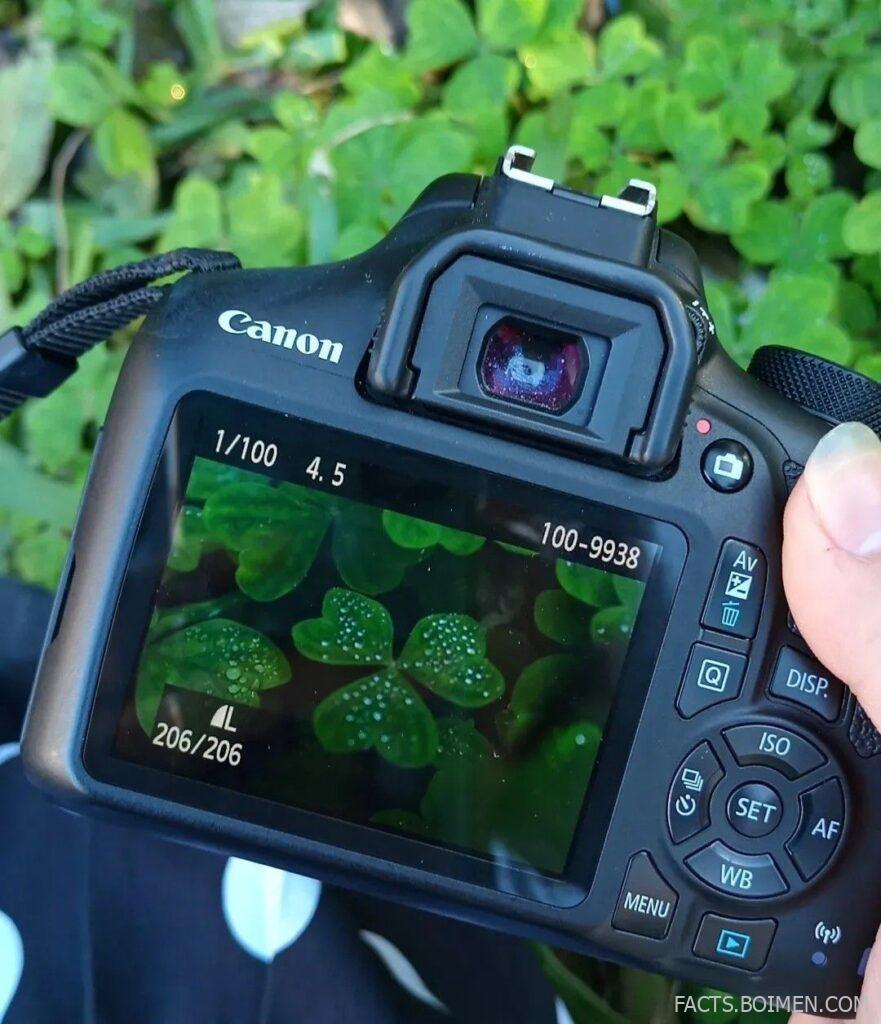
If you have ever squinted at the back of a DSLR or mirrorless camera and seen a wall of cryptic text — “1/100”, “4.5”, “206/206”, “ISO”, “WB”, “AF” — you are not alone. That tiny strip of information is the camera’s status display, and it is quietly telling you everything you need to know about your current exposure. This guide breaks down 17 of those readouts and the tools that help you understand them, so the next time you press the shutter, you actually know what your camera is doing.
Table of Contents(Click to Toggle)
- Why Understanding Your Camera Display Changes Everything
- 17 Camera Settings and Displays Explained
- 1. Canon EOS Rebel Series
- 2. Nikon Z Series
- 3. Sony Alpha Series
- 4. Fujifilm X Series
- 5. Panasonic Lumix Series
- 6. Olympus OM-D Series
- 7. Exposure Guide
- 8. CameraSim
- 9. PhotoPills
- 10. Lightroom Classic
- 11. Darktable
- 12. Snapseed
- 13. ExifTool
- 14. Flickr
- 15. 500px
- 16. Digital Photography School
- 17. Reddit r/photography
- Bonus Mentions
- The Internet’s Best-Kept Photography Secrets (So Far)
Why Understanding Your Camera Display Changes Everything
That string of numbers on your camera’s LCD or viewfinder — shutter speed, aperture, ISO, white balance, autofocus mode — is the difference between a blurry snapshot and a photograph you are proud to print. Most beginners leave the camera in full auto because the display feels like a foreign language. The 17 resources below decode that language, from the cameras themselves to the free simulators and communities that let you practice without wasting a single frame.
17 Camera Settings and Displays Explained
1. Canon EOS Rebel Series : The beginner-friendly DSLR that shows every setting clearly
What it is: Canon’s entry-level DSLR line, including the Rebel T7, T8i, and SL3, designed for people picking up a camera for the first time.
Category: Camera body
Why it stands out: The rear LCD shows shutter speed, aperture, ISO, and white balance in large, readable type. The Quick Control screen lets you change any of them with the directional pad, and the top status LCD on higher models mirrors the exact readout in the pin image.
Best for: Students in a first photography class who need to see how “1/100” and “4.5” relate to each other in real time.
2. Nikon Z Series : Mirrorless cameras with an electronic viewfinder that previews your exposure
What it is: Nikon’s full-frame and APS-C mirrorless system, from the Z 30 to the Z 9.
Category: Camera body
Why it stands out: Because the viewfinder is electronic, what you see is what you get — change the shutter speed and the preview brightens or darkens instantly. The “i” menu groups ISO, WB, and AF settings on one screen.
Best for: Learners who want immediate visual feedback instead of guessing from numbers alone.
3. Sony Alpha Series : Fast autofocus with a display that labels every mode
What it is: Sony’s mirrorless line, including the a6000 series and full-frame a7 models.
Category: Camera body
Why it stands out: Sony’s AF system is famously quick, and the display shows exactly which focus mode is active — AF-S, AF-C, or DMF. The Fn button opens a grid of twelve settings you can customize.
Best for: Beginners who shoot moving subjects and need to trust the autofocus readout.
4. Fujifilm X Series : Retro dials that teach you settings by touch
What it is: Fujifilm’s APS-C mirrorless cameras, known for physical shutter speed and ISO dials.
Category: Camera body
Why it stands out: Instead of hunting through menus, you turn a labeled dial. The X-T30 and X-T5 show aperture on the lens ring, so the exposure triangle becomes muscle memory.
Best for: Photographers who learn better by doing than by reading a screen.
5. Panasonic Lumix Series : Hybrid cameras with clear video and photo settings
What it is: Panasonic’s Micro Four Thirds and full-frame mirrorless cameras, including the GH and S lines.
Category: Camera body
Why it stands out: The display separates photo and video settings cleanly, so you never accidentally shoot video at a photo shutter speed. The GH6 shows waveform and vectorscope overlays for exposure.
Best for: Creators who switch between stills and video in the same session.
6. Olympus OM-D Series : Compact bodies with a live super control panel
What it is: Olympus (now OM System) Micro Four Thirds cameras such as the E-M10 and E-M1.
Category: Camera body
Why it stands out: The Super Control Panel puts aperture, shutter speed, ISO, WB, and AF mode on one touch screen — tap any value to change it. In-body stabilization means you can handhold slower shutter speeds.
Best for: Travelers who want a small camera that still explains every setting.
7. Exposure Guide : Free tutorials that decode shutter speed, aperture, and ISO
What it is: A free educational site covering the fundamentals of exposure, composition, and lighting.
Category: Learning resource
Why it stands out: Each concept gets a plain-language explanation plus sample images showing the same scene at different settings. The exposure triangle article walks through why 1/100 at f/4.5 behaves differently than 1/500 at f/2.8.
Best for: Anyone who wants the theory behind the numbers on their camera display.
8. CameraSim : A free online DSLR simulator you can practice on
What it is: A browser-based simulator that lets you adjust shutter speed, aperture, ISO, and distance on a virtual camera.
Category: Practice tool
Why it stands out: You see the result instantly — too slow a shutter speed and the swinging girl blurs; too high an ISO and grain appears. It is the fastest way to build intuition without owning a camera.
Best for: Students who want to experiment before class or before buying gear.
9. PhotoPills : Plan golden hour and night shots with precise data
What it is: A paid mobile app for planning photo shoots around sun, moon, and star positions.
Category: Planning app
Why it stands out: The augmented-reality view shows exactly where the sun will rise, and the exposure calculator suggests settings for Milky Way shots. It also includes a depth-of-field table tied to your aperture.
Best for: Landscape and astrophotographers who want the right settings before they arrive.
10. Adobe Lightroom Classic : See and fix the metadata behind every shot
What it is: Adobe’s desktop photo organizer and editor.
Category: Editing software
Why it stands out: The Library module displays the exact shutter speed, aperture, ISO, and lens for each frame, so you can compare what worked. The Develop module then lets you correct exposure and white balance non-destructively.
Best for: Beginners ready to move beyond the camera’s built-in JPEG processing.
11. Darktable : A free, open-source alternative to Lightroom
What it is: A non-destructive RAW editor and photo organizer for Linux, macOS, and Windows.
Category: Editing software
Why it stands out: It reads the same EXIF data as commercial tools and offers powerful modules like filmic RGB and color balance. There is no subscription, and the community maintains extensive free documentation.
Best for: Budget-conscious photographers who still want professional-grade RAW editing.
12. Snapseed : Quick mobile edits that respect your original settings
What it is: A free photo editor for iOS and Android, originally developed by Nik Software and now owned by Google.
Category: Mobile editing app
Why it stands out: The “Selective” tool lets you brighten just one area, and the “Tune Image” sliders mirror exposure and white balance adjustments. It never overwrites your original file.
Best for: Phone photographers who want to learn editing concepts before moving to desktop software.
13. ExifTool : Read the hidden data your camera writes into every file
What it is: A free command-line utility for reading, writing, and editing metadata in image files.
Category: Metadata tool
Why it stands out: It reveals every value your camera recorded — shutter speed, aperture, ISO, white balance, focus distance, even the lens serial number. You can also strip GPS data before sharing photos online.
Best for: Curious photographers who want to reverse-engineer why a shot turned out the way it did.
14. Flickr : Study other photographers’ settings on real photos
What it is: A long-running photo-sharing community with millions of public images.
Category: Community and portfolio
Why it stands out: Many uploaders leave EXIF data visible, so you can click a photo you admire and see the exact shutter speed and aperture used. Groups like “Beginner Photography” offer feedback.
Best for: Learners who want real-world examples of settings in action.
15. 500px : High-quality inspiration with visible camera data
What it is: A curated photo-sharing platform focused on high-quality work.
Category: Community and portfolio
Why it stands out: The site surfaces the camera, lens, and exposure settings beneath many images. Browsing the “Popular” feed is a masterclass in how professionals balance the exposure triangle.
Best for: Photographers looking for polished inspiration and technical reference points.
16. Digital Photography School : Practical articles for every camera setting
What it is: A long-running blog with tutorials, gear reviews, and tips for photographers at all levels.
Category: Learning resource
Why it stands out: Articles are written for beginners and include concrete examples, such as how to choose between f/1.8 and f/4.5 for portraits. The site also runs weekly challenges to keep you shooting.
Best for: Self-taught photographers who want a steady stream of structured lessons.
17. Reddit r/photography : A huge community for quick answers and honest feedback
What it is: The largest photography forum on Reddit, with daily question threads and gear discussions.
Category: Community
Why it stands out: The weekly “Ask Anything” thread is ideal for questions like “why is my photo blurry at 1/100?” Moderators enforce civility, and the wiki covers settings basics.
Best for: Beginners who want fast, human answers without wading through ads.
Bonus Mentions
Photopea : A free browser-based editor that opens RAW files
What it is: A web app that mimics Photoshop’s interface.
Category: Editing software
Why it stands out: It runs in any browser, supports layers, and can read metadata from your files. No installation required.
Best for: Editing on a borrowed or low-spec computer.
DPReview : In-depth camera reviews with sample galleries
What it is: A review site covering cameras and lenses.
Category: Gear reference
Why it stands out: Sample galleries include full EXIF data, so you can see how a camera performs at high ISO before buying.
Best for: Comparing cameras before a purchase.
Cambridge in Colour : Technical tutorials on exposure and optics
What it is: An educational site with detailed articles on photography science.
Category: Learning resource
Why it stands out: Its depth-of-field and diffraction calculators explain why f/22 is not always sharper than f/8.
Best for: Photographers who want the math behind the settings.
KenRockwell.com : Plain-spoken camera guides and setting recommendations
What it is: A personal site with camera manuals, reviews, and recommended settings.
Category: Reference
Why it stands out: His guides often list exact starting settings for different situations, which is helpful when you are staring at a confusing menu.
Best for: Quick, opinionated answers on what settings to use.
The Internet’s Best-Kept Photography Secrets (So Far)
The numbers on your camera display stop being intimidating once you connect them to real tools and real practice. Start with a simulator to build intuition, then use a learning site to understand the theory, and finally browse a community to see how others apply it. The 17 resources above cover the entire journey from “what does 1/100 mean?” to confidently choosing your own settings. What is the one camera setting you still find confusing? Share it in the comments — your question might help the next beginner reading this.