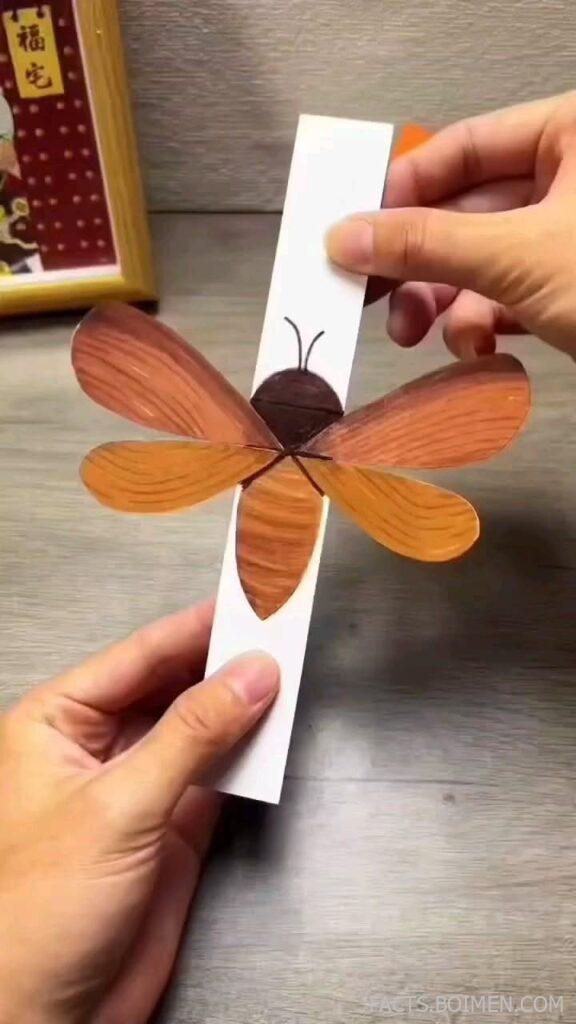
There is something quietly magical about a butterfly that flutters when you move your hand. No batteries, no apps, no complicated kit — just paper, a few folds, and a rubber band or a gentle breeze. The DIY paper flying butterfly is having a moment right now, and once you build one you immediately want to build ten more. Below are the best projects, templates, and free resources for making paper butterflies that genuinely move, flap, and fly — sorted from the viral classic to clever twists you have probably never seen.
Table of Contents(Click to Toggle)
- Why Paper Flying Butterflies Are Worth Your Afternoon
- 15 Paper Flying Butterfly Crafts That Actually Move
- 1. Flapping Paper Butterfly (Rubber Band Trick)
- 2. Origami Flapping Butterfly
- 3. Paper Butterfly Puppet on a Straw
- 4. Butterfly Greeting Card That Flies Out
- 5. Walking Paper Butterfly
- 6. Accordion-Fold Flutter Butterfly
- 7. Twirling Paper Butterfly Mobile
- 8. Printable Butterfly Template Set
- 9. Clothespin Butterfly Launcher
- 10. Magnetic Butterfly That Crawls
- 11. Butterfly Bookmark That Flaps
- 12. Balancing Butterfly on Your Finger
- 13. Spinning Butterfly Top
- 14. Butterfly Shadow Puppet
- 15. Butterfly Explosion Box Surprise
- Bonus Mentions
- Paper, Tools, and Tricks That Make Flapping Work
- The Final Flutter
Why Paper Flying Butterflies Are Worth Your Afternoon
Most paper crafts sit still. You fold them, admire them, and they go on a shelf. A moving paper butterfly is different — it rewards you with motion the moment you pull a rubber band, blow a puff of air, or tilt a card. That tiny cause-and-effect loop is why these projects spread so fast in classrooms, craft rooms, and quiet Sunday afternoons.
There is also a practical side. Paper butterflies teach real mechanics: tension, hinges, counterweights, and airflow. A child building one is quietly learning engineering. An adult building one gets a five-minute reset that ends with something pretty on the windowsill. And because the materials cost almost nothing, you can iterate fast — swap the paper weight, shorten the wings, tighten the band, and watch the flight change.
The list below mixes the viral rubber-band classic with origami, puppets, printables, and kinetic toys. Every entry is something you can start today with paper you already own.
15 Paper Flying Butterfly Crafts That Actually Move
1. Instructables : The Viral Rubber-Band Butterfly Everyone Is Folding
What it is: A step-by-step tutorial hub where the classic flapping butterfly — folded paper wings, a twisted rubber band, and a paper clip — is documented in dozens of community variations.
Category: Tutorial community
Why it stands out:
- Multiple independent versions of the same butterfly so you can compare folds and pick the one that actually flaps for you
- Comment sections where makers post fixes when wings droop or the band snaps
- Photos of every step, which matters enormously for a mechanism this fiddly
Best for: First-timers who want the exact viral version with troubleshooting built in.
2. Origami.me : The Pure-Fold Butterfly That Beats Its Wings
What it is: A clean origami diagram library with a dedicated flapping butterfly model that needs no rubber band at all — the motion comes from a pinch at the body.
Category: Origami diagrams
Why it stands out:
- Zero extra materials beyond one square of paper
- Diagrams are drawn clearly enough to follow without video
- The finished model sits flat and can be pressed into a book, then revived
Best for: Purists and anyone crafting somewhere a rubber band would go missing.
3. Red Ted Art : Straw Puppet Butterflies Kids Can Fly Themselves
What it is: A family craft site with a paper butterfly mounted on a drinking straw so a child can push and pull the wings from below.
Category: Kids craft blog
Why it stands out:
- The straw handle makes the butterfly flyable by very small hands
- Free printable wing outlines in several sizes
- Designed around supplies most homes already have
Best for: Parents and teachers who need a craft that survives a group of eight-year-olds.
4. Creativebug : The Greeting Card That Releases a Flying Butterfly
What it is: A subscription craft class platform with card-making lessons that include pop-up and pull-tab mechanisms, the same principle behind a butterfly that bursts out of a folded card.
Category: Video craft classes
Why it stands out:
- Instructor-led video shows exactly where the elastic sits inside the fold
- Teaches the card structure once so you can reuse it for any shape
- Class library covers paper engineering beyond just butterflies
Best for: Gift-makers who want the wow moment of a butterfly flying out of an envelope.
5. Pinterest : The Walking Butterfly That Crawls Across the Table
What it is: The endless visual index where the walking paper butterfly — a folded body that inches forward when you nudge the wings — circulates in dozens of photo tutorials.
Category: Visual inspiration board
Why it stands out:
- You can see ten finished versions before committing to a fold
- Pins often link straight to printable templates
- Easy to save a board of variations for a rainy day
Best for: Browsers who want to see the finished look before they start cutting.
6. YouTube : Slow-Motion Folding Guides for Every Flutter Style
What it is: The single best place to watch a paper butterfly mechanism in real time, including slow-motion replays of the wing hinge.
Category: Video tutorials
Why it stands out:
- Playback speed control lets you slow a tricky fold to quarter speed
- Creators often show the failed attempts first, which saves you the same mistakes
- Side-by-side comparisons of light versus heavy paper
Best for: Visual learners who get stuck on written instructions.
7. Etsy : Instant-Download Butterfly Templates and Kits
What it is: A marketplace where independent sellers list printable butterfly templates, pre-scored wing sets, and complete flapping-butterfly kits.
Category: Digital and physical craft marketplace
Why it stands out:
- Instant downloads mean you can print and build the same evening
- Sellers often include a short video of the finished butterfly moving
- Pre-cut kits exist for anyone without a craft knife
Best for: Crafters who would rather buy a proven template than reverse-engineer one.
8. Twinkl : Classroom-Ready Butterfly Printables
What it is: An education resource library with printable butterfly outlines, life-cycle sheets, and simple moving-craft instructions written for teachers.
Category: Teaching resources
Why it stands out:
- Files are formatted for whole-class printing
- Instructions are written in plain language a substitute teacher can follow
- Pairs the craft with a short science explanation of real butterfly flight
Best for: Teachers planning a lesson that mixes art and basic physics.
9. KiwiCo : Engineering Kits That Turn Butterflies Into a Project
What it is: A STEM subscription box company whose paper-engineering projects apply the same hinge-and-tension ideas to moving creatures.
Category: STEM craft kits
Why it stands out:
- Materials arrive pre-measured, so the mechanism works the first time
- Each box explains the underlying principle in kid-friendly language
- Good stepping stone from a paper butterfly to real mechanical toys
Best for: Families who want the craft to double as a science lesson.
10. Instructables : Magnetic Butterflies That Crawl Uphill
What it is: A second Instructables route — this time the magnetic paper butterfly that drags itself along a surface when a magnet moves underneath.
Category: Tutorial community
Why it stands out:
- Turns a flat paper shape into a controllable moving toy
- Uses a paper clip and a fridge magnet, nothing exotic
- Works beautifully on a sheet of cardboard as a mini stage
Best for: Kids who want to steer the butterfly themselves rather than watch it fall.
11. Craftsy : Paper Mechanics Classes That Go Beyond Butterflies
What it is: A craft-class platform with paper engineering and card-making courses that teach the fold-and-tension basics behind any flapping paper creature.
Category: Online craft courses
Why it stands out:
- Structured lessons build skills in order instead of jumping between tutorials
- Instructors demonstrate the hinge that makes wings snap back
- Skills transfer to pop-up cards, mobiles, and shadow boxes
Best for: Makers who want to design their own butterfly rather than copy one.
12. Good Food : Balancing Butterflies for Very Young Makers
What it is: The family activity section of a well-known food site, which includes simple paper-and-coin balancing crafts — the same counterweight principle that lets a paper butterfly perch on your fingertip.
Category: Family activity ideas
Why it stands out:
- Uses coins or washers as counterweights, so the butterfly never tips
- Instructions are short enough for a five-minute setup
- A calm alternative to the rubber-band version for toddlers
Best for: Preschool-age crafters and anyone who wants a no-launch, no-mess option.
13. wikiHow : Illustrated Folds for Every Skill Level
What it is: A collaborative how-to site with illustrated, step-numbered guides for folding paper butterflies of several styles.
Category: How-to reference
Why it stands out:
- Each step has a drawing, which is easier to follow than dense text
- Articles list the exact paper size needed up front
- Easy to skim on a phone while your hands are busy
Best for: Quick reference when you have already built one and want a new variation.
14. Origami Instructions : Butterfly Models From Beginner to Advanced
What it is: A long-running diagram archive with a graded butterfly section, from a simple four-fold version to a detailed flapping model.
Category: Origami diagrams
Why it stands out:
- Difficulty is clearly labelled, so you never start above your level
- Diagrams use standard origami symbols consistently
- The advanced flapping model is genuinely impressive once finished
Best for: Folders who want a progression path rather than one-off projects.
15. Handmade Charlotte : Aesthetic Butterfly Mobiles and Wall Art
What it is: A design-forward craft blog with paper butterfly mobiles and wall installations that move gently in room air.
Category: Design craft blog
Why it stands out:
- Focus on color palettes and composition, not just mechanics
- Mobiles flutter with no input at all — perfect for a nursery
- Projects photograph beautifully, which is why they spread so fast online
Best for: Crafters who want the butterfly to look as good as it moves.
Bonus Mentions
National Geographic : Real Butterfly Flight Explained
What it is: Science explainers on how real butterflies actually generate lift. Why it stands out: Helps you tune your paper wings — the same wide-front, light-rear shape that works in nature works on your desk. Best for: Adding a five-minute science talk to the craft.
Amazon : Paper, Elastic, and Craft Tools
What it is: A one-stop source for 80gsm paper, thin elastic cord, and small craft clips. Why it stands out: Buying the right paper weight in one go removes the most common reason a flapping butterfly fails. Best for: Restocking before a group craft session.
Blick Art Materials : Better Paper Changes Everything
What it is: An art-supply retailer with cardstock, tissue, and vellum in single sheets. Why it stands out: Vellum wings catch light beautifully while staying light enough to flap. Best for: Makers chasing a more premium finish.
Martha Stewart : Clean, Classic Paper Crafts
What it is: A lifestyle craft archive with tidy paper projects and templates. Why it stands out: Instructions are edited tightly, with crisp photos of the finished piece. Best for: Adults who want a polished result with minimal fuss.
1001 Free Downloads : Free Butterfly Vector Shapes
What it is: A free graphics library with butterfly silhouettes and wing vectors. Why it stands out: Print a vector wing at any size without pixelation, so you can scale a tiny bookmark butterfly up to a wall piece. Best for: Customizing wing shapes before you cut.
Paper, Tools, and Tricks That Make Flapping Work
Almost every failed paper butterfly fails for the same three reasons, and all three are easy to fix.
Paper weight. Standard printer paper at around 80gsm is the sweet spot. Thicker cardstock holds a crease but refuses to flutter; thin tissue flutters but tears at the hinge. If your butterfly droops, go lighter. If it flops limply, go slightly heavier.
Hinge tension. The fold where the wings meet the body is the entire mechanism. Crease it firmly once, then avoid re-creasing it repeatedly — every extra crease softens the snap-back. A fresh, crisp hinge is what makes the wings return.
Symmetry. Cut both wings together, folded, rather than separately. A butterfly that lists to one side is almost always slightly asymmetric, and the imbalance compounds with every flap.
Two small upgrades are worth the effort. First, a tiny paper clip at the body adds just enough weight to keep the butterfly upright mid-flight. Second, curling the outer wing edges around a pencil gives a subtle airfoil shape that makes the flutter look far more natural. Neither costs anything, and both are visible in the finished result.
For storage, press finished butterflies flat between book pages. They revive in seconds and will not develop the soft, saggy hinge that comes from being left out.
The Final Flutter
Paper flying butterflies sit in a rare sweet spot: cheap enough to make by the dozen, mechanical enough to teach something real, and pretty enough to keep. Start with the rubber-band version if you want instant gratification, move to origami if you want something that lives in a book, and try a mobile if you want motion without touching anything at all. Whichever you pick, the first successful flap is the moment it clicks.
Which paper butterfly did you build first — and did it actually fly, or did it need a second attempt? Share your version and any fold tweaks in the comments.