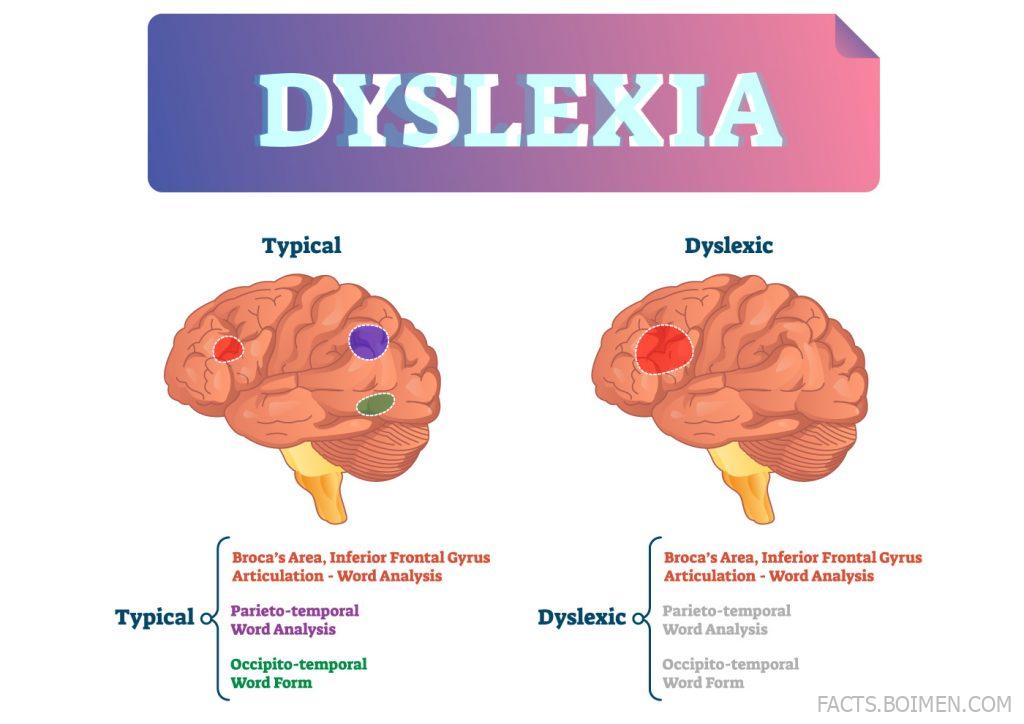
Dyslexia affects roughly one in ten people, yet most readers have never felt what it actually does to a page of text. These seventeen websites, simulations, and reading tools let you step inside that experience — some replicate the visual scramble in seconds, others show you the assistive tech that makes reading possible. Start with the first one: it is the most direct way to feel the promise of this list.
Table of Contents(Click to Toggle)
- Why Dyslexia Simulations Are Worth Your Time
- 1. Dyslexia Simulation
- 2. Understood’s Through Your Child’s Eyes
- 3. Nessy
- 4. Being Dyslexic
- 5. Dyslexia the Gift
- 6. The Yale Center for Dyslexia & Creativity
- 7. British Dyslexia Association
- 8. Made By Dyslexia
- 9. International Dyslexia Association
- 10. Microsoft Immersive Reader
- 11. Helperbird
- 12. Speechify
- 13. Beeline Reader
- 14. OpenDyslexic
- 15. Bookshare
- 16. Learning Ally
- 17. TintVision
- Bonus Mentions
- The Quiet Power of Reading Tools
Why Dyslexia Simulations Are Worth Your Time
Reading is invisible labor for most of us. A dyslexic reader, by contrast, often fights for every sentence: letters flip, words blur, and lines of text refuse to stay still. Simulation sites turn that private struggle into something you can see and feel in under a minute, which is why teachers, parents, and designers keep passing them around.
But the more interesting half of this list goes further. Once you have felt the scramble, you appreciate the assistive tools that defuse it — text-to-speech engines, color-gradient readers, and fonts engineered for wobbling letters. Together they form a complete picture: what the difficulty looks like, and what actually helps. None of these are gimmicks; several are used daily in classrooms and workplaces.
1. Dyslexia Simulation : The fastest way to feel the reading scramble
What it is: A browser-based simulation that re-renders ordinary paragraphs with letter swapping, jumbling, and crowding.
Category: Interactive simulation
Why it stands out:
- Runs instantly with no sign-up, so you can test it on a phone in a checkout line
- Lets you toggle individual effects, so you can isolate whether letter reversal or visual crowding is harder for you
- Includes a timed reading passage that shows how much slower decoding becomes
Best for: Anyone who wants the “oh, now I get it” moment in under two minutes.
2. Understood’s Through Your Child’s Eyes : A parent-focused simulation with real voices
What it is: A set of interactive experiences from Understood that recreate reading, writing, and attention challenges from a child’s perspective.
Category: Nonprofit education resource
Why it stands out:
- Pairs each simulation with short interviews from kids describing the same moment
- Covers dyslexia alongside related learning differences, so you see the overlaps
- Free and ad-light, with printable discussion guides for families
Best for: Parents and teachers preparing for a conversation with a struggling student.
3. Nessy : Structured literacy games that make phonics feel like play
What it is: A learning platform built around the Orton-Gillingham approach, with animated games for reading and spelling.
Category: Educational platform
Why it stands out:
- Its free dyslexia test gives a rough indicator in about ten minutes
- Lessons move in small, cumulative steps rather than dumping whole words at once
- Progress reports break down which sound patterns still trip a learner up
Best for: Kids aged roughly 5-12 who need repetition without boredom.
4. Being Dyslexic : A community that shows the daily workarounds
What it is: A long-running UK community site with forums, articles, and personal stories about living with dyslexia.
Category: Community and advocacy
Why it stands out:
- Threads on workplace accommodations are unusually practical, from email templates to meeting notes
- Members share which fonts, apps, and habits actually stuck
- Its tone is matter-of-fact rather than inspirational, which many readers prefer
Best for: Adults newly diagnosed who want peer advice, not clinical language.
5. Dyslexia the Gift : Reframing the difference as a strength
What it is: The home of the Davis methods, with articles and exercises built on visual-spatial thinking.
Category: Method and advocacy
Why it stands out:
- Explains the “picture thinker” idea with concrete classroom examples
- Offers orientation and focusing exercises you can try at home
- Links to a directory of Davis facilitators if you want structured help
Best for: Readers curious about strengths-based approaches to dyslexia.
6. The Yale Center for Dyslexia & Creativity : Research-backed answers to common myths
What it is: Yale’s dedicated center, publishing studies, FAQs, and profiles of accomplished dyslexic adults.
Category: Academic research
Why it stands out:
- Its myth-busting pages are cited by schools and journalists alike
- Profiles show career paths in medicine, law, and the arts
- Clear explanations of the brain science behind phonological processing
Best for: Anyone who wants evidence before opinions.
7. British Dyslexia Association : The practical UK support hub
What it is: A charity offering assessments, training, and workplace guidance across the UK.
Category: Charity and support
Why it stands out:
- Its style guides are used by publishers to make text more accessible
- Helpline staff answer questions about rights and exam accommodations
- Free webinars cover topics from assistive tech to workplace disclosure
Best for: UK readers navigating school or employment systems.
8. Made By Dyslexia : Famous dyslexic thinkers in short films
What it is: A global charity producing short films and training with well-known dyslexic creators and entrepreneurs.
Category: Advocacy and training
Why it stands out:
- Its free training modules are designed for teachers and employers
- Films are short enough to share in a staff meeting
- Focuses on “dyslexic thinking” as a workplace skill set
Best for: Managers and educators who want a quick culture shift.
9. International Dyslexia Association : Fact sheets you can hand to a school
What it is: A US-based nonprofit publishing structured fact sheets, research digests, and a provider directory.
Category: Nonprofit resource
Why it stands out:
- Its fact sheets are written to be printed and shared at IEP meetings
- Defines the term “structured literacy” precisely, which helps you evaluate programs
- Branch events connect local families and tutors
Best for: Parents who need citable material for school meetings.
10. Microsoft Immersive Reader : Free text-to-speech built into apps you already use
What it is: A reading support tool embedded in Word, Edge, OneNote, and Teams.
Category: Assistive technology
Why it stands out:
- Reads text aloud while highlighting each word, which links sound to spelling
- Offers line focus, syllable splitting, and a picture dictionary
- Works on documents you already have, with no extra install in most cases
Best for: Students and office workers who read long documents daily.
11. Helperbird : An accessibility toolkit for the browser
What it is: A browser extension bundling dyslexia-friendly fonts, overlays, reading rulers, and text-to-speech.
Category: Browser extension
Why it stands out:
- One toolbar controls font, spacing, color overlay, and voice speed together
- The reading ruler follows your cursor, which helps keep your place on dense pages
- Settings sync across devices if you sign in
Best for: People who read a lot of web articles and PDFs.
12. Speechify : Turning any article into audio in seconds
What it is: A text-to-speech app that reads web pages, documents, and scanned text aloud with natural voices.
Category: Text-to-speech
Why it stands out:
- OCR handles photographed pages, so printed handouts become audio
- Playback speeds above 2x let fast listeners cover more ground
- Mobile apps keep your place between phone and desktop
Best for: Commuters and students who absorb better by listening.
13. Beeline Reader : Color gradients that pull your eyes forward
What it is: A reading tool that shades text from one color to another across each line to guide the eye.
Category: Reading aid
Why it stands out:
- The gradient reduces line-skipping, a common complaint among dyslexic readers
- Works as a browser extension and inside some library databases
- You can adjust contrast and color pairings to suit your eyes
Best for: Readers who lose their place on wide, dense paragraphs.
14. OpenDyslexic : A free font with weighted letter bottoms
What it is: An open-source typeface designed so letters are less likely to be visually flipped.
Category: Typeface
Why it stands out:
- Each letter has a heavier base, which anchors it to the line
- Distinct shapes for b, d, p, and q reduce mirror confusion
- Free to download and already bundled into many e-readers and apps
Best for: Anyone who wants to test whether a font change alone helps.
15. Bookshare : An accessible library of over a million titles
What it is: A nonprofit ebook library for people with reading barriers, offering audio, braille, and large-print formats.
Category: Accessible library
Why it stands out:
- Membership is free for qualifying US students
- Books can be read with text-to-speech or a braille display
- Includes textbooks, not just novels, which matters at exam time
Best for: Students who need course reading in another format.
16. Learning Ally : Human-narrated audiobooks for school texts
What it is: A nonprofit audiobook service with volunteer-read textbooks and study tools.
Category: Audiobook service
Why it stands out:
- Human narration handles charts and diagrams better than synthetic voices
- Its app supports variable speed and bookmarking for study sessions
- Educator dashboards track reading minutes and progress
Best for: Middle-school through college readers who need textbook audio.
17. TintVision : Custom color overlays for screen reading
What it is: A tool that applies adjustable color tints over web pages and documents to reduce visual stress.
Category: Visual accessibility
Why it stands out:
- You can save several tint presets for different times of day
- Useful for readers who find high-contrast white backgrounds fatiguing
- Layers on top of other reading tools without conflict
Best for: Anyone who notices eye strain after long screen sessions.
Bonus Mentions
Read&Write : A toolbar that reads, highlights, and maps text
A paid literacy toolbar widely used in schools, with screenshot reading and vocabulary lists built in.
LD OnLine : Articles and expert Q&As on learning differences
A long-running reference site with teacher-written explainers and interviews.
Dyslexic Advantage : A nonprofit focused on cognitive strengths
Publishes research summaries and community stories about visual-spatial talent.
Understood : A broad hub for learning and thinking differences
Its toolkits cover everything from early signs to workplace rights.
Local dyslexia schools : Specialist campuses with simulation open days
Many specialist schools run public simulation events; check your nearest one.
The Quiet Power of Reading Tools
What makes this corner of the web special is how little it shouts. A simulation takes seconds to load and changes how you see a page forever. A font, a color gradient, or a voice reading aloud can turn a frustrating document into an ordinary one. None of these sites are flashy, and most are run by nonprofits or small teams.
If you only try one thing, start with the first item and read a paragraph as it scrambles. Then open Immersive Reader or Beeline Reader and watch the same text become manageable. That contrast is the whole point: the difficulty is real, and so is the support. Share the list with a teacher, a parent, or a colleague who reads slowly and has never known why.
Which of these did you find most eye-opening, and do you have a favorite reading tool we missed?