
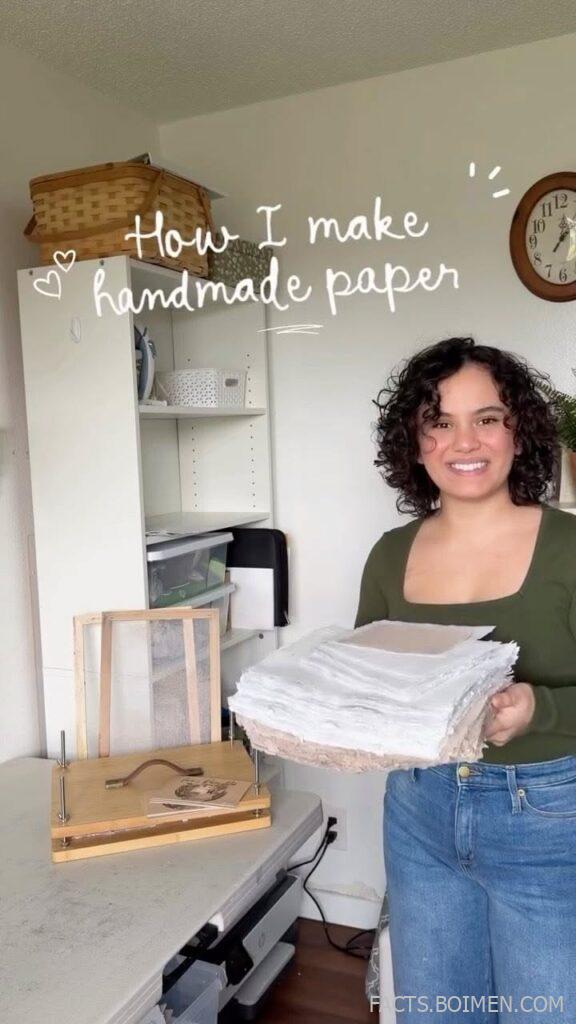
There’s something magical about turning scraps of fiber into a sheet of paper you made yourself. Whether you’re a seasoned papermaker or just getting started, having the right tools makes all the difference. Below are 15 essential handmade paper making tools and resources that will help you create beautiful, unique sheets at home. From blenders to moulds to drying racks, each item is chosen for its practicality and quality. Let’s dive in and get your hands wet!
Table of Contents(Click to Toggle)
- Why Handmade Paper Deserves Your Attention
- 15 Handmade Paper Making Tools You Need
- 1. Arnold Grummer’s Papermill Complete Kit
- 2. Blender
- 3. Mould and Deckle
- 4. Vat
- 5. Felts
- 6. Sponge
- 7. Couching Cloth
- 8. Press
- 9. Drying Rack
- 10. Sizing Agent
- 11. Natural Dyes
- 12. Embedding Materials
- 13. Mold and Deckle Alternatives
- 14. Paper Making Books
- 15. Online Paper Making Communities
- Bonus Mentions
- The Internet’s Best-Kept Secrets (So Far)
Why Handmade Paper Deserves Your Attention
Handmade paper is more than a craft—it’s a way to reconnect with a tactile, sustainable art form that has been practiced for centuries. Unlike mass-produced paper, each sheet you create carries your personal touch, from the choice of fibers to the final texture. It’s perfect for stationery, art journals, greeting cards, and even bookbinding. Plus, making your own paper reduces waste by repurposing old newspapers, junk mail, and plant fibers. The process is meditative and rewarding, and the tools you need are surprisingly accessible. Whether you’re looking to start a new hobby or elevate your existing paper crafts, these 15 tools and resources will set you up for success.
15 Handmade Paper Making Tools You Need
1. Arnold Grummer’s Papermill Complete Kit : All-in-one kit for beginners
What it is: A comprehensive kit that includes a blender, mould and deckle, couching cloths, and instructions.
Category: Starter Kit
Why it stands out: This kit is designed by a renowned papermaking expert and provides everything you need to make paper from recycled materials. The included materials are high quality, and the instructions are clear and beginner-friendly. It’s a great value, saving you the hassle of sourcing individual components.
Best for: Beginners who want to try papermaking without a big investment.
2. Blender : Essential for pulping fibers
What it is: A standard kitchen blender used to turn paper scraps or plant fibers into pulp.
Category: Pulping Tool
Why it stands out: A high-powered blender like a Vitamix can handle tough fibers and create a smooth pulp quickly. However, it’s important to dedicate a separate blender for papermaking, as fibers can dull blades over time. Look for a model with a sturdy base and multiple speed settings.
Best for: Crafters who want efficient pulping and are okay with a dedicated appliance.
3. Mould and Deckle : The heart of sheet forming
What it is: A pair of frames—one with a screen (mould) and one without (deckle)—used to scoop pulp and form sheets.
Category: Sheet Forming
Why it stands out: The size and mesh of the mould determine the dimensions and texture of your paper. Dick Blick offers a variety of sizes, from small 5×7 inch to large 8.5×11 inch, and both wood and aluminum frames. A good mould and deckle is durable and easy to handle.
Best for: All papermakers, from hobbyists to professionals.
4. Vat : For holding pulp and water
What it is: A large, shallow container where you mix pulp and water and dip your mould.
Category: Pulp Container
Why it stands out: A sturdy plastic tub like those from The Container Store is inexpensive and easy to clean. Choose a vat that is at least 2 inches wider and longer than your mould, and deep enough to submerge it. A clear vat helps you see the pulp distribution.
Best for: Anyone setting up a papermaking station.
5. Felts : For couching and pressing
What it is: Absorbent wool or synthetic blankets placed between freshly formed sheets to remove water.
Category: Couching and Pressing
Why it stands out: Felts help wick away moisture and prevent sheets from sticking together. They come in various sizes and thicknesses; wool felts are traditional and highly absorbent, while synthetic felts are more affordable and dry faster. You’ll need at least two felts per sheet.
Best for: Papermakers who want clean, flat sheets.
6. Sponge : For pressing and blotting
What it is: A large, dense sponge used to press water out of the paper after couching.
Category: Water Removal
Why it stands out: A high-quality cellulose sponge from Home Depot is durable and absorbs a lot of water. It’s used to gently press on the felt to remove excess moisture before flipping the sheet. Avoid sponges with abrasive scrubbers.
Best for: Beginners and anyone without a press.
7. Couching Cloth : For transferring sheets
What it is: A smooth, absorbent cloth (like felt or interfacing) on which wet sheets are placed after forming.
Category: Sheet Transfer
Why it stands out: It provides a smooth surface that prevents the wet paper from tearing when you transfer it from the mould. Dick Blick offers couching cloths in various sizes; they are reusable and machine washable.
Best for: Ensuring smooth transfer of delicate sheets.
8. Press : For flattening and drying
What it is: A device that applies pressure to a stack of felts and paper to squeeze out water and flatten sheets.
Category: Pressing
Why it stands out: A press speeds up drying and gives paper a professional, smooth finish. Dick Blick carries both hand-screw and hydraulic presses. For small batches, a simple hand-screw press is sufficient and affordable.
Best for: Papermakers who want consistent, flat results.
9. Drying Rack : For air-drying sheets
What it is: A rack with multiple shelves or a clothesline for drying paper without warping.
Category: Drying
Why it stands out: A stackable drying rack from Amazon allows you to dry many sheets at once in a small space. Look for one with mesh shelves to allow air circulation. Alternatively, you can use a clothesline and clothespins in a well-ventilated area.
Best for: Those who make paper in batches.
10. Sizing Agent : For reducing ink absorption
What it is: A liquid added to pulp or applied to finished sheets to make paper less absorbent.
Category: Surface Treatment
Why it stands out: Without sizing, handmade paper acts like a blotter and is unsuitable for writing or printing. Dick Blick offers both internal and external sizing agents. Internal sizing is added to the pulp, while external sizing is brushed on after drying.
Best for: Papermakers who want to use their paper for calligraphy or printing.
11. Natural Dyes : For coloring pulp
What it is: Pigments or dyes that can be added to pulp to create colored paper.
Category: Coloring
Why it stands out: Natural dyes like indigo, madder root, and cochineal give beautiful, earthy tones. Dick Blick carries a range of dyes specifically for papermaking. You can also experiment with food coloring or acrylic paint, but natural dyes are more lightfast.
Best for: Artists who want unique, vibrant colors.
12. Embedding Materials : For adding texture and interest
What it is: Items like flower petals, leaves, threads, or glitter that are embedded into the paper while wet.
Category: Decoration
Why it stands out: Embedding materials can turn a simple sheet into a work of art. Amazon offers a wide variety of dried flowers and botanical elements perfect for papermaking. Just sprinkle them onto the wet sheet before pressing.
Best for: Crafters making decorative paper for cards and journals.
13. Mold and Deckle Alternatives : DIY options for budget crafters
What it is: Homemade versions using picture frames, window screens, and embroidery hoops.
Category: DIY
Why it stands out: Arnold Grummer’s website offers tutorials on making your own mould and deckle from inexpensive materials. This is a great way to start without investing in professional equipment. However, DIY versions may not be as durable or produce as consistent results.
Best for: Budget-conscious beginners or those who enjoy DIY.
14. Paper Making Books : For in-depth learning
What it is: Instructional books that cover techniques, recipes, and projects.
Category: Education
Why it stands out: Dick Blick carries titles like The Papermaker’s Companion by Helen Hiebert, which is a comprehensive guide for all levels. Books provide structured learning and inspiration that videos sometimes lack. They also make great references for troubleshooting.
Best for: Those who want to deepen their knowledge and skills.
15. Online Paper Making Communities : For support and inspiration
What it is: Forums and social media groups where papermakers share tips, ask questions, and showcase their work.
Category: Community
Why it stands out: The r/papermaking subreddit is an active community with over 10k members. It’s a friendly place to get advice, participate in challenges, and see what others are creating. You can also find groups on Facebook and Instagram.
Best for: All papermakers seeking connection and inspiration.
Bonus Mentions
These extra tools and resources are worth checking out as you advance in your papermaking journey.
Retting Bin : For processing plant fibers
What it is: A container for soaking plant materials like flax or hemp to soften them for pulping.
Category: Fiber Processing
Why it stands out: A simple plastic bin from Dick Blick works well for retting. It allows you to break down tough fibers naturally over time, expanding your papermaking possibilities beyond recycled paper.
Best for: Advanced papermakers interested in using raw plant fibers.
Hydraulic Press : For professional results
What it is: A heavy-duty press that applies high pressure to remove more water and create very smooth paper.
Category: Pressing
Why it stands out: While a hand-screw press is sufficient for most, a hydraulic press from Amazon can handle large batches and produce paper with a professional finish. It’s an investment but worth it for serious papermakers.
Best for: Production papermakers or those selling their paper.
Pulp Painting Supplies : For creating images with pulp
What it is: Squeeze bottles, fine-tip applicators, and colored pulp for painting on wet sheets.
Category: Decoration
Why it stands out: Pulp painting allows you to create detailed designs directly on the paper. Dick Blick offers a range of tools for this technique. It’s a fun way to add a personal touch to your handmade paper.
Best for: Artists who want to incorporate imagery into their paper.
Moisture Meter : For monitoring drying
What it is: A device that measures the moisture content of your paper to prevent mold.
Category: Quality Control
Why it stands out: Especially useful if you live in a humid climate, a moisture meter from Amazon helps you know when your paper is fully dry. It’s a small investment that can save your work from mildew.
Best for: Papermakers in humid environments or those storing paper long-term.
Bookbinding Tools : For turning paper into books
What it is: Awls, needles, thread, and bone folders for binding your handmade paper into journals or books.
Category: Bookbinding
Why it stands out: Once you’ve made your paper, why not bind it into a book? Dick Blick offers a variety of bookbinding supplies. It’s a natural next step for papermakers who love to write or sketch.
Best for: Crafters who want to create finished journals or sketchbooks.
The Internet’s Best-Kept Secrets (So Far)
Handmade paper making is a fulfilling craft that connects you to tradition, sustainability, and your own creativity. With these 15 tools and resources, you’re well-equipped to start or enhance your papermaking journey. Remember, the best setup is one that fits your space, budget, and goals—so don’t feel pressured to buy everything at once. Start with a basic kit or DIY alternatives, and expand as you grow. The joy of pulling your first sheet of paper from the vat is unmatched. So gather your materials, roll up your sleeves, and get ready to make something beautiful. Happy papermaking!
What’s your favorite handmade paper making tool or tip? Share in the comments below—we’d love to hear from you!