If you have ever typed “dyslexia check” into a search bar at midnight, you already know the problem: most results are clinics, paid assessments, or vague listicles that tell you nothing you can actually try. The internet is hiding a quieter layer of free, genuinely useful dyslexia screeners, reading-level estimators, and accessibility tools that most people never find because they are not optimized for ads. This list collects 18 of them, starting with the one that sparked the whole search, plus a handful of bonus mentions for anyone who wants to go further. None of these replace a formal evaluation by a qualified professional, but they can give you real, concrete information in minutes instead of months.
Table of Contents(Click to Toggle)
- Why Free Dyslexia Check Tools Are Worth Knowing About
- The 18 Best Free Dyslexia Check Tools and Reading Screeners
- 1. LEST
- 2. Dyslexia Screening Test App
- 3. Lexercise Free Dyslexia Test
- 4. Nessy Free Dyslexia Test
- 5. Reading Rockets Screening Tools
- 6. Understood.org Reading Challenges Guide
- 7. OpenDyslexic Font
- 8. BeeLine Reader
- 9. Speechify
- 10. Microsoft Immersive Reader
- 11. Google Read Along
- 12. NaturalReader
- 13. Learning Ally
- 14. Bookshare
- 15. Tar Heel Reader
- 16. Reading Eggs Placement Test
- 17. Lexile Find a Book
- 18. Dyslexia Help at University of Michigan
- Bonus Mentions
- The Quiet Corner of the Internet That Actually Helps
Why Free Dyslexia Check Tools Are Worth Knowing About
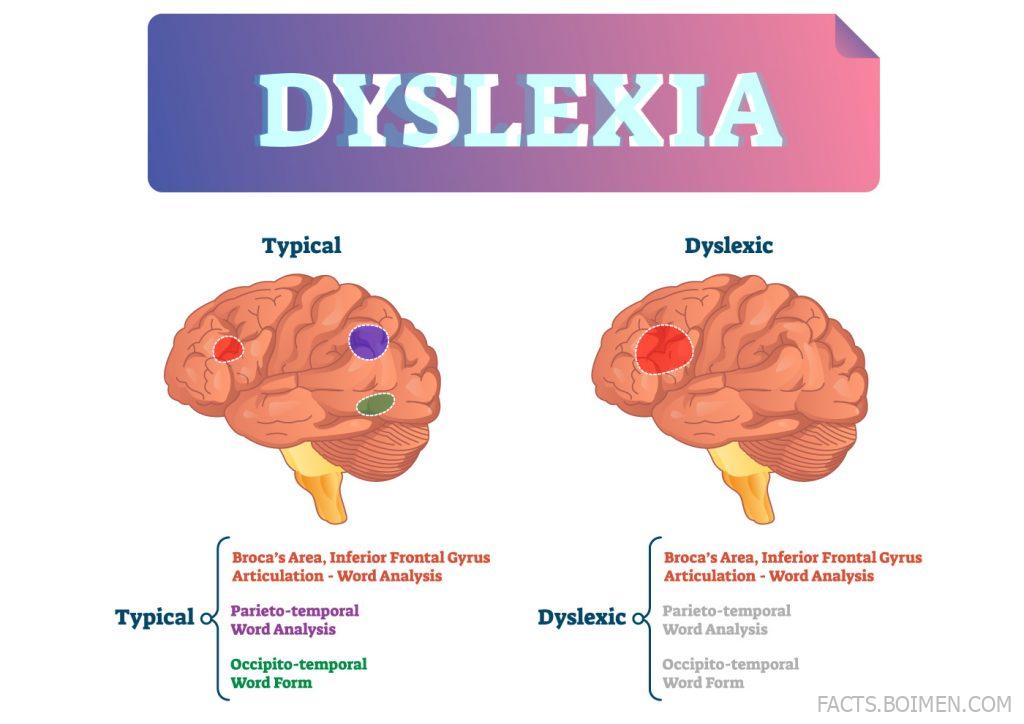
Roughly one in ten people shows some sign of dyslexia, yet formal assessments can cost hundreds of dollars and sit on waiting lists for months. That gap is exactly where free online screeners and reading tools live. They are not diagnostic, but they can do three useful things: flag patterns worth investigating, give you vocabulary to describe what you are seeing, and offer immediate reading support while you wait for a professional opinion. The tools below are the ones that keep showing up in specialist forums, teacher subreddits, and accessibility communities because they are free, fast, and honest about their limits. Many of them are also genuinely fun to poke around, which matters if you are trying to get a reluctant reader to engage.
The 18 Best Free Dyslexia Check Tools and Reading Screeners
1. LEST : A quick, no-signup dyslexia check you can run in minutes
What it is: LEST is a lightweight online dyslexia check designed to be fast and low-pressure, the kind of thing you can open in a browser tab and finish before your coffee gets cold.
Category: Dyslexia screening / self-check tool
Why it stands out:
- It focuses on a short, approachable check rather than a long questionnaire
- No clinical jargon or intimidating medical framing
- Works well as a first step before deciding whether to pursue a formal assessment
Best for: Anyone who wants a quick, casual starting point after searching “dyslexia check” and does not want to hand over an email address first.
2. Dyslexia Screening Test App : A structured digital screening you can do at home
What it is: A web-based screening tool that walks through reading, spelling, and phonological tasks in a guided sequence.
Category: Structured screening
Why it stands out:
- Breaks the process into clear sections so you always know what is coming next
- Produces a summary you can bring to a teacher or specialist conversation
- Designed for home use, not just classrooms
Best for: Parents who want something more organized than a single quiz before booking a professional evaluation.
3. Lexercise Free Dyslexia Test : A clinician-built screener with a clear results page
What it is: Lexercise offers a free online dyslexia test built by speech-language professionals, covering reading and spelling patterns.
Category: Professional-grade screener
Why it stands out:
- Questions are grounded in actual literacy research rather than pop psychology
- Results page explains what each score area means in plain language
- Pairs naturally with their paid tutoring if you decide to go further
Best for: Families who want a screener with a credible clinical background but no upfront cost.
4. Nessy Free Dyslexia Test : A kid-friendly check that feels more like a game
What it is: Nessy’s free dyslexia test is aimed at children, with colorful visuals and short tasks that keep attention.
Category: Child-focused screening
Why it stands out:
- Tone is encouraging rather than clinical, which reduces anxiety for young readers
- Tasks are short enough to finish in one sitting
- Comes from a company that also builds structured literacy programs
Best for: Parents of primary-school-age kids who shut down when something feels like a test.
5. Reading Rockets Screening Tools : Free checklists and guides for spotting early signs
What it is: Reading Rockets hosts a library of screening checklists, milestone guides, and articles about reading development.
Category: Educational resource library
Why it stands out:
- Materials are organized by age, so you can find the right checklist quickly
- Written for parents and teachers, not researchers
- Free PDFs you can print and bring to a school meeting
Best for: Anyone who wants to understand what typical reading development looks like before flagging anything.
6. Understood.org Reading Challenges Guide : Plain-language explainers for reading differences
What it is: Understood is a nonprofit with deep, readable guides on dyslexia, ADHD, and related learning differences.
Category: Information and advocacy
Why it stands out:
- Articles translate jargon into everyday language
- Includes scripts for talking to schools and requesting evaluations
- Regularly updated with new research summaries
Best for: People who have just started researching and need orientation before choosing a screener.
7. OpenDyslexic Font : A free typeface designed to reduce letter confusion
What it is: An open-source font with weighted letter bottoms intended to make text easier to track for some readers.
Category: Accessibility font
Why it stands out:
- Free to download and use anywhere, including in browsers and documents
- Letters have unique shapes that reduce mirror-image flipping
- Works as a simple experiment: try it for a week and see if reading feels different
Best for: Readers who lose their place or confuse b/d/p/q and want a zero-cost thing to try today.
8. BeeLine Reader : Color gradients that guide your eyes across lines
What it is: BeeLine Reader adds a subtle color gradient to text so your eyes follow each line to the end.
Category: Reading aid
Why it stands out:
- Available as a browser extension and in some library apps
- Helps with line-skipping, a common complaint among struggling readers
- Works on real websites, not just special reading apps
Best for: Anyone who rereads the same line three times before it sticks.
9. Speechify : Turns any text into natural-sounding audio
What it is: A text-to-speech app that reads articles, PDFs, and emails aloud in a range of voices.
Category: Text-to-speech
Why it stands out:
- Voices sound noticeably less robotic than older screen readers
- Can scan physical pages with your phone camera and read them back
- Free tier is usable for casual reading
Best for: Students who comprehend far better by listening than by decoding.
10. Microsoft Immersive Reader : Built-in reading support inside Office and Edge
What it is: A free reading mode inside Microsoft Edge, Word, and OneNote that reads text aloud and adjusts spacing.
Category: Built-in accessibility
Why it stands out:
- No extra install if you already use Edge or Word
- Line focus, syllable splitting, and picture dictionary in one panel
- Genuinely one of the least-known free features in mainstream software
Best for: Anyone who wants reading help without adding another app to their life.
11. Google Read Along : A friendly reading coach with instant feedback
What it is: A free Google tool where a virtual reading buddy listens to a child read and offers gentle correction.
Category: Early literacy practice
Why it stands out:
- Uses speech recognition to highlight words as they are read
- Works offline once stories are downloaded
- No account required for basic use
Best for: Kids who need low-stakes daily reading practice without a parent hovering.
12. NaturalReader : Paste text, get audio, no fuss
What it is: A straightforward text-to-speech tool with a clean web interface and desktop app.
Category: Text-to-speech
Why it stands out:
- Handles pasted text, documents, and web pages
- Free tier covers most everyday reading needs
- Interface is simple enough for a first-time user
Best for: Adults who want a no-nonsense way to listen to long documents.
13. Learning Ally : Human-narrated audiobooks for struggling readers
What it is: A nonprofit audiobook library with human-read titles aligned to school curricula.
Category: Audiobook library
Why it stands out:
- Narrators are real people, which many readers prefer over synthetic voices
- Collection includes textbooks, not just novels
- Often available through school or library memberships
Best for: Students who need to keep up with class reading without decoding every word.
14. Bookshare : A massive accessible book library for qualifying readers
What it is: A free accessible online library for people with reading barriers, including dyslexia.
Category: Accessible library
Why it stands out:
- Hundreds of thousands of titles in audio, braille, and large-print formats
- Free for qualifying US students
- Works with common reading apps and devices
Best for: Readers who qualify and want a deep, permanent library rather than a one-off tool.
15. Tar Heel Reader : Free, simple books for older struggling readers
What it is: A collection of easy-to-read, age-respectful books created by teachers and volunteers.
Category: Accessible reading library
Why it stands out:
- Books are written for older readers who need simpler text, not babyish content
- Free and open to everyone
- Speech support and switch access built in
Best for: Teens and adults who want reading practice without feeling talked down to.
16. Reading Eggs Placement Test : A quick level check inside a popular learning app
What it is: Reading Eggs includes a placement test that estimates where a child should start in its lesson sequence.
Category: Reading level placement
Why it stands out:
- Gives a practical starting point rather than a diagnostic label
- Lessons that follow are game-like and self-paced
- Free trial lets you see the placement before committing
Best for: Parents who want a level estimate plus ready-made practice in one place.
17. Lexile Find a Book : Match reading ability to books that fit
What it is: A free search tool that matches a Lexile measure to books at the right difficulty level.
Category: Book matching
Why it stands out:
- Helps avoid the frustration of books that are too hard or too easy
- Searchable by interest as well as level
- Works even if you only have a rough sense of reading ability
Best for: Anyone building a reading list that will actually get finished.
18. Dyslexia Help at University of Michigan : A calm, research-backed resource hub
What it is: A university-run site with articles, success stories, and practical guidance on dyslexia.
Category: Educational reference
Why it stands out:
- Content is reviewed by academic specialists
- Includes sections for parents, teachers, and adults
- Free and ad-light, which is rare in this space
Best for: People who want trustworthy background reading without sales pressure.
Bonus Mentions
LD Online : A long-running reference site for learning differences
What it is: One of the oldest continuously updated learning-disability resources on the web, with articles for parents and teachers.
Category: Reference
Why it stands out:
- Deep archive of practical, non-commercial articles
- Good for understanding terminology you will hear at school meetings
Best for: Background reading when you want context, not a quiz.
International Dyslexia Association : The professional body behind much of the research
What it is: A nonprofit that publishes fact sheets, standards, and research summaries on dyslexia.
Category: Advocacy and research
Why it stands out:
- Fact sheets are free and frequently cited by schools
- Explains what structured literacy actually means
Best for: Anyone who wants to check a claim against a credible source.
Texthelp Read&Write : A toolbar used widely in schools
What it is: A reading and writing support toolbar with text-to-speech, word prediction, and highlighting.
Category: Assistive toolbar
Why it stands out:
- Common in school districts, so students may already have access
- Works across browsers and documents
Best for: Students whose school provides it and who want to actually use it.
AudioEye : Accessibility overlays that make sites easier to read
What it is: A web accessibility platform whose toolbar can adjust contrast, spacing, and reading aids on partner sites.
Category: Web accessibility
Why it stands out:
- Shows up quietly on many websites you already visit
- Lets you tweak a page without installing anything
Best for: Readers who want small, on-the-fly adjustments while browsing.
Khan Academy Kids : Free early literacy practice with no ads
What it is: A free app with reading, phonics, and early math activities for young children.
Category: Early learning
Why it stands out:
- Completely free with no advertising
- Designed with child-development specialists
Best for: Families who want daily practice without a subscription.
The Quiet Corner of the Internet That Actually Helps
None of these tools can diagnose dyslexia, and none of them should replace a proper evaluation by a qualified professional. What they can do is shrink the gap between noticing something and understanding it. A quick check on a site like LEST takes minutes. A font swap or a text-to-speech extension takes seconds. Those small experiments often tell you more than another hour of anxious searching. If you have been putting off looking into this, pick one item from this list, try it today, and see what you notice. The tools are free, the stakes are low, and the information is genuinely useful.
What is the most unexpectedly helpful reading or accessibility tool you have stumbled across? Share it in the comments so the next person searching at midnight finds something better.