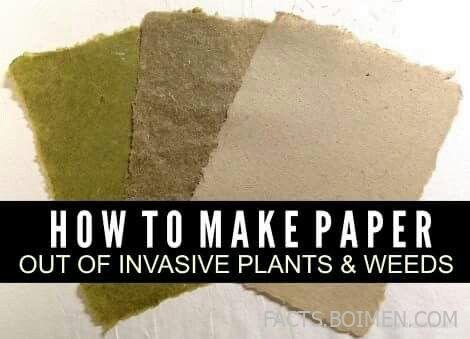
Every year, millions of acres of invasive plants and noxious weeds are pulled, mowed, and burned to protect native ecosystems. Most of that green waste ends up in burn piles or compost heaps. But a small, growing community of papermakers has discovered something remarkable: many of the most aggressive invasive plants contain exactly the kind of long, strong cellulose fibers that high-quality paper needs. Garlic mustard, Japanese knotweed, kudzu, cattail, and even dandelion stems can be turned into handmade sheets that are beautiful, durable, and completely free of commercial pulp. This guide gathers 15 real tools, tutorials, and resources that will help you go from pulling weeds to pressing your own paper.
Table of Contents(Click to Toggle)
- Why Invasive Plants Are Perfect for Papermaking
- 15 Tools and Resources for Making Paper From Weeds
- 1. Arnold Grummer’s Papermill
- 2. Carriage House Paper
- 3. Hollander Beater Suppliers (Lee McDonald)
- 4. Helen Hiebert Studio
- 5. The Papermaker’s Companion
- 6. Botanical PaperWorks
- 7. Etsy Handmade Paper Supplies
- 8. Reddit r/papermaking
- 9. iNaturalist
- 10. USDA PLANTS Database
- 11. Instructables Papermaking Section
- 12. YouTube Papermaking Channels
- 13. Wikipedia Papermaking Entry
- 14. Local Extension Offices
- 15. Nextdoor and Buy Nothing Groups
- Bonus Mentions
- Turning Weeds Into Paper: A Quiet Revolution
Why Invasive Plants Are Perfect for Papermaking
Invasive plants evolved to grow fast, spread aggressively, and build tough structural fibers that resist being broken down. That toughness is exactly what papermakers want. Japanese knotweed, for example, has hollow stems packed with long bast fibers that produce crisp, translucent sheets. Kudzu vines yield strong, flexible pulp. Cattail leaves and stems are rich in cellulose and have been used in papermaking for centuries. Garlic mustard, one of the most hated woodland invaders in North America, produces surprisingly smooth, cream-colored paper when cooked and beaten properly.
Using invasives for paper also solves a real environmental problem. Pulling these plants is labor-intensive but necessary, and the harvested biomass usually has no commercial value. Turning it into paper gives volunteers, land managers, and hobbyists a tangible reward for their work. It also avoids the energy and chemicals used in commercial pulp production. The tools below range from beginner kits to professional beaters, from identification apps to community forums, and every one of them will help you turn a nuisance plant into a usable sheet.
15 Tools and Resources for Making Paper From Weeds
1. Arnold Grummer’s Papermill : The classic beginner kit for turning plant fibers into paper
What it is: A complete papermaking kit that includes a mould and deckle, couching sheets, a sponge, and a small blender jar designed for fiber preparation.
Category: Beginner papermaking kit
Why it stands out:
- Designed specifically for home papermakers who want to use garden and yard waste.
- The included instructions cover cooking, blending, and pressing fibers from plants like cattail and dandelion.
- Affordable enough to experiment without committing to professional equipment.
Best for: First-time papermakers who have pulled a bucket of weeds and want to see if they can make a sheet the same afternoon.
2. Carriage House Paper : A supplier of specialty fibers, moulds, and papermaking tools
What it is: A long-running papermaking supply company that sells both traditional and alternative fibers, along with moulds, deckles, and beating equipment.
Category: Papermaking supplies
Why it stands out:
- Carries abaca, cotton, and other fibers you can blend with invasive plant pulp to improve strength.
- Sells professional-grade moulds and deckles in multiple sizes, which matters when you want larger sheets.
- Their fiber reference pages explain how different plant materials behave during beating.
Best for: Makers who already have raw invasive plant fiber and need the right screen, felt, or additive to turn it into consistent paper.
3. Hollander Beater Suppliers (Lee McDonald) : Where to find the machine that turns tough stems into smooth pulp
What it is: Lee McDonald is a well-known maker and supplier of Hollander beaters, the machines that circulate and break down plant fibers into paper pulp.
Category: Professional equipment
Why it stands out:
- A Hollander beater can process stems and leaves that a kitchen blender simply cannot handle.
- These machines let you control fiber length, which directly affects the strength and texture of your paper.
- They are a serious investment, but they last for decades and open up dozens of plant species.
Best for: Dedicated papermakers who want to work with woody invasives like Japanese knotweed or kudzu on a regular basis.
4. Helen Hiebert Studio : Online classes and resources from a leading paper artist
What it is: The studio of Helen Hiebert, a respected paper artist, author, and teacher who offers online courses, a podcast, and detailed tutorials.
Category: Education and online courses
Why it stands out:
- Her courses cover the full process from harvesting plants to drying finished sheets.
- She frequently works with garden and invasive plant fibers, so the techniques translate directly.
- The podcast interviews other papermakers who share specific plant recipes and troubleshooting tips.
Best for: Learners who want structured, high-quality instruction rather than piecing together scattered blog posts.
5. The Papermaker’s Companion : A definitive book on making paper from plants
What it is: A comprehensive book by Helen Hiebert that covers every stage of handmade paper production, including working with unusual plant fibers.
Category: Book and reference guide
Why it stands out:
- Includes specific guidance on cooking, rinsing, and beating different types of plant material.
- Explains how to test a new plant to see whether its fibers are suitable for paper.
- Written in a clear, encouraging style that works for absolute beginners and experienced makers alike.
Best for: Anyone who prefers a single, thorough reference they can keep next to their vat while experimenting with invasive plants.
6. Botanical PaperWorks : Seed paper and plantable paper inspiration
What it is: A company specializing in seed paper and plantable paper products, with resources on embedding seeds into handmade sheets.
Category: Specialty paper and inspiration
Why it stands out:
- Shows how to combine invasive plant pulp with native wildflower seeds to create paper that grows when planted.
- Their process pages explain how to keep seeds viable through the papermaking steps.
- Great source of project ideas for turning weed paper into gifts, cards, and favors.
Best for: Makers who want their invasive plant paper to do double duty as a restoration project.
7. Etsy Handmade Paper Supplies : Small-batch moulds, felts, and botanicals from independent sellers
What it is: A marketplace where independent makers sell handmade moulds, deckles, felts, pulp, and dried botanicals for papermaking.
Category: Marketplace
Why it stands out:
- You can find custom-sized moulds that are hard to source from large suppliers.
- Many sellers offer starter bundles that include everything needed for a first batch.
- Reading seller notes often reveals practical tips for working with difficult fibers.
Best for: Budget-conscious beginners who want to assemble a kit piece by piece or find unusual inclusions.
8. Reddit r/papermaking : A friendly community for troubleshooting fiber problems
What it is: An active subreddit where papermakers share photos, ask questions, and compare notes on fiber preparation.
Category: Online community
Why it stands out:
- Members regularly post about making paper from invasive plants like garlic mustard and kudzu.
- You can search old threads for specific plant names and find detailed answers.
- Critique threads help you diagnose why a sheet turned out brittle, cloudy, or uneven.
Best for: Makers who hit a snag and need real-world advice from people who have already made the same mistakes.
9. iNaturalist : Identify invasive plants before you harvest them
What it is: A citizen-science platform where you can upload photos of plants and get help identifying them from a global community.
Category: Plant identification
Why it stands out:
- Correct identification is essential because some lookalike plants are toxic or protected.
- You can filter observations to see which invasive species are common in your area.
- Local experts often comment on whether a plant is safe to handle and harvest.
Best for: Foragers who want to be certain they are pulling the right plant before turning it into pulp.
10. USDA PLANTS Database : Official information on invasive species and their ranges
What it is: A comprehensive federal database of plants in the United States, including detailed profiles of invasive and noxious species.
Category: Research and reference
Why it stands out:
- Each profile includes native status, distribution maps, and characteristics that help with identification.
- You can check whether harvesting a particular species is allowed or discouraged in your state.
- The database links to control recommendations, which is useful if you want to combine papermaking with land management.
Best for: Responsible harvesters who want to confirm a plant is genuinely invasive and legal to remove.
11. Instructables Papermaking Section : Step-by-step projects from the maker community
What it is: A large collection of user-submitted papermaking tutorials, including many that use garden waste and wild plants.
Category: Tutorials
Why it stands out:
- Projects are illustrated with photos at every stage, which makes the process easy to follow.
- You can find low-tech methods that use blenders, screens, and household materials.
- Comment sections often contain useful modifications and warnings from other makers.
Best for: Visual learners who want a free, project-based introduction before buying equipment.
12. YouTube Papermaking Channels : Watch the entire process from harvest to finished sheet
What it is: A broad collection of video tutorials covering every aspect of handmade paper, including working with plant fibers.
Category: Video learning
Why it stands out:
- Seeing the pulp consistency and sheet-pulling motion is far easier than reading about it.
- Many creators document experiments with specific invasive plants and share honest results.
- You can find videos on building your own mould and deckle from inexpensive materials.
Best for: Anyone who learns best by watching a process before trying it themselves.
13. Wikipedia Papermaking Entry : The technical background on fibers and sheet formation
What it is: A detailed encyclopedia article covering the history, chemistry, and industrial processes of papermaking.
Category: Reference
Why it stands out:
- Explains why cellulose fibers bond together, which helps you understand what makes a good paper plant.
- Covers the difference between bast fibers, leaf fibers, and seed fibers.
- Free and constantly updated, with citations you can follow for deeper research.
Best for: Curious makers who want to understand the science behind why their weeds work as paper fiber.
14. Local Extension Offices : Free guidance on invasive plant removal and disposal
What it is: Cooperative Extension offices run by land-grant universities that provide local advice on invasive species management.
Category: Local resources
Why it stands out:
- Staff can tell you which invasives are most problematic in your county and when to harvest them.
- They often know about volunteer removal events where you can collect plant material for free.
- Some offices offer workshops on topics like fiber arts and sustainable land management.
Best for: Makers who want to source plant material responsibly and connect with local conservation efforts.
15. Nextdoor and Buy Nothing Groups : Free invasive plant material from your neighbors
What it is: Neighborhood social networks where people offer and request free items, including yard waste and unwanted plants.
Category: Community sourcing
Why it stands out:
- Neighbors who are pulling invasive plants are often happy to have someone haul them away.
- You can post a request specifying which plants you are looking for and why.
- It builds local connections and reduces the amount of green waste sent to landfills.
Best for: Papermakers who want a steady supply of fresh plant material without owning land or pulling weeds themselves.
Bonus Mentions
Facebook Papermaking Groups : Active communities for sharing recipes and results
Several large Facebook groups are dedicated to handmade paper, and members frequently discuss invasive plant fibers, share photos of their sheets, and answer questions from newcomers. They are especially useful for getting quick feedback on a batch that did not turn out as expected.
BookFinder : Find used copies of classic papermaking books
Many out-of-print papermaking books contain detailed plant fiber recipes that are hard to find online. BookFinder searches used bookstores worldwide, making it easy to track down titles like Plant Fibers for Papermaking without paying collector prices.
Hand Papermaking Magazine : A publication devoted to the craft
This independent magazine covers contemporary and traditional papermaking, including articles on using agricultural and invasive plant waste. Back issues and their newsletter are valuable for anyone who wants to go deeper into fiber preparation and studio practice.
Etsy Invasive Plant Paper Listings : See what other makers are selling
Searching Etsy for handmade paper made from invasive plants reveals a small but growing market. Studying these listings can inspire your own projects and show you how makers describe and price specialty sheets.
National Park Service Invasive Species Pages : Learn which plants are targeted for removal
The National Park Service publishes information on invasive species management in parks across the country. These pages explain which plants are priorities for removal and why, giving papermakers a sense of which species are most abundant and available for responsible harvesting.
Turning Weeds Into Paper: A Quiet Revolution
Handmade paper from invasive plants sits at a rare intersection: it is a craft, a conservation tool, and a small act of defiance against the idea that unwanted plants have no value. The resources above range from a simple starter kit to professional beaters, from identification apps to community groups, and each one removes a barrier between a pile of pulled weeds and a finished sheet of paper.
The best part is that you do not need much to begin. A blender, a screen, a bucket, and a patch of garlic mustard are enough for a first experiment. As you get more comfortable, you can add better tools, try tougher fibers, and refine your process. Every sheet you make keeps a little less green waste in a burn pile and a little more curiosity in your studio.
Have you ever made paper from a plant you pulled out of your own yard? Share your favorite fiber or your best beginner tip in the comments below.