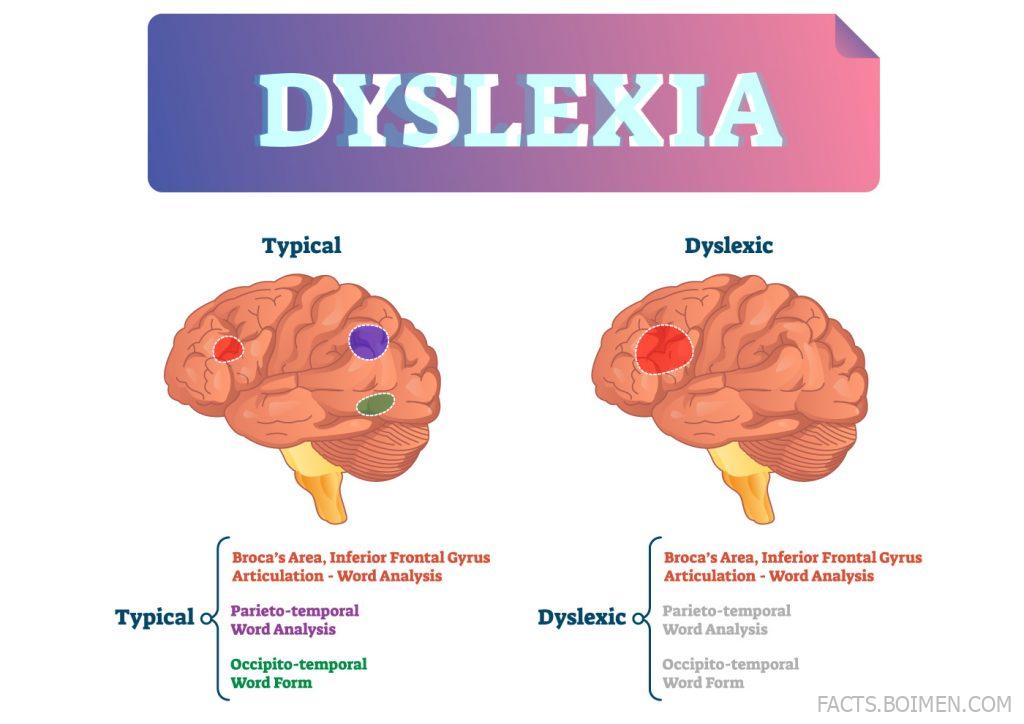

If you have ever watched someone with dyslexia get teased for mixing up letters, you already know the jokes are not funny. What actually helps is practical, patient support: tools that read text aloud, fonts designed to reduce letter swapping, and communities where nobody treats a reading difference as a punchline. This list gathers twenty genuinely useful dyslexia-friendly websites and tools, from free browser extensions to structured literacy programs, plus a few bonus finds at the end. Each entry explains what it is, who it suits, and one real limitation worth knowing before you commit.
Table of Contents(Click to Toggle)
- Why Dyslexia-Friendly Tools Matter More Than Ever
- 20 Dyslexia-Friendly Tools and Resources
- 1. Beeline Reader
- 2. Microsoft Immersive Reader
- 3. OpenDyslexic
- 4. Learning Ally
- 5. Bookshare
- 6. Speechify
- 7. NaturalReader
- 8. Understood.org
- 9. International Dyslexia Association
- 10. Nessy
- 11. Lexia
- 12. Reading Rockets
- 13. Dyslexia Fonts by Fonts4Teachers
- 14. Helperbird
- 15. Ghotit
- 16. Grammarly
- 17. Voice Dream Reader
- 18. Project Gutenberg
- 19. LibriVox
- 20. Dyslexia subreddit community
- Bonus Mentions
- The Best-Kept Secrets for Dyslexic Readers
Why Dyslexia-Friendly Tools Matter More Than Ever
Dyslexia affects roughly one in ten people, yet the everyday internet is still built for fluent, fast readers: dense paragraphs, tiny fonts, and text-heavy interfaces. That mismatch turns ordinary tasks like reading a recipe, filling out a form, or finishing homework into exhausting work. The tools below close that gap. Some change how text looks, some read it aloud, and some rebuild reading instruction from the ground up using structured, multisensory methods. None of them are cures, and none replace a qualified teacher or specialist, but each removes a specific friction point. If you are a parent, teacher, or adult learner, start with one or two tools, use them for a week, and keep what genuinely reduces fatigue.
20 Dyslexia-Friendly Tools and Resources
1. Beeline Reader : Gradient text colors that guide your eyes across each line
What it is: A reading aid that applies a color gradient to text, shifting from dark to light across each line so your eyes are pulled forward instead of jumping around.
Category: Reading accessibility extension
Why it stands out:
- Works inside browsers, PDFs, and some e-readers
- Reduces line-skipping and re-reading, a common dyslexic frustration
- Free for basic use, with paid options for schools
Best for: Students and adults who lose their place mid-paragraph.
2. Microsoft Immersive Reader : Free read-aloud and spacing controls built into familiar apps
What it is: A built-in reading tool inside Word, OneNote, Edge, and Teams that reads text aloud, breaks words into syllables, and adjusts spacing and line focus.
Category: Built-in accessibility suite
Why it stands out:
- No extra install if you already use Microsoft 365
- Picture dictionary and translation support for new vocabulary
- Line focus mode dims everything except the line you are reading
Best for: Classrooms and offices already standardized on Microsoft tools.
3. OpenDyslexic : A free font designed to reduce letter flipping
What it is: An open-source typeface with weighted letter bottoms that make each character more distinct, available for browsers, e-readers, and documents.
Category: Accessibility font
Why it stands out:
- Completely free and open source
- Widely supported in Kindle, Kobo, and browser extensions
- Helps some readers with b/d and p/q confusion
Best for: Anyone who wants a quick, no-cost visual change; note that research on its effectiveness is mixed, so test it yourself.
4. Learning Ally : Human-narrated audiobooks for school reading lists
What it is: A membership library of human-read audiobooks matched to popular textbooks and literature titles, with tools that sync audio to highlighted text.
Category: Audiobook and literacy service
Why it stands out:
- Narrators are real people, which many listeners find easier to follow than synthetic voices
- Includes titles aligned to common curricula
- Offers educator dashboards for tracking progress
Best for: Students who need to keep up with assigned reading; membership fees apply.
5. Bookshare : Free accessible ebooks for qualifying readers
What it is: A nonprofit digital library offering hundreds of thousands of accessible-format books for people with documented reading disabilities.
Category: Accessible ebook library
Why it stands out:
- Free for U.S. students with qualifying documentation
- Works with screen readers, braille displays, and text-to-speech
- Huge catalog spanning textbooks, novels, and nonfiction
Best for: Families who can provide proof of a print disability; eligibility rules vary by country.
6. Speechify : Turn articles, PDFs, and emails into natural-sounding audio
What it is: A text-to-speech app that reads web pages, documents, and scanned images aloud at adjustable speeds.
Category: Text-to-speech app
Why it stands out:
- OCR handles photographed pages and PDFs
- Speed controls go well beyond normal listening rates
- Available on mobile, desktop, and as a browser extension
Best for: Commuters and busy adults who want to absorb reading by ear; the free tier is limited.
7. NaturalReader : A straightforward reader with a usable free tier
What it is: A text-to-speech tool that reads documents, ebooks, and web content with a choice of voices and speeds.
Category: Text-to-speech software
Why it stands out:
- Drag-and-drop file support for PDFs and Word docs
- Chrome extension reads pages in place
- Free plan covers everyday use without a subscription
Best for: Readers who want a simple, low-commitment starting point.
8. Understood.org : Plain-language guidance for families navigating learning differences
What it is: A nonprofit resource hub with articles, checklists, and expert answers about dyslexia, ADHD, and related learning needs.
Category: Information and advocacy
Why it stands out:
- Explains IEP and 504 processes in accessible language
- Practical scripts for parent-teacher conversations
- Content reviewed by specialists, not just writers
Best for: Parents who are new to the diagnosis and unsure what to ask for.
9. International Dyslexia Association : Research-backed information and provider directories
What it is: A long-running nonprofit that publishes fact sheets, standards, and a directory of certified professionals.
Category: Professional and research organization
Why it stands out:
- Defines what structured literacy actually means
- Directory helps you find credentialed tutors
- Fact sheets are free to download and share
Best for: Anyone who wants evidence-based answers rather than forum opinions.
10. Nessy : Multisensory reading and spelling games for younger learners
What it is: A structured literacy program that teaches phonics, spelling, and writing through short interactive games and videos.
Category: Structured literacy program
Why it stands out:
- Lessons are broken into short, manageable sessions
- Progress tracking for parents and teachers
- Built specifically around Orton-Gillingham principles
Best for: Children roughly ages 5 to 12; it is a paid subscription, not a free tool.
11. Lexia : Adaptive literacy software used in many schools
What it is: A blended learning platform that assesses reading skills and adapts practice to each student’s level.
Category: School literacy platform
Why it stands out:
- Automatic placement means students start at the right difficulty
- Reports flag specific skill gaps for teachers
- Covers phonemic awareness through comprehension
Best for: Schools and districts; individual access is usually arranged through a school license.
12. Reading Rockets : Free teaching strategies and book lists for struggling readers
What it is: A public media project offering research-based articles, classroom strategies, and author interviews.
Category: Educational resource library
Why it stands out:
- Strategies are written for teachers and parents alike
- Curated book lists by age and reading level
- Everything is free with no login required
Best for: Homeschooling families and tutors looking for ready-made activities.
13. Dyslexia Fonts by Fonts4Teachers : Classroom-ready fonts with letter-shape options
What it is: A collection of dyslexia-friendly fonts designed for worksheets, flashcards, and classroom materials.
Category: Typeface collection
Why it stands out:
- Variants that reduce mirroring and crowding
- Useful for creating your own practice sheets
- Licensed for educational use
Best for: Teachers who build their own printed materials; some fonts require purchase.
14. Helperbird : An accessibility toolbar that bundles many reading aids
What it is: A browser extension combining dyslexia fonts, text-to-speech, overlays, and reading rulers in one place.
Category: Accessibility extension
Why it stands out:
- One install replaces several separate tools
- Color overlays and ruler tools for visual tracking
- Works across most modern browsers
Best for: People who want an all-in-one toolbar; advanced features sit behind a subscription.
15. Ghotit : A spell checker built for dyslexic writing patterns
What it is: A writing assistant that predicts and corrects the kinds of phonetic spelling errors standard checkers miss.
Category: Writing support tool
Why it stands out:
- Handles errors that sound right but look wrong
- Offers word prediction alongside correction
- Integrates with common word processors
Best for: Adults and students who write confidently by ear but struggle with spelling; it is a paid tool.
16. Grammarly : Everyday grammar and clarity checks in your browser
What it is: A writing assistant that flags grammar, spelling, and clarity issues as you type across websites and apps.
Category: Writing assistant
Why it stands out:
- Works almost everywhere you type online
- Explanations help build editing skills over time
- Generous free tier for basic corrections
Best for: General writing confidence; it is not dyslexia-specific, so pair it with a tool like Ghotit.
17. Voice Dream Reader : A customizable mobile reader for text and documents
What it is: An iOS and Android app that reads ebooks, PDFs, and web articles aloud with fine control over voice, speed, and highlighting.
Category: Mobile reading app
Why it stands out:
- Syncs across devices so you never lose your place
- Supports Bookshare and other accessible libraries
- Highly configurable visual and audio settings
Best for: Mobile readers who want one app for everything; it is a paid download.
18. Project Gutenberg : Free classic ebooks you can pair with any reader
What it is: A volunteer-run library of tens of thousands of public-domain ebooks in multiple formats.
Category: Free ebook library
Why it stands out:
- Completely free with no account needed
- Plain-text and EPUB files work well with text-to-speech
- Great for building a low-cost reading habit
Best for: Readers who want free material to practice with; newer titles are not available.
19. LibriVox : Volunteer-recorded audiobooks of public-domain titles
What it is: A free audiobook library where volunteers narrate public-domain books, often chapter by chapter.
Category: Free audiobook library
Why it stands out:
- No cost and no membership required
- Thousands of titles across genres
- Pairs well with text versions for read-along practice
Best for: Budget-conscious listeners; narration quality varies since readers are volunteers.
20. r/Dyslexia Community : Real people sharing what actually works
What it is: An active Reddit community where dyslexic adults, students, parents, and teachers swap tips, tools, and encouragement.
Category: Peer community
Why it stands out:
- Honest reviews of tools from people who use them daily
- Threads on school accommodations and workplace disclosure
- Moderated to keep jokes and mockery out
Best for: Anyone who wants lived experience alongside expert advice; remember it is peer support, not medical guidance.
Bonus Mentions
LD OnLine : Articles and expert Q&A on learning disabilities
What it is: A long-standing information site covering dyslexia and other learning differences.
Category: Information resource
Why it stands out:
- Ask-the-expert archives answer common questions
- Free and ad-supported, no signup needed
Best for: Parents researching options before a formal evaluation.
Dyslexic Advantage : A strengths-focused nonprofit community
What it is: A nonprofit that highlights the creative and spatial strengths often seen in dyslexic thinkers.
Category: Advocacy community
Why it stands out:
- Reframes dyslexia around capability rather than deficit
- Publishes research summaries and member stories
Best for: Readers who want encouragement alongside practical tools.
Understood Assistive Technology Guides : Step-by-step help choosing the right device
What it is: A focused section of Understood.org dedicated to assistive technology reviews and setup guides.
Category: Buying and setup guide
Why it stands out:
- Compares tools by age and need
- Explains how to request tech through a school plan
Best for: Families deciding between similar apps.
The Best-Kept Secrets for Dyslexic Readers
The best dyslexia tools are rarely the flashiest ones. A free font, a browser extension that reads text aloud, or a library card for accessible audiobooks often does more for daily reading than an expensive all-in-one program. Start with the friction that bothers you most, whether that is losing your place, decoding new words, or finishing assignments on time, and pick one tool from this list that targets it directly. Give it a fair week before judging, and drop anything that adds effort instead of removing it. And if someone still thinks dyslexia jokes are clever, the most useful response is simply to share what genuinely helps. Which tool on this list are you trying first, and what did we miss?