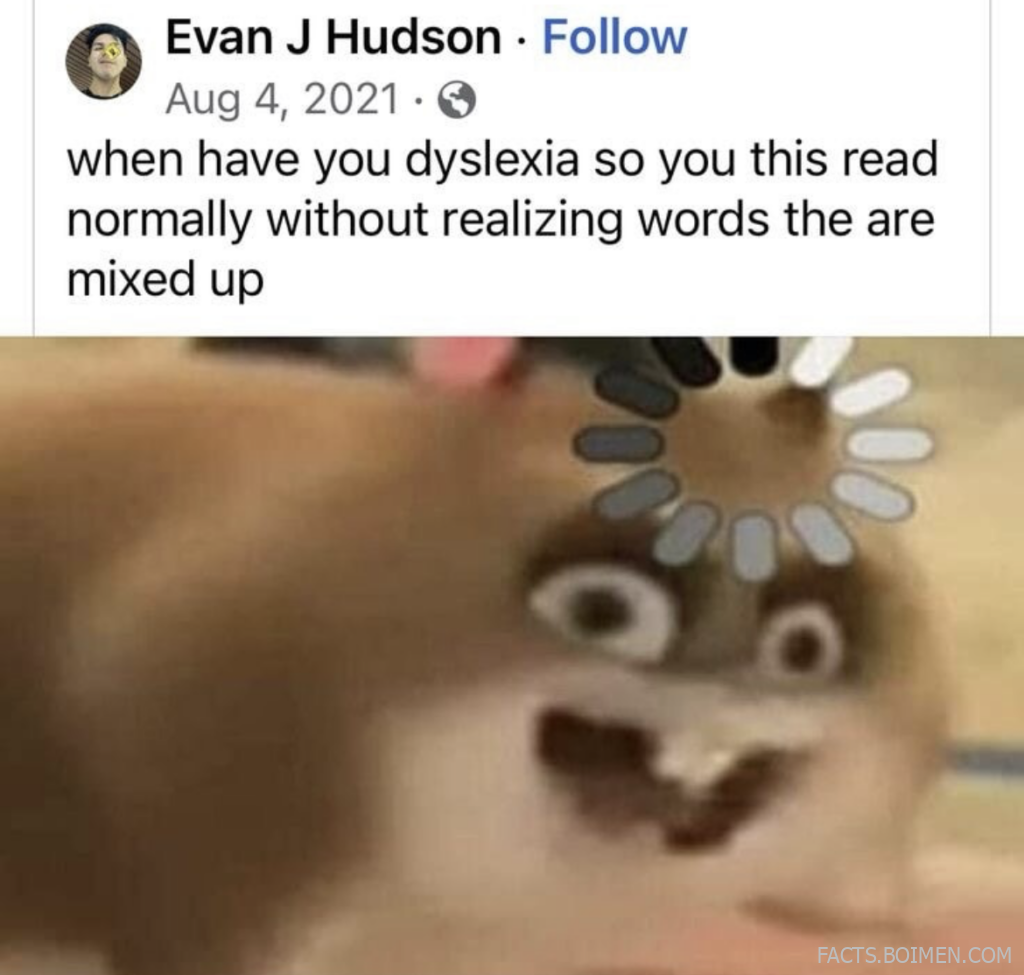
Have you ever wondered what it feels like to read when letters and words seem to jump around? That’s a common experience for people with dyslexia. The viral pin that brought you here shows a sentence with mixed-up words, and you might have read it normally without noticing. That’s the power of context—and a glimpse into how the dyslexic brain works. In this article, we’ve gathered 16 tools that simulate dyslexia reading mixed words. These simulators let you experience the frustration and complexity of dyslexia firsthand, fostering empathy and understanding. Whether you’re an educator, a designer, a parent, or just curious, these tools offer a window into a different way of processing text. Let’s dive in.
Table of Contents(Click to Toggle)
- Why You Should Experience Dyslexia Simulations
- 16 Tools That Simulate Dyslexia Reading Mixed Words
- 1. Dyslexia Simulator
- 2. Web Disability Simulator
- 3. NoCoffee Vision Simulator
- 4. Funkify
- 5. Silktide Disability Simulator
- 6. Color Oracle
- 7. Sim Daltonism
- 8. Dyslexia Font Simulator
- 9. Readability Test Tool
- 10. Text Fixer
- 11. LOREM Ipsum Generator
- 12. Word Mixer
- 13. Letter Scrambler
- 14. Dyslexia Reading Simulation
- 15. Accessibility Insights
- 16. WAVE Web Accessibility Evaluation Tool
- Bonus Mentions
- The Internet’s Best-Kept Secrets (So Far)
Why You Should Experience Dyslexia Simulations
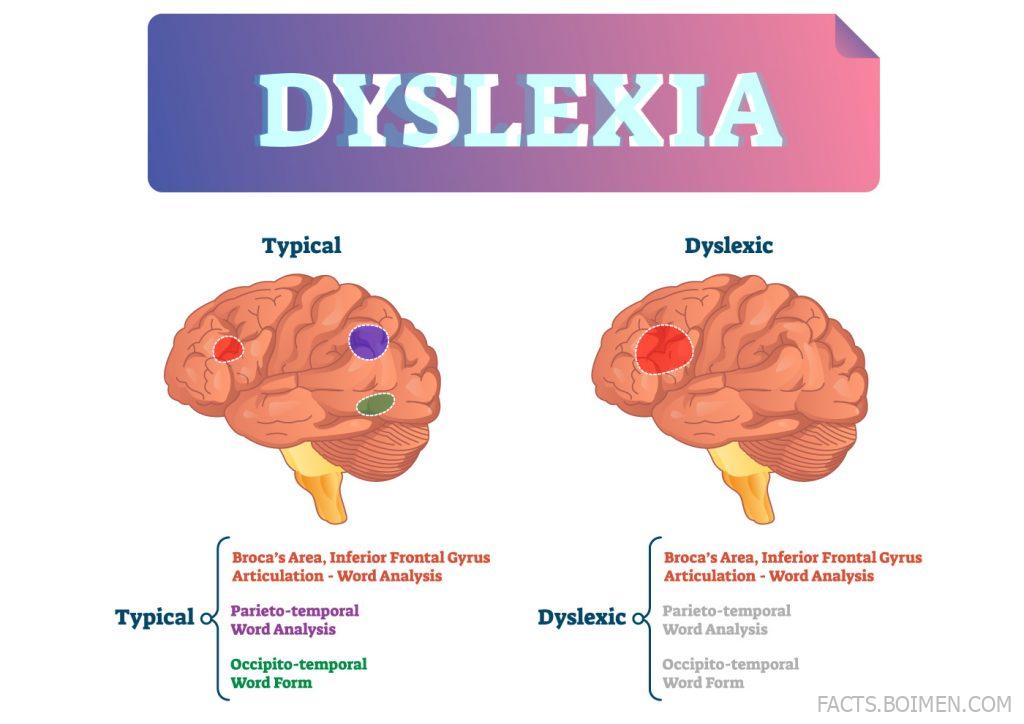
Dyslexia affects roughly 10% of the population, yet it’s often misunderstood. People with dyslexia don’t just see letters backwards; they may experience words that appear jumbled, letters that seem to swap places, or text that blurs and shifts. This can make reading slow and exhausting. Simulations are powerful because they let you step into someone else’s shoes—at least for a moment. Designers use them to create more accessible websites. Teachers use them to understand why a student struggles. Parents use them to empathize with their child. And curious minds use them to appreciate the incredible complexity of the human brain. The tools below range from simple text scramblers to sophisticated browser extensions that overlay visual distortions. Each offers a unique way to experience reading with dyslexia. By trying them, you’ll gain a deeper appreciation for the challenges and strengths of people with dyslexia. Plus, you might discover some fun and eye-opening effects to share with others.
16 Tools That Simulate Dyslexia Reading Mixed Words
1. Dyslexia Simulator : Simple web-based text scrambler
What it is: A straightforward online tool that scrambles letters within words to mimic the reading experience of dyslexia.
Category: Text simulation
Why it stands out:
- You can paste any text and instantly see it with letters jumbled.
- It offers adjustable difficulty levels, from mild to severe scrambling.
- No installation required—works in any browser.
Best for: Quick demonstrations in classrooms or workshops.
2. Web Disability Simulator : Browser extension for multiple disabilities
What it is: A Chrome extension that simulates various disabilities, including dyslexia, by altering web page content.
Category: Browser extension
Why it stands out:
- It can simulate dyslexia by scrambling text on any website.
- Includes other simulations like tunnel vision and color blindness.
- Easy toggle on/off to compare normal and simulated views.
Best for: Web developers testing accessibility.
3. NoCoffee Vision Simulator : Firefox extension for visual impairments
What it is: A Firefox add-on that simulates various visual impairments, including dyslexia-like text distortions.
Category: Browser extension
Why it stands out:
- It can blur text and simulate visual snow and other distortions.
- Specifically designed for web accessibility testing.
- Open-source and free to use.
Best for: Firefox users interested in accessibility.
4. Funkify : Disability simulator for Chrome
What it is: A Chrome extension that simulates dyslexia, ADHD, color blindness, and more.
Category: Browser extension
Why it stands out:
- Its dyslexia simulation scrambles letters and words on web pages.
- Includes a ‘reading ruler’ and other tools to aid focus.
- Offers a free trial and paid plans for teams.
Best for: UX designers and product teams.
5. Silktide Disability Simulator : Free Chrome extension
What it is: A free Chrome extension that simulates various disabilities, including dyslexia.
Category: Browser extension
Why it stands out:
- Simulates dyslexia by mixing up letters and words.
- Also simulates motor impairments and blindness.
- Simple interface with one-click activation.
Best for: Quick accessibility checks.
6. Color Oracle : Color blindness simulator
What it is: A free tool that simulates color blindness, but can also be used to understand visual processing differences.
Category: Desktop app
Why it stands out:
- While not specifically for dyslexia, it helps understand visual perception variations.
- Works across Windows, Mac, and Linux.
- Lightweight and easy to use.
Best for: Designers creating inclusive visuals.
7. Sim Daltonism : Mac color blindness simulator
What it is: A Mac app that simulates various types of color blindness.
Category: Desktop app
Why it stands out:
- Provides a window that shows simulated colors in real-time.
- Useful for understanding how color affects readability.
- Free and open-source.
Best for: Mac users in design and education.
8. Dyslexia Font Simulator : See text in dyslexia-friendly fonts
What it is: A website that lets you compare regular fonts with dyslexia-friendly fonts like OpenDyslexic.
Category: Text simulation
Why it stands out:
- Shows how font choice can impact readability for dyslexic readers.
- Allows you to type your own text and see it in different fonts.
- Includes information about why certain fonts help.
Best for: Educators and content creators.
9. Readability Test Tool : Analyze text readability
What it is: A tool that assesses the readability of your text using various formulas.
Category: Text analysis
Why it stands out:
- Helps you understand how complex your writing is.
- Can be used to simplify text for dyslexic readers.
- Provides suggestions for improvement.
Best for: Writers and editors aiming for clarity.
10. Text Fixer : Random letter generator
What it is: A simple tool that generates random letters, which can simulate the confusion of dyslexia.
Category: Text generator
Why it stands out:
- You can create strings of random letters to mimic scrambled text.
- Useful for creating practice materials or simulations.
- Free and no sign-up required.
Best for: Creating custom dyslexia simulation exercises.
11. LOREM Ipsum Generator : Generate placeholder text
What it is: A classic tool for generating Lorem Ipsum text, but you can also use it to create text that looks like gibberish.
Category: Text generator
Why it stands out:
- While not a dyslexia simulator per se, it can be used to create text that is hard to read.
- Customizable length and format.
- Widely used in design and publishing.
Best for: Designers needing placeholder text that mimics reading difficulty.
12. Word Mixer : Mix up words in a sentence
What it is: An online tool that randomly shuffles words within a sentence.
Category: Text manipulation
Why it stands out:
- Simulates the word order confusion some dyslexic readers experience.
- You can paste any sentence and see it mixed up.
- Simple and quick to use.
Best for: Demonstrating how word order affects comprehension.
13. Letter Scrambler : Scramble letters within words
What it is: A tool that scrambles the letters within each word, keeping the first and last letters intact.
Category: Text manipulation
Why it stands out:
- Mimics the common dyslexia experience of letter transposition.
- You can adjust the level of scrambling.
- Great for creating puzzles or simulations.
Best for: Interactive demonstrations.
14. Dyslexia Reading Simulation : Immersive reading simulation
What it is: A web-based simulation that presents text with various dyslexic distortions, such as letter swapping and blurring.
Category: Text simulation
Why it stands out:
- Offers a realistic reading experience with multiple distortion types.
- Includes adjustable speed and severity.
- Provides educational context about dyslexia.
Best for: Deep empathy-building exercises.
15. Accessibility Insights : Comprehensive accessibility testing
What it is: A suite of tools from Microsoft for testing web and Windows app accessibility.
Category: Accessibility testing
Why it stands out:
- Includes features to simulate visual impairments and dyslexia.
- Provides detailed reports and guidance.
- Free and widely used by professionals.
Best for: Developers and QA testers.
16. WAVE Web Accessibility Evaluation Tool : Evaluate web accessibility
What it is: A suite of evaluation tools that help authors make their web content more accessible.
Category: Accessibility evaluation
Why it stands out:
- Identifies accessibility and Web Content Accessibility Guidelines (WCAG) errors.
- While not a dyslexia simulator, it helps create content that is easier for everyone to read.
- Provides visual feedback via icons and indicators.
Best for: Web content creators and accessibility advocates.
Bonus Mentions
Readable : Readability scoring and text analysis
What it is: An online tool that scores your text for readability and suggests improvements.
Category: Text analysis
Why it stands out:
- Helps you write for a wider audience, including those with dyslexia.
- Offers a free tier and detailed reports.
Best for: Content writers and marketers.
Hemingway Editor : Simplify your writing
What it is: A web-based editor that highlights complex sentences and suggests simpler alternatives.
Category: Writing tool
Why it stands out:
- Makes your text more accessible to dyslexic readers.
- Color-codes issues for easy revision.
Best for: Anyone wanting clearer writing.
OpenDyslexic : Dyslexia-friendly font
What it is: A free, open-source font designed to increase readability for people with dyslexia.
Category: Font
Why it stands out:
- Letters have heavy bottoms to prevent flipping.
- Can be used in documents and websites.
Best for: Creating dyslexia-friendly materials.
TED Talks on Dyslexia : Inspiring stories and insights
What it is: A collection of TED Talks that explore the dyslexic experience.
Category: Educational videos
Why it stands out:
- Personal stories from successful individuals with dyslexia.
- Insights into the strengths and challenges of dyslexia.
Best for: Gaining a broader understanding.
Understood.org : Resources for learning differences
What it is: A nonprofit organization providing resources and support for people with learning and thinking differences.
Category: Educational resource
Why it stands out:
- Offers articles, tools, and community support.
- Focuses on dyslexia and other learning challenges.
Best for: Parents, educators, and individuals.
The Internet’s Best-Kept Secrets (So Far)
These 16 tools and resources offer a fascinating glimpse into the world of dyslexia. By simulating mixed-up words and letters, they help us understand the daily challenges faced by millions. Whether you’re a designer aiming for accessibility, a teacher fostering empathy, or simply a curious reader, these tools are invaluable. They remind us that the internet isn’t just about information—it’s about connection and understanding. So go ahead, try a few. You might be surprised by what you learn. And if you know of any other hidden gems for simulating dyslexia or promoting accessibility, we’d love to hear about them! What’s your favorite tool for understanding different perspectives? Share in the comments below.