Dyslexia affects about 1 in 10 people, yet many still misunderstand what it actually feels like. The pin that led you here asked: “Just found this Welsh tool that displays what it’s like for people with dyslexia.” That tool is Facts Boimen — and it’s just the beginning. We’ve gathered 18 websites and tools that simulate, explain, or support dyslexia, giving you a window into the dyslexic experience and practical ways to help. Whether you’re a teacher, parent, or simply curious, these resources will change how you see reading and learning differences.
Table of Contents(Click to Toggle)
- Why Dyslexia Tools Matter
- 18 Dyslexia Tools That Reveal How It Feels
- 1. Facts Boimen
- 2. Dyslexia Simulation
- 3. Understood
- 4. Nessy
- 5. Learning Ally
- 6. Bookshare
- 7. OpenDyslexic
- 8. Dyslexie Font
- 9. Microsoft Immersive Reader
- 10. Google Read Along
- 11. Voice Dream Reader
- 12. NaturalReader
- 13. Dyslexia Quest
- 14. Lexia
- 15. Reading Rockets
- 16. International Dyslexia Association
- 17. Made By Dyslexia
- 18. Dyslexia Help
- Bonus Mentions
- The Internet’s Best-Kept Secrets for Dyslexia
Why Dyslexia Tools Matter More Than Ever
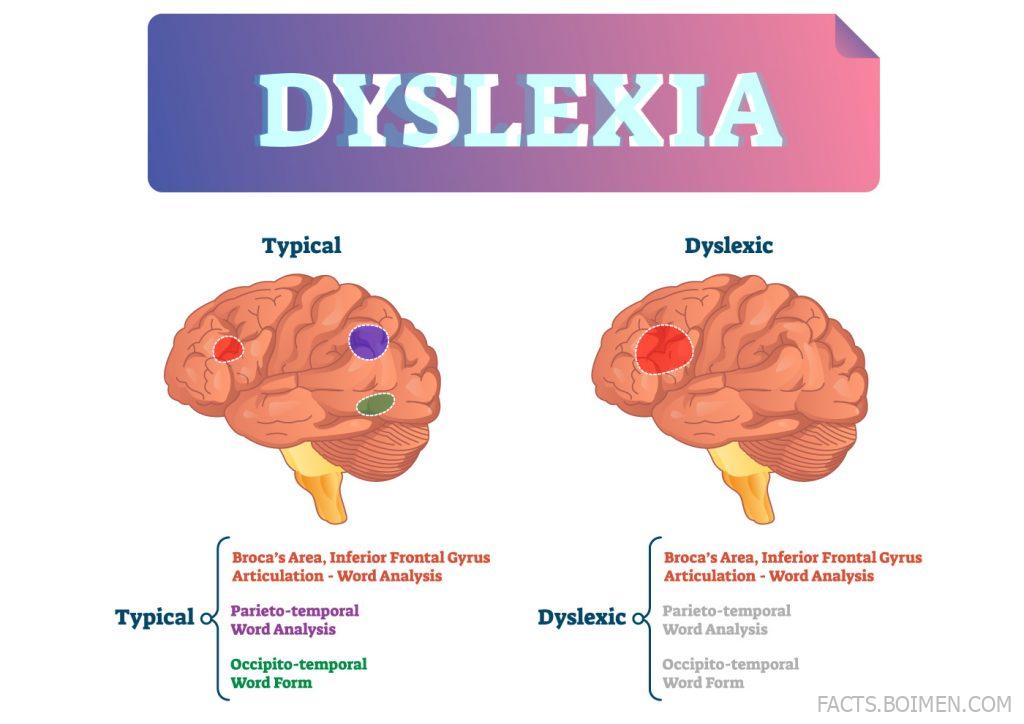
Dyslexia is not a lack of intelligence or effort — it’s a different wiring of the brain that makes decoding text unusually challenging. For those who don’t experience it, the daily struggle can be invisible. That’s why simulations and assistive tools are so powerful: they build empathy by letting you feel the frustration of jumbled letters, and they offer real solutions that level the playing field. In classrooms and workplaces, these resources foster understanding and unlock potential. The 18 tools below range from eye-opening simulators to life-changing text-to-speech apps. Each one is a hidden gem worth exploring.
18 Dyslexia Tools That Reveal How It Feels
1. Facts Boimen : Welsh tool that displays dyslexia simulations
What it is: A Welsh website offering interactive facts and simulations that show what reading is like for people with dyslexia.
Category: Simulation & Awareness
Why it stands out:
- Its simulation scrambles letters and words in real time, mimicking the visual distortions many dyslexic readers experience.
- Includes facts about dyslexia prevalence and myths, all presented in a clean, accessible layout.
- Based in Wales, it adds a unique cultural perspective to dyslexia awareness.
Best for: Teachers, parents, and anyone who wants to walk a mile in a dyslexic reader’s shoes.
2. Dyslexia Simulation : Experience reading with dyslexia
What it is: An online simulator that lets you attempt to read text as it appears to someone with dyslexia.
Category: Simulation & Awareness
Why it stands out:
- Offers multiple simulation types, including letter swapping, blurring, and word jumbling.
- Includes timed reading exercises to demonstrate the extra cognitive effort required.
- Free to use and requires no sign-up.
Best for: Classroom demonstrations and empathy-building workshops.
3. Understood : Comprehensive resource for learning differences
What it is: A nonprofit offering articles, videos, and tools for learning and thinking differences, including dyslexia.
Category: Education & Support
Why it stands out:
- Provides grade-specific advice and personal stories from families.
- Includes a “Through Your Child’s Eyes” simulation that mimics dyslexia and other challenges.
- Offers downloadable worksheets and checklists for IEP meetings.
Best for: Parents navigating the special education system.
4. Nessy : Fun, multisensory learning for dyslexic children
What it is: A suite of educational games and resources designed for children with dyslexia.
Category: Learning & Intervention
Why it stands out:
- Uses Orton-Gillingham principles in a playful, game-based format.
- Includes progress tracking and printable worksheets.
- Trusted by thousands of schools worldwide.
Best for: Parents and teachers seeking structured literacy support.
5. Learning Ally : Audiobooks and support for struggling readers
What it is: A nonprofit providing human-narrated audiobooks and educational support for dyslexia and other reading disabilities.
Category: Assistive Technology
Why it stands out:
- Offers over 80,000 audiobooks, including textbooks with page numbers matching the print edition.
- Includes a community of parents and educators sharing strategies.
- Scholarships available for families in need.
Best for: Students who need accessible textbooks and leisure reading.
6. Bookshare : Accessible online library for people with print disabilities
What it is: An ebook library with over a million titles in accessible formats for qualified individuals.
Category: Assistive Technology
Why it stands out:
- Free for U.S. students with qualifying disabilities, including dyslexia.
- Offers text-to-speech, braille, and large-print options.
- Instant access to bestsellers and textbooks.
Best for: Students and adults who need accessible reading materials.
7. OpenDyslexic : Free typeface designed to improve readability
What it is: An open-source font that uses weighted bottoms to prevent letter rotation.
Category: Assistive Technology
Why it stands out:
- Can be installed on computers, e-readers, and browsers.
- Research suggests it may reduce some reading errors for people with dyslexia.
- Completely free and open-source.
Best for: Dyslexic readers who want a simple, no-cost adjustment.
8. Dyslexie Font : Typeface that reduces reading errors
What it is: A specialized font that makes letters more distinct and less likely to be confused.
Category: Assistive Technology
Why it stands out:
- Letters have unique shapes and heavier bottoms to anchor them.
- Available for personal and commercial use.
- Studies show increased reading speed and decreased errors for some users.
Best for: Individuals who find standard fonts difficult to decode.
9. Microsoft Immersive Reader : Free reading comprehension tool
What it is: A built-in tool in Microsoft products that reads text aloud, breaks words into syllables, and more.
Category: Assistive Technology
Why it stands out:
- Offers text-to-speech, line focus, and picture dictionary.
- Available in Word, OneNote, Edge, and Teams.
- Customizable to individual needs.
Best for: Students and professionals who use Microsoft tools.
10. Google Read Along : Free app that helps kids practice reading
What it is: An Android app that uses speech recognition to help children read aloud and improve fluency.
Category: Learning & Intervention
Why it stands out:
- Provides real-time feedback and encouragement.
- Includes a diverse library of stories.
- Works offline and is free.
Best for: Young readers who need extra practice in a low-pressure environment.
11. Voice Dream Reader : Powerful text-to-speech app for iOS
What it is: A mobile app that reads any text aloud with high-quality voices and customizable settings.
Category: Assistive Technology
Why it stands out:
- Supports PDFs, EPUBs, web articles, and more.
- Offers dyslexia-friendly fonts and color themes.
- Includes bookmarking and note-taking.
Best for: Dyslexic adults and students who need portable reading support.
12. NaturalReader : Text-to-speech with natural voices
What it is: A web and desktop tool that converts text to speech with AI-powered voices.
Category: Assistive Technology
Why it stands out:
- Free version offers basic voices; premium adds more natural ones.
- Can read from PDFs, Word docs, and websites.
- Includes OCR for scanned documents.
Best for: Anyone who prefers listening over reading.
13. Dyslexia Quest : Game-based dyslexia screening and training
What it is: A series of games that assess and train cognitive skills related to dyslexia.
Category: Learning & Intervention
Why it stands out:
- Developed by educational psychologists.
- Provides a detailed report on strengths and weaknesses.
- Engaging for children aged 5-16.
Best for: Parents seeking an initial screening and fun practice.
14. Lexia : Adaptive reading software for schools
What it is: A research-based program that personalizes reading instruction for students.
Category: Learning & Intervention
Why it stands out:
- Adapts to each student’s skill level in real time.
- Provides detailed progress reports for teachers.
- Aligned with Common Core and state standards.
Best for: Schools and districts implementing MTSS or RTI.
15. Reading Rockets : Strategies and resources for teaching reading
What it is: A national multimedia project offering research-based reading instruction strategies.
Category: Education & Support
Why it stands out:
- Includes articles, videos, and parent tips.
- Focuses on helping struggling readers, including those with dyslexia.
- Free and ad-free.
Best for: Teachers and parents looking for evidence-based practices.
16. International Dyslexia Association : Global leader in dyslexia advocacy
What it is: A nonprofit dedicated to research, education, and advocacy for dyslexia.
Category: Education & Support
Why it stands out:
- Provides fact sheets, webinars, and conferences.
- Offers a provider directory for finding specialists.
- Publishes the peer-reviewed journal Annals of Dyslexia.
Best for: Anyone seeking authoritative information and community.
17. Made By Dyslexia : Charity raising awareness of dyslexic strengths
What it is: A global charity founded by successful dyslexic entrepreneurs to redefine dyslexia.
Category: Awareness & Advocacy
Why it stands out:
- Offers free training for teachers and parents.
- Highlights dyslexic thinking as a valuable skill.
- Partners with organizations like Microsoft and Virgin.
Best for: Those who want to celebrate dyslexic strengths.
18. Dyslexia Help : University of Michigan’s resource hub
What it is: A comprehensive website from the University of Michigan offering information and tools for dyslexia.
Category: Education & Support
Why it stands out:
- Includes success stories and expert interviews.
- Provides guides for parents, teachers, and adults.
- Offers a database of apps and software.
Best for: Anyone looking for a one-stop, research-backed resource.
Bonus Mentions
Dyslexic Advantage : Celebrating the unique strengths of dyslexic minds
A nonprofit that focuses on the cognitive advantages often seen in dyslexia, with articles and community support.
LD Online : Information on learning disabilities and ADHD
An extensive library of articles, forums, and resources for learning differences.
National Center for Learning Disabilities : Advocacy and support for learning disabilities
Provides policy updates, toolkits, and personal stories to empower families.
Texthelp : Assistive technology for reading and writing
Makers of Read&Write, a toolbar with text-to-speech, dictionaries, and more.
Learning Ally : Already listed, but worth mentioning again for its audiobook library
We included it above, but its impact deserves a second nod.
The Internet’s Best-Kept Secrets for Dyslexia (So Far)
From the Welsh simulation tool that started this journey to the many assistive technologies and advocacy groups, these 18 resources prove that the web is full of hidden gems for understanding and overcoming dyslexia. Whether you’re seeking empathy-building simulations or practical tools for daily reading, each one offers something unique. The next time you encounter someone with dyslexia, you’ll have a deeper appreciation for their experience — and maybe a new tool to share. Which of these was your favorite? Let us know in the comments below!