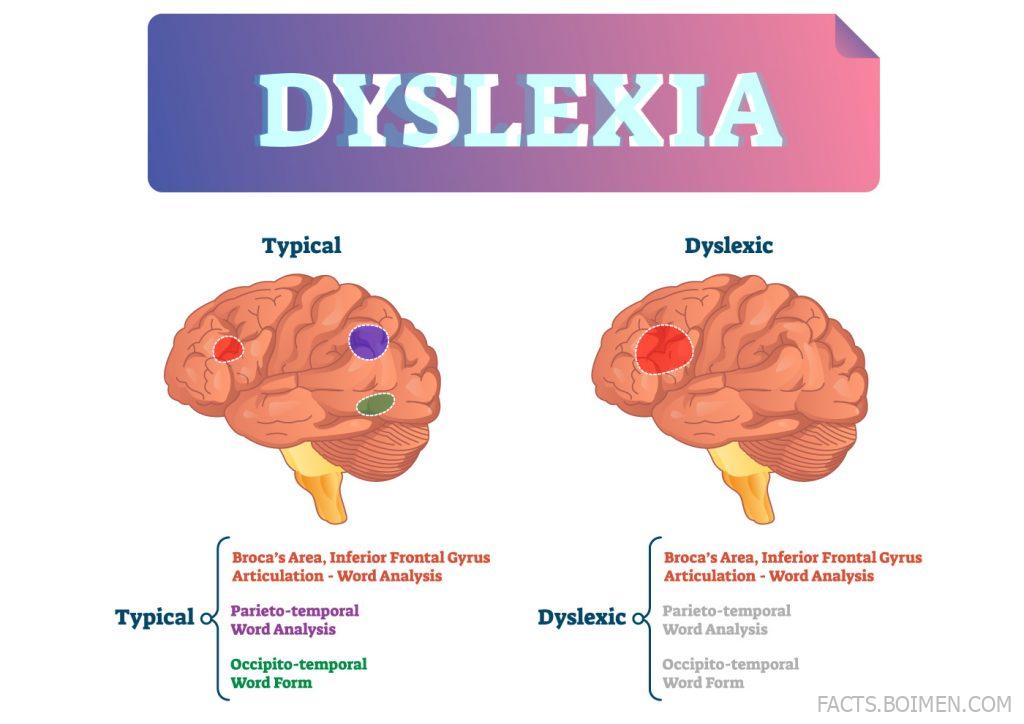

Reading does not have to feel like pushing through fog. For millions of people with dyslexia, the right font, the right spacing, and the right tool can turn a frustrating page into something smooth and even enjoyable. The pin that brought you here was all about that experience — what reading actually feels like when the letters stop jumping around. So this list gathers 17 genuinely useful websites and tools, from customisable reading overlays to audiobook libraries and assistive fonts, that quietly make text behave itself.
None of these are the giant household names you have already seen a hundred times. They are the smaller, calmer, often free tools that people in dyslexia communities pass to each other by word of mouth. Bookmark the ones that fit, and share the rest with someone who needs them.
Table of Contents(Click to Toggle)
- Why Dyslexia-Friendly Tools Change Everything
- 17 Dyslexia-Friendly Websites and Tools
- 1. OpenDyslexic
- 2. BeeLine Reader
- 3. Immersive Reader
- 4. Helperbird
- 5. Speechify
- 6. Bookshare
- 7. Learning Ally
- 8. LibriVox
- 9. Dyslexia Fonts by Christian Boer
- 10. Reading Rockets
- 11. Understood
- 12. NaturalReader
- 13. Tint Wiz
- 14. Rewordify
- 15. Dyslexic Advantage
- 16. Microsoft Learning Tools
- 17. Project Gutenberg
- Bonus Mentions
- The Internet’s Best-Kept Reading Secrets
Why Dyslexia-Friendly Tools Change Everything
Dyslexia is not a lack of intelligence or effort. It is a different way the brain processes written language, and it affects roughly one in ten people. What most people never realise is how much of the struggle comes from design choices rather than ability: tightly packed serif fonts, low-contrast grey text, walls of unbroken paragraphs, and screens that offer no way to slow down or listen instead of read.
Change those variables and something remarkable happens. Text becomes trackable. Letters stop swapping places. Reading speed climbs, comprehension follows, and the exhaustion that comes with forcing your eyes across a page starts to fade. The tools below work on exactly those variables. Some change the typeface. Some add colour gradients that guide your eye. Some read aloud in a natural voice. Some simply give you a library of books in a format your brain can handle.
They are also not just for diagnosed dyslexia. Anyone who reads on screens for hours — students, commuters, people with eye strain or attention differences — tends to find at least two or three of these genuinely useful. That is why this list leans toward practical, free or low-cost options rather than expensive software suites.
17 Dyslexia-Friendly Websites and Tools
1. OpenDyslexic : The free typeface designed to stop letters flipping
What it is: An open-source font family created specifically for readers with dyslexia, available free for personal and commercial use.
Category: Assistive typeface
Why it stands out:
- Each letter has a weighted bottom, which anchors it visually so it is harder to rotate or mirror
- Wider spacing between letters and lines reduces the crowding effect that causes words to blur together
- Works in browsers, e-readers, word processors, and even some PDF readers once installed
Best for: Anyone who wants a single, free, install-once fix that improves almost every screen they read.
2. BeeLine Reader : Colour gradients that pull your eyes down the page
What it is: A reading tool that applies a subtle colour gradient across each line of text, so the end of one line visually connects to the start of the next.
Category: Reading aid extension
Why it stands out:
- Reduces line-skipping, one of the most common and tiring dyslexic reading errors
- Available as a browser extension, a PDF tool, and an iOS app
- Users often report noticeably faster reading within a few days of consistent use
Best for: Long articles, reports, and ebooks where you keep losing your place mid-paragraph.
3. Immersive Reader : Free read-aloud and spacing built into everyday apps
What it is: A Microsoft reading tool embedded in Word, Edge, OneNote, and Outlook that reads text aloud while highlighting each word.
Category: Built-in reading support
Why it stands out:
- Line focus mode dims everything except the line you are on, which cuts visual noise dramatically
- Adjustable text size, spacing, and syllable splitting without installing anything extra
- Works on documents you already own, so there is no new platform to learn
Best for: Students and office workers who already live inside Microsoft apps and want zero setup.
4. Helperbird : An accessibility toolbar for any website
What it is: A browser extension that adds dyslexia fonts, reading rulers, text-to-speech, colour overlays, and screenshot reading to any page.
Category: Browser accessibility suite
Why it stands out:
- One install covers dozens of small adjustments you would otherwise hunt for separately
- The reading ruler follows your cursor, giving a physical guide line under each sentence
- Includes a dictionary and word-prediction helper for writing as well as reading
Best for: People who want one control panel instead of five different extensions fighting each other.
5. Speechify : Turn any article, PDF, or email into audio
What it is: A text-to-speech app that reads documents, web pages, and even photographed pages aloud in natural-sounding voices.
Category: Text-to-speech
Why it stands out:
- Optical character recognition means you can photograph a printed worksheet and hear it read back
- Playback speed is adjustable, so you can match the pace your comprehension actually needs
- Syncs across phone, browser, and desktop so you can start on one device and finish on another
Best for: Commuters, commuters-turned-students, and anyone who absorbs information better by ear.
6. Bookshare : A massive accessible library for qualifying readers
What it is: A nonprofit digital library offering hundreds of thousands of titles in accessible formats such as audio, braille, and large print.
Category: Accessible book library
Why it stands out:
- Free membership for qualifying US students and readers with documented print disabilities
- Textbooks and academic titles are included, not just leisure reading
- Books can be read with the companion apps or downloaded into supported readers
Best for: Students who need course texts in a format that does not fight back.
7. Learning Ally : Human-narrated audiobooks for school and study
What it is: A membership audiobook service with volunteer-read titles, aimed largely at students who struggle with print.
Category: Educational audiobooks
Why it stands out:
- Human narration tends to be easier to follow than synthetic voices for long study sessions
- Many titles include text highlighting that syncs with the audio
- Strong catalogue of school curriculum and exam-prep material
Best for: Families and schools supporting a student through a heavy reading load.
8. LibriVox : Free public-domain audiobooks read by volunteers
What it is: A volunteer project that records public-domain books and releases every recording for free.
Category: Free audiobook library
Why it stands out:
- Completely free with no account required, which makes it ideal for trying audiobooks for the first time
- Thousands of classics, from Sherlock Holmes to Jane Austen, ready to stream or download
- Files work offline, so you can listen on a plane or in a low-signal area
Best for: Readers who want to enjoy classic literature without paying for a subscription.
9. Dyslexie Font : Christian Boer’s letterforms with heavier bases
What it is: A commercial typeface designed by Dutch designer Christian Boer, with subtly altered letter shapes that reduce confusion between similar characters.
Category: Assistive typeface
Why it stands out:
- Letters like b, d, p, and q are deliberately differentiated so they cannot easily be swapped
- Available for personal use, schools, and businesses, with a browser extension option
- Often described as looking close to a normal font, which matters in shared or public documents
Best for: Readers who want an assistive font that does not look obviously “different” on the page.
10. Reading Rockets : Research-backed strategies for parents and teachers
What it is: A literacy education site packed with articles, videos, and classroom strategies for struggling readers.
Category: Literacy resource hub
Why it stands out:
- Explains the mechanics of reading difficulty in plain, non-clinical language
- Offers book lists sorted by age and interest, including titles picked for reluctant readers
- Free to browse with no sign-up wall
Best for: Parents and tutors who want to understand what is happening, not just patch over it.
11. Understood : Plain-language guidance for learning differences
What it is: A nonprofit resource covering dyslexia, ADHD, and other learning differences, written for families and adults.
Category: Support and information
Why it stands out:
- Explains classroom accommodations and what you can reasonably ask a school for
- Includes first-person stories from adults with dyslexia, which many readers find genuinely reassuring
- Content is reviewed by specialists rather than assembled from random forum posts
Best for: Anyone newly navigating a diagnosis and unsure what the next step looks like.
12. NaturalReader : Paste text, hear it read in a natural voice
What it is: A text-to-speech service that reads pasted text, documents, and web pages aloud, with a free tier and paid upgrades.
Category: Text-to-speech
Why it stands out:
- The free browser version handles everyday reading without any payment
- Supports dragging in PDFs, Word files, and ebooks directly
- Voice quality is noticeably smoother than older robotic screen readers
Best for: Quick, no-friction listening when you just want a page read to you right now.
13. Tint Wiz : Colour overlays that calm high-contrast screens
What it is: A simple tool for applying coloured tints over your screen to reduce glare and visual stress.
Category: Visual comfort tool
Why it stands out:
- Lets you test different tint colours to find the one that makes text feel steadier
- Useful for the visual stress that often travels alongside dyslexia
- Lightweight and quick to toggle on and off during a reading session
Best for: Readers who find stark black-on-white text physically uncomfortable.
14. Rewordify : Instantly simplify difficult passages
What it is: A free tool that rewrites complex text into simpler language and explains the harder words.
Category: Text simplification
Why it stands out:
- Paste in any passage and get a clearer version in seconds, with definitions built in
- Helps with dense textbooks, legal wording, and classic literature
- Can also build vocabulary lists from the text you are working through
Best for: Students facing heavy reading where the vocabulary, not the ideas, is the barrier.
15. Dyslexic Advantage : Reframing dyslexia as a different strength
What it is: A nonprofit site focused on the cognitive strengths associated with dyslexia, including spatial reasoning and big-picture thinking.
Category: Community and research
Why it stands out:
- Shifts the conversation from deficit to capability, which many readers find motivating
- Publishes articles on career paths where dyslexic thinking tends to thrive
- Offers a community space for sharing experiences
Best for: Adults and teens who are tired of dyslexia being framed only as a problem.
16. Microsoft Learning Tools : Accessibility features across the Microsoft ecosystem
What it is: The wider collection of Microsoft accessibility features, including dictation, captions, and reading preferences.
Category: Platform accessibility
Why it stands out:
- Dictation lets you write by speaking, which removes the spelling-and-handwriting bottleneck entirely
- Live captions work across many apps, helping with video and meeting content
- Free with existing Microsoft accounts and updated regularly
Best for: Anyone who writes more easily than they read, or reads more easily than they write.
17. Project Gutenberg : Over 70,000 free ebooks in flexible formats
What it is: The original free ebook library, offering public-domain titles in plain text, HTML, EPUB, and Kindle formats.
Category: Free ebook library
Why it stands out:
- Plain-text and HTML versions can be reformatted with your own font, size, and spacing
- No account, no paywall, and no tracking required to download
- Pairs perfectly with OpenDyslexic or a text-to-speech reader for a fully custom setup
Best for: Readers who want total control over how a book is displayed on their screen.
Bonus Mentions
LD OnLine : Long-running information hub for learning disabilities
A steady, well-organised archive of articles and expert answers covering reading difficulties, classroom support, and practical home strategies.
Texthelp : Literacy support software used widely in schools
Their reading and writing tools, including Read&Write, are common in education settings and cover text-to-speech, word prediction, and study skills.
OverDrive : Borrow ebooks and audiobooks with a library card
Connects to your local library so you can borrow digital titles free, and many apps built on it support adjustable fonts and audio playback.
ReadSpeaker : Text-to-speech embedded directly into websites
Used by universities and public sites to add a listen button to pages, which is handy when a site has no built-in accessibility options.
AudioFile Magazine : Reviews and recommendations for audiobook listeners
Useful if you are new to audiobooks and want guidance on narrators and titles worth your time before committing to a subscription.
The Internet’s Best-Kept Reading Secrets
The theme running through all 17 of these is choice. Reading difficulty is rarely about willpower — it is about whether the page in front of you is set up in a way your brain can work with. Change the font, add a colour gradient, switch to audio, simplify the vocabulary, or dim the glare, and the same text suddenly becomes manageable.
A good starting point is to pick just two: one typeface tool and one listening tool. Install OpenDyslexic, then try reading a chapter through a text-to-speech app. Most people notice a difference within a single sitting, and that small win is usually enough to keep exploring.
These tools also deserve to be shared. Teachers, tutors, and parents often have never heard of half of them, and a single recommendation can change how a student experiences school for years. None of this replaces proper support or assessment where it is needed, but it does make the everyday act of reading far less exhausting.
What is the one reading tool you wish you had found years earlier? Drop it in the comments — the best discoveries on this list usually come from readers passing them along.