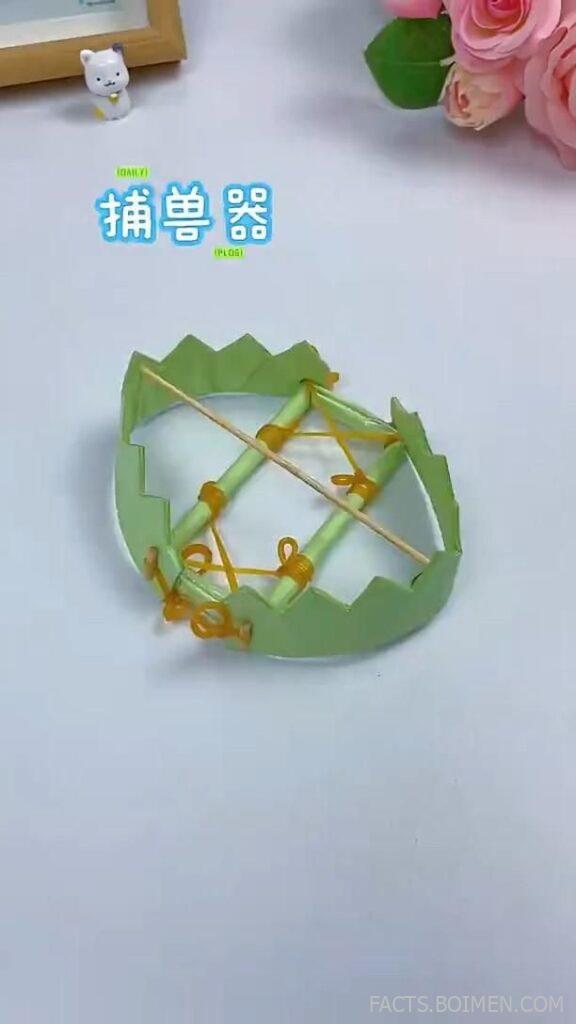
If you clicked because you want to learn how to make a paper trap with just a few simple steps, you are in exactly the right place. Paper folding is one of the few hobbies that costs almost nothing, needs no batteries, and rewards you with something that actually moves, snaps, or surprises the person holding it. From the classic paper trap prank to finger traps, fortune tellers, and pop-up surprises, the world of paper toys is far bigger than most people realize. Below you will find 20 places to learn, print, and fold these clever little creations, starting with the exact one you came for.
Table of Contents(Click to Toggle)
- Why Paper Toys and Traps Are Worth Learning
- 20 Paper Trap and Origami Toy Resources
- 1. Origami.me
- 2. Origami Guide
- 3. Origami Way
- 4. Origami-Fun
- 5. Paper Kawaii
- 6. Origami Instructions
- 7. Origami Resource Center
- 8. Red Ted Art
- 9. Origami Spirit
- 10. Papercraft Inspirations
- 11. Instructables
- 12. WikiHow
- 13. YouTube
- 14. Pinterest
- 15. Tavin’s Origami
- 16. Origami Plus
- 17. Foldify
- 18. Canon Creative Park
- 19. Brother Creative Center
- 20. Origami Club
- Bonus Mentions
- The Internet’s Best-Kept Paper Secrets
Why Paper Toys and Traps Are Worth Learning
Paper is the most forgiving craft material on earth. A single sheet of printer paper can become a snapping trap, a flapping bird, or a puzzle that keeps a kid busy for twenty minutes. Unlike plastic toys, paper toys are cheap enough to make mistakes with, which is exactly why they are such a good entry point for anyone who thinks they are “not crafty.”
The paper trap in particular has a long history. Versions of it show up in origami traditions, in classroom pranks, and in magic tricks where a folded flap snaps shut around a finger or a coin. The appeal is simple: the mechanism is hidden in the folds, so the person holding it does not see the surprise coming. Learning one trap teaches you the underlying folds, and those same folds unlock dozens of other toys.
Another reason this hobby keeps growing is that the instructions are free. There is no kit to buy, no subscription, and no special paper required for most beginner models. The resources below range from step-by-step diagram sites to printable templates and video channels, so whether you learn by reading or by watching, there is a path for you.
20 Paper Trap and Origami Toy Resources
1. Origami.me : Clear diagram-based instructions for traps and beginner toys
What it is: A clean, ad-light origami instruction site built around illustrated step diagrams rather than long videos.
Category: Origami tutorial library
Why it stands out: The diagrams are drawn with a consistent style, so once you learn how they mark a valley fold versus a mountain fold, every other tutorial on the site becomes readable. It covers classic action models like the flapping crane and fortune teller alongside simpler prank folds.
Best for: People who prefer to pause and study each step instead of scrubbing through a video.
2. Origami Guide : Difficulty-labeled tutorials that scale from easy to advanced
What it is: A tutorial hub where each model is tagged by difficulty and by the number of steps required.
Category: Step-by-step folding guides
Why it stands out: The difficulty labels are honest. If a model is marked easy, you can usually finish it in under five minutes with a standard sheet of paper. That makes it easy to build a short session around one or two folds rather than committing to an hour-long project.
Best for: Beginners who want a guaranteed quick win before trying anything complicated.
3. Origami Way : Fast, no-nonsense folds for prank toys and animals
What it is: A straightforward tutorial site focused on popular beginner and intermediate models.
Category: Beginner origami tutorials
Why it stands out: Pages load fast and the instructions are written in plain language with photos, which suits people folding at a kitchen table with a phone propped up nearby. Many models use a single square sheet with no cutting, so cleanup is instant.
Best for: Parents looking for a five-minute activity to hand a restless kid.
4. Origami-Fun : Printable diagrams plus video for the same model
What it is: A long-running site that pairs printable diagram sheets with video walkthroughs.
Category: Mixed-format tutorial archive
Why it stands out: Having both formats for the same model is genuinely useful. You can watch once to understand the motion, then print the diagram and fold without a screen in front of you. The printable sheets are also handy for classrooms where devices are limited.
Best for: Teachers and group leaders running a folding session for several people.
5. Paper Kawaii : Cute, giftable paper toys with video tutorials
What it is: A design-led origami blog known for small, charming models like boxes, envelopes, and mini characters.
Category: Decorative origami tutorials
Why it stands out: The models are chosen to be useful after folding, not just impressive. A folded box or envelope can hold a small gift, and the site often includes tips on paper weight and sizing so the finished piece holds its shape.
Best for: Crafters who want to fold something they can actually give away.
6. Origami Instructions : A deep archive of classic models and action folds
What it is: One of the older origami instruction archives online, organized by model type and difficulty.
Category: Reference tutorial archive
Why it stands out: The sheer number of models means you can almost always find the specific fold you are hunting for, including traditional action toys that snap or jump. Instructions are diagram-based and typically include a suggested starting paper size.
Best for: Anyone who wants to look up one specific traditional model quickly.
7. Origami Resource Center : History, diagrams, and paper guidance in one place
What it is: A reference site that mixes tutorials with background articles on paper types and folding terminology.
Category: Educational origami reference
Why it stands out: It explains the why behind the folds. If you have ever wondered what kami paper is or why some models need foil-backed paper, this is where you find out. That context makes your next fold noticeably cleaner.
Best for: Curious learners who want to understand the craft, not just copy steps.
8. Red Ted Art : Kid-friendly paper crafts beyond pure origami
What it is: A family craft blog with a large library of paper projects, including simple toys and puppets.
Category: Kids’ paper craft tutorials
Why it stands out: Many projects use materials you already have, like scrap paper, glue sticks, and markers. The instructions are written for adults supervising children, with notes on which steps kids can do alone and which need help.
Best for: Families and after-school groups planning a paper craft afternoon.
9. Origami Spirit : Thoughtful tutorials with a focus on technique
What it is: A tutorial site and blog run by an experienced folder, with an emphasis on precision and paper choice.
Category: Technique-focused origami blog
Why it stands out: Posts often explain how to fix a common mistake, such as a fold that will not lie flat or a model that collapses because the paper is too thick. That troubleshooting angle is rare and saves a lot of frustration.
Best for: Folders who have done a few models and want cleaner results.
10. Papercraft Inspirations : Printable paper projects and templates
What it is: A craft magazine site offering printable paper projects and downloadable templates.
Category: Printable paper craft resources
Why it stands out: Printable templates remove the guesswork around sizing. You print, cut, and fold along marked lines, which is ideal for anyone who struggles to keep freehand folds symmetrical. Projects range from cards to small three-dimensional toys.
Best for: Crafters who want a template rather than a blank sheet.
11. Instructables : Community projects, including mechanical paper toys
What it is: A large community platform where makers post step-by-step project guides with photos.
Category: Community DIY tutorials
Why it stands out: Because anyone can publish, you find unusual builds that never make it into traditional origami books, such as paper claws, pop-up mechanisms, and simple automata. Comments often contain useful fixes from people who already built the project.
Best for: Tinkerers who want a paper project that actually does something.
12. WikiHow : Illustrated guides for classic paper pranks and toys
What it is: A collaborative how-to site with illustrated articles on paper folding and paper toys.
Category: General how-to reference
Why it stands out: Articles are written in consistent, numbered steps with drawings for each stage, and many include a short video. It is a reliable first stop when you want the standard version of a well-known paper toy.
Best for: Quick lookups when you only need the basic method.
13. YouTube : Video walkthroughs for every skill level
What it is: The largest video library for folding tutorials, from ten-second shorts to full-length classes.
Category: Video tutorial platform
Why it stands out: Motion is the hardest thing to convey in a diagram. Watching a fold happen in real time, especially a squash fold or an inside reverse fold, clears up confusion instantly. Playback speed controls let you slow a tricky section down.
Best for: Visual learners stuck on a step that a diagram cannot explain.
14. Pinterest : Visual idea boards for paper toys and traps
What it is: A visual discovery platform where creators pin photos and short clips of paper projects.
Category: Visual inspiration platform
Why it stands out: It is excellent for browsing rather than searching. A single board can show you twenty variations of the same paper toy, which helps you pick a version that matches the paper and time you actually have.
Best for: Browsers who want inspiration before committing to a tutorial.
15. Tavin’s Origami : Short, clear video lessons for action models
What it is: A video-focused origami channel and site known for concise, well-lit folding demonstrations.
Category: Video tutorial channel
Why it stands out: The camera angle stays fixed and the hands stay out of the way, so you can actually see each crease form. Videos are kept short, which makes them easy to rewatch a specific step without hunting through a long timeline.
Best for: Learners who want a fast, focused video per model.
16. Origami Plus : Modular and interactive paper projects
What it is: A tutorial resource covering modular origami and paper models that move or transform.
Category: Modular and action origami
Why it stands out: Modular models are built from several identical units joined together, which means you practice one fold repeatedly and then assemble. The result looks far more complex than the effort involved, which makes it a satisfying next step after basic toys.
Best for: Folders ready to move beyond single-sheet models.
17. Foldify : Design your own paper toy, then print and fold it
What it is: An app that lets you draw on a flat template, then prints it as a foldable paper figure.
Category: Paper toy design app
Why it stands out: Instead of following someone else’s model, you create the artwork. The app shows a live preview of the folded result as you draw, so you can see how your design wraps around the shape before you print.
Best for: Creative kids and anyone who wants a personalized paper toy.
18. Canon Creative Park : Free printable paper craft templates
What it is: A free library of downloadable paper craft templates covering animals, buildings, and toys.
Category: Printable template library
Why it stands out: The templates are professionally designed with clear cut and fold lines, and the collection is large enough to suit a range of ages. Many projects include simple moving parts, so the finished model is more than a static shape.
Best for: Anyone who wants a polished printable project with no design work.
19. Brother Creative Center : Ready-made paper craft downloads and cards
What it is: A free resource hub offering printable paper craft templates, cards, and small toys.
Category: Printable craft downloads
Why it stands out: The templates are organized by occasion and difficulty, which makes it easy to find something that fits a specific event, like a party favor or a classroom activity. Files are sized for standard home printers.
Best for: Planning a themed paper craft activity for a group.
20. Origami Club : Animated folding instructions for hundreds of models
What it is: A long-standing site that uses simple animations to show each fold in sequence.
Category: Animated origami tutorials
Why it stands out: The animations loop, so you can watch a single fold repeat until it clicks. Models are grouped by category and difficulty, and the site covers a wide range from very simple to surprisingly detailed.
Best for: Learners who like watching a fold repeat without rewinding a video.
Bonus Mentions
Origami Way’s Action Toy Section : Dedicated pages for models that snap, jump, or flap
What it is: A focused corner of a larger tutorial site collecting interactive paper toys.
Category: Action origami collection
Why it stands out: Action models are the most fun to hand to someone else, and having them grouped together saves you from scrolling through static animals to find them.
Best for: Pranksters and anyone who wants a toy that reacts.
r/origami : A community for feedback and troubleshooting
What it is: A Reddit community where folders share photos, ask questions, and critique each other’s work.
Category: Online community
Why it stands out: When a model collapses and you cannot tell why, posting a photo usually gets a specific answer within hours. It is also a good place to see what other people are folding right now.
Best for: Getting unstuck on a model that will not cooperate.
Gilad’s Origami Page : A deep reference on origami books and paper
What it is: A personal reference site cataloging origami books, paper types, and creators.
Category: Origami reference and reviews
Why it stands out: If you decide to go beyond free tutorials, this is where you find out which books are worth buying and what paper works best for which model.
Best for: Hobbyists building a small folding library.
Origami Shop : Specialty paper and supplies when printer paper is not enough
What it is: A retailer specializing in origami paper, kits, and folding tools.
Category: Paper and supply retailer
Why it stands out: Thin, crisp paper makes a visible difference on complex models, and this shop stocks weights and sizes that are hard to find in general craft stores.
Best for: Folders whose models keep cracking or bulging.
Traditional Models Archive : The classic folds that started it all
What it is: A section of a tutorial site devoted to traditional, public-domain origami models.
Category: Classic origami collection
Why it stands out: Traditional models have been refined over generations, so they fold cleanly and teach core techniques that reappear in almost everything else.
Best for: Building a solid foundation of basic folds.
The Internet’s Best-Kept Paper Secrets
The best thing about paper toys is that the barrier to entry is a single sheet and five minutes. You do not need a kit, a class, or a special table. Start with one simple trap, get the folds under your fingers, and you will find that the same movements appear again and again in more ambitious models.
Work through this list at your own pace. Try a diagram site first, switch to video when a step refuses to make sense, and use the printable template libraries when you want something polished without the design work. Keep a small stack of paper nearby and you will always have something to make.
Which paper toy did you fold first, and did it actually work the way the instructions promised? Share your result in the comments.