Most people who read fluently never stop to think about what the act of reading actually feels like for someone with dyslexia. Letters can appear to swap places, jump around the page, blur together, or take a moment longer to decode into sound. That gap in understanding is exactly why a small cluster of websites and browser tools exist: they let anyone, dyslexic or not, step into that experience for a few minutes. Some are empathy simulators built by universities, some are reading overlays designed to reduce visual stress, and some are full assistive platforms used in classrooms every day. Below are 16 sites that either recreate the dyslexic reading experience or genuinely help make reading easier.
Table of Contents(Click to Toggle)
- Why Dyslexia Reading Simulators Matter
- 16 Websites That Show or Support Dyslexic Reading
- 1. Dyslexia Simulation (Michigan State University)
- 2. Understood.org
- 3. Nessy
- 4. Microsoft Immersive Reader
- 5. Helperbird
- 6. OpenDyslexic
- 7. BeeLine Reader
- 8. Learning Ally
- 9. Bookshare
- 10. Voice Dream Reader
- 11. Google Read Along
- 12. Dyslexia font testing tools (Dyslexie)
- 13. Tint & shade reading overlays (Irlen-style tools)
- 14. NaturalReader
- 15. Read&Write
- 16. DyslexiaHelp (University of Michigan)
- Bonus Mentions
- The Internet’s Best-Kept Accessibility Secrets (So Far)
Why Dyslexia Reading Simulators Matter More Than You Think
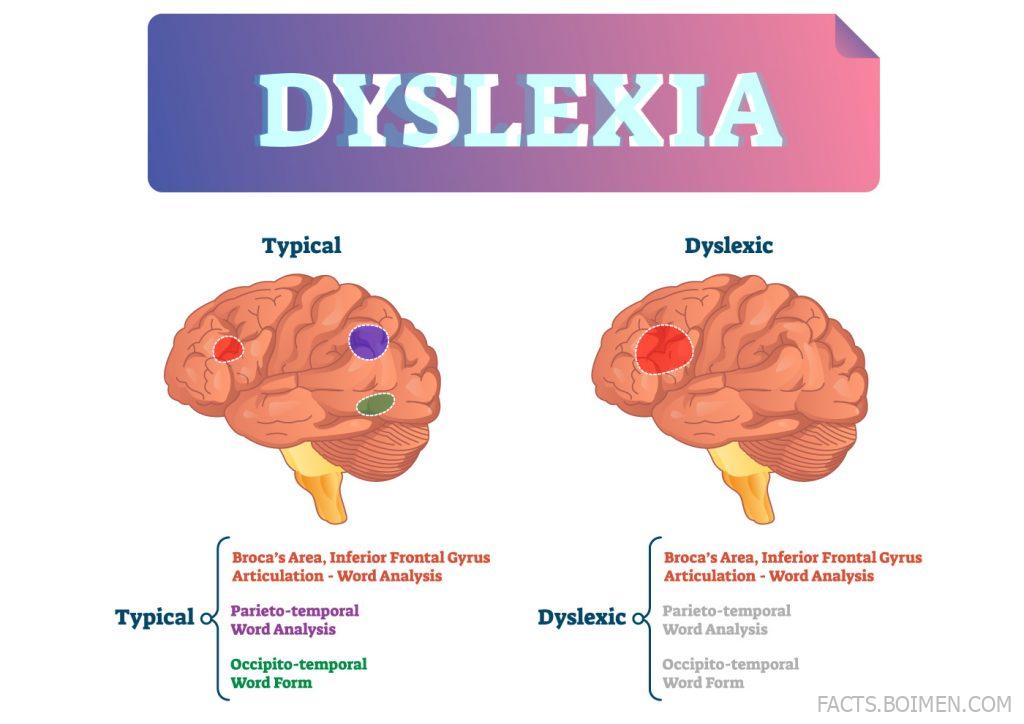
Dyslexia affects roughly one in ten people, yet it is one of the most misunderstood learning differences because it is invisible. A child who reads slowly can be labelled lazy; an adult who avoids reading aloud can be mistaken for someone who simply does not like books. Empathy simulators solve a specific problem: they convert an abstract description into a felt experience. When you try to read a paragraph where letters mirror, rotate, or drift, you suddenly understand why a dyslexic reader might need extra time, why fatigue builds up, and why confidence matters as much as phonics. The tools below split into two useful camps. The first few recreate the experience so you can feel it yourself. The rest are real assistive technologies that dyslexic readers actually use to make text calmer, clearer, and more accessible day to day. Together they form a complete picture of both the challenge and the solutions.
16 Websites That Show or Support Dyslexic Reading
1. Dyslexia Simulation (Michigan State University) : The empathy experience that started the conversation
What it is: An online reading simulation created by Michigan State University that recreates how text can appear to a dyslexic reader, with letters that reverse, swap, and shift.
Category: Empathy simulator
Why it stands out:
- It is one of the most widely shared simulations of its kind, used in teacher training and awareness workshops.
- It pairs the distorted text with a short comprehension task, so you feel the effort, not just see the effect.
- It works instantly in a browser with no sign-up, which is why it spreads so quickly online.
Best for: Teachers, parents, and anyone who wants a fast, visceral understanding of dyslexic reading.
2. Understood.org : Plain-language explanations and first-person reading stories
What it is: A nonprofit resource hub covering learning differences, with articles, videos, and simulations that explain dyslexia in everyday language.
Category: Education and awareness platform
Why it stands out:
- Its “Through Your Child’s Eyes” style experiences let visitors hear and see reading struggles from a student’s perspective.
- Content is reviewed by experts, so it stays factual rather than sensational.
- It covers the emotional side, including anxiety and confidence, which most technical explainers skip.
Best for: Parents who just received a diagnosis and want a calm, trustworthy starting point.
3. Nessy : Structured literacy games built around how dyslexic brains learn
What it is: A structured literacy program that teaches reading and spelling through short, game-like activities designed with dyslexia specialists.
Category: Learning program
Why it stands out:
- Lessons are deliberately short and cumulative, matching the evidence-based approach recommended for dyslexic learners.
- The visual style is playful but not babyish, which helps older struggling readers stay engaged.
- It is used in schools and at home, so progress can continue across settings.
Best for: Families looking for a structured, phonics-first program rather than random reading apps.
4. Microsoft Immersive Reader : Turns any page into a calmer, read-aloud text
What it is: A free reading tool built into Microsoft Edge, Word, and OneNote that can read text aloud, adjust spacing, and highlight words as they are spoken.
Category: Reading accessibility tool
Why it stands out:
- Line focus mode dims everything except a few lines, which reduces the visual overwhelm many dyslexic readers describe.
- It can break words into syllables and change font size and spacing in one click.
- Because it is embedded in Edge, it works on most web pages without installing anything.
Best for: Students who need read-aloud support while browsing normal websites.
5. Helperbird : A browser toolbar full of dyslexia-friendly switches
What it is: A browser extension that adds dyslexia-friendly fonts, colour overlays, text-to-speech, and reading rulers to almost any website.
Category: Browser extension
Why it stands out:
- It bundles many small accessibility tweaks into one place instead of forcing users to juggle five extensions.
- The reading ruler and colour overlay features target visual stress, a common complaint among dyslexic readers.
- Settings sync across devices, so a student’s preferences follow them between school and home.
Best for: Older students and adults who want customisable reading support everywhere they browse.
6. OpenDyslexic : The free font designed to stop letters from flipping
What it is: An open-source typeface with weighted letter bottoms designed to reduce letter confusion and swapping.
Category: Typeface and font tool
Why it stands out:
- It is completely free and open source, so it can be embedded in apps, websites, and e-readers.
- The heavier base on each letter gives the eye a clear anchor point, which some readers find steadier.
- Because it is a font rather than an app, it works inside almost any program once installed.
Best for: Readers who want to test whether a specialised typeface reduces their letter confusion.
7. BeeLine Reader : Colour gradients that guide your eyes across the line
What it is: A tool that applies a colour gradient across each line of text, fading from one hue to the next to help the eye track forward.
Category: Reading aid
Why it stands out:
- The gradient acts like an invisible finger guiding your eyes, which can reduce line-skipping and re-reading.
- It is available as a browser extension, a PDF tool, and an app, so it fits different reading habits.
- Research cited by the company suggests faster reading for many users, though results vary by individual.
Best for: Readers who lose their place frequently or feel eye strain on long paragraphs.
8. Learning Ally : Human-narrated audiobooks for school reading lists
What it is: A membership audiobook library with human-read titles that match common school and university reading lists.
Category: Audiobook service
Why it stands out:
- Narrations are human, not synthetic, which makes complex vocabulary easier to follow.
- The catalogue is built around textbooks and literature students are actually assigned.
- Many schools provide access, so families should check before paying out of pocket.
Best for: Students who understand content well by ear but struggle to decode printed pages.
9. Bookshare : A massive accessible library for qualifying readers
What it is: A nonprofit digital library offering accessible-format books to people with documented reading disabilities such as dyslexia.
Category: Accessible library
Why it stands out:
- Members can adjust font, spacing, and audio, so one title works across different reading needs.
- It is free for qualifying US students, which removes a major cost barrier.
- The collection spans hundreds of thousands of titles, from textbooks to popular fiction.
Best for: Students with an official dyslexia diagnosis who need accessible versions of assigned books.
10. Voice Dream Reader : A customisable text-to-speech reader for any document
What it is: A text-to-speech app that reads documents, ebooks, and web articles aloud with fine control over voice, speed, and highlighting.
Category: Text-to-speech app
Why it stands out:
- It highlights words as they are spoken, linking the sound of a word to its printed shape.
- Users can choose from many voices and adjust speed, which matters for comprehension.
- It handles PDFs and web pages, not just ebooks, so it fits real coursework.
Best for: Adults and students who want a single, powerful listening tool for many file types.
11. Google Read Along : A friendly reading coach that listens and encourages
What it is: A free Google app where a virtual reading buddy listens to a child read aloud and offers gentle help with tricky words.
Category: Early literacy app
Why it stands out:
- It gives immediate, non-judgemental feedback, which helps build confidence in hesitant readers.
- Stories are levelled, so children can start where they feel comfortable.
- It works offline after download, useful for homes with limited connectivity.
Best for: Younger children who need low-pressure reading practice at home.
12. Dyslexie Font : A typeface with deliberately unusual letter shapes
What it is: A commercial typeface that makes each letter more distinct by varying shapes and openings, aiming to reduce confusion between similar characters.
Category: Typeface and font tool
Why it stands out:
- Letters like b and d are drawn with subtle differences that make them harder to mix up.
- It is available for personal, school, and business use, with browser and document support.
- It is a useful comparison point against OpenDyslexic for readers testing which style suits them.
Best for: Readers who want to compare multiple dyslexia-friendly fonts before committing.
13. Irlen-Style Colour Overlays : Tinted filters that calm visual stress
What it is: Coloured overlay sheets and tinted lenses used to reduce the glare and visual distortion some readers experience on white backgrounds.
Category: Visual stress aid
Why it stands out:
- Many dyslexic readers report that a tinted overlay makes text feel steadier and less glaring.
- Overlays are inexpensive and low-commitment compared with prescription tinted lenses.
- Screen-based colour filters in browsers and operating systems can replicate part of the effect for free.
Best for: Readers who notice glare, blurring, or discomfort when reading black text on white.
14. NaturalReader : Paste any text and hear it read clearly
What it is: A text-to-speech service that converts pasted text, documents, and web pages into natural-sounding audio.
Category: Text-to-speech tool
Why it stands out:
- A generous free tier makes it easy to test before upgrading.
- It supports many languages and voices, helpful for bilingual readers.
- The Chrome extension can read web pages directly, which suits research and study sessions.
Best for: Anyone who wants quick, no-fuss listening support for everyday reading.
15. Read&Write : A full literacy toolbar for school and work
What it is: A comprehensive assistive toolbar offering text-to-speech, word prediction, screenshot reading, and study tools.
Category: Assistive literacy software
Why it stands out:
- Word prediction and speech input reduce the writing barrier that often accompanies dyslexia.
- It can read aloud scanned PDFs and images, not just digital text.
- Many schools and universities license it, so students should ask before buying.
Best for: Students who need support with both reading and writing across their coursework.
16. DyslexiaHelp (University of Michigan) : Evidence-based guidance and tool reviews
What it is: A university-run site offering clear explanations of dyslexia, plus curated lists of apps, fonts, and reading tools.
Category: Educational resource
Why it stands out:
- Recommendations are organised by age and need, which saves hours of searching.
- It explains the reasoning behind tools rather than just listing them.
- As an academic source, it is a solid counterweight to marketing-heavy product pages.
Best for: Parents and educators who want trustworthy, research-informed recommendations.
Bonus Mentions
LD OnLine : Long-running learning disability information hub
A well-established site with articles, expert Q&As, and classroom strategies for dyslexia and related differences. Useful when you want depth without a sales pitch.
International Dyslexia Association : Fact sheets and advocacy resources
The IDA publishes free fact sheets, a provider directory, and structured literacy guidance. A good starting point for authoritative definitions and terminology.
ReadSpeaker : Website text-to-speech used by institutions
Many university and government sites embed ReadSpeaker so visitors can listen to page content instantly. It shows how built-in accessibility can serve dyslexic readers without extra installs.
Seeing AI : A free app that reads the world around you
Built by Microsoft, it reads short text, documents, and product labels aloud. Originally for blind users, it is also handy for dyslexic readers facing printed material.
Grammarly : Writing support that reduces spelling anxiety
While not a dyslexia tool, its real-time spelling and grammar help lowers the fear of writing errors, which many dyslexic adults describe as a major confidence drain.
The Internet’s Best-Kept Accessibility Secrets (So Far)
What makes this corner of the web special is that it was built by people who needed it, not by marketers chasing a trend. A university simulation, a free open-source font, a browser toolbar, and a nonprofit library all exist because someone decided that struggling to read should not mean being shut out of information. If you only try one thing from this list, start with the simulation at number one. It takes a few minutes and changes how you see every slow reader you meet afterwards. Then, if you know someone who is dyslexic, the assistive tools further down the list are the practical payoff: they turn empathy into actual help. The best discoveries online are rarely the loudest ones, and these quiet, useful sites prove it. Which of these tools did you wish you had known about sooner, and what hidden gem would you add to the list?