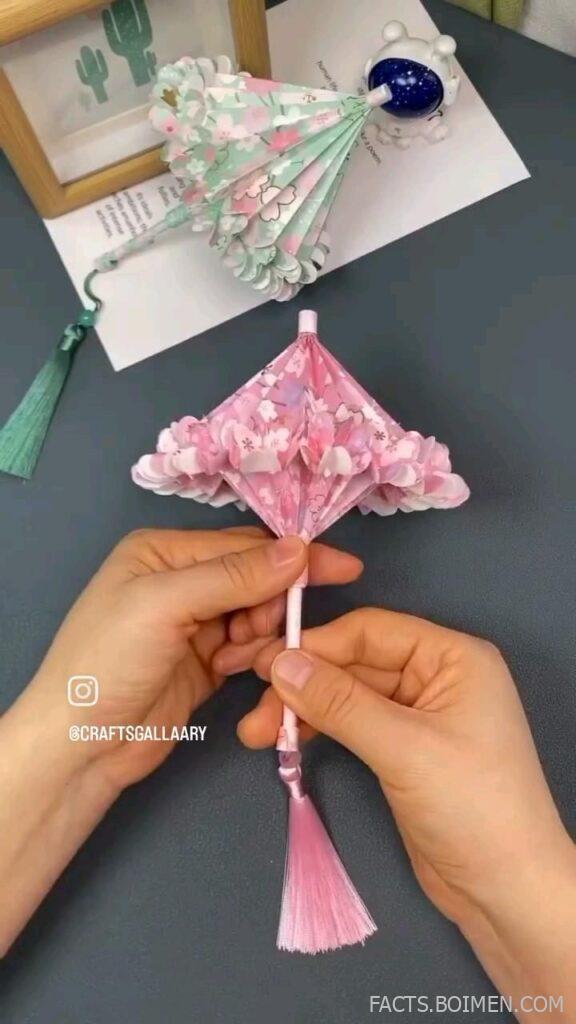
There is something quietly satisfying about holding a small folded star in your palm — the crisp points, the tiny tassel swinging from the tip, the knowledge that a flat square of paper became a three-dimensional object in under ten minutes. The pink origami star with tassels that keeps appearing on mood boards and craft tables is not a rare skill reserved for experts. It is a beginner-friendly fold that anyone can learn from a good diagram, a clear video, or a printable template. The problem is finding those resources without wading through dead links and blurry scans. This list collects 18 genuinely useful places to learn, print, and display folded paper stars, from diagram archives to paper shops to community forums where folders share their own tassel variations.
Table of Contents(Click to Toggle)
- Why Folded Paper Stars Keep Coming Back
- 18 Places to Learn and Make Origami Stars
- 1. Origami.me
- 2. Origami Guide
- 3. Origami-Fun
- 4. Origami Way
- 5. Paper Kawaii
- 6. Origami Spirit
- 7. Origami Instructions
- 8. Origami Resource Center
- 9. Gilad’s Origami Page
- 10. British Origami Society
- 11. OrigamiUSA
- 12. Happy Folding
- 13. Jo Nakashima on YouTube
- 14. Tavin’s Origami on YouTube
- 15. Origami Plus
- 16. Reddit r/origami
- 17. BoardGameGeek Origami Guild
- 18. Etsy Origami Star Templates
- Bonus Mentions
- The Quiet Joy of a Finished Star
Why Folded Paper Stars Keep Coming Back
Paper stars occupy a strange sweet spot in the craft world. They are simple enough for a child to attempt and elegant enough to hang at a wedding. A single star takes five to fifteen minutes, uses one square of paper, and needs no glue if you fold the locking tabs correctly. Tassels and string turn a handful of stars into garlands, gift toppers, and window mobiles.
The pink star with tassels that inspired this list is usually a five-pointed modular or a folded lucky star with a thread loop. Both styles appear in the same beginner tutorials, which is why this list mixes diagram archives, video channels, and paper suppliers. If you can fold a triangle and a kite base, you can fold a star. What you need is a reliable source that shows the crease pattern clearly and does not skip the collapse step where most beginners get stuck. That is exactly what these 18 resources provide.
18 Places to Learn and Make Origami Stars
1. Origami.me : Clean diagram library with a dedicated stars section
What it is: A long-running diagram site with step-by-step photos for hundreds of models, including lucky stars, five-pointed stars, and modular star units.
Category: Diagram archive
Why it stands out: The photos are shot on plain backgrounds with clear crease lines, and each star tutorial lists the paper size and difficulty at the top. The lucky star page even explains how to push the pentagon into a puffy shape with a fingernail.
Best for: Absolute beginners who want photo steps instead of video.
2. Origami Guide : Video plus diagram for every model
What it is: A tutorial site that pairs a short video with written steps for each design, including several star and snowflake variations.
Category: Hybrid tutorial site
Why it stands out: If you get lost in the video, you can scroll down and read the same step in text. The star pages note exactly where to add a tassel hole before the final collapse, which saves you from unfolding your work.
Best for: Learners who switch between watching and reading.
3. Origami-Fun : Printable PDF diagrams you can take offline
What it is: A classic site offering free printable instructions, with a star section that includes both flat and 3D designs.
Category: Printable diagrams
Why it stands out: The PDFs are formatted for A4 and Letter paper, so you can print a stack for a classroom or craft club. The diagrams use standard origami symbols, which is a gentle way to learn the notation.
Best for: Teachers, scout leaders, and anyone folding without a screen.
4. Origami Way : Beginner-first instructions with big, clear photos
What it is: A tutorial site aimed at newcomers, with a large catalog of easy models and a friendly star collection.
Category: Beginner tutorials
Why it stands out: Each step photo is large and taken from a consistent angle, so your hands stay oriented. The site also flags which steps are the trickiest, a small touch that prevents a lot of frustration.
Best for: First-time folders and parents crafting with kids.
5. Paper Kawaii : Cute modular stars and printable patterned paper
What it is: A craft blog and YouTube channel known for kawaii-style origami, plus free printable patterned paper you can cut into squares.
Category: Blog and video channel
Why it stands out: The printable paper patterns are the real draw — pastel florals and tiny dots that make a finished star look store-bought. Tutorials are written for beginners and include diagram downloads.
Best for: Crafters who want their stars to look decorative, not just folded.
6. Origami Spirit : Thoughtful tutorials with folding philosophy
What it is: A tutorial site by Leyla Torres that combines clear video instruction with reflections on the meditative side of folding.
Category: Tutorial blog
Why it stands out: The star and ornament tutorials often include a short note on the cultural meaning of the model, which makes the finished piece feel less disposable. Videos are calm and well lit.
Best for: Adults who want a slower, more mindful craft session.
7. Origami Instructions : Fast-loading diagrams for quick reference
What it is: A straightforward diagram site with a no-frills layout and a solid set of star and flower models.
Category: Diagram archive
Why it stands out: Pages load almost instantly even on a slow connection, and the diagrams are drawn rather than photographed, which makes crease direction easier to read. Great for a second screen while you fold.
Best for: Folders who prefer line drawings over photos.
8. Origami Resource Center : Deep archive of star variations
What it is: A large reference site covering history, paper types, and hundreds of models, with a strong section on stars and modular units.
Category: Reference archive
Why it stands out: The site explains the difference between lucky stars, five-pointed stars, and modular star assemblies, so you can pick the right model for your paper weight. It also covers paper sizing in detail.
Best for: Folders who want to understand why a model works, not just copy it.
9. Gilad’s Origami Page : A curated index of origami books and creators
What it is: One of the oldest origami reference sites online, cataloging books, creators, and model indexes.
Category: Reference index
Why it stands out: If you want to go beyond free tutorials, this is where you find which book contains a specific star design. The book reviews are detailed and honest about difficulty.
Best for: Crafters ready to buy their first origami book.
10. British Origami Society : A community with diagrams and a real magazine
What it is: The UK’s origami society, offering member diagrams, a quarterly magazine, and local folding meetings.
Category: Society and community
Why it stands out: Membership unlocks a diagram collection that includes models you will not find on free tutorial sites, plus in-person meetings where someone can physically correct your fold.
Best for: Folders who want a community, not just a tutorial.
11. OrigamiUSA : Events, classes, and the largest folding community in the US
What it is: A nonprofit organization hosting conventions, online classes, and a members-only diagram library.
Category: Society and community
Why it stands out: The annual convention includes beginner tracks where you can learn star and ornament models in a single afternoon. Online classes are recorded, so time zones are not a barrier.
Best for: Anyone who learns faster with live instruction.
12. Happy Folding : High-quality video tutorials and paper reviews
What it is: A tutorial site and video library by Sara Adams, with careful camera work and detailed paper recommendations.
Category: Video tutorials
Why it stands out: The paper reviews are unusually useful — she compares how the same model behaves in foil, tant, and washi paper, which matters a lot for stars that need to hold a crisp point.
Best for: Folders who want to choose the right paper the first time.
13. Jo Nakashima on YouTube : Some of the clearest folding videos online
What it is: A YouTube channel with hundreds of origami tutorials, including several star and modular designs.
Category: Video tutorials
Why it stands out: The overhead camera angle and slow, deliberate folding make even the collapse steps easy to follow. Videos are indexed by difficulty, and many include a diagram in the description.
Best for: Visual learners who want to fold along in real time.
14. Tavin’s Origami on YouTube : Short, well-paced tutorials for busy crafters
What it is: A YouTube channel focused on accessible models, with concise tutorials and helpful on-screen notes.
Category: Video tutorials
Why it stands out: Tutorials are edited to remove dead time without skipping steps, so a star that would take fifteen minutes to teach fits into six. On-screen text flags the paper size and the exact moment to flip the model.
Best for: Crafters with limited time who still want a clean result.
15. Origami Plus : Simple models with a modern, ad-light layout
What it is: A tutorial site with a growing library of easy and intermediate models, including stars and hanging ornaments.
Category: Tutorial site
Why it stands out: The layout is clean and the pages are not buried under pop-ups, which makes it pleasant to follow along on a phone propped next to your paper. Steps are numbered and photographed consistently.
Best for: Mobile folders who want a distraction-free page.
16. Reddit r/origami : Real feedback on your folds and your tassels
What it is: An active community subreddit where folders share finished models, ask for help, and trade paper tips.
Category: Community forum
Why it stands out: If your star collapses unevenly, you can post a photo and get specific advice within hours. The community is welcoming to beginners and frequently shares tassel and stringing ideas.
Best for: Folders who want troubleshooting, not just tutorials.
17. BoardGameGeek Origami Guild : An unexpected corner for paper crafters
What it is: A guild inside the BoardGameGeek forums where members discuss paper craft, including origami used for game components and decorations.
Category: Niche forum
Why it stands out: The guild has threads on folding small stars as game tokens and on which paper survives handling. It is a genuinely unusual crossover community that most crafters never discover.
Best for: Crafters who also love tabletop games.
18. Etsy Origami Star Templates : Printable patterns and pre-cut star kits
What it is: A marketplace where independent sellers offer printable star templates, pre-scored paper kits, and finished tassel stars.
Category: Marketplace
Why it stands out: If you want the exact look of a specific star, a template removes the guesswork about paper size and fold placement. Many sellers include a short video link with the download.
Best for: Crafters who want a guaranteed result for a gift or event.
Bonus Mentions
Instructables : Community how-tos with photos and reader comments
A long-running project site where members post step-by-step guides, including origami stars and paper ornaments. The comment sections often contain useful corrections to the original steps.
Pinterest : Visual discovery for star variations and color palettes
Useful less for instructions and more for inspiration — searching folded star tassel brings up color combinations and display ideas you would not think to try.
Amazon Origami Paper : Bulk paper packs and star-specific kits
Practical for buying 6-inch and 3-inch paper in bulk. Look for packs labeled double-sided or washi for stars where the reverse side shows.
wikiHow : Quick illustrated guides for simple star folds
Handy when you need a fast refresher on a basic fold. The illustrations are simplified, which is fine for a lucky star but less useful for complex modular models.
YouTube Search : The fastest way to find a fold for any star shape
Searching for a specific star name plus tutorial almost always surfaces a video. Filter by upload date if you want current paper recommendations.
The Quiet Joy of a Finished Star
Folding a paper star is a small, repeatable pleasure. The materials cost almost nothing, the skill builds quickly, and the result is something you can hang, gift, or simply leave on a desk. The resources above cover the full range: photo diagrams for beginners, video channels for visual learners, societies for people who want a community, and marketplaces for crafters who want a guaranteed result. Start with one tutorial, fold five stars in a row, and you will notice the fourth and fifth look noticeably better than the first. That improvement is the whole point.
If you try the pink star with tassels, use paper that holds a crease rather than thin printer paper, and add the tassel before the final collapse so you are not threading string through a finished point. Which of these resources gave you the cleanest fold, and what star design are you hunting for next?